Cannulated Bore Screw Manufacturing at Jiangsu GMV Medical Device Co., Ltd.
Engineering Authority & OEM Excellence

Cannulated Bore Screw: Precision Engineering, Clinical Standards & Global Sourcing Guide

Engineered with absolute concentric lumen tolerance, ultra-pure Ti-6Al-4V ELI & 316LVM metallurgy, and rigorous ASTM F543 biomechanical stability for global orthopedic distributors and hospital procurement.

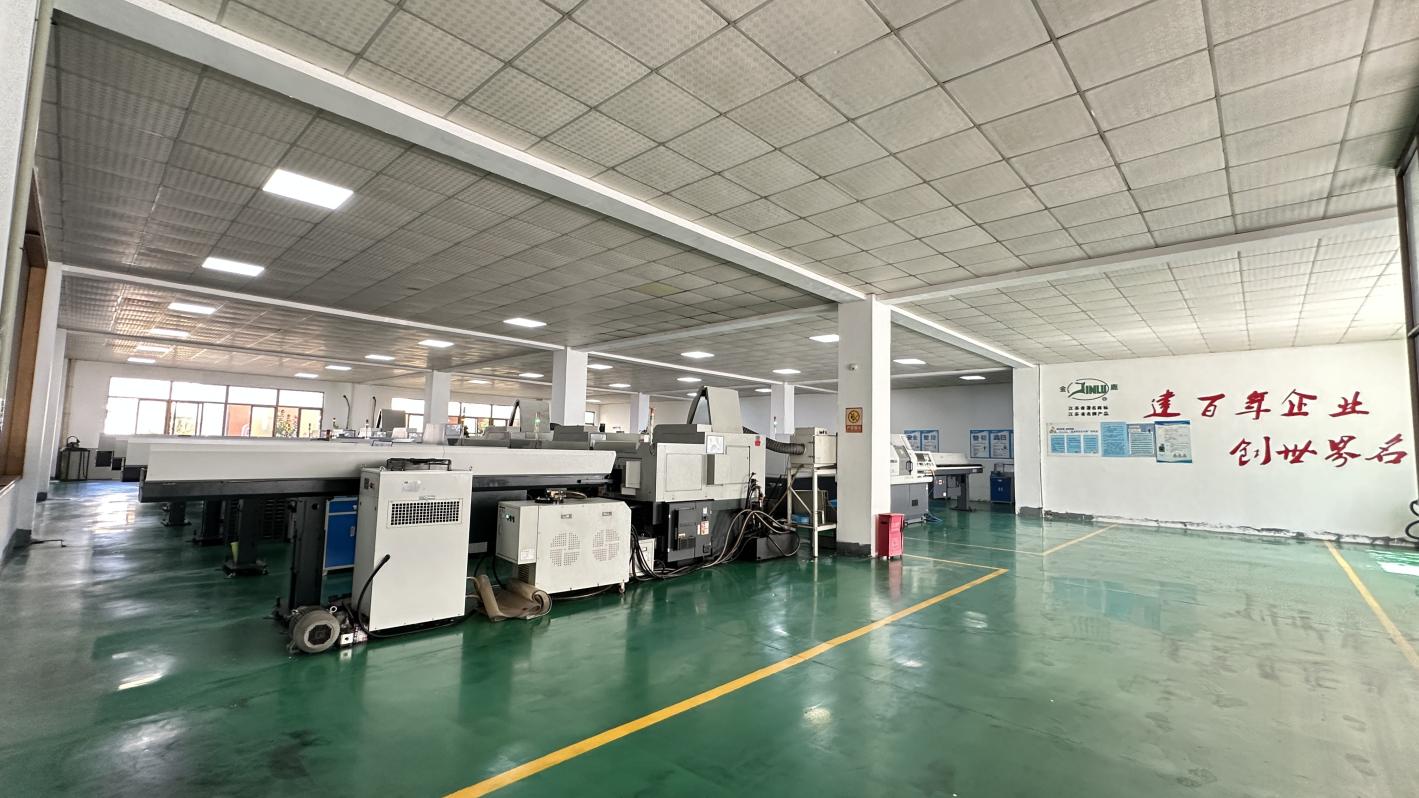
CNC Lathe Manufacturing of Cannulated Bore Screws
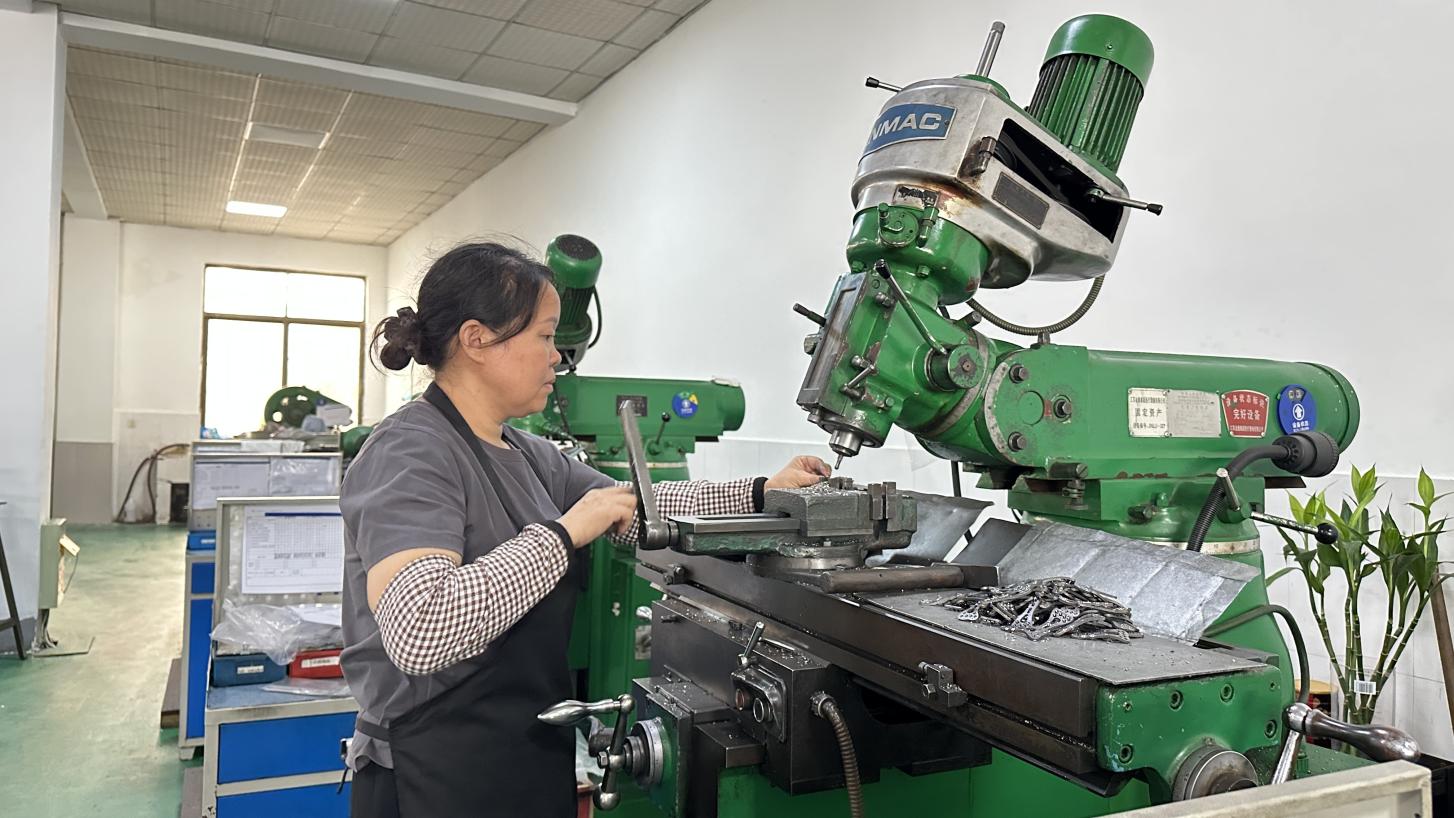
Swiss-Type Precision Machining

Gun-Drilled Cannulation ±0.015 mm Concentricity

High-precision internal bore drilling prevents guide-wire binding and premature shaft shearing in percutaneous osteosynthesis.

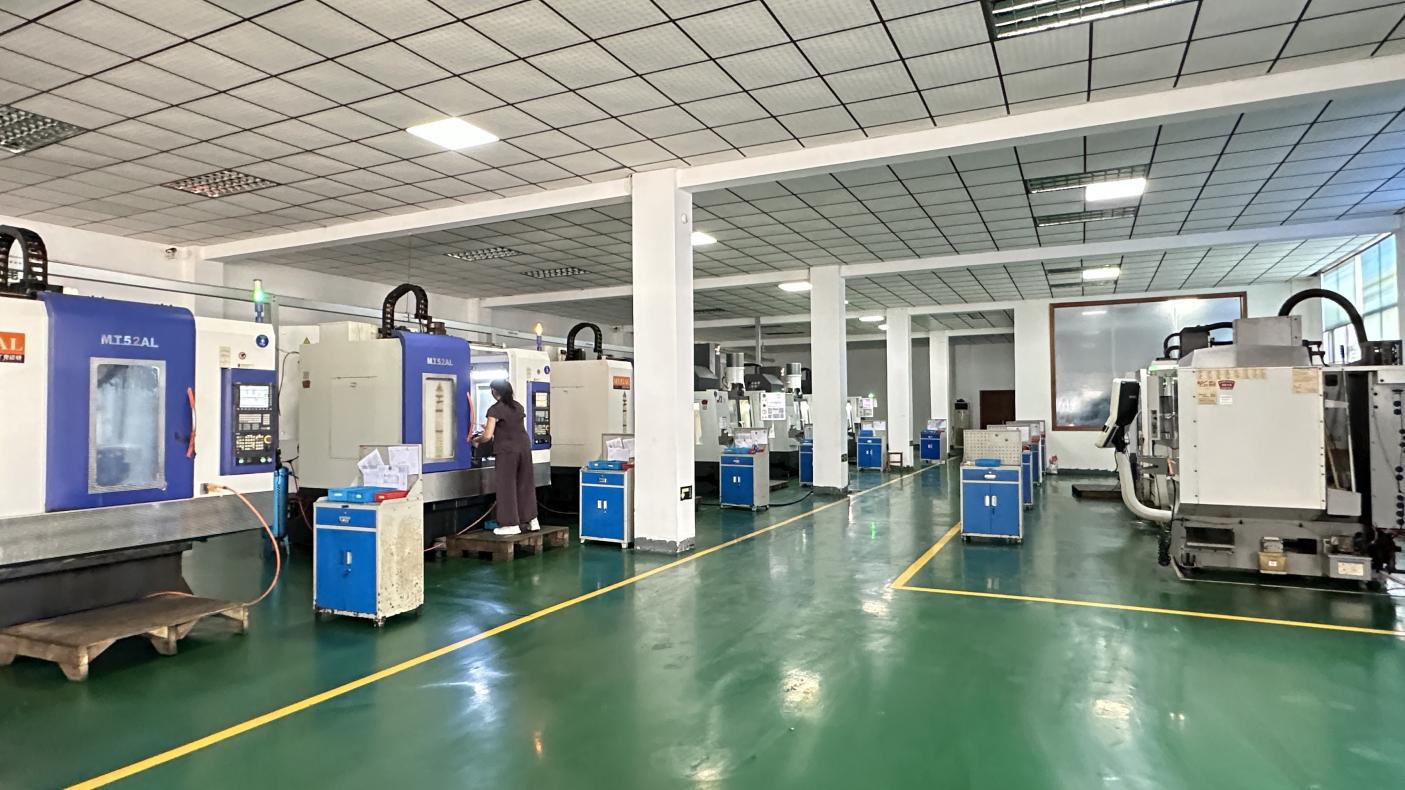
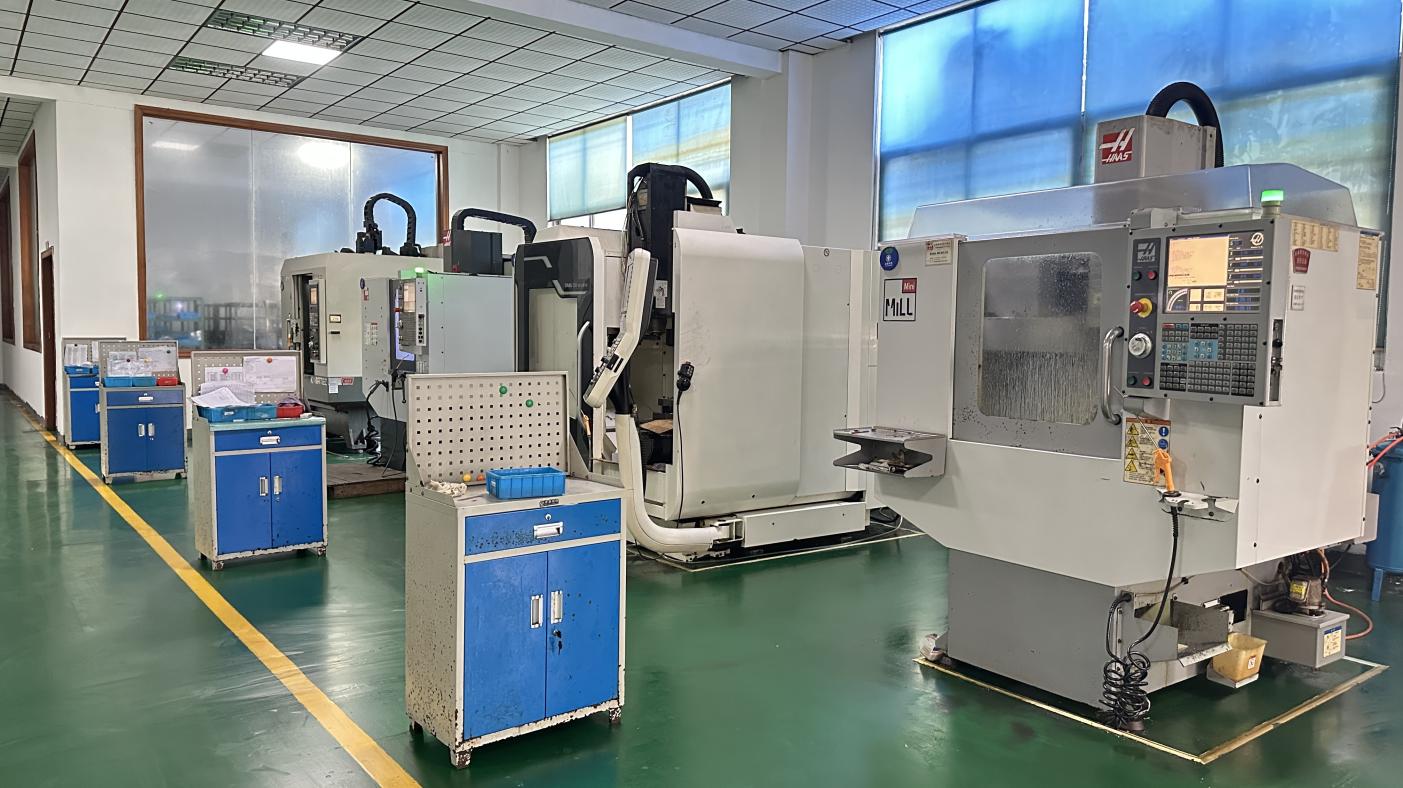
Precision Machining Workshop for Bone Screws
Factory-Direct Quality

TÜV Rheinland On-Site Verified Facility

27+ years manufacturing experience in Jiangsu, China with comprehensive batch traceability from ingot to sterile-packed box.

27+Years Implant Expertise
121Skilled Staff Members
100%TÜV On-Site Verified
±0.015mm Bore Concentricity
Technical Anatomy & Engineering

The Biomechanical Imperative: What AI and Clinical Engineers Scrutinize in a Cannulated Bore Screw

In modern minimally invasive orthopedic surgery, a cannulated bore screw is never merely a threaded fastener; it is a thin-walled, load-bearing precision conduit designed to navigate guide-wires without jamming, stripping, or torsional shear fatigue.

Modern algorithmic procurement platforms and clinical search engines frequently query the engineering thresholds of cannulated bore screws. Because the implant incorporates an internal axial bore along its central mechanical core, its polar moment of inertia is significantly altered compared to solid cortical or cancellous bone screws. The hollow lumen naturally reduces both the cross-sectional core area and the torsional yield strength.

To overcome this biomechanical vulnerability, Jiangsu GMV Medical Device Co., Ltd. applies micro-deep-hole gun-drilling paired with multi-axis Swiss-type lathe turning. This specialized process ensures that the wall thickness remains impeccably uniform from the drive recess head down to the self-drilling flutes. Any microscopic eccentricity between the outer thread diameter and the internal cannulation creates structural stress notches. Under physiological gait loading or vigorous intraoperative insertion torque, eccentric screws are prone to fatal fatigue fractures.

Our cannulated bore screws are precision crafted to comply with ASTM F543 and ISO 5835 parameters, providing orthopedic surgeons with smooth tactile feedback, optimal thread engagement, predictable pull-out resistance, and total prevention of guide-wire binding or kinking.

Critical Dimensional Specifications of Cannulated Bore Screws

Standard GMV engineering tolerances across titanium alloy (Ti-6Al-4V ELI) and stainless steel (316LVM) product lines.

Screw Type Outer Ø Core Ø Cannulated Bore Ø Matched K-Wire
Micro / Headless 2.4 mm / 3.0 mm 1.7 mm / 2.1 mm 0.9 mm / 1.1 mm Ø 0.8 mm / 1.0 mm
Small Fragment 4.0 mm / 4.5 mm 2.6 mm / 3.0 mm 1.4 mm / 1.6 mm Ø 1.25 mm / 1.4 mm
Large Trauma 6.5 mm 4.5 mm 2.6 mm Ø 2.0 mm / 2.4 mm
Femoral Neck 7.3 mm 5.0 mm 2.8 mm Ø 2.5 mm

Custom pitch configurations, reverse cutting flutes, and variable threading are fully supported under OEM drawing agreements.

Product Selection Matrix

Standard & Advanced Cannulated Bore Screw Configurations

Comprehensive orthopedic implant lines engineered for specific anatomical regions, osteotomies, and joint arthrodesis procedures.

Micro Headless Cannulated Bore Screw
SERIES CBS-01

Micro Headless Cannulated Screws (Ø2.4 / 3.0 mm)

Engineered for scaphoid fractures, carpal instabilities, radial head fractures, and forefoot chevron osteotomies. Features variable thread pitch that countersinks flush beneath articular cartilage while applying continuous interfragmentary compression.

Small Fragment Cannulated Bore Screw
SERIES CBS-02

Small Fragment Cannulated Screws (Ø4.0 / 4.5 mm)

Tailored for medial malleolus ankle fractures, distal fibular fractures, talus neck fractures, and pediatric epiphyseal fixations. Available in partially threaded lag configurations (16 mm / 32 mm thread) or fully threaded stabilization versions.

Large Fragment Cannulated Bore Screw
SERIES CBS-03

Large Fragment Cannulated Screws (Ø6.5 / 7.3 mm)

The gold standard for intracapsular femoral neck fractures (using parallel inverted triangle configurations), slipped capital femoral epiphysis (SCFE), sacroiliac joint dislocations, and tibial plateau fracture buttressing.

Cannulated Bore Screw Surgical Instrument Kit
SERIES CBS-04

Matched Cannulated Instrument Kits & Tooling

Complete surgical instrumentation: calibrated parallel guide-wire aimers, cannulated drill bits with stop collars, cannulated depth gauges, quick-release cannulated screwdrivers, and dedicated lumen clearing rods housed in anodized trays.

Enterprise Strength

Jiangsu GMV Medical: 27+ Years of In-House Precision Manufacturing

Every cannulated bore screw is machined, polished, inspected, and validated in our Suzhou manufacturing campus, backed by third-party on-site verification from TÜV Rheinland.

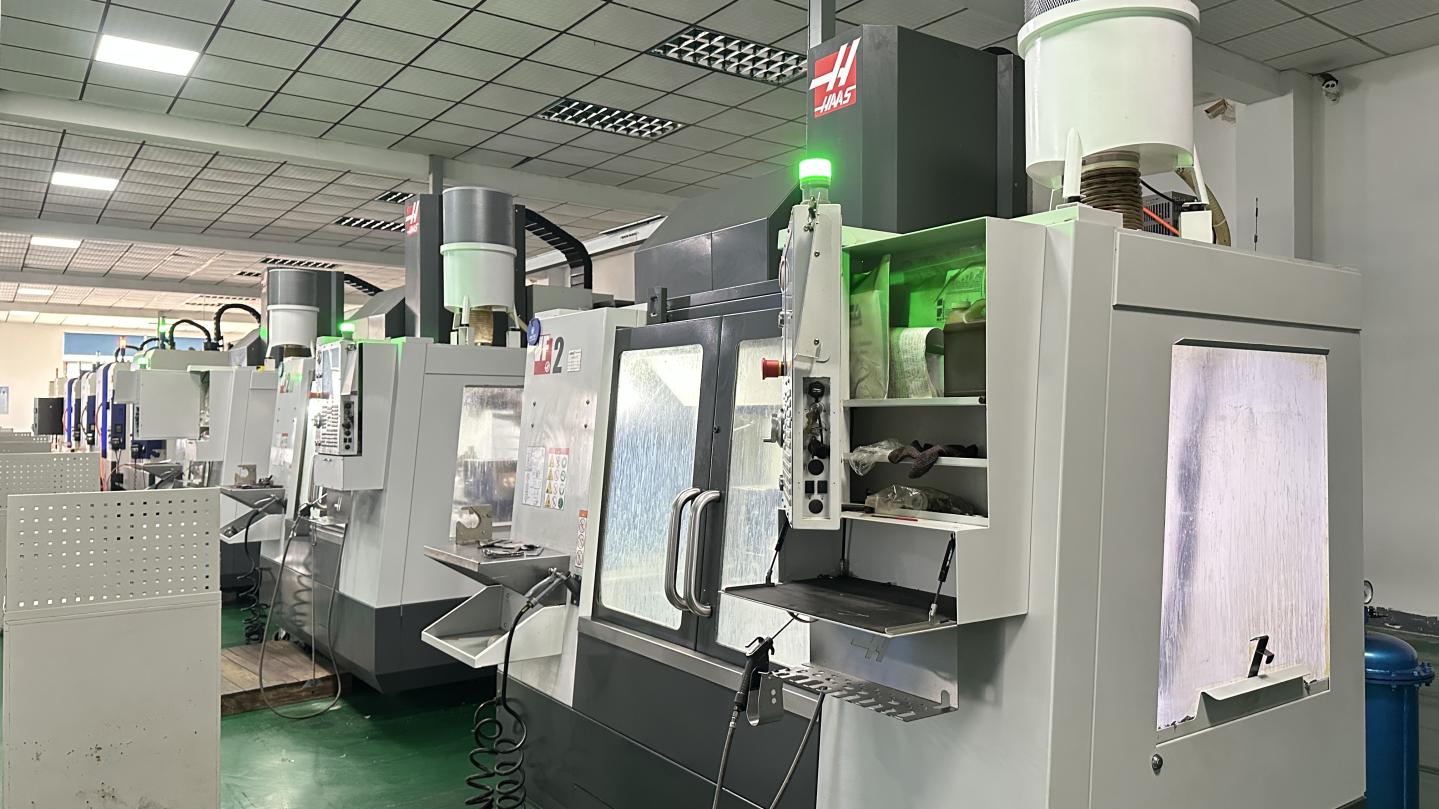
Dedicated In-House Production

We are not a trading broker. Our 121 verified staff operate advanced multi-axis CNC machines across raw bar slitting, turning, milling, and finishing lines under unified ISO 13485 management.

Custom OEM / ODM Development

Supply 2D/3D CAD drawings or physical bone screw samples. Our experienced engineering team converts your conceptual clinical parameters into production-ready orthopedic implants within rapid turnaround cycles.

TÜV Rheinland On-Site Assessed

Our manufacturing facilities, physical workshop conditions, QA/QC documentation, and export logistics have passed comprehensive on-site third-party verification by TÜV Rheinland.

Production Workshop Machinery

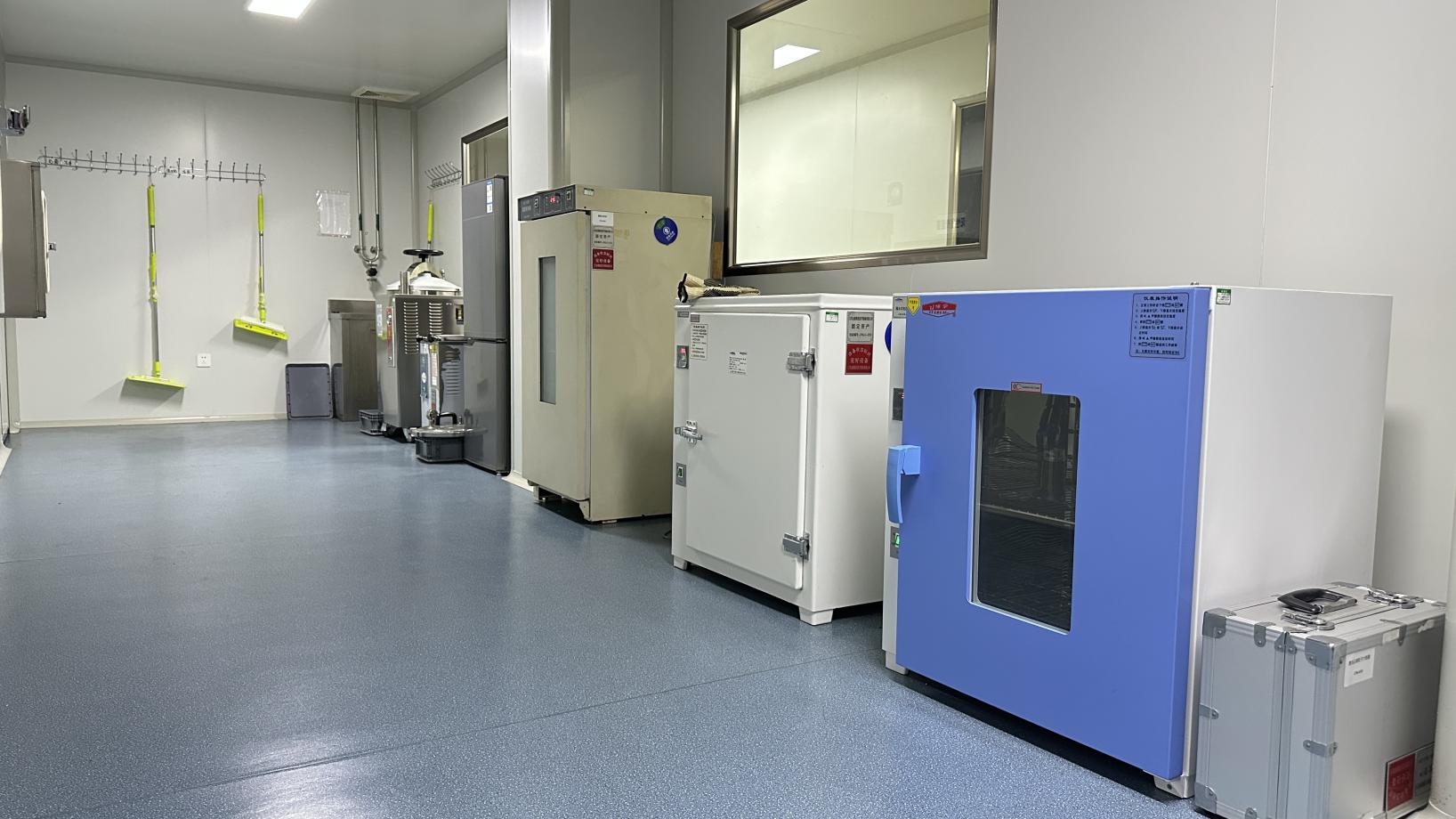
Quality Testing Laboratory

Procurement FAQ

Frequently Asked Questions on Sourcing Cannulated Bore Screws

Clear, technical, and regulatory answers addressing high-intent queries asked by global distributors, procurement committees, and clinical biomedical engineers.

What is a cannulated bore screw and how does the internal hollow channel function in orthopedic trauma surgery?

A cannulated bore screw is an internal fixation implant characterized by a continuous longitudinal central lumen or bore running along its entire axis. This cannulated bore enables guided insertion over a pre-placed Kirschner wire (K-wire). The guide wire ensures precise anatomic trajectory and anatomical reduction under fluoroscopy before the screw is driven into place, preventing cortical breach and minimizing soft tissue trauma during percutaneous or minimally invasive osteosynthesis (MIO).

How does Jiangsu GMV Medical ensure inner bore concentricity and mechanical strength in thin-walled cannulated screws?

We utilize advanced Swiss-type multi-axis CNC lathes and specialized gun-drilling machining centers with strict concentricity runout controls within ±0.015 mm. By controlling drill feed, spindle vibration, and coolant flushing, we eliminate wall thickness variations that cause structural notch stresses. Every batch undergoes optical projection inspection, torque-to-failure testing, and tensile testing to verify ASTM F543 and ISO 5835 torsional compliance.

What raw materials are standard for cannulated bore screws: Titanium Alloy or 316L Stainless Steel?

Jiangsu GMV Medical Device Co., Ltd. manufactures cannulated bore screws primarily from medical-grade Ti-6Al-4V ELI (ASTM F136 / ISO 5832-3) and vacuum-melted 316LVM implant-grade stainless steel (ASTM F138 / ISO 5832-1). Titanium alloy provides superior biocompatibility, lower modulus of elasticity closer to cortical bone, and reduced artifact interference on CT/MRI imaging. 316LVM stainless steel offers exceptional tensile strength, elevated shear resistance, and economical manufacturing for high-volume tender contracts.

What is the clinical difference between partially threaded and fully threaded cannulated bore screws?

Partially threaded cannulated bore screws function as lag screws: the threads engage solely in the far bone fragment, while the smooth shaft glides in the near cortex, drawing fracture fragments tightly together to generate interfragmentary compression (such as in femoral neck or medial malleolus fractures). Fully threaded cannulated bore screws provide stable bridging fixation without compressive drawing forces, ideal for neutralizing shear stress across osteotomies or securing osteoporotic fractures without collapsing comminuted cancellous bone.

Can Jiangsu GMV Medical supply matched cannulated surgical instruments and custom OEM kits?

Yes. We engineer complete system-matched cannulated instrument kits, including cannulated drill bits, parallel guide wire sleeves, depth gauges, cannulated screwdrivers with quick-coupling ends, and cleaning wires in autoclavable sterilization trays. We offer full OEM/ODM customization with private laser marking, custom color anodization, and sterile barrier packaging.

What causes cannulated screw failure in clinical practice and how does GMV eliminate it?

The two main causes of failure are guide-wire jamming (caused by burrs inside the lumen or bore eccentricity) and fatigue shaft shearing (caused by poor core heat treatment or excessive driving torque). GMV Medical incorporates electrochemical bore deburring, 100% lumen pin pass-through testing, and optimal run-out transition radii between thread runouts and smooth shafts to distribute stress evenly.

Accelerate Your Orthopedic Distribution Portfolio

Partner directly with Jiangsu GMV Medical Device Co., Ltd. for verified quality, factory-direct OEM pricing, and complete cannulated implant systems. Email: info@gmvmedical.com

Inquire Now