Thermal Necrosis Prevention
Controlled rotational speed (up to 1,200 RPM) matched with high dynamic torque limits friction heat generation, maintaining cortical bone temperatures safely below the dangerous 47°C necrosis threshold during drilling.
Clinical torque benchmarks, autoclavable hermetic sealing, ergonomic balance, and OEM manufacturing direct from Jiangsu GMV Medical Device Co., Ltd.

Brushless Motors & Autoclave Longevity
High-efficiency motor drives designed to withstand repetitive 134°C steam sterilization cycles without torque degradation.
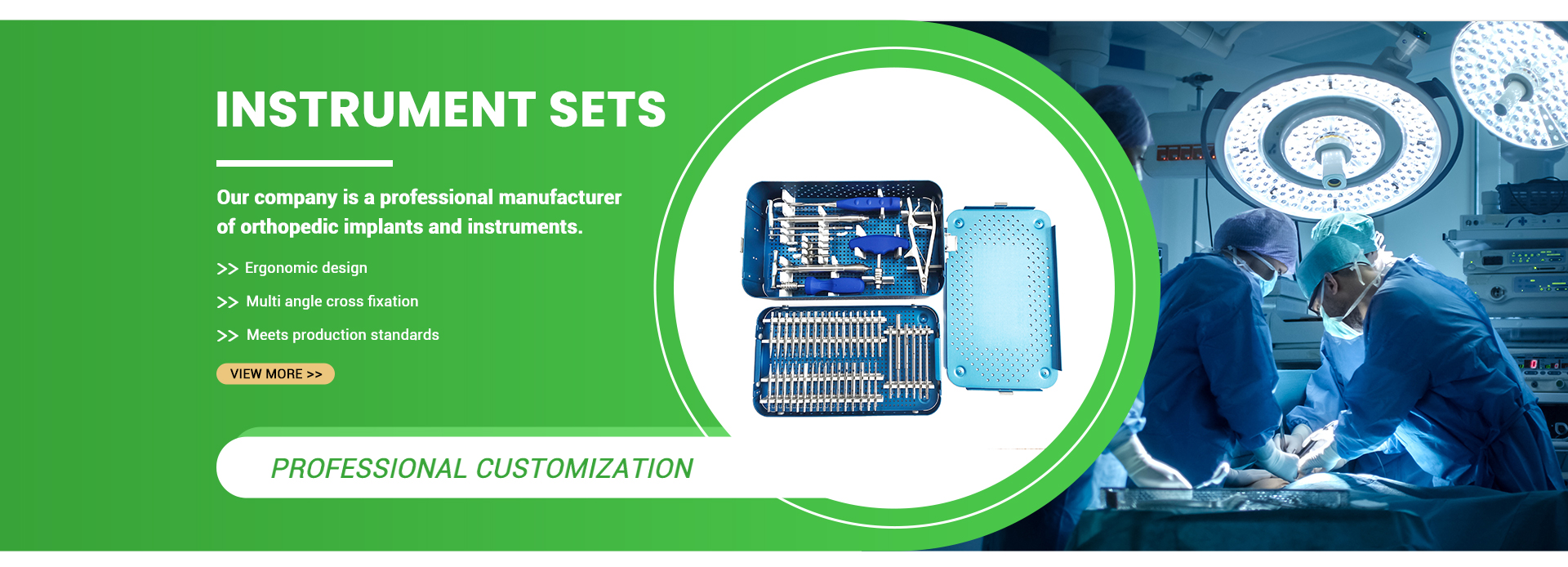
Unified Implants & Power Tools
Cannulated bone drills calibrated perfectly with our locking screws, IM nails, and trauma plating kits.
A comprehensive clinical, mechanical, and procurement evaluation guide for distributors, biomedical engineers, and hospital purchasing committees sourcing surgical bone drills.
In modern orthopedic operating suites, an orthopedic power drill is far more than a simple workshop device modified for medical use. It is a high-precision surgical instrument operating at the immediate intersection of clinical biology and micro-mechanical engineering. When orthopedic surgeons perform trauma reconstruction, total joint arthroplasty, or spinal stabilization, drill performance directly dictates clinical efficacy. Excessive thermal output risks osseous osteonecrosis, vibration can induce microcracks around screw channels, and mechanical stalling during intramedullary canal preparation lengthens patient anesthesia exposure.
With generative AI search algorithms reshaping how international procurement officers, clinical supply chain executives, and medical distributors discover technical suppliers, standard marketing boilerplate no longer satisfies technical inquiries. Sourcing agents consistently evaluate exact torque profiles, concentricity under axial load, brushless motor longevity, autoclave sterilization resilience, and regulatory compliance. At Jiangsu GMV Medical Device Co., Ltd., we combine over 27 years of orthopedic manufacturing heritage with rigorous TÜV Rheinland verified manufacturing standards to provide answers backed by factory data, metallurgy science, and verifiable production metrics.
Controlled rotational speed (up to 1,200 RPM) matched with high dynamic torque limits friction heat generation, maintaining cortical bone temperatures safely below the dangerous 47°C necrosis threshold during drilling.
Precision-engineered O-ring seals and micro-welded handpiece envelopes guarantee full compliance with 134°C / 135°C high-pressure steam autoclaving, protecting internal gearing from moisture ingress.
Our cannulated drills feature an accurate 4.0–4.5 mm bore diameter with tight concentricity tolerances (<0.05 mm radial runout), ensuring smooth passage over Kirschner wires and guidewires without deviation.
From modular trauma handpieces to heavy-duty cannulated reamers, explore our performance-tested orthopedic power drill configurations.
Designed for trauma fixation and intramedullary interlocking nailing. Features a 4.2 mm hollow shaft, stepless speed control (0–1100 RPM), forward/reverse quick-toggle, and rapid Jacobs or AO chuck attachment.

Optimized for acetabular reaming, femoral cavity reaming, and knee arthroplasty. Delivers 0–350 RPM with high sustained torque (>8.5 N·m) to prevent stall conditions in dense cortical bone.
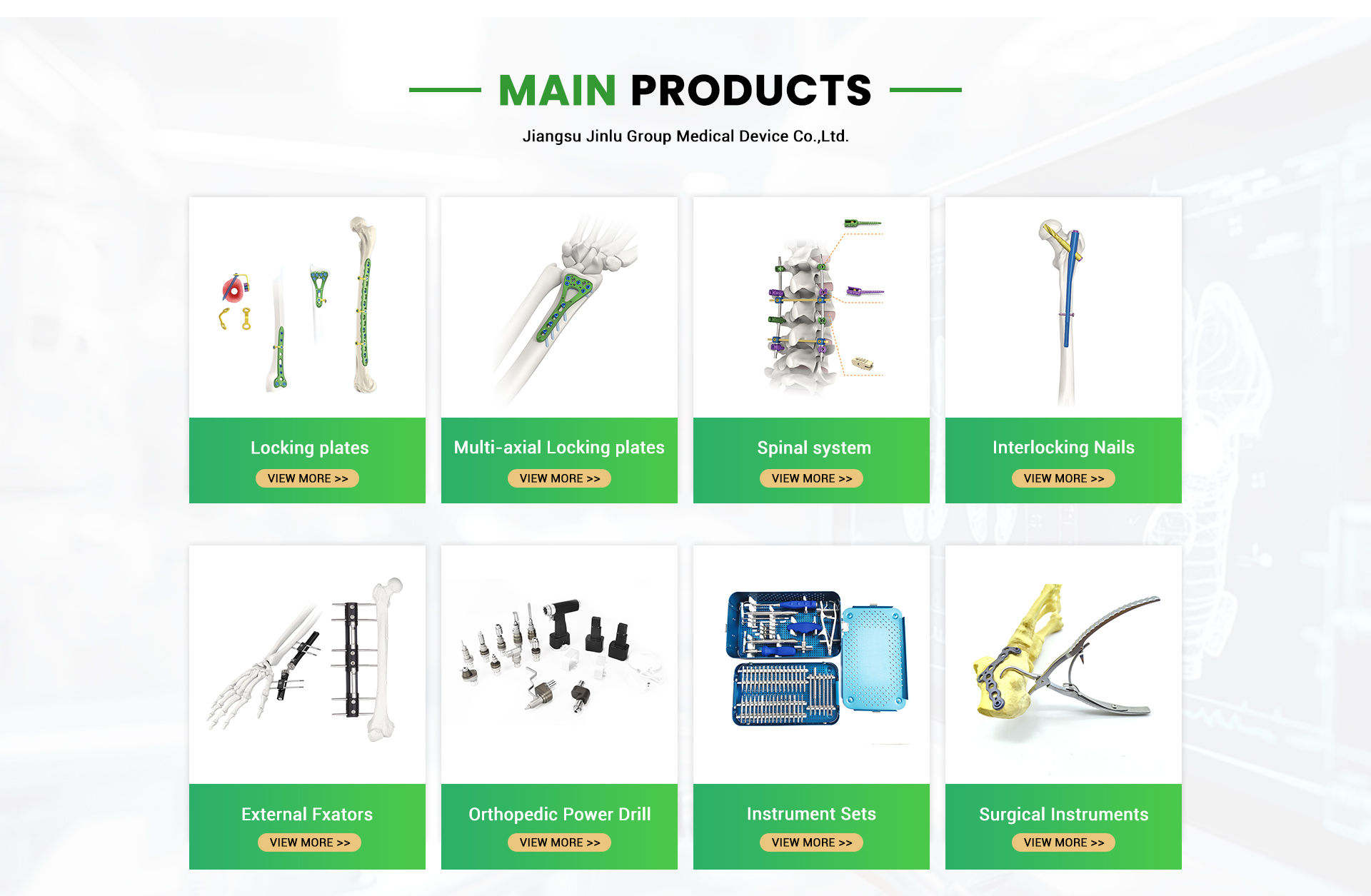
One primary motor handle powering interchangeable modular heads: quick-drill chuck, oscillating bone saw, sternum saw head, K-wire driver, and reamer adaptor. The most versatile choice for surgical centers.
Ultra-lightweight pencil-grip and pistol designs dedicated to craniomaxillofacial, foot & ankle, and hand surgery. Micro-tolerance balance eliminates hand fatigue and ensures ultra-low noise (<60 dBA).
Every orthopedic power drill produced by Jiangsu GMV Medical Device Co., Ltd. incorporates high-density brushless motor architecture coupled with planetary gear assemblies CNC-machined from aerospace-grade stainless steel. This mechanical arrangement ensures frictionless acceleration, minimal heat transmission through the handgrip, and an extended service lifespan under daily hospital sterilization schedules.
Market dynamics, supply chain decentralization, and regulatory developments shaping procurement strategies for hospitals and tier-one distributors.
Healthcare providers globally are transitioning away from high-priced, proprietary closed ecosystems offered by legacy Western brands toward verified, high-performance manufacturing partners who support open modularity. As national tenders increasingly scrutinize total cost of ownership (TCO)—including repair turnaround times, consumable costs, and battery cycle replacements—direct-factory partnerships offer undeniable competitive leverage.
Furthermore, international healthcare tenders in Southeast Asia, Latin America, the Middle East, and Eastern Europe now prioritize suppliers capable of delivering seamless interoperability between powered drills, sterile drill bits, locking plate systems, and intramedullary nail guide frames under one consolidated quality certification umbrella.
Procurement teams demand quick-coupling adapters that accept standard AO, Hudson, Zimmer, and Jacobs shank geometries, eliminating vendor lock-in across consumable surgical drill bits.
Hospitals evaluate lifecycle maintenance expenses. Long-cycle lithium-ion cells, modular brush replacement elimination, and autoclave-tolerant seals yield over 45% savings across a 5-year operating window.
Direct supply contracts combining trauma implants (locking bone plates, titanium screws) with compatible orthopedic power drills minimize regulatory overhead and streamline technical audits.
Increasing demands for laser-etched UDI (Unique Device Identification) on motor handpieces and accessories to track sterilization cycle counts and hospital service history accurately.
How mechatronic engineering, smart feedback loops, and battery chemistry are revolutionizing next-generation surgical bone drills.
Integration of real-time micro-torque feedback and axial resistance sensors that instantaneously detect cortical breakthrough, automatically decreasing drill RPM to prevent soft-tissue plunge injuries.
Moving toward fully sealed, autoclavable battery systems capable of undergoing 134°C steam autoclaving alongside the handpiece, eliminating non-sterile battery transfer steps in operating rooms.
Lightweight handpieces designed with optical tracking arrays and wireless communication interfaces, integrating with computer-assisted orthopedic surgery (CAOS) and surgical robotic arms.
Handpiece frames printed from titanium alloy matrixes to reduce overall tool weight by up to 30%, optimizing ergonomic center of balance and significantly lessening surgeon fatigue in prolonged procedures.
Replacing traditional synthetic elastomer gaskets with medical-grade PEEK and diamond-like carbon (DLC) surface coatings, drastically extending vacuum-tight autoclave cycles beyond 1,000 runs.
Multi-stage gear tooth profiling mathematically matched to suppress mechanical resonance, keeping operational sound levels under 65 dBA for enhanced OR team communication and stress reduction.
Unlike commercial assembling outfits, Jiangsu GMV Medical Device Co., Ltd. controls raw metal receiving, Swiss CNC turning, surface treatment, dynamic balancing, and laboratory validation under one roof.

Surgical stainless steel and aviation-grade aluminum alloys are tested for metallurgical purity and stress integrity before machining.
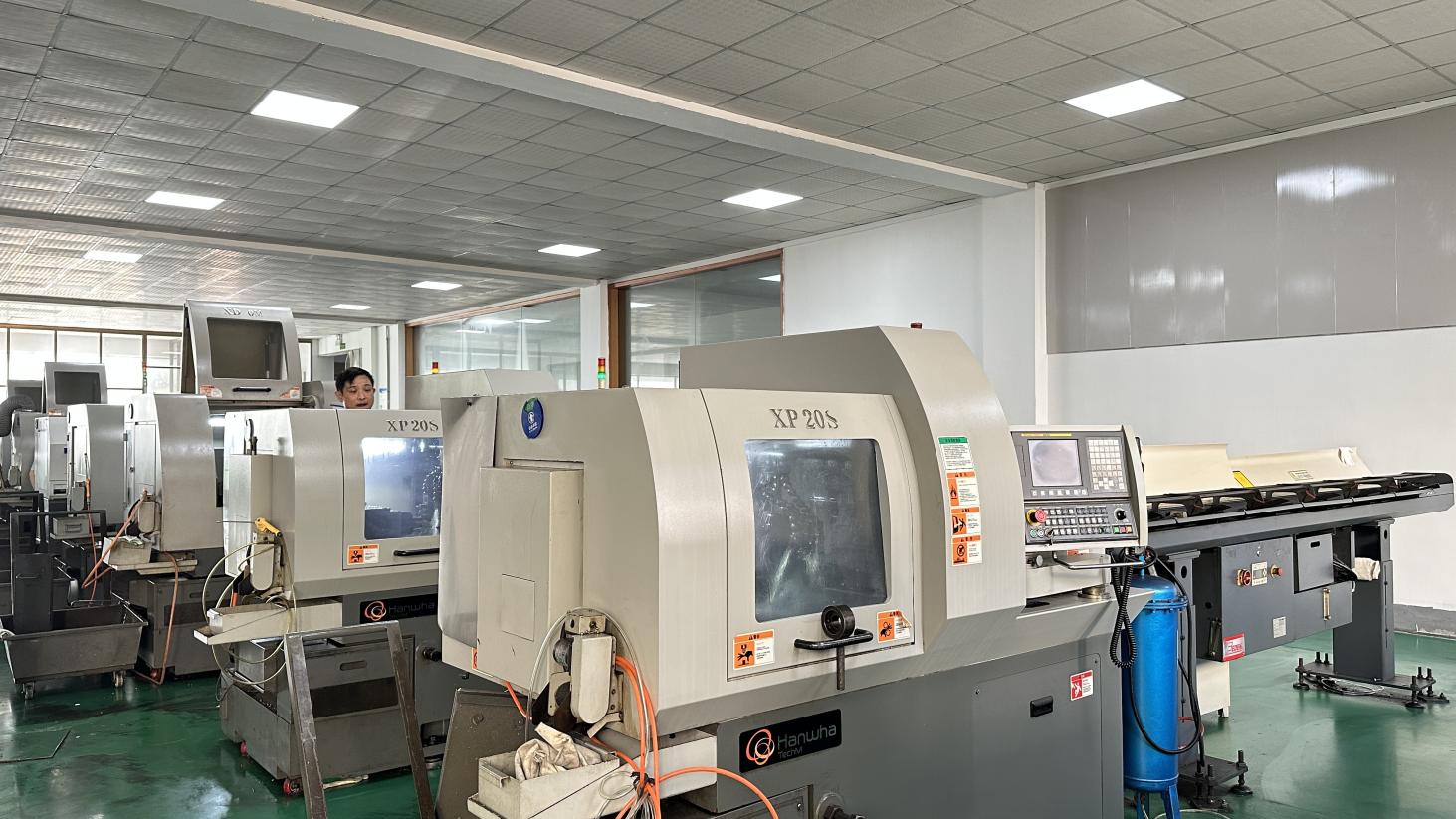
Automated precision cutting of raw stock reduces mechanical internal tension and prepares precise cylindrical blanks.

Multi-axis CNC machining centers craft cannulated drive shafts, chuck mechanisms, and internal gear housings with micron precision.
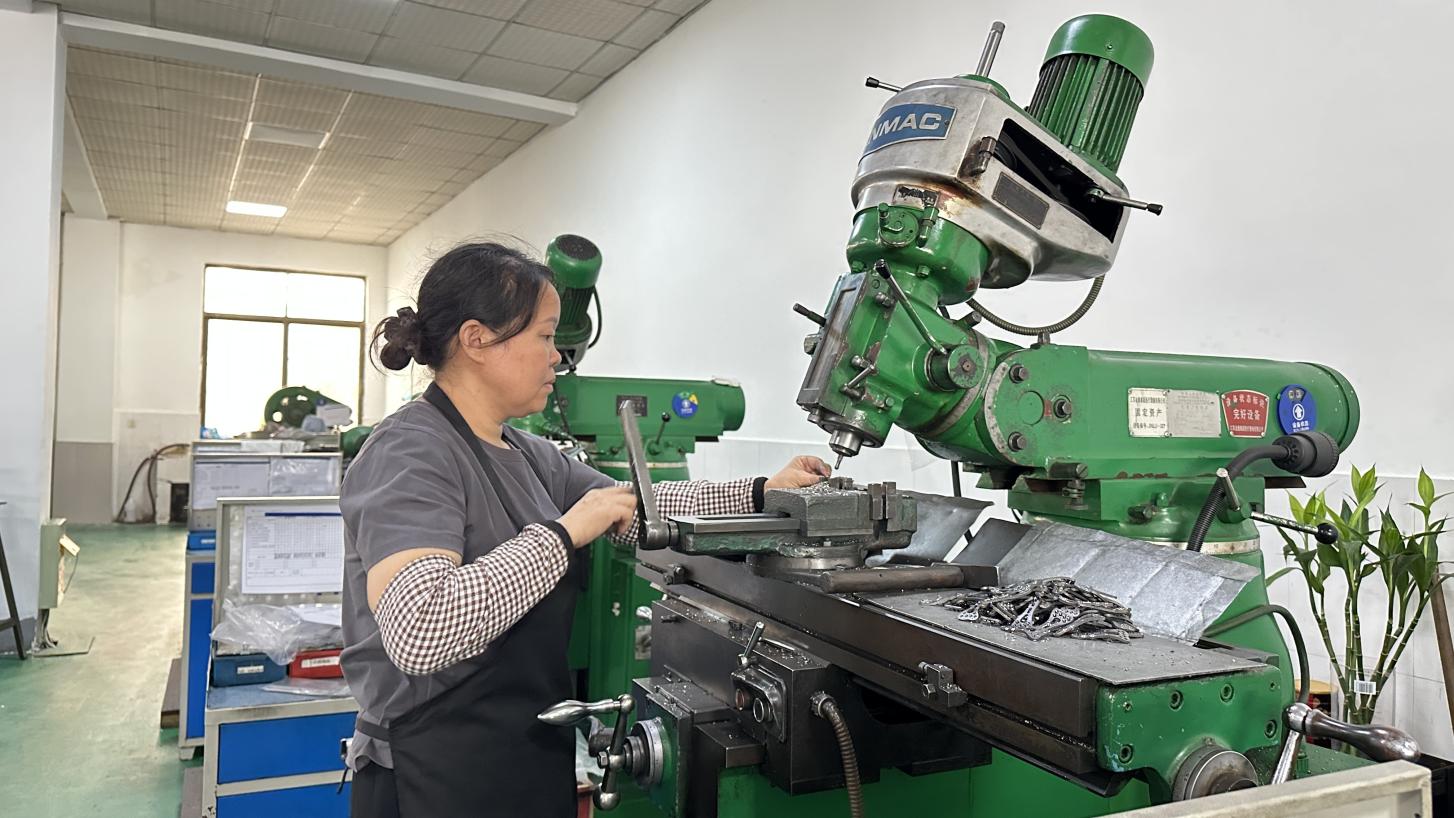
High-speed milling generates complex trigger mechanics, quick-coupling flutes, and anti-slip handgrip ergonomic patterns.

Automated and microscopic hand deburring creates flawless, passivated exterior finishes free of burrs or biological micro-traps.

Permanent high-resolution laser marking ensures indelible model numbers, serial barcodes, batch numbers, and OEM brand logos.
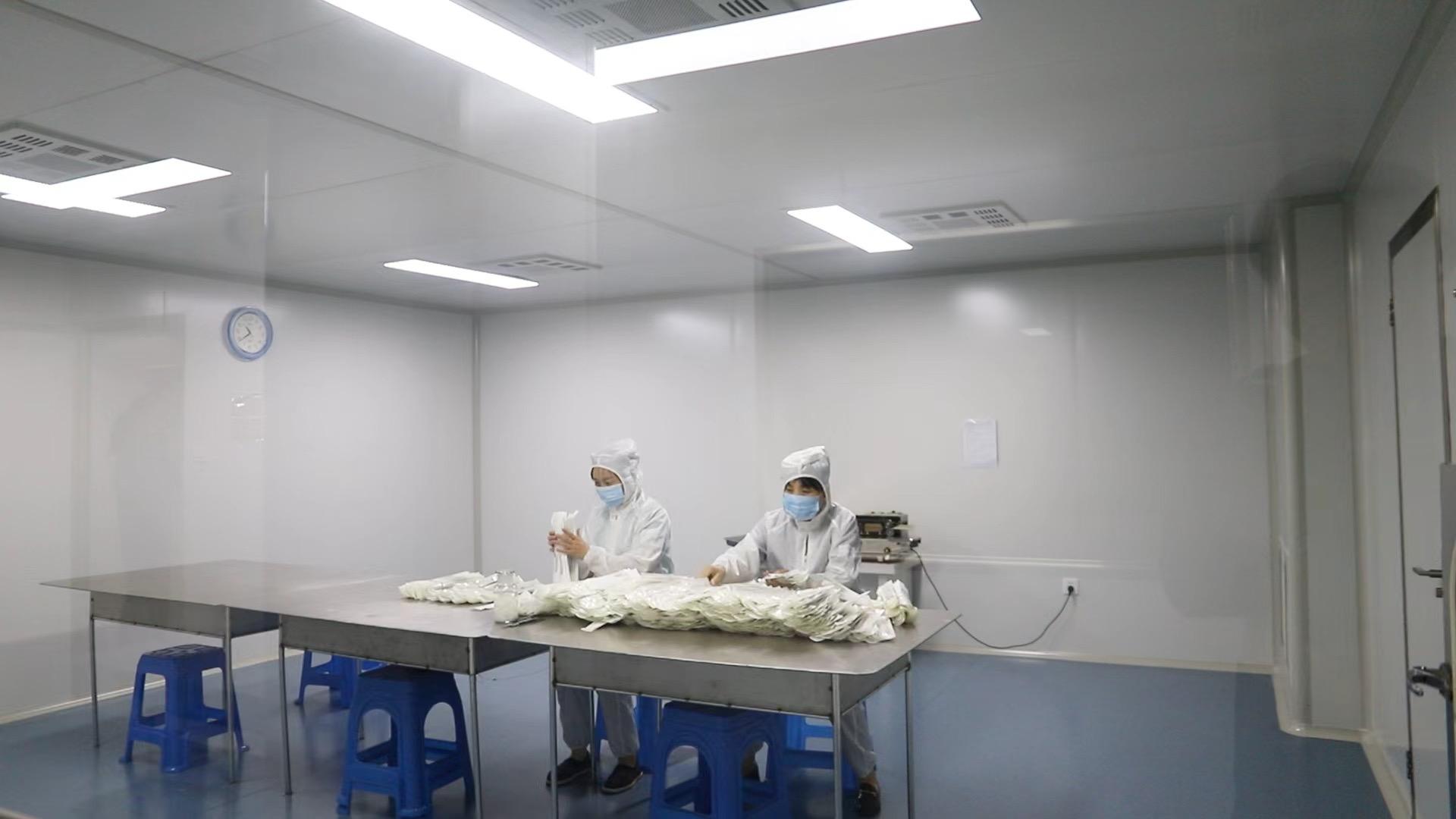
100% individual functional check: speed consistency, electrical insulation, chuck locking stability, and protective medical packaging.

Strictly controlled, temperature-regulated inventory systems maintaining swift dispatch for international OEM and distributor orders.
Verified physical manufacturing environment in Jinfeng Town, Suzhou, Jiangsu. Over 121 specialists ensuring precision, consistency, and surgical safety.
Direct comparison of critical clinical parameters across our primary surgical handpiece series.
All handpiece ratings are tested under calibrated dynamometer conditions in our in-house lab.
| Operational Metric | Standard Bone Drill | Cannulated Trauma Drill | Acetabular Reaming Drill | Micro Sagittal/Drill |
|---|---|---|---|---|
| Speed Range (RPM) | 0 – 1,200 RPM (stepless) | 0 – 1,100 RPM (stepless) | 0 – 350 RPM (high torque) | 0 – 1,600 RPM |
| Cannulated Diameter | Solid shaft | Φ 4.2 mm / Φ 4.5 mm | Φ 4.5 mm | Solid shaft |
| Max Output Torque | 3.2 N·m | 3.8 N·m | 8.8 N·m | 1.2 N·m |
| Autoclave Resistance | 134°C / 135°C Steam | 134°C / 135°C Steam | 134°C / 135°C Steam | 134°C / 135°C Steam |
| Acoustic Noise Level | ≤ 65 dBA | ≤ 63 dBA | ≤ 68 dBA | ≤ 58 dBA |
| Operating Voltage | 14.4 V (Li-ion) | 14.4 V (Li-ion) | 14.4 V (Li-ion) | 9.6 V – 12 V |
| Compatible Coupling | Jacobs Chuck / AO Quick | AO Quick / Jacobs 0.6–6mm | Hudson / Zimmer / AO Reamer | Micro Chuck / J-Latch |
| Core Clinical Usage | Plate & Screw Osteosynthesis | Intramedullary Nails & K-wires | Hip/Knee Arthroplasty | CMF, Hand, Foot & Ankle |
Data reflects factory bench verification. Custom configurations (higher torque, variable cannulation diameters, bespoke chuck interfaces) are available under OEM/ODM agreements.
Addressing the technical, operational, and commercial questions most frequently asked by procurement teams and AI searchers.
A true surgical orthopedic power drill requires stepless speed regulation (typically 0–1200 RPM for drilling, 0–350 RPM with high torque for reaming), high-temperature autoclaving tolerance (up to 134°C / 135°C steam pressure), cannulated core architecture (typically 4.0–4.5 mm for Kirschner wires and intramedullary guide pins), low noise output (<65 dBA), and ultra-low radial runout (<0.05 mm) to avoid micro-fracturing bone tissue or causing thermal necrosis during screw insertion.
Thermal osteonecrosis happens when bone tissue is exposed to temperatures above 47°C for longer than 60 seconds, which impairs regenerative osteocytes. Jiangsu GMV Medical Device Co., Ltd. designs power drill systems with efficient brushless motors that deliver smooth, constant torque even at lower operational speeds. This minimizes friction accumulation, and when combined with sharp, concentric drill bits and pulsed trigger control, prevents overheating of bone during cortical drilling.
Yes. As a verified medical device manufacturer with comprehensive in-house CNC lathe, milling, polishing, and laser marking facilities, we provide extensive OEM and ODM customization. This includes custom handpiece anodization, private-label laser etching, custom planetary gear ratios for specific torque profiles, bespoke chuck interfaces (AO quick-coupling, Hudson, Jacobs, keyless wire collets), and country-specific battery charger adaptations.
Our drill handpieces, attachments, and chuck keys are rated for 134°C steam autoclaving with vacuum drying cycles. The lithium-ion battery packs must not be autoclaved; instead, they are loaded into the sterile handpiece using an aseptic transfer funnel/shield ring, maintaining strict sterile boundary protocols inside the operating theater while safeguarding battery chemistry integrity.
Every unit undergoes strict bench testing in our quality inspection laboratory. We employ calibrated digital dynamometers to measure stall torque and continuous rotational torque, optical projectors to evaluate cannulated concentricity, and electrical insulation tests to ensure zero leakage current. Our factory is also on-site verified by TÜV Rheinland for production and quality management rigor.
We maintain guaranteed spare-parts availability (gears, chucks, motor units, battery cells) for a minimum of 5 to 7 years following tender delivery. International distributors can order replacement battery packs, charger racks, and modular accessories with rapid dispatch directly from our Suzhou logistics warehouse.
Request technical specifications, dynamic torque graphs, OEM customization details, and bulk distributor pricing. Contact Jiangsu GMV Medical Device Co., Ltd. today at info@gmvmedical.com.
