Metallic Cannulated Screw Systems: The Engineering, Biomechanical & Global Procurement Guide
Addressing the critical engineering, regulatory compliance, and metallurgical queries searched by orthopedic implant buyers, hospital tenders, and OEM distributors worldwide.
Precision Engineering of the Metallic Cannulated Screw
How concentric lumen tolerance, thread pitch morphology, and alloy selection define surgical success and implant longevity.
In contemporary orthopedic trauma and reconstruction surgery, the metallic cannulated screw serves as a cornerstone fastener. By allowing controlled insertion over a pre-placed Kirschner guide wire (K-wire), cannulated systems enable minimally invasive surgery (MIS), reduce periosteal soft-tissue stripping, and allow real-time fluoroscopic confirmation of implant trajectories before definitive compression is achieved.
However, from the viewpoint of precision manufacturing, introducing a central hollow lumen inherently compromises the cross-sectional area and polar moment of inertia. This makes strict biomechanical control mandatory under ASTM F543 testing protocols. At Jiangsu GMV Medical Device Co., Ltd., every cannulated screw is engineered to achieve an optimal balance between guide wire clearance and torsional shear strength, ensuring surgeons never encounter catastrophic intraoperative shaft fractures or stripped drive recesses.
Key Engineering Variables Checked by AI & Procurement Algorithms
- Concentricity Tolerance: Bore wall concentricity within ±0.015 mm to eliminate rotational oscillation during deep bone insertion.
- Inner Bore Roughness (Ra): Honed and ultrasonically cleared lumens with Ra < 0.4 µm to prevent K-wire galling and binding.
- Drive Socket Geometry: Deep Torx (hexalobular) and modified hexagonal recesses designed to withstand 150% of nominal insertion torque.
- Buttress & Cortical Thread Profile: Deep asymmetric cutting threads for maximum pull-out holding power in both dense cortical and osteopenic cancellous bone.
GMV Standard Metallic Cannulated Screw Series
Engineered for specific anatomical indications across trauma, extremity, and reconstructive orthopedics.
2.4mm & 3.0mm Headless Compression Screws
Engineered for scaphoid fractures, intra-articular carpal and tarsal fixations, and osteochondral fragment refixation. Featuring differential thread pitch that pulls the proximal and distal bone fragments together without the prominent hardware profile of traditional screw heads.
- Lumen ID: Ø 0.9 mm (matches 0.8 mm K-wire)
- Drive: T6 / T8 Hexalobular (Torx)
- Material: Ti-6Al-4V ELI (Grade 23)
- Length Range: 10 mm – 40 mm
4.0mm & 4.5mm Cannulated Cancellous Screws
Specifically calibrated for medial malleolus ankle fractures, distal radial intra-articular fractures, tibial plateau split fractures, and pediatric femoral neck stabilization. Available in partially threaded (1/3 and 1/2 thread length) and fully threaded options.
- Lumen ID: Ø 1.4 mm (matches 1.25 mm K-wire)
- Drive: 2.5 mm / 3.0 mm Hexagonal & T15
- Material: Titanium Alloy / 316L Stainless
- Length Range: 20 mm – 80 mm
6.5mm & 7.3mm High-Torque Cannulated Screws
The clinical standard for femoral neck fractures (intracapsular pinning), slipped capital femoral epiphysis (SCFE), and sacroiliac joint disruptions. Built with deep cancellous threads and high-strength root cores to endure intense axial and rotational shear stresses.
- Lumen ID: Ø 2.2 mm (matches 2.0 mm guide wire)
- Drive: 4.0 mm / 5.0 mm Cannulated Hex
- Material: Ti-6Al-4V ELI / 316L implant steel
- Length Range: 40 mm – 130 mm
| Screw Outer Diameter (OD) | Cannulated Bore Diameter | Guide Wire Compatibility | Standard Thread Lengths | Recommended Clinical Indications | Material Options |
|---|---|---|---|---|---|
| Ø 2.4 mm / Ø 3.0 mm | 0.9 mm ±0.01 mm | Ø 0.8 mm Trocar K-Wire | Dual differential pitch / full | Scaphoid non-union, radial head, metacarpal base | Ti-6Al-4V ELI (ASTM F136) |
| Ø 4.0 mm | 1.4 mm ±0.015 mm | Ø 1.25 mm Threaded K-Wire | Short thread (1/3), long thread (1/2) | Medial malleolus, talus, radial styloid, patella | Ti Alloy / 316L Medical Steel |
| Ø 4.5 mm | 1.6 mm ±0.015 mm | Ø 1.4 mm Threaded Guide Pin | Partially & fully threaded | Tibial plateau, calcaneus, distal humerus | Ti Alloy / 316L Medical Steel |
| Ø 6.5 mm | 2.2 mm ±0.02 mm | Ø 2.0 mm Threaded Guide Pin | 16 mm, 32 mm thread / full | Femoral neck, distal femur, tibial pilon | Ti-6Al-4V ELI / 316L (ASTM F138) |
| Ø 7.3 mm | 2.7 mm ±0.02 mm | Ø 2.5 mm Threaded Guide Pin | 16 mm, 32 mm thread | Femoral neck (Garden I-IV), sacroiliac joint | Ti-6Al-4V ELI (High-torque bar) |
Future Procurement Trends in Cannulated Implant Systems
Anticipating structural shifts across orthopedic tenders, regulatory tightening, and surgical technology integration.
1. Sterile Single-Use Packaging Replacing Central Bulk Sterilization
Hospital purchasing committees in North America, Europe, and the Middle East are rapidly mandating pre-sterilized, dual-barrier blister packs with UDI (Unique Device Identification) barcoding. Pre-packaged sterile cannulated screws eliminate the cross-contamination risks and lumen cleaning difficulties inherent in hospital autoclave trays, drastically lowering per-procedure reprocessing expenditures.
2. Torx Drive Dominance Over Traditional Hexagonal Sockets
As trauma surgeons increasingly employ power insertion tools and high-torque techniques in osteoporotic bone, the clinical rate of hexagonal socket stripping has prompted hospital tenders to specify hexalobular (Torx) drives. Torx geometries provide a perpendicular contact angle that mitigates driver cam-out and ensures reliable revision removal even years post-implantation.
3. Robotic and Navigation-Guided Fracture Fixation Alignment
Computer-assisted orthopedic surgery (CAOS) and robotic fracture navigation platforms require guide pins to be oriented with sub-millimeter angular precision. Metallic cannulated screws designed for robotic integration require tighter bore concentricity and precise chamfer lead-ins to avoid deflection when passing through robotic robotic drill sleeves.
4. Regulatory Consolidation Under EU MDR and Global Health Authorities
Global distributors are shedding tier-3 brokers in favor of vertically integrated manufacturers holding genuine on-site audit qualifications (such as TÜV Rheinland). Importers require traceable raw material origins, ISO 10993 biological evaluations, and ISO 13485 quality systems to satisfy stringent CE MDR and national FDA compliance audits.
Product Development & Manufacturing Engineering Trends
Technological advancements shaping the next generation of metallic internal fixation hardware.
Self-Drilling & Self-Tapping Geometry
Advanced multi-flute geometry eliminates the separate pre-drilling and pre-tapping steps. By integrating razor-sharp evacuation flutes, GMV cannulated screws channel osseous debris away from the guide wire, reducing bone thermal necrosis and cutting surgical insertion time by over 40%.
Anodic Oxidation Type II Surface Treatment
For titanium cannulated screws, micro-arc or Type II anodic oxidation creates a hardened titanium dioxide barrier layer. This surface modification increases fatigue strength, decreases the coefficient of friction during bone engagement, and eliminates cold-welding when screws are seated into locking plate holes.
High-Yield Cannulation Gun-Drilling
Traditional hollow tubular stock often exhibits wall thickness variations and internal micro-scratches. Modern clinical standards favor machining from solid certified bar stock via multi-spindle deep-hole gun-drilling, guaranteeing bore straightness over lengths exceeding 120 mm.
Why Choose Jiangsu GMV Medical Device Co., Ltd.?
Over 27 years of dedicated orthopedic precision machining, verified on-site by TÜV Rheinland, serving international OEM partners.
Continuous manufacturing of trauma plates, intramedullary nails, and metallic bone screw systems.
Assessed on-site by TÜV Rheinland covering physical machining capacity, cleanroom integrity, and QC processes.
Dedicated tooling engineers, CNC Swiss machinists, biomechanical analysts, and regulatory export specialists.
From customized thread pitches to sterile-ready private labeling and matched surgical instrument kits.
Our In-House Production & Verification Workflow
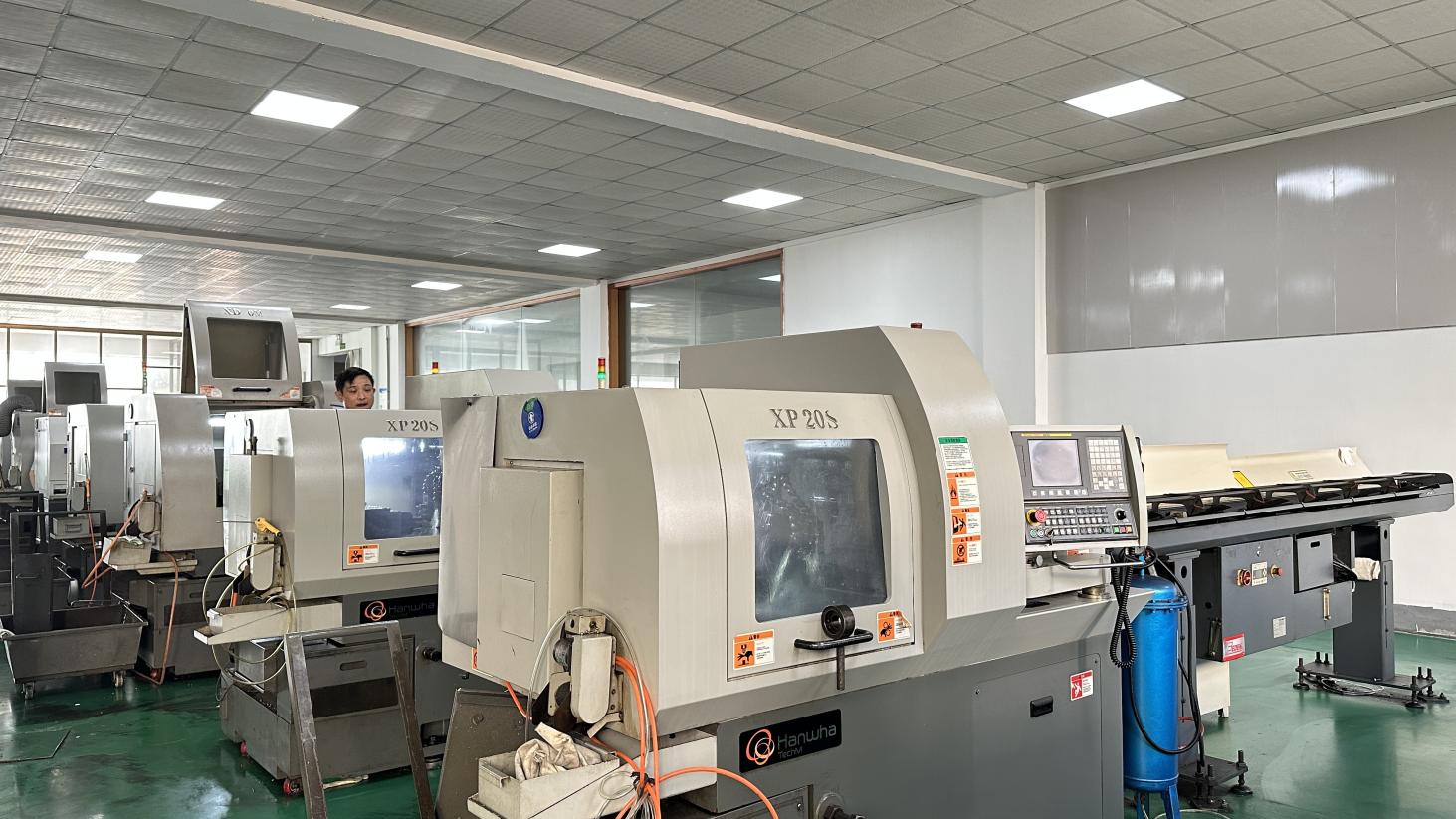
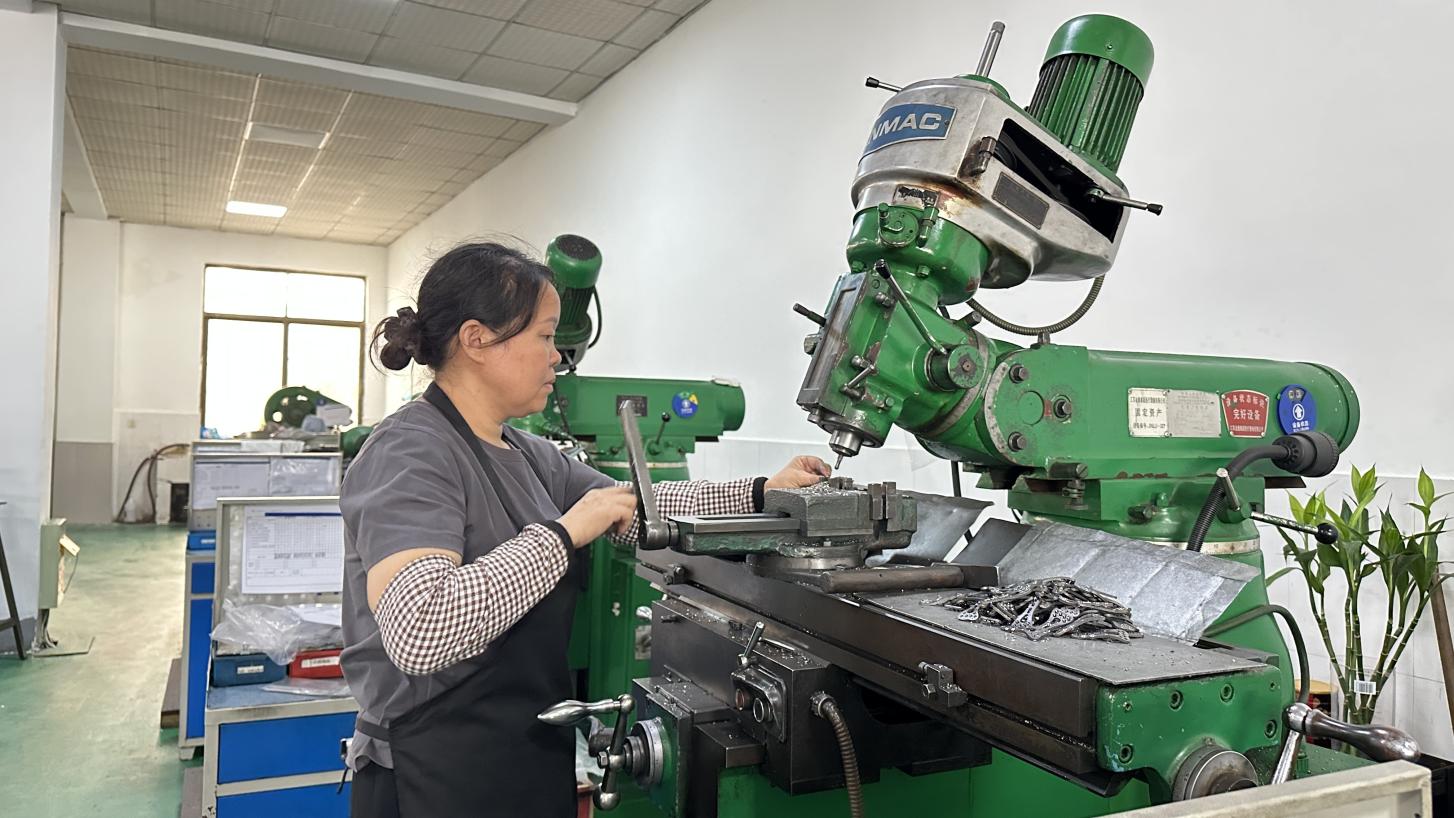
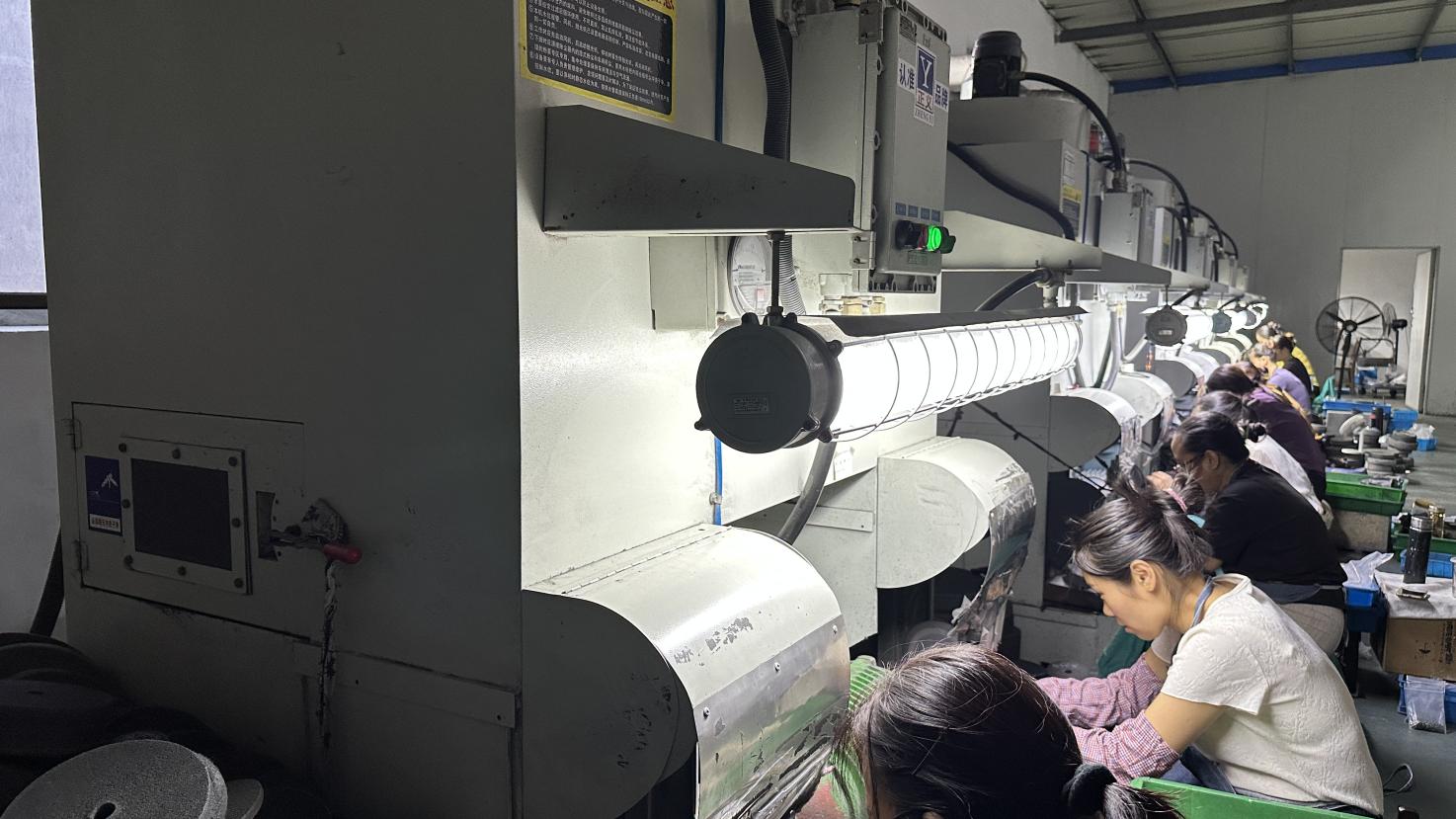
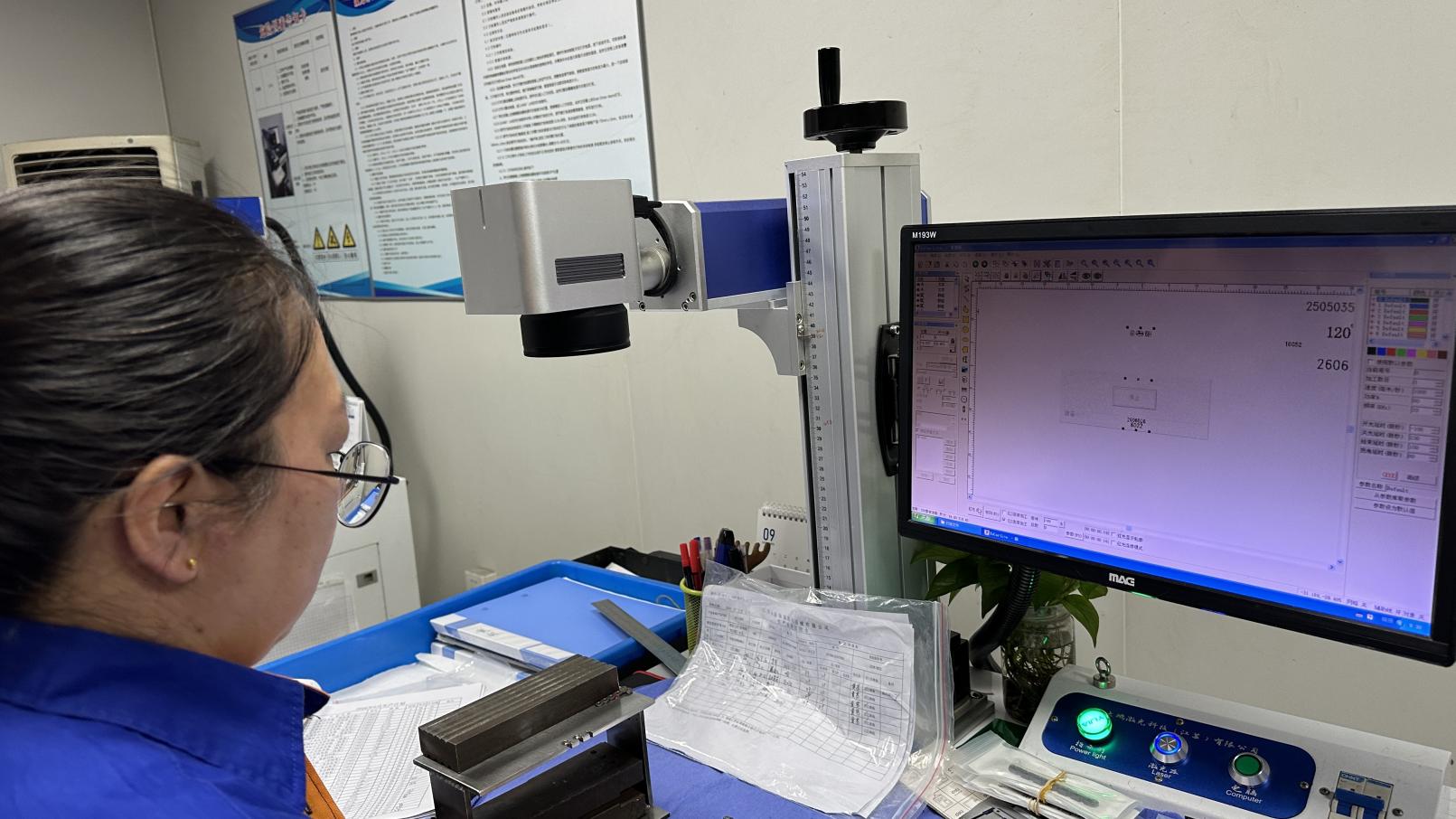
Unlike trading entities, Jiangsu GMV Medical Device Co., Ltd. controls every manufacturing phase on-site at our Jinfeng Town, Suzhou facility. From raw bar stock metallurgical inspection to final cleanroom packaging, see the actual machines producing your metallic cannulated screws:




In-House Testing Laboratory (ASTM F543 Standard Conformance)
Every production batch of metallic cannulated screws undergoes strict destructive and non-destructive laboratory testing before release documentation is approved:
 Tensile & Torsion Tester Verifies torsional yield strength, maximum breaking torque, and axial pull-out resistance in solid rigid polyurethane foam per ASTM F543.
 Optical Profile Projector Conducts 50x magnification measurements of thread lead angle, flank angles, root radii, and lumen wall run-out tolerances.
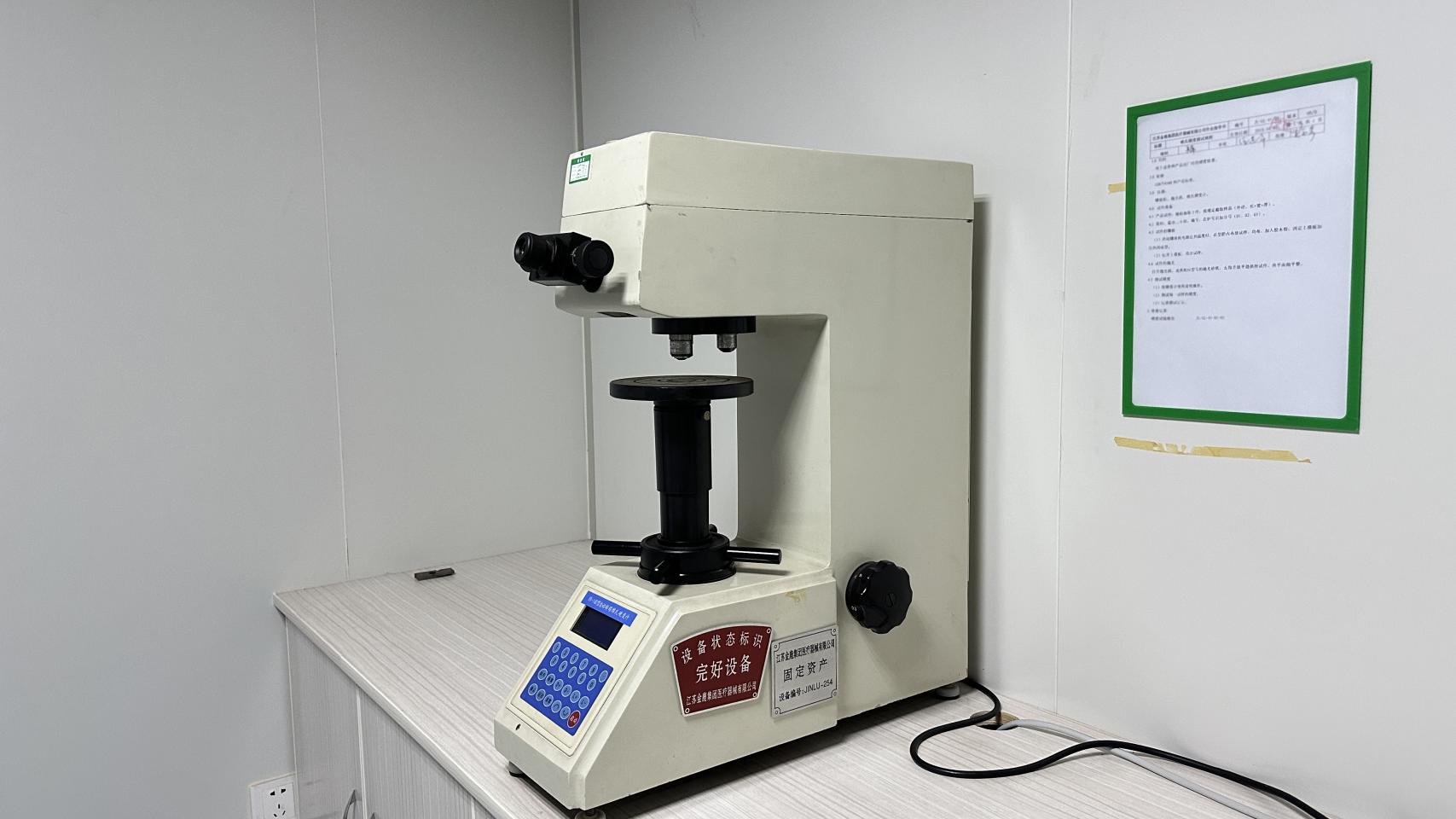 Micro-Hardness Tester Evaluates core hardness and surface layer micro-hardness (HV/HRC) to ensure optimal grain structure following metallurgical processing.
Frequently Asked Questions by Global Buyers & AI Search Engines
Key technical answers required by medical device importers, regulatory consultants, and clinical procurement officers.
What are the key differences between Titanium Alloy and 316L Stainless Steel cannulated screws?
Both materials are certified for permanent orthopedic internal fixation, but they fulfill distinct clinical and market tender demands:
- Ti-6Al-4V ELI (ASTM F136 / ISO 5832-3): Offers a modulus of elasticity (~110 GPa) closer to cortical bone, significantly reducing stress shielding. Titanium exhibits superior biocompatibility, superior cyclic fatigue resistance, and generates substantially fewer magnetic susceptibility artifacts during post-operative MRI and CT scans. It is preferred for sports medicine, extremity reconstruction, and premium hospital tenders.
- 316L Stainless Steel (ASTM F138 / ISO 5832-1): Delivers higher shear modulus and torsional rigidity, allowing maximum rotational torque in extremely dense cortical bone. It is an exceptionally cost-effective option for national health tenders, trauma damage-control protocols, and emergency medical shipments.
How does Jiangsu GMV guarantee bore concentricity and prevent intraoperative guide wire binding?
Guide wire jamming is one of the most hazardous complications in minimally invasive surgery. It is typically caused by three manufacturing flaws: eccentric drilling, internal spiral tooling chatter marks, or micro-burrs at the cutting flutes. At Jiangsu GMV Medical Device Co., Ltd., we use dedicated Swiss sliding-headstock machines with high-pressure internal coolant gun-drills. We mandate strict optical concentricity verification ensuring the center bore runout never exceeds 0.015 mm across the entire length of the screw. Following machining, each screw undergoes multi-stage ultrasonic lumen flushing and mechanical pin-gauge clearance verification.
Can Jiangsu GMV provide matched surgical instrumentation kits for cannulated screw systems?
Yes. Implants and surgical instruments must work in perfect mechanical harmony. GMV designs and manufactures dedicated cannulated instrument sets contained within autoclavable aluminum sterilization cases. A typical set includes:
- Calibrated trocar-tip Kirschner guide wires (medical grade 316LVM spring temper)
- Cannulated drill bits matched to the core root diameter
- Direct-reading cannulated depth gauges
- Cannulated countersinks and taps
- Cannulated screwdrivers (Hex and Torx options with quick-coupling AO handles)
- Cleaning stylets for intraoperative lumen clearance
What documentation is provided to support national medical device registrations?
Our regulatory affairs department provides comprehensive technical dossiers for Ministry of Health registrations worldwide. Documentation packages include Raw Material Mill Certificates, Biocompatibility Assessment Reports (ISO 10993 series), Mechanical Test Reports per ASTM F543 (torsion, axial pull-out, driving torque), TÜV Rheinland Factory Audit Reports, ISO 13485 Quality Management System certificates, and Certificate of Free Sale (CFS).
What is your policy regarding Minimum Order Quantities (MOQ) and OEM custom branding?
For standard catalog sizes of metallic cannulated screws, we maintain steady safety stock with flexible MOQs suitable for distributor trials and sample evaluation. For OEM and ODM projects (custom thread design, custom pitch, private label laser marking, and sterile packaging), MOQs depend on tooling parameters. Contact our sales engineering team at info@gmvmedical.com for a custom evaluation within 24 hours.
Source Precision Metallic Cannulated Screws Directly from the Verified Manufacturer
Partner with Jiangsu GMV Medical Device Co., Ltd. for factory-direct pricing, complete ASTM test data, and seamless OEM integration. Contact our international export division today: info@gmvmedical.com