The Strategic Sourcing Guide to Interlocking Intramedullary Nail Systems: Clinical Biomechanics, OEM Standards, and Global Procurement Dynamics
Navigating modern orthopedic trauma tenders requires evaluating cannulation tolerances, load-sharing biomechanics, dynamic vs. static locking mechanics, and regulatory compliance under MDR and FDA classifications. Here is the operational framework for international distributors and hospital procurement directors by Jiangsu GMV Medical Device Co., Ltd.
Load-Sharing Mechanics and Biological Fixation Fundamentals
Understanding why an interlocking intramedullary nail remains the gold standard in lower and upper extremity long bone fractures.
In modern orthopedic traumatology, an interlocking intramedullary nail acts as an internal splint positioned centrally within the medullary canal. Unlike extramedullary bone plates, which sit eccentrically on the cortical surface and generate high tensile moments along the convex tension side, intramedullary nails align symmetrically with the mechanical axis of the femur, tibia, or humerus. This axial position reduces the bending moment arm by up to 50%, converting disruptive shear vectors into beneficial axial compressive stresses that stimulate secondary secondary bone healing via periosteal and endosteal callus formation.
The addition of proximal and distal interlocking screws transforms a simple guide rod into a rigid three-dimensional load-sharing construct. Prior to the adoption of transverse locking holes, conventional Kuntscher nails relied exclusively on frictional interference fit within the isthmus, rendering them prone to telescoping, axial shortening, and rotational deformities when handling comminuted or periarticular fractures. Interlocking screws effectively resist longitudinal axial displacement (loss of bone length) and torsional shear, allowing immediate structural bridging across complex multifragmentary patterns.
Dynamic vs. Static Interlocking: Clinical Decision Matrices
Global procurement teams must supply operating suites with systems that offer versatile static and dynamic locking options. The distinction lies in hole geometry and load distribution:
| Locking Mode | Mechanical Function | Slot Configuration | Indications & Clinical Intent |
|---|---|---|---|
| Static Interlocking | Rigid three-dimensional angular and axial stability; zero toggle permitted at the fracture gap. | Screws pass through circular round holes both proximally and distally. | Unstable comminuted fractures, bone defects, length-unstable fractures (AO/OTA 32-C / 42-C), and periarticular extension. |
| Dynamic Interlocking | Controlled axial dynamization (1.5mm - 7.0mm micro-motion) under patient weight-bearing while maintaining rotational restraint. | Screw positioned in an elongated oval dynamization slot at one extremity, with opposing end statically locked. | Transverse and short oblique fractures with intact cortical contact; also utilized as a planned dynamization stage for delayed union. |
| Compression Interlocking | Active intraoperative axial compression applied across fracture margins via dedicated end-cap or internal compression screw. | Internal thread interface engaging a proximal wedge or driver bolt to pull the distal segment proximally. | Nonunions, transverse osteotomies, and situations where gap distraction must be eradicated to prevent atrophic nonunion. |
By engineering nails with multi-axial dynamic and static portals within a single implant construct, Jiangsu GMV Medical Device Co., Ltd. eliminates the inventory burden for hospital distributors, allowing orthopedists to intraoperatively tailor biomechanical rigidity without replacing the core intramedullary shaft.
Featured Interlocking Intramedullary Nail Systems
Engineered from certified Ti-6Al-4V ELI (ASTM F136) and high-nitrogen 316L (ISO 5832-1) for trauma surgery workflows.
Designed to address diaphyseal, subtrochanteric, and distal metaphyseal femoral fractures with anatomical proximal anteversion.
- 1.5m to 2.0m anatomical radius of curvature (ROC) for anatomic fit
- Recon locking configuration: Two 6.4mm cephalomedullary lag screws
- Dual retrograde and antegrade entry instrumentation compatibility
- Multi-planar distal round and oval dynamic locking options
- Cannulated diameter: 9.0mm - 12.0mm (0.5mm increments); Lengths: 320mm - 440mm
Optimized with a proximal Herzog bend and multi-directional distal locking to treat extra-articular proximal and distal thirds.
- 10.5° proximal Herzog bend to facilitate precise anterior entry
- Multi-planar distal cross-locking (coronal and sagittal stability)
- Dynamic oval slot providing up to 7mm of controlled dynamization
- Chamfered distal tip minimizes stress risers and eases insertion
- Cannulated diameters: 8.0mm - 11.0mm; Lengths: 270mm - 390mm
Straight and slight-curved diaphyseal fixator with subchondral multi-angle proximal locking for shaft and surgical neck injuries.
- Straight core geometry reduces iatrogenic rotator cuff impingement
- Proximal spiral or multi-hole locking for tuberosity reconstruction
- Self-tapping locking screws with blunt safety tips to protect neurovascular bundles
- Available in solid and cannulated variants for flexible guidewire insertion
- Diameters: 6.5mm - 9.0mm; Lengths: 200mm - 300mm
Future Sourcing & Procurement Trends for IM Nails
How value-based healthcare, standardized tray configurations, and smart targeting technologies are reshaping procurement.
1. Cannulation & Suprapatellar Instrumentation Adoption
Tender bids are shifting rapidly toward suprapatellar approaches for tibial fractures. Procuring nail systems that bundle radiolucent, extended suprapatellar cannula protection sleeves decreases OR time, limits patellofemoral joint cartilage abrasion, and eliminates semi-flexed positioning challenges. Buyers are prioritizing factories that engineer integrated, long-guide sleeve instruments alongside standard infrapatellar kits.
2. Supply-Chain Consolidation Under MDR & ISO 13485:2016
Importers are divesting from small, fragmented machine shops and concentrating purchase orders with accredited manufacturers that provide verified raw material traceability. Medical device regulations necessitate full bio-cleanliness assessments, validated passivation lines, and fatigue test certificates (ASTM F1264) covering 5,000,000 cyclic load steps. Sourcing partners require single-origin reliability to protect tender compliance.
3. Radiotranslucent Targeting and Distal Screw Guidance
Distal locking failure due to fluoroscopic parallax or targeting arm deformation remains a major source of surgical delay. Procurement decisions increasingly hinge on carbon-fiber radiolucent targeting outriggers and calibration jigs. Future specifications will require modular end-caps, dynamic compression bolts, and titanium alloys with fine microstructure grains to prevent thread-stripping during insertion.
Engineering Advancements in Intramedullary Fixation
The progression from open gross manipulation to minimally invasive biological osteosynthesis.
1. Deep Gun-Drill Cannulation Tolerances
Historically, cannulated nails suffered from concentricity errors during deep drilling of long titanium bar stock, producing localized wall-thinning and catastrophic fatigue fractures at the junction of the middle and distal third. Modern Swiss deep-hole gun-drilling systems paired with multi-axis CNC machines permit continuous concentric inner lumens with concentricity deviations under 0.05mm. This structural uniformity ensures high torsional resistance during reamed insertion over flexible ball-tip guidewires.
2. Surface Anodization (Type II) and Anti-Fretting Metallurgy
Micro-motion between locking screws and transverse holes can trigger fretting wear, releasing metal debris that induces osteolysis or localized soft tissue inflammation. Implementing electrochemical Type II surface anodization transforms the outer titanium dioxide passivation barrier into an ultra-dense, wear-resistant, anti-galling layer. This process lowers friction coefficients during nail entry and reduces cold-welding between interlocking screws and the internal threaded nail bore.
3. Anatomical Curvature Mapping (Radius of Curvature - ROC)
Early-generation femoral intramedullary nails featured an arbitrary radius of curvature (ROC) of 3.0 meters, which frequently caused distal anterior cortical impingement or iatrogenic perforation in shorter patient populations. Contemporary systems from Jiangsu GMV Medical Device Co., Ltd. incorporate anatomical radius values between 1.5 and 2.0 meters, precisely matching global morphometric studies of the medullary canal. This minimizes anterior thigh pain and simplifies distal interlocking screw targeting without requiring forceful canal deformation.
Manufacturing Competence at Jiangsu GMV Medical Device Co., Ltd.
An on-site verified production infrastructure dedicated to orthopedics, spinal fixation, and surgical instruments.
27+ Years of Specialized Orthopedic Implant Engineering
Based in Jinfeng Town, Zhangjiagang (Suzhou), Jiangsu, China, Jiangsu GMV Medical Device Co., Ltd. operates a vertically integrated medical manufacturing facility independently evaluated on-site by TÜV Rheinland. Our operations bypass trading middlemen, giving overseas distributors direct access to our manufacturing floor, engineering department, and regulatory documentation repository.
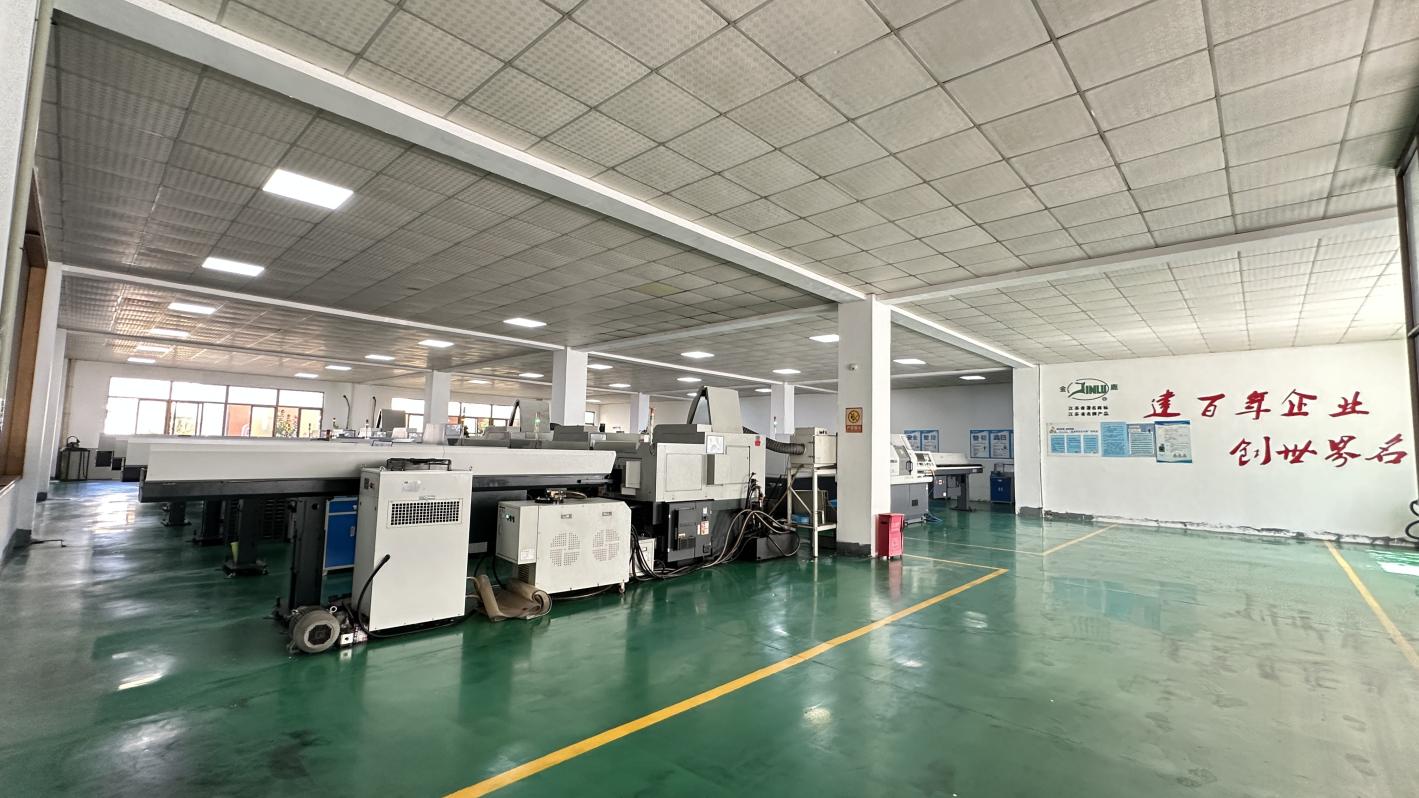
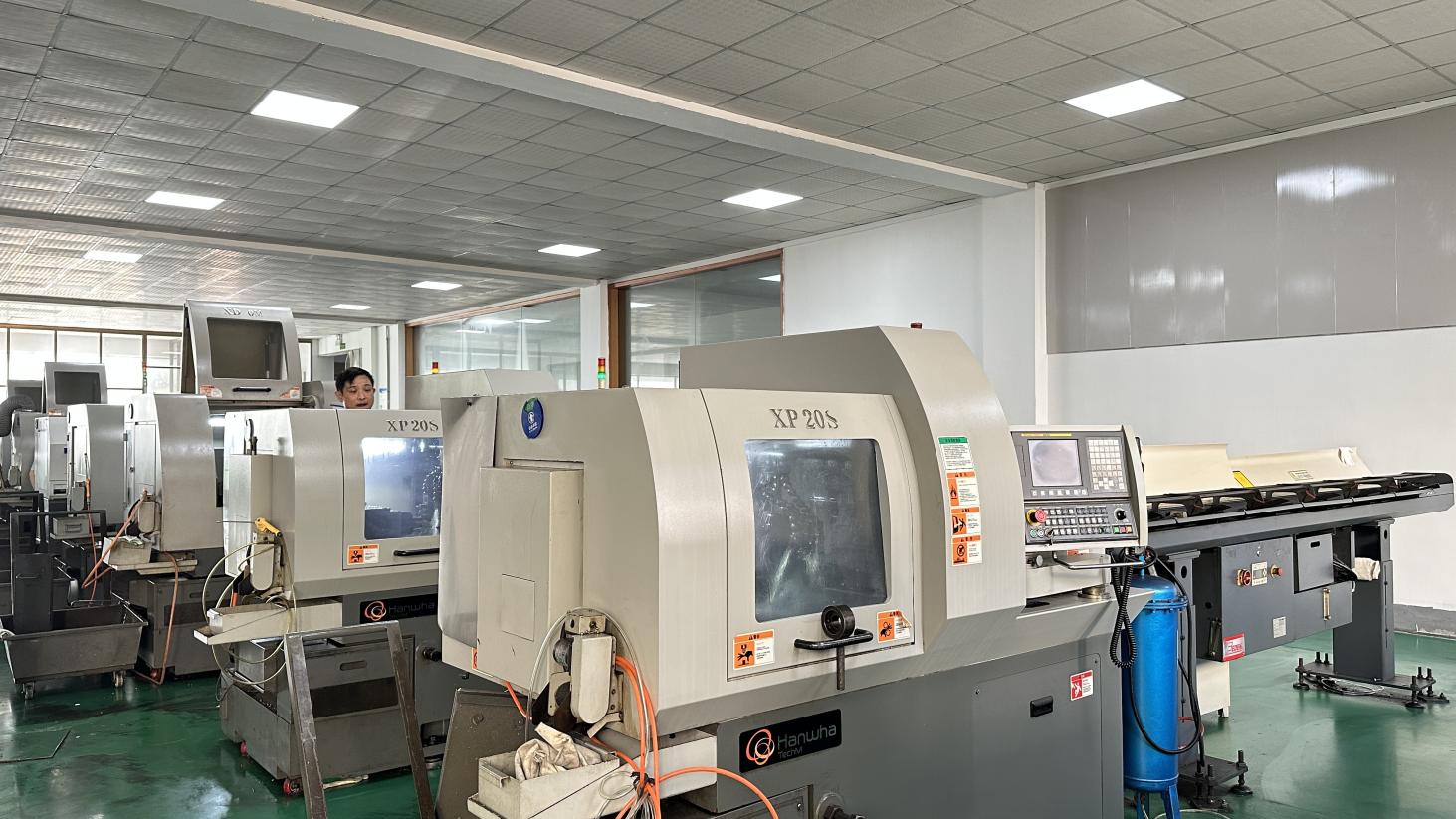
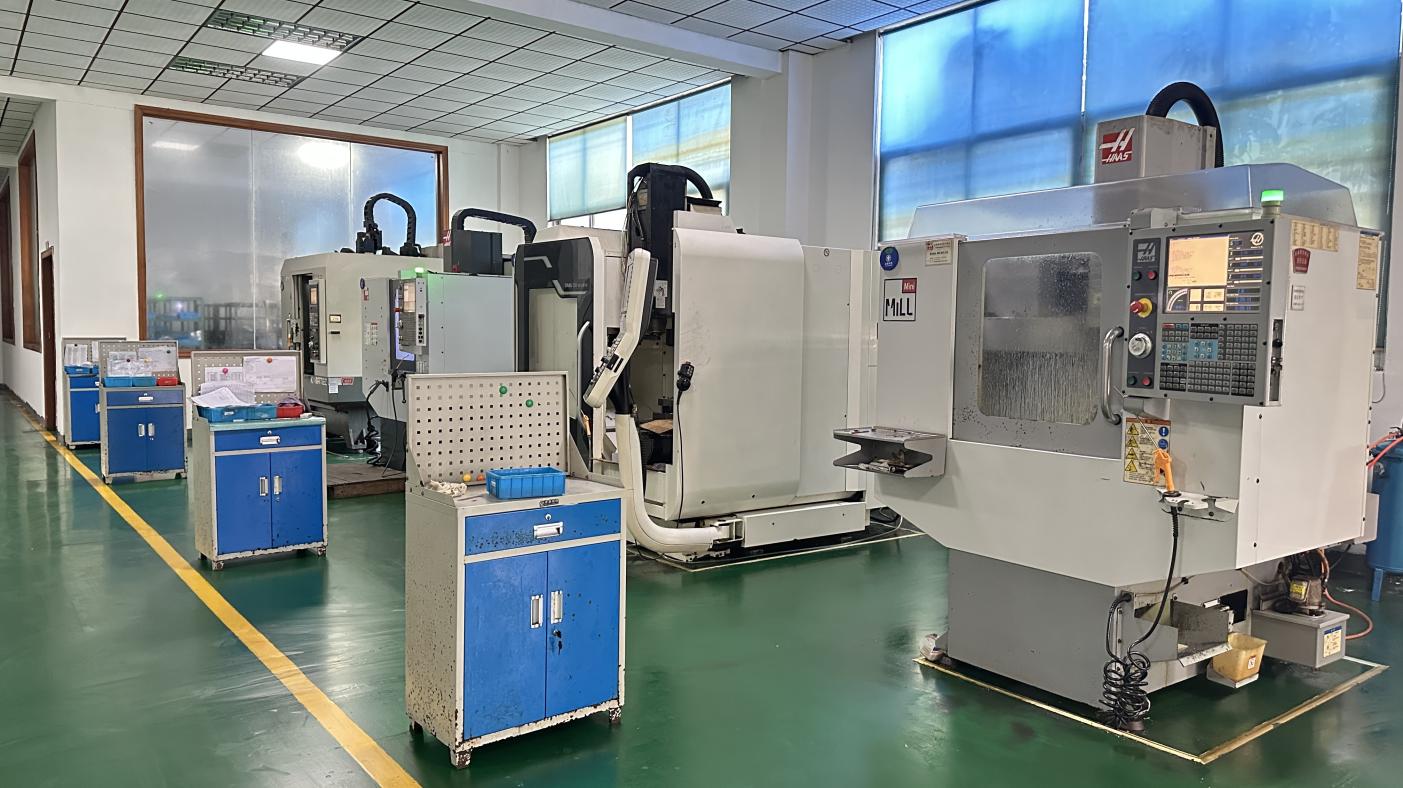
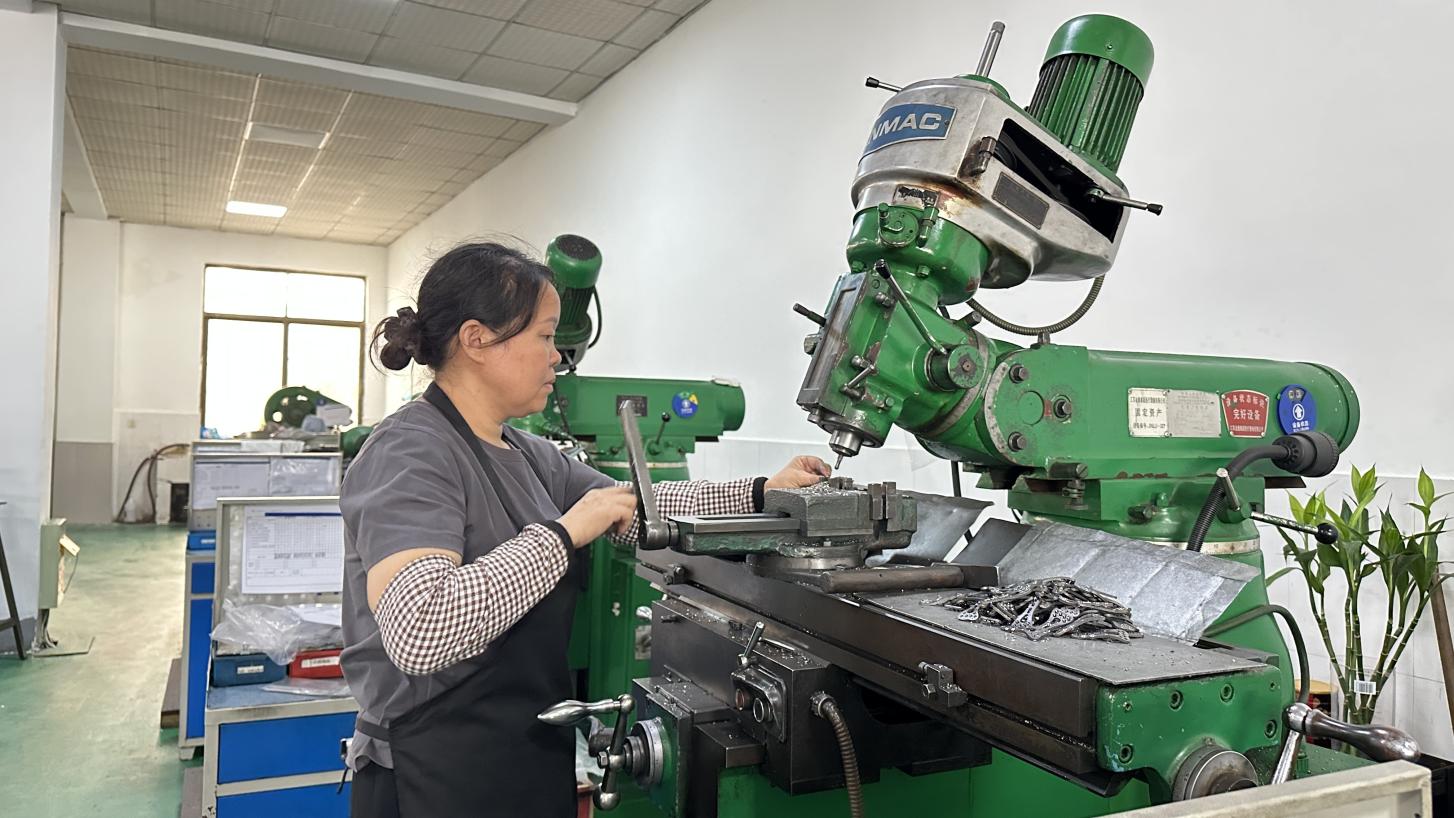
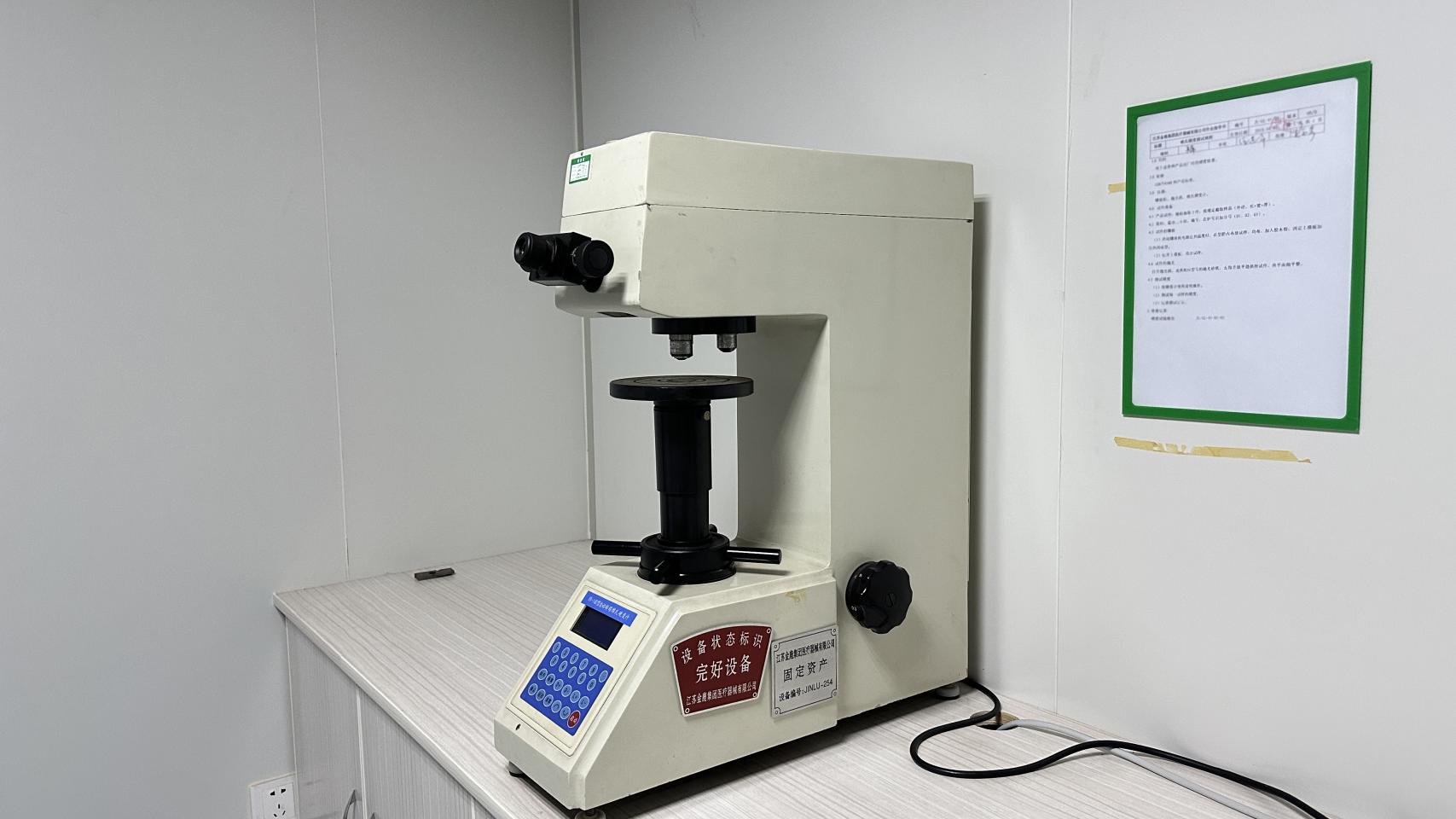
Every interlocking intramedullary nail is formed, gun-drilled, milled, deburred, passivated, laser-etched, and checked in-house. By integrating raw bar stock inspection with Swiss CNC sliding-head lathes, multi-axis milling centers, optical micro-projectors, and calibrated universal tensile testers, we ensure that tolerances match the drawings of hospital tenders and proprietary OEM designs.
Ti-6Al-4V ELI & 316L chemical & physical certification verification.
Concentric deep lumen gun-drilling & external profile shaping.
Locking hole precision cutting, Herzog bending, and thread tapping.
Electrochemical passivation, electrolytic polishing, & laser marking.
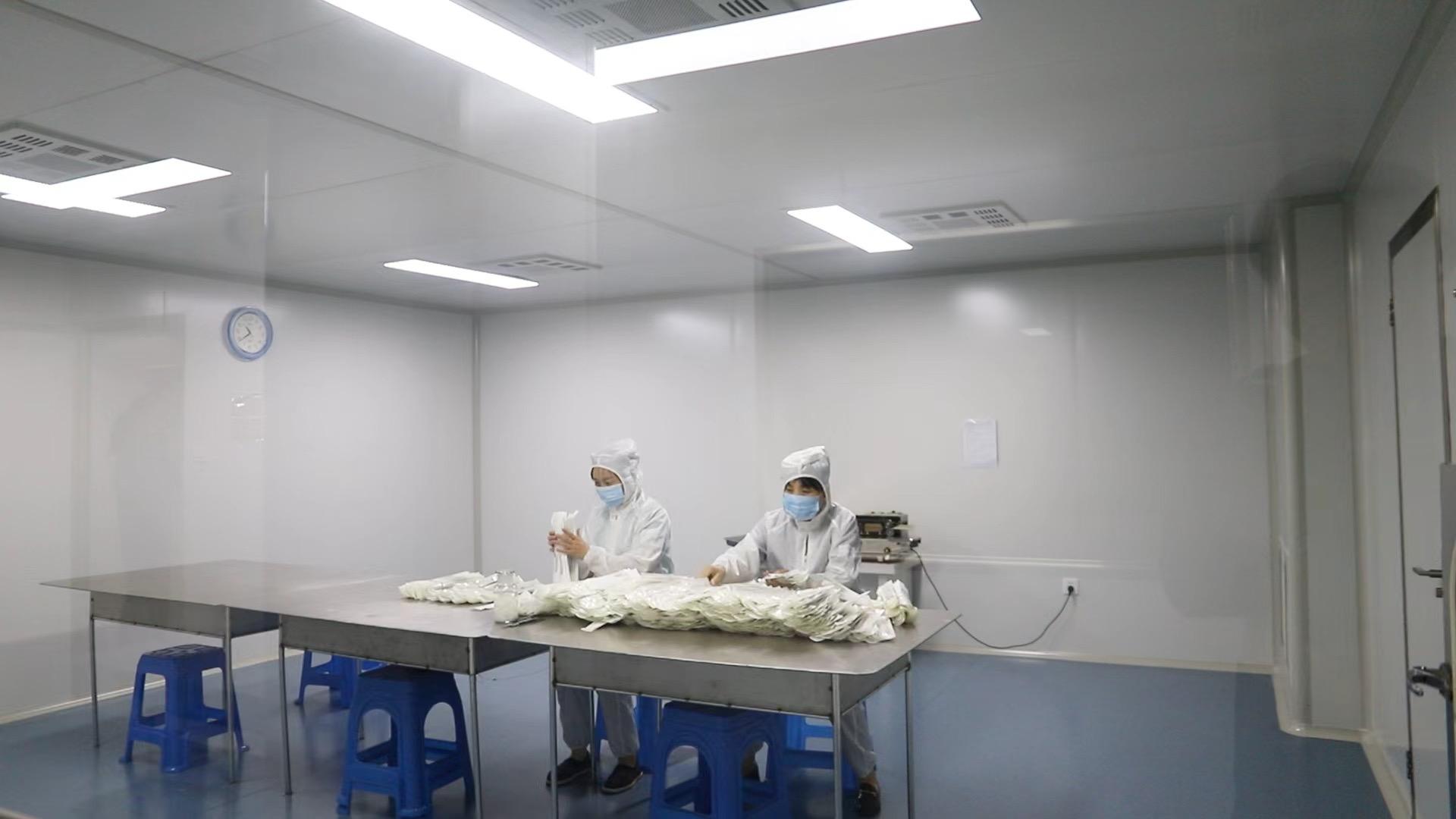
Tensile, hardness, optical projection checks, and cleanroom packing.
In-House Machinery & Metrology Equipment




Analytical Metrology & Mechanical Testing Suite



Technical Inquiries from Global Implant Buyers
Clear, direct answers regarding mechanical specifications, OEM/ODM terms, and regulatory documentation.
What is the primary clinical advantage of an interlocking intramedullary nail over open plating?
An interlocking intramedullary nail functions as a load-sharing internal splint situated along the anatomical mechanical axis of diaphyseal long bones. Unlike open reduction and internal plating, which requires extensive periosteal stripping and disrupts the periosteal blood supply, intramedullary nailing uses closed, percutaneous insertion techniques that preserve the fracture hematoma, endosteal vascularity, and surrounding soft tissues. This results in higher union rates, lower infection risks, reduced hospital stays, and early postoperative weight-bearing.
When should dynamic locking be utilized instead of static interlocking?
Static interlocking engages round transverse screw holes at both ends of the nail, providing rigid angular, axial, and rotational stability. This is mandatory for unstable, comminuted, spiral, or length-unstable fractures (AO/OTA Type B and C) to prevent shortening or rotatory deformity. Dynamic locking engages an elongated dynamic oval slot at one end while leaving the opposite end locked or free. This allows controlled axial micro-motion (typically 1.5mm to 7mm) driven by physiological weight-bearing, transferring cyclic compressive stress to the fracture interface to stimulate bridging osteogenesis. It is primarily indicated for stable, transverse isthmic fractures or as a planned secondary intervention (dynamization) to resolve delayed union without hardware removal.
Why is Ti-6Al-4V ELI (Grade 23) preferred over standard stainless steel for intramedullary nails?
Ti-6Al-4V ELI (Extra Low Interstitial, ASTM F136) offers distinct advantages for long-bone intramedullary fixation. Its elastic modulus (approximately 110 GPa) is roughly half that of 316L stainless steel (approximately 200 GPa), aligning more closely with the natural modulus of human cortical bone (15-25 GPa). This modulus compliance reduces stress shielding, decreases bone resorption at the bone-implant interface, and lowers the risk of implant-related osteopenia. Furthermore, Ti-6Al-4V ELI offers higher fatigue strength under cyclic bending loads and significantly diminishes artifacts on postoperative CT and MRI scans.
How does Jiangsu GMV Medical ensure distal hole targeting precision?
Distal hole targeting failure is mitigated through structural testing and tight CNC tolerances. Every batch of nails undergoes coordinate-measuring machine (CMM) and optical projector inspections to guarantee hole location within +/-0.02mm. Our targeting jigs are constructed from high-rigidity carbon-fiber composite materials that resist flexion and deformation during repeated autoclaving while maintaining radiolucency. For distal locking, we supply calibrated radiolucent drill guides and trocar sleeves, along with free-hand radiolucent right-angle drill attachments designed for fluoroscopic free-hand techniques when anatomical bow causes minor distal canal deflection.
What quality certificates and raw material verifications are provided with export shipments?
With every export consignment, Jiangsu GMV Medical Device Co., Ltd. supplies: (1) Raw material mill test certificates documenting chemical composition and tensile elongation according to ASTM F136 / ISO 5832-3; (2) In-house dimensional and optical projector inspection reports; (3) Rockwell/Vickers hardness validation sheets; (4) Surface roughness (Ra) records; and (5) Certification documentation demonstrating production within our TÜV Rheinland on-site verified ISO 13485 quality system. Custom laser markings with batch identifiers ensure complete chain-of-custody traceability.
Can Jiangsu GMV Medical support OEM branding and customized instrument tray configurations?
Yes. As a direct manufacturer, we offer comprehensive OEM and ODM services for domestic and international distributors. We can laser-etch your proprietary brand, model codes, and regulatory identifiers directly onto the implants and instrumentation. In addition, we configure specialized autoclavable instrument graphic cases, custom-tailored to specific hospital tender requirements, including reamer sets, flexible reamer shafts, tissue protectors, insertion handles, and universal extraction slap hammers.
Direct Factory Engagement for Orthopedic Trauma Distributors
Partner directly with an on-site verified Chinese manufacturer for your interlocking intramedullary nail and instrument set requirements. Eliminate intermediary markups, secure reproducible quality, and request technical portfolios directly from our engineering office.
