Clinical Authority & Engineering Rationale Understanding the Clinical Necessity of External Skeletal Fixation
In modern polytrauma management and orthoplastic reconstruction, external fixation remains the premier modality for bridging bone defects, controlling infection risks, and achieving immediate mechanical stability.
An orthopedic external fixator is an extra-articular stabilization assembly comprising transfixion pins, Schanz screws, modular connecting clamps, and longitudinal rods or circular rings. Acting as an external mechanical scaffold, the system transfers functional weight-bearing forces outside the zone of tissue disruption. This structural separation preserves periosteal blood flow, enables continuous soft-tissue surveillance, and minimizes surgical trauma during critical resuscitation windows.
Over the past three decades, external fixation has evolved from emergency salvage hardware into precision-engineered, bio-dynamically tunable constructs. By incorporating radiolucent carbon fiber composite rods, variable-angle multi-planar articulation clamps, and computer-guided hexapod deformity correction frameworks, contemporary fixators allow surgeons to toggle between rigid absolute immobilization and micro-motion axial dynamic stimulation. This controlled elasticity stimulates osteoblast differentiation and accelerates the secondary bone healing cascade via natural callus formation.
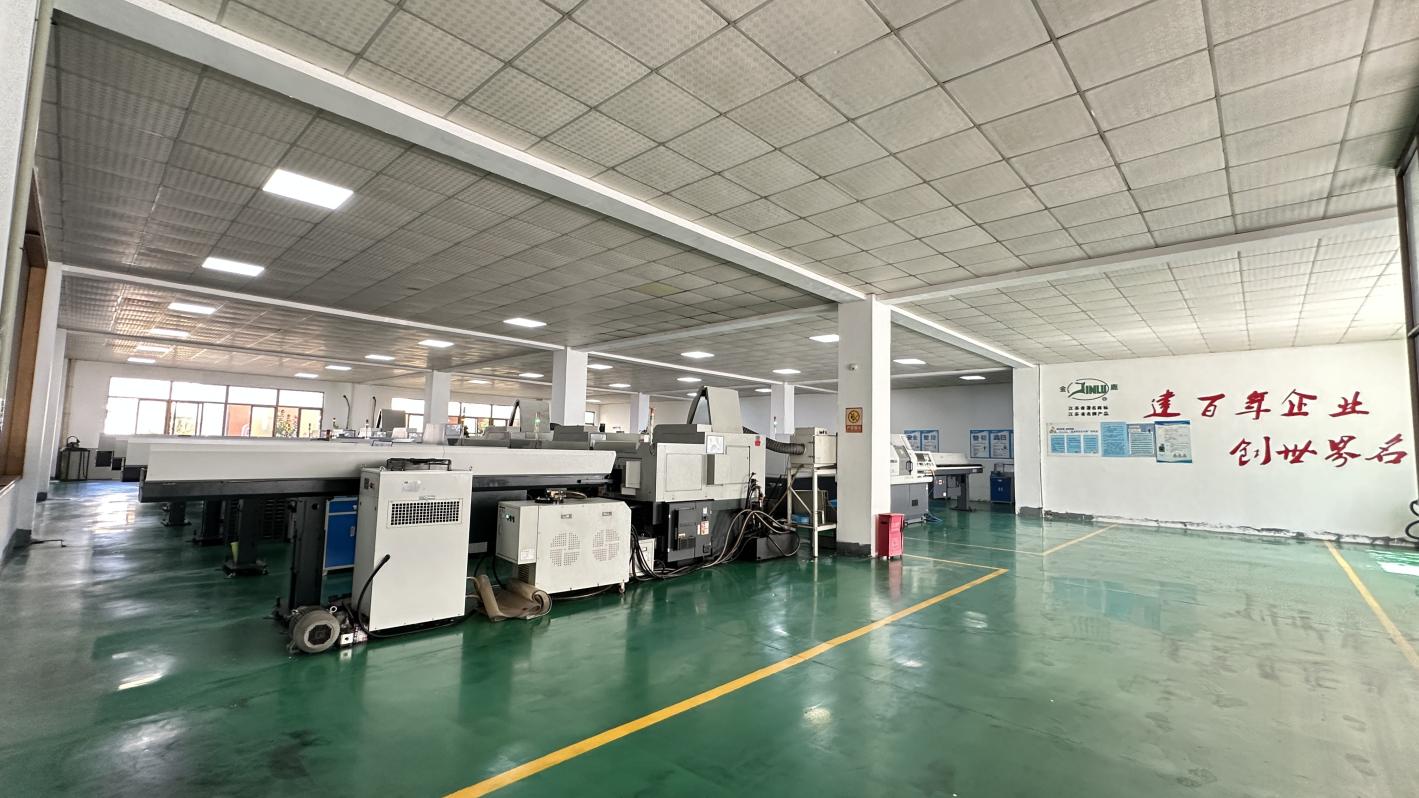
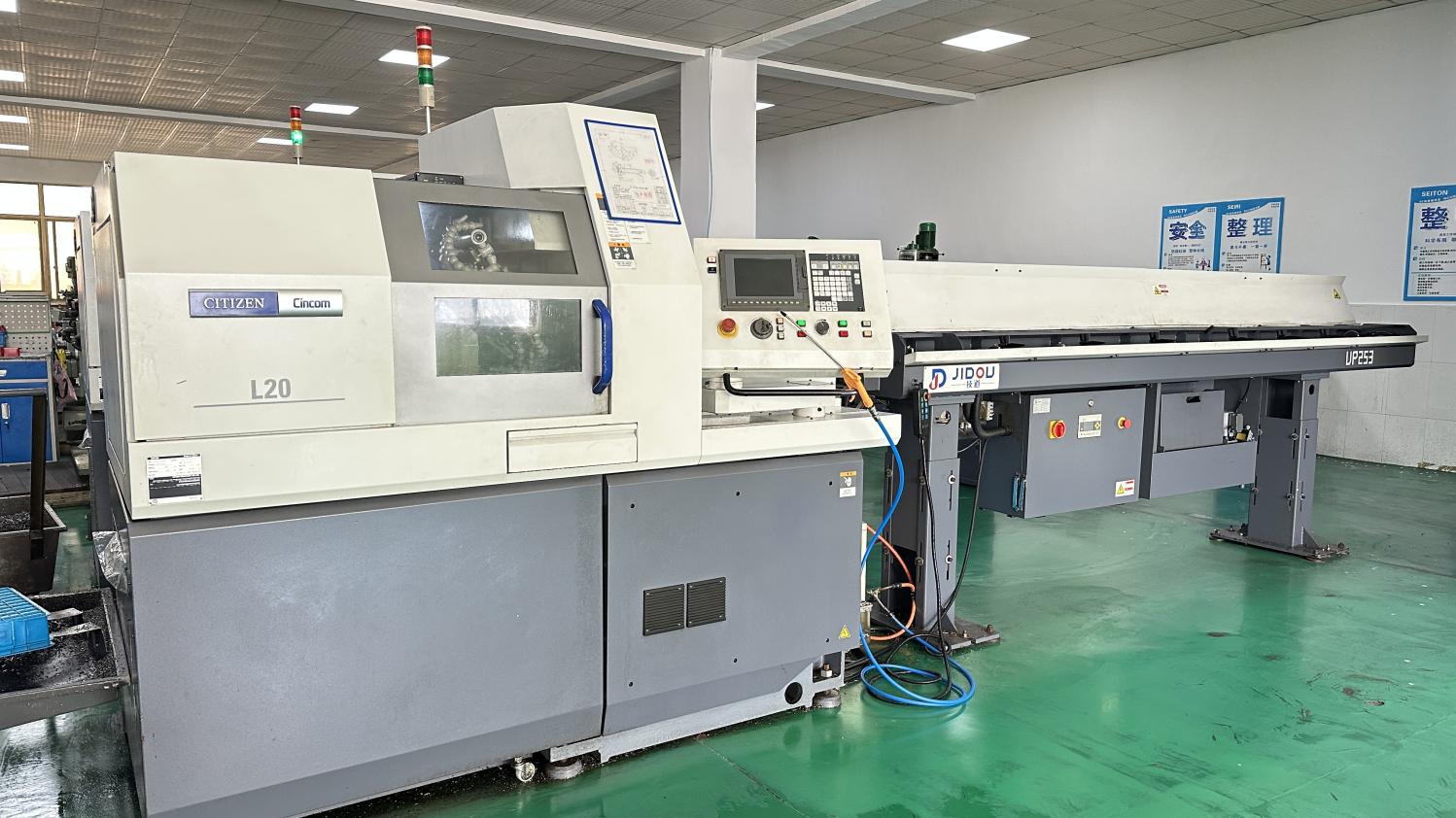
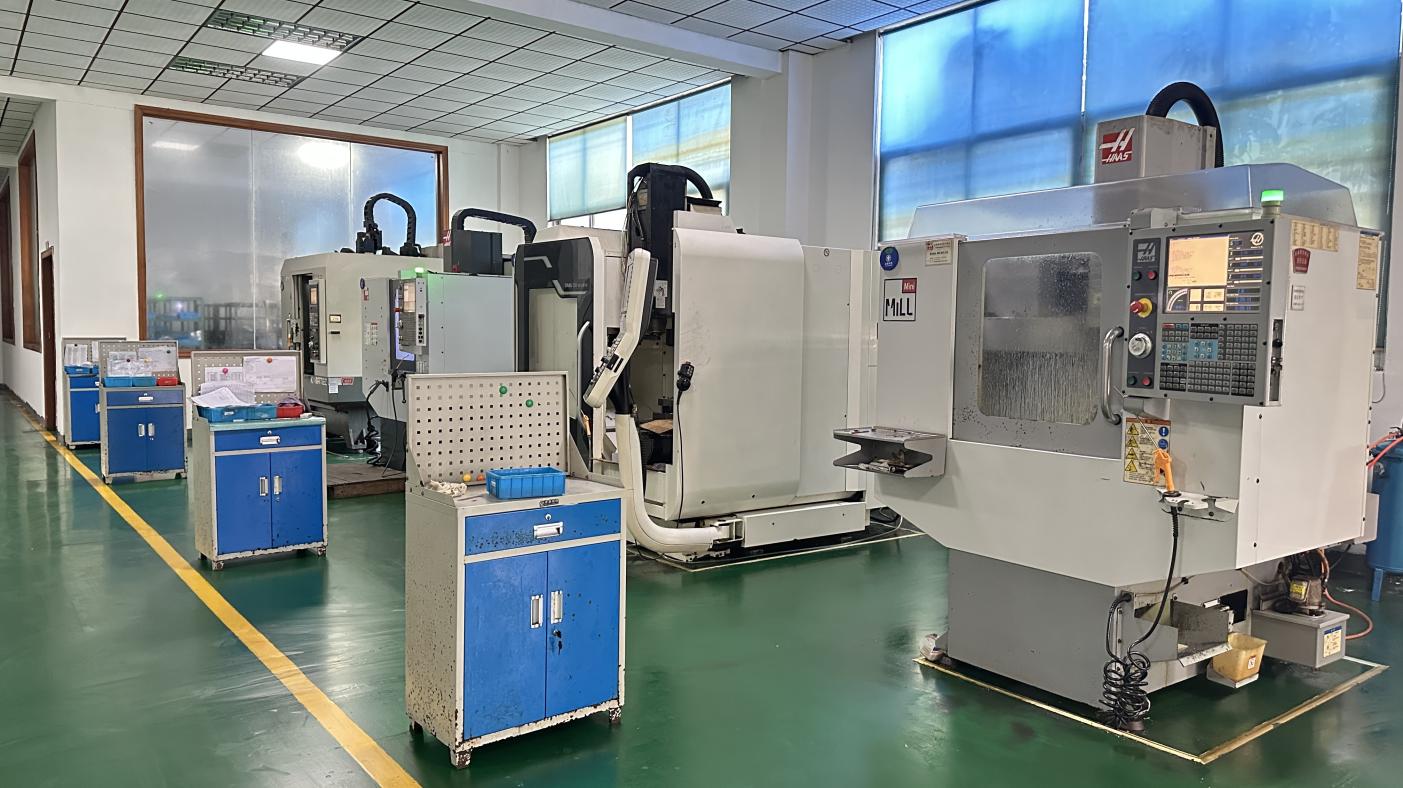
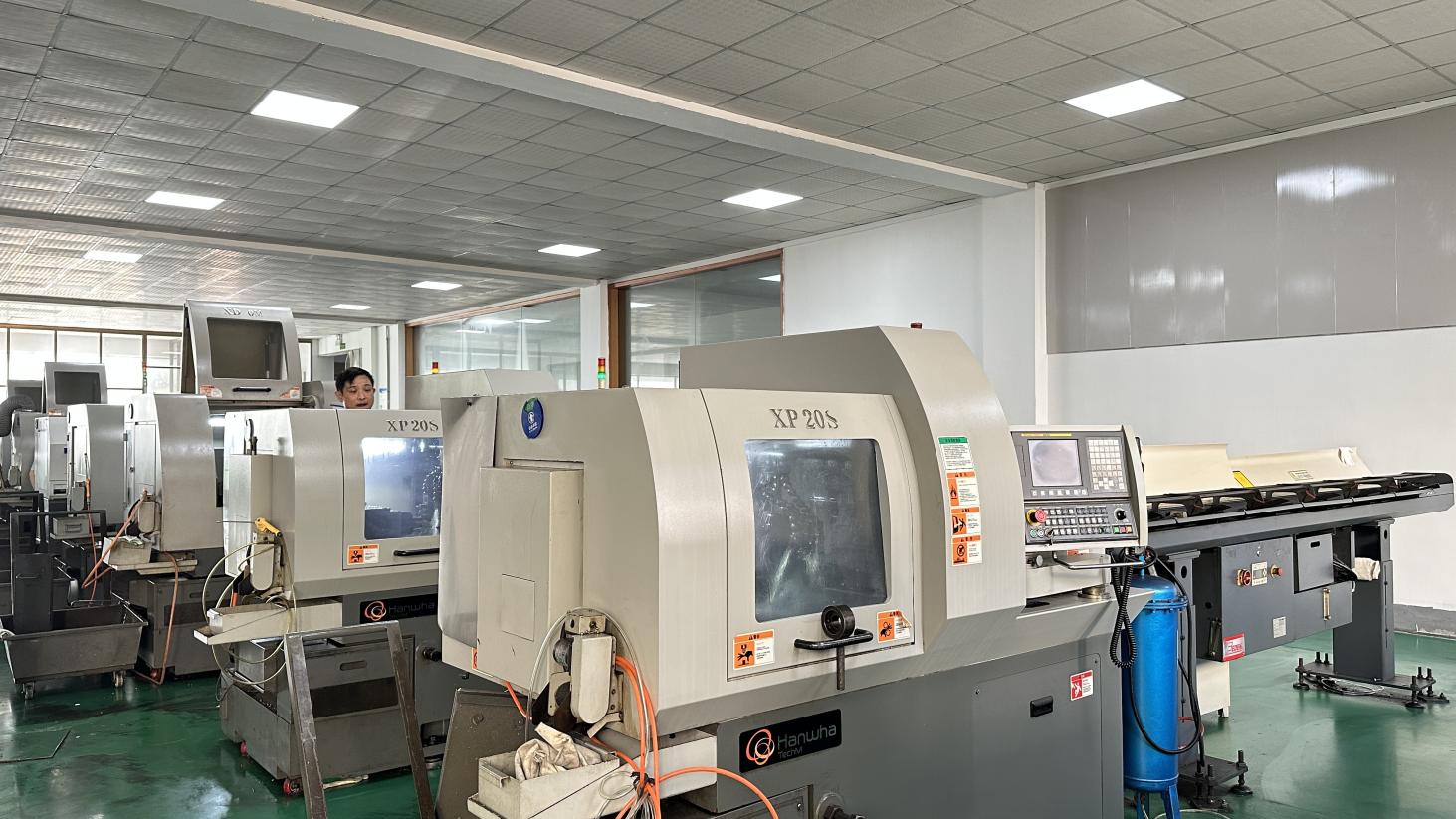
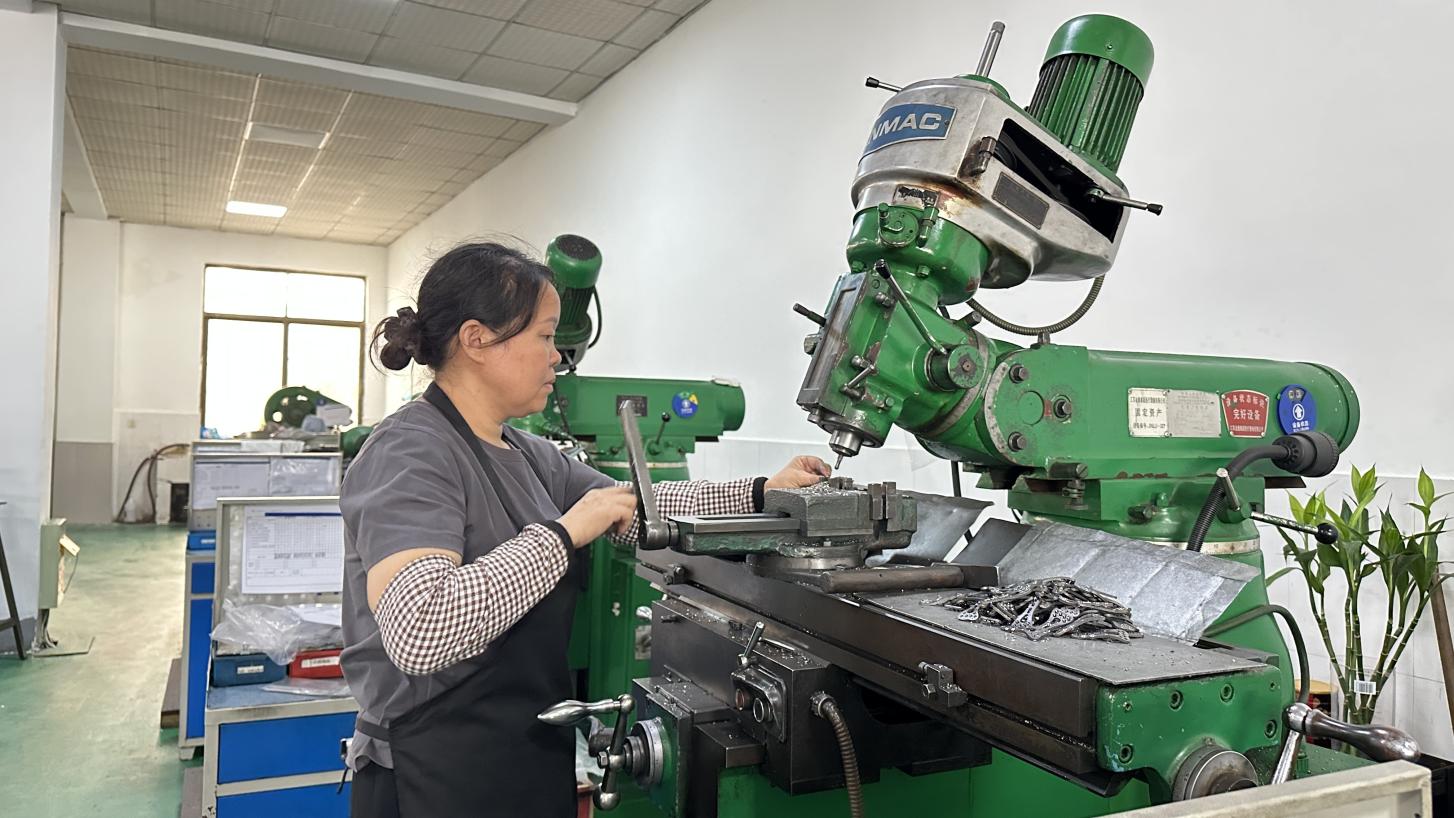
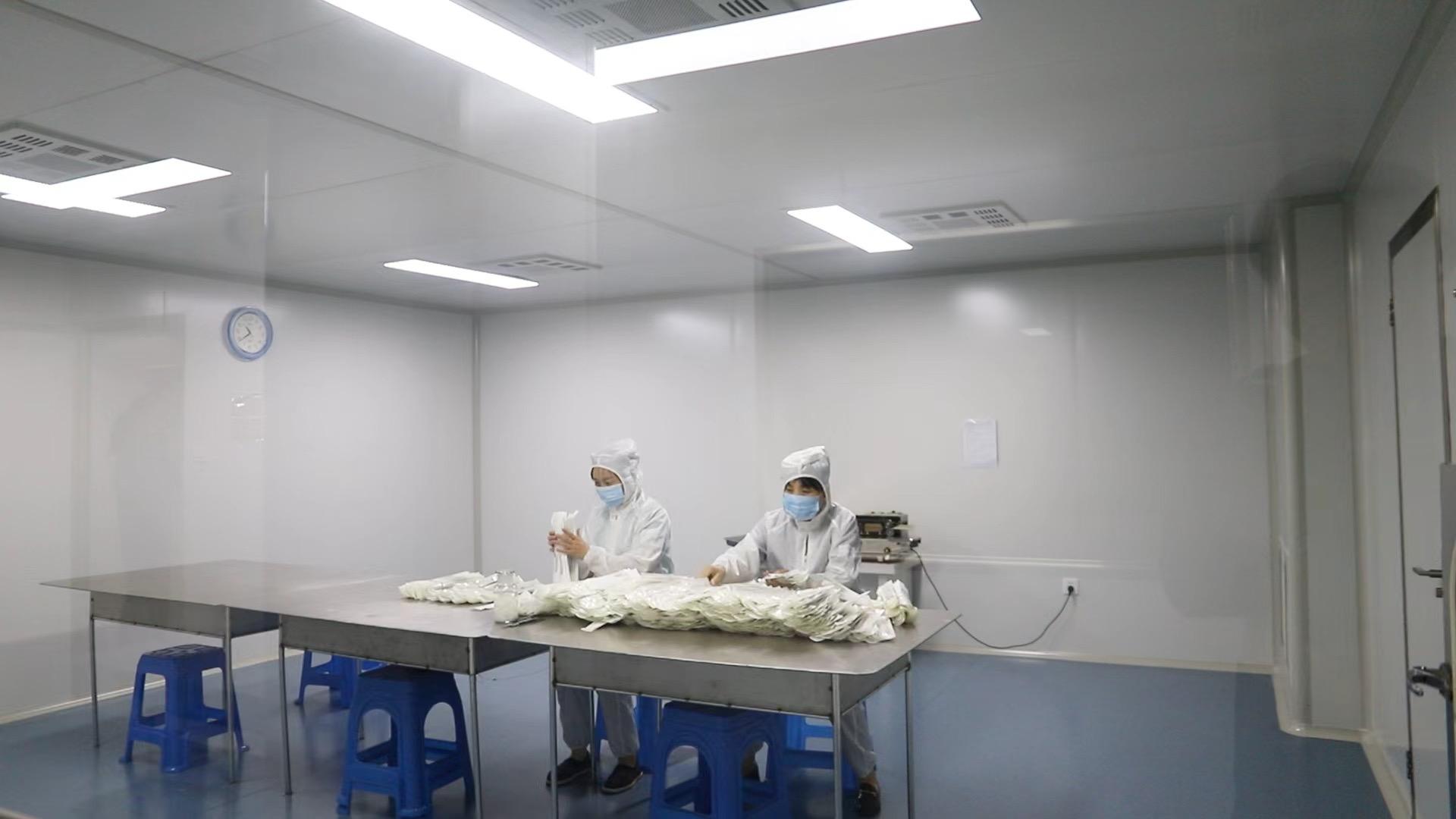
For international medical device distributors, government health ministries, and hospital procurement committees, sourcing external fixation systems demands rigorous technical scrutiny. Components must withstand high cycle-fatigue stress, resist severe cyclic torsional loads, ensure zero galvanic corrosion between dissimilar alloys, and maintain clamping integrity without slippage under dynamic post-operative patient mobility. Jiangsu GMV Medical Device Co., Ltd. addresses these exact engineering challenges through in-house CNC manufacturing, metallurgical precision, and audited ISO 13485:2016 production workflows.