Multi-Axial Locking Plate System engineering by Jiangsu GMV Medical Device Co., Ltd.
Trauma Fixation Innovation

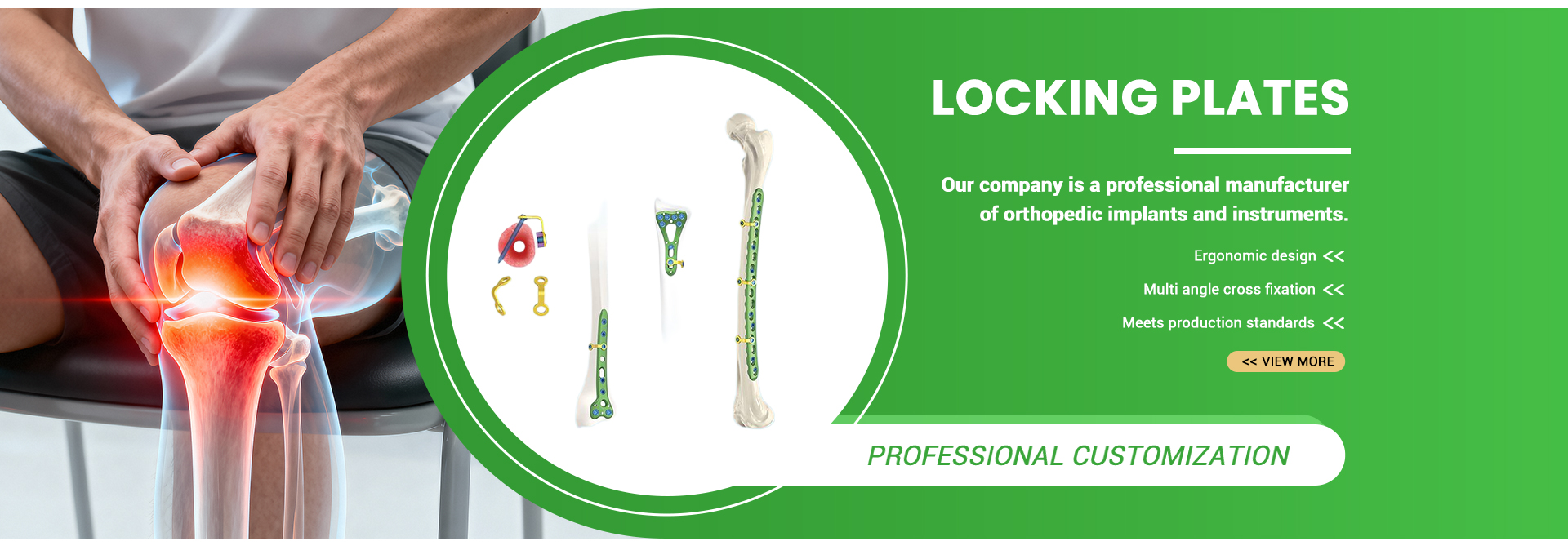
Multi-Axial Locking Plate System: Next-Gen Variable-Angle Fixation

Empowering surgeons with +/-15° polyaxial trajectory freedom and fixed-angle construct rigidity. Engineered by Jiangsu GMV Medical Device Co., Ltd. for clinical excellence and global distributor profitability.

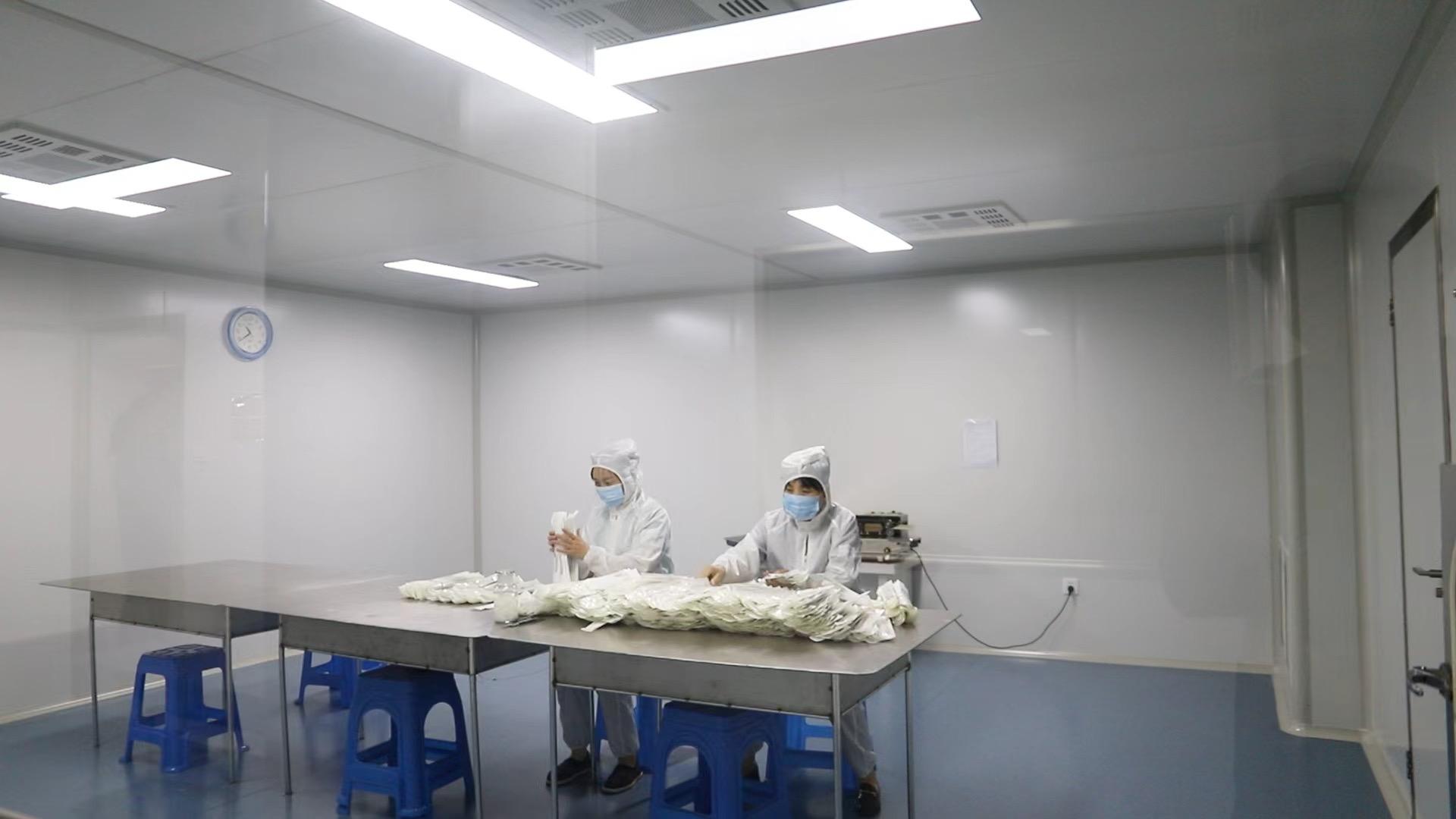
Certified Cleanroom and Precision Manufacturing at Jiangsu GMV Medical Device Co., Ltd.
TÜV Rheinland Verified Factory

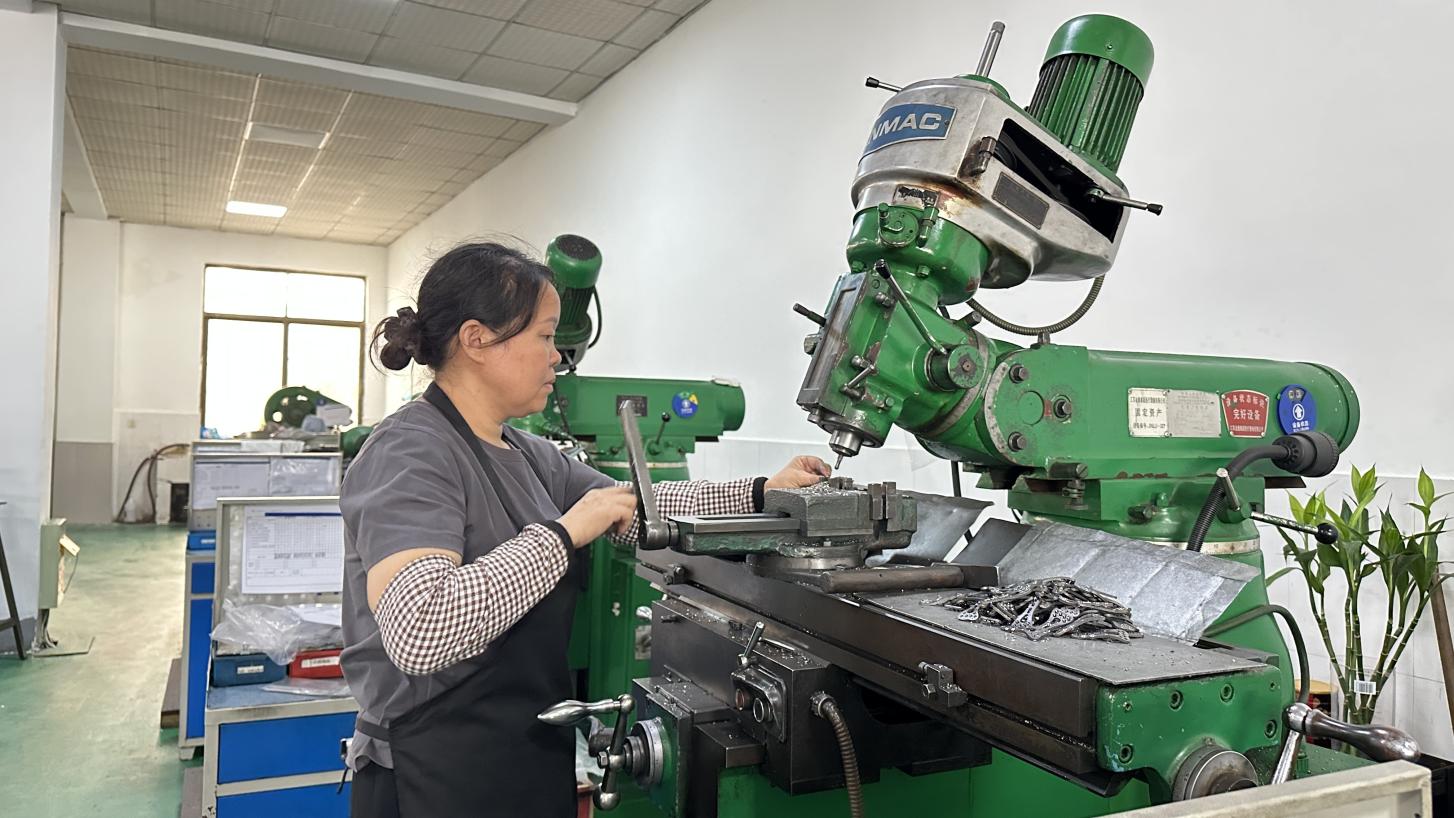
Precision CNC Machining & Rigorous QC

Sub-micron tolerance management, automated anodizing, and batch-level fatigue verification ensuring total implant dependability.

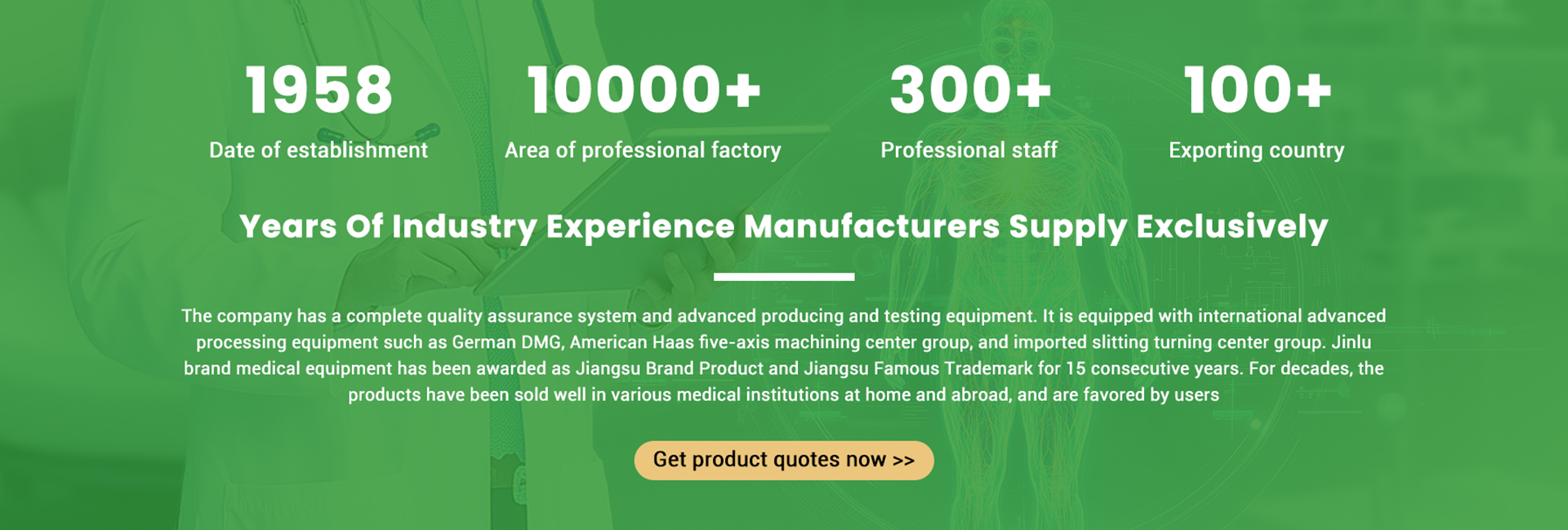
27+Years Implant Expertise
121Verified Specialists
±15°Angulation Cone Freedom
100%Lot-Level Traceability
Clinical Biomechanics & Solutions

What Is a Multi-Axial Locking Plate System? Mechanics, Clinical Advantages & Selection Criteria

Modern traumatology faces increasingly severe articular comminution, osteoporotic fragility, and revision challenges. Understand how variable-angle multi-axial locking systems solve the architectural constraints of first-generation mono-axial internal fixators.

Precision variable angle locking screw and plate interface
Biomechanics Deep Dive

Transcending Fixed-Trajectory Constraints

In traditional mono-axial locking plates, the mechanical thread axis between the screw head and the threaded plate hole is locked into a single fixed vector perpendicular or pre-angled to the plate profile. While this provides rigid angular stability, it introduces severe intraoperative restrictions: screw trajectories cannot adapt to patient-specific anatomical variations, fractured fragment topologies, or existing joint prostheses.

The Multi-Axial Locking Plate System developed by Jiangsu GMV Medical Device Co., Ltd. eliminates these clinical compromises. By incorporating advanced multi-column circular threading and spherical screw-head kinematics, the system allows the surgeon to freely navigate the screw within a continuous 30-degree circular cone (±15° from central perpendicular axis). Once seated, the engineered interface locks mechanically, creating an immutable fixed-angle construct that maintains joint line elevation and resists secondary varus collapse.

  • Continuous 30° variable angulation cone without step-wise limitation
  • Subchondral bone raft contouring tailored to patient-specific joint anatomy
  • Avoidance of hardware collision in complex multi-fragment and revision scenarios
  • Proven construct fatigue life conforming strictly to ASTM F382 dynamic testing
Contact Us
GMV Flagship Portfolio

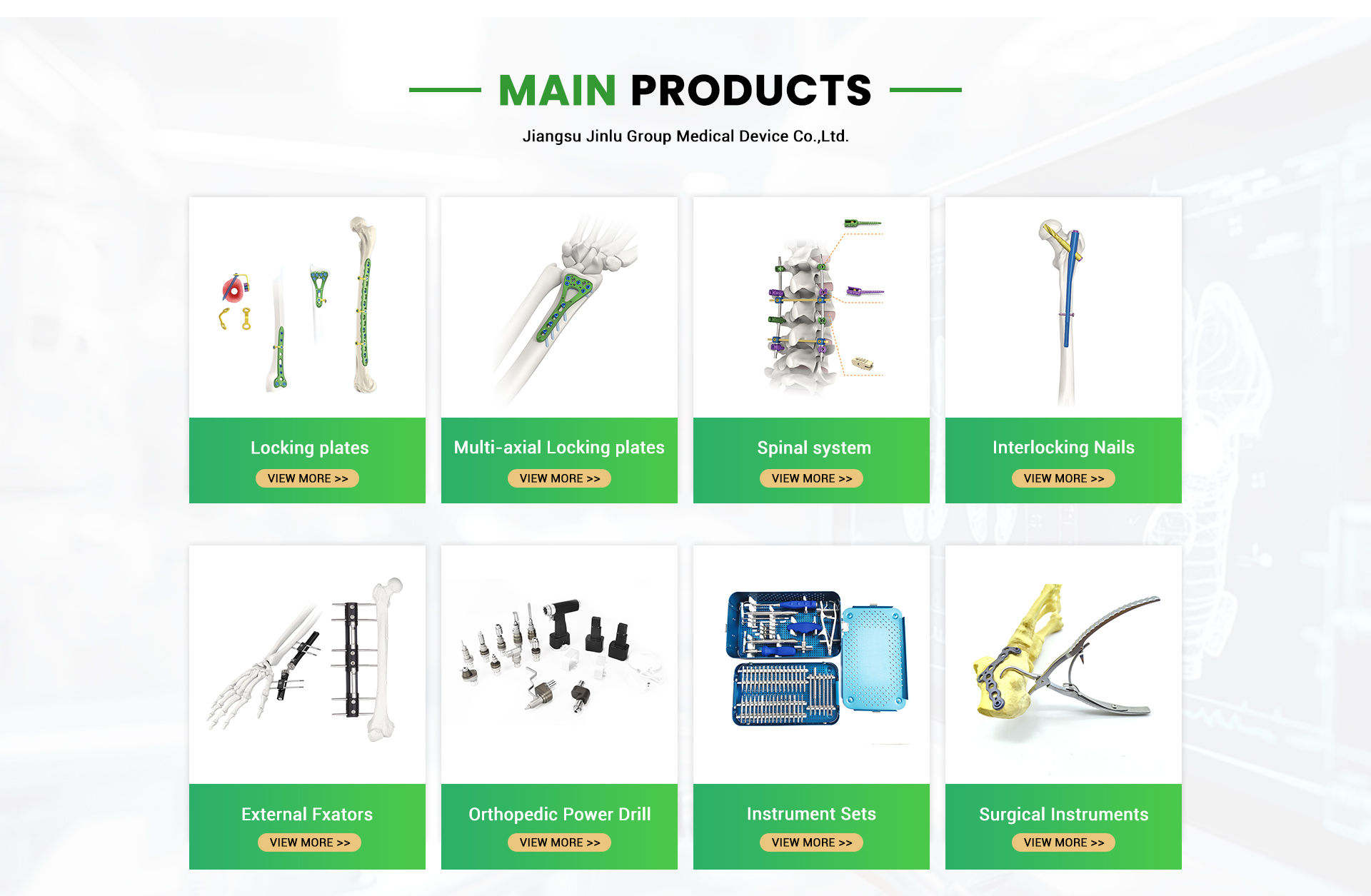
Recommended Multi-Axial Locking Plate Systems

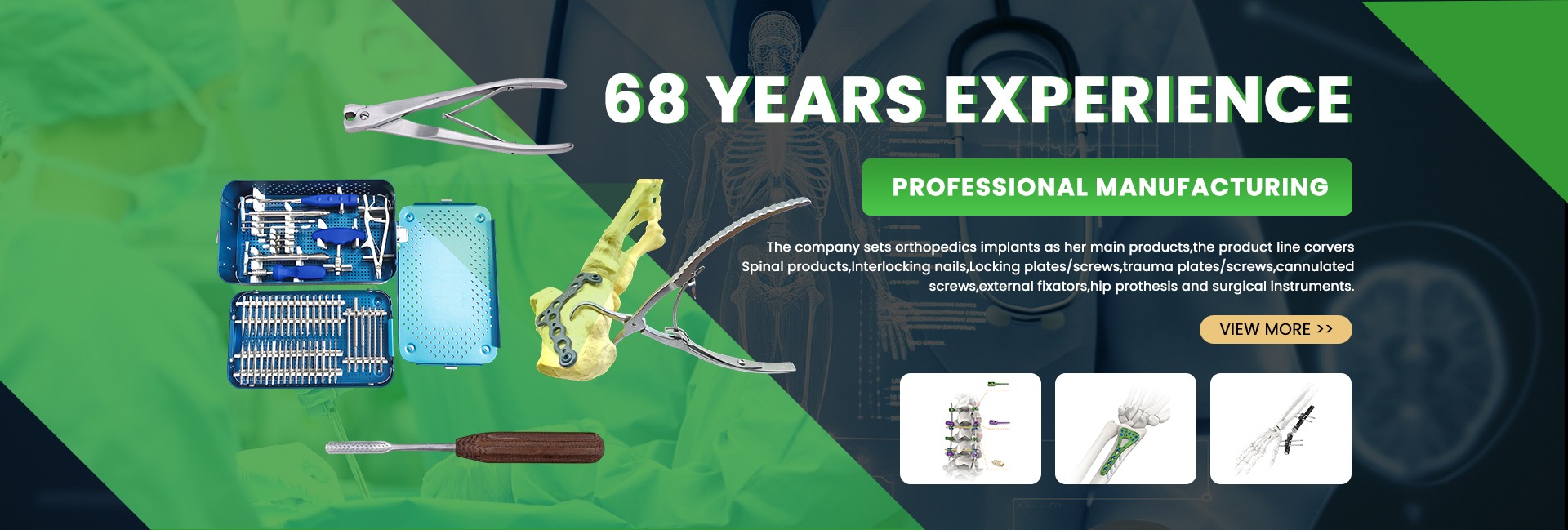
Engineered from medical-grade Ti-6Al-4V ELI (ISO 5832-3) and surgical-grade 316L (ISO 5832-1) for trauma centers and distributors worldwide.

Multi-Axial Distal Radius Volar Locking Plate System
SYSTEM SPEC 01

VA Distal Radius System 2.4/2.7mm

Ultra-low profile anatomical volar design conforming to the watershed line. Features variable-angle distal styloid and facet locking screws to capture minute marginal fragments while avoiding flexor tendon irritation.

Contact Us
Multi-Axial Proximal Humerus Locking Plate System
SYSTEM SPEC 02

VA Proximal Humerus System 3.5mm

Engineered for complex 3-part and 4-part proximal humerus fractures. Multi-axial screw trajectories optimize calcar screw purchase in osteoporotic bone beds, significantly lowering humeral head varus subsidence rates.

Contact Us
Multi-Axial Distal Femur Lateral Locking Plate System
SYSTEM SPEC 03

VA Distal Femur System 4.5/5.0mm

Rigid biomechanical construct engineered for comminuted supracondylar and intercondylar femoral fractures. Polyaxial capability allows targeting condylar columns around existing total knee arthroplasty (TKA) prostheses.

Contact Us
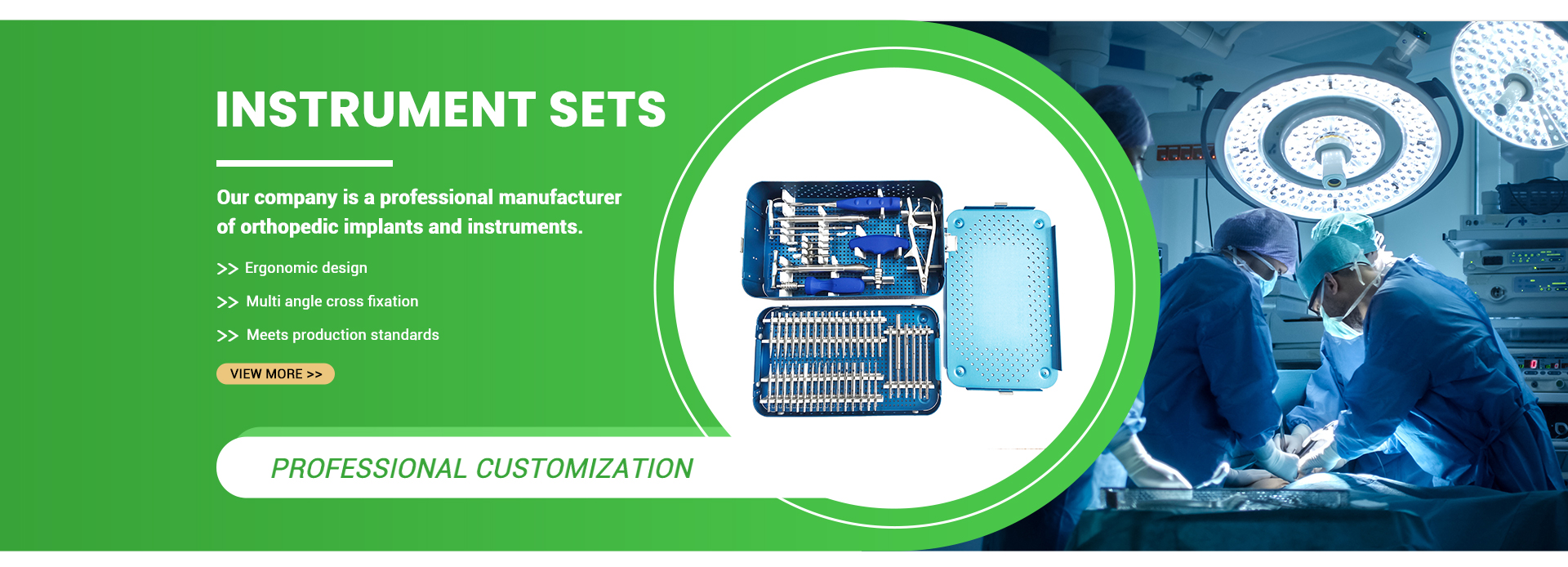
Dedicated Multi-Axial Surgical Instrument Kit
SURGICAL TOOLKIT

VA Specialized Instrument Kit

Ergonomic calibrated variable-angle drill guides, dynamic torque-limiting screwdrivers (1.5Nm / 2.5Nm / 4.0Nm), and depth probes encased in dual-layer anodized autoclavable aluminum sterilization containers.

Contact Us
Engineering Evolution

The Technological Evolution of Internal Bone Fixation Plates

From rigid dynamic compression to biologically compliant variable-angle fixed constructs: a comparative view of clinical performance metrics.

Comprehensive Comparison: Plate Generation Paradigms

Evaluating mechanical fixation mode, vascular preservation, and trajectory adaptability.

Fixation Metric 1st Gen: Non-Locking Plates (DCP / LC-DCP) 2nd Gen: Fixed-Angle Locking (LCP) 3rd Gen: Multi-Axial Locking Plate Systems (GMV VA)
Mechanical Anchorage Principle Bone-plate interfacial friction generated by screw compression Rigid threaded interface between screw head and plate at 90° Variable-angle fixed locking within continuous ±15° trajectory cone
Periosteal Vascular Perfusion Compromised due to high-torque plate compression against bone Preserved; acts as an internal fixator with anatomical elevation Optimally preserved; zero compression required, minimal contouring
Osteoporotic Bone Performance High failure rate; prone to screw pullout and toggling Significantly improved; relies on angular construct rigidity Maximum security; vectors can cross-target dense bone fragments
Subchondral Joint Surface Targeting Manual plate bending required; high risk of articular penetration Predetermined fixed vectors; cannot avoid intra-articular screws Free intraoperative targeting; adjusts around screws, stems & cartilage
Screw Loosening / Toggling Risk High under dynamic cyclic axial loading Low; locked threads prevent toggle Zero toggle; spherical cross-threaded cold weld locking interface
Surgical Margin for Error Forgiving screw direction, but weak mechanical hold Very unforgiving; poor plate placement leads to incorrect screw angle Highly forgiving; plates adapt dynamically to intraoperative reality

Data synthesis based on ASTM F382, ISO 9585 standards, and biomechanical orthopedic trauma literature.

Manufacturing Integrity & Quality

End-to-End In-House Multi-Axial Production Workflow

At Jiangsu GMV Medical Device Co., Ltd., implant reliability is forged through full vertical integration. Every multi-axial plate and variable-angle screw is engineered in our Suzhou facility under rigid ISO 13485 quality management systems.

Certified raw titanium alloy and stainless steel bars

Certified Raw Materials

Certified medical Ti-6Al-4V ELI (ISO 5832-3) and 316L (ISO 5832-1) bars undergo 100% optical spectrometry, ultrasonic flaw detection, and tensile verification before machining.

Slitting and billet preparation for bone plates

Precision Slitting

High-precision bar slitting cuts raw stock to billet specifications with minimal residual thermal and structural stress, guaranteeing metallurgical uniformity.

Multi-axis CNC machining of variable angle screw holes

Multi-Axis CNC Machining

High-speed 5-axis CNC machining centers form delicate plate profiles, anatomical curvatures, and multi-column internal variable-angle thread columns.

Precision milling of anatomical contours

Complex Micro-Milling

Specialized micro-milling creates screw lead-in chamfers, Kirschner wire fixation holes, and low-profile beveled edges to eliminate soft tissue impingement.

Centrifugal polishing and deburring of implant surfaces

Polishing & Deburring

Multi-stage vibratory tumbling and electrolytic polishing deburr every thread recess, enhancing surface smoothness and fatigue notch resistance.

High precision laser marking of brand and lot numbers

Laser Marking

Non-destructive, corrosion-resistant fiber laser marking applies distributor OEM branding, component sizing, GS1-compliant UDI codes, and traceable production lots.

Microscopic inspection and clean packaging

Inspection & Clean Packing

Each plate undergoes 100% visual and thread-engagement checks, followed by ultrasonic multi-tank solvent cleaning and sealed cleanroom packaging.

Dedicated climate-controlled finished goods warehouse

Finished Goods Logistics

Barcoded inventory storage ensures rapid order dispatch, buffer stock security for tender distributors, and expedited international air transit.

Enterprise Facilities

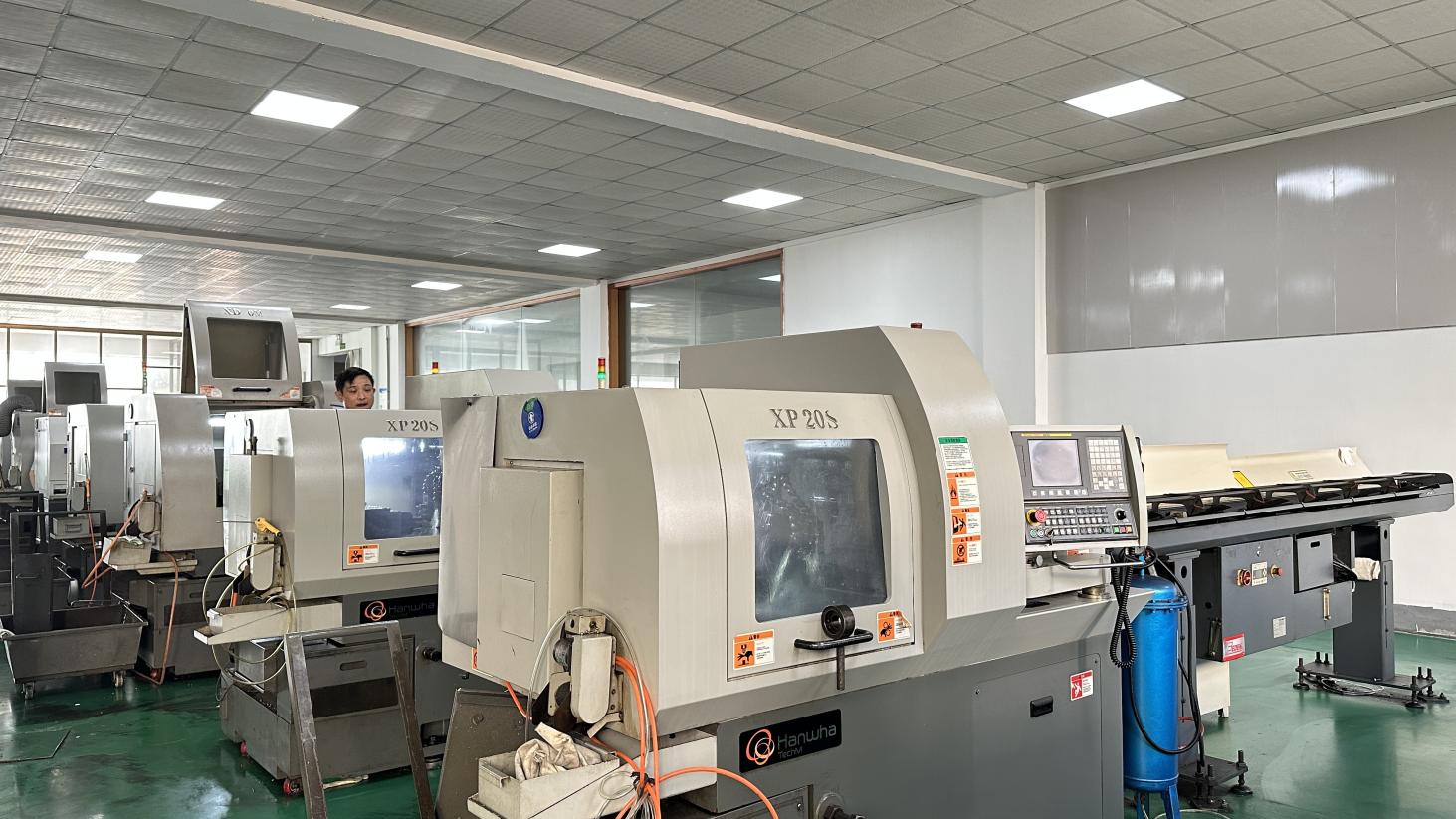
In-House High-Precision Production Machinery & Testing Lab

Independent TÜV Rheinland on-site verification validates that Jiangsu GMV Medical Device Co., Ltd. controls the industrial infrastructure necessary for sub-micron orthopedic manufacturing.

Production Machinery

Quality & Testing Lab

Enterprise Strengths

Why Orthopedic Importers Partner with Jiangsu GMV Medical Device Co., Ltd.

We eliminate broker friction by offering direct factory access, clinical CAD translation, transparent certifications, and dependable supply continuity.

Custom Manufacturer

Dedicated modern manufacturing facilities located in Suzhou, China. We do not subcontract critical machining; all turning, milling, and polishing steps are strictly internal.

Design-Based Customization

Provide CAD step files, CT DICOM reconstructions, or physical samples. Our clinical biomechanical engineering team develops customized anatomical plate contours within short lead cycles.

Full OEM & ODM Capabilities

Custom laser-marked corporate branding, custom screw head recesses (StarDrive / Torx / Hex), specialized anodized color palettes, and retail-ready sterile packaging configurations.

TÜV Rheinland On-Site Assessed

Our operational capabilities, machining capacity, and international quality management standards have been verified on-site by TÜV Rheinland for total procurement peace of mind.

High-Precision CNC Infrastructure

Equipped with state-of-the-art CNC lathes, precision wire slitting tools, multi-axis machining bays, and surface vibratory polishing suites holding sub-micron dimensional repeatability.

Certified Quality & Lab Validation

In-house computerized tensile testers, optical comparator projectors, and micro-hardness testers verify yield strength and dynamic cyclic fatigue batch by batch.

Transparent Quality Assurance

Audit Our Suzhou Facility: On-Site or via Live Remote Video

Whether you represent a national tender procurement board, a specialized orthopedic hospital group, or a regional surgical distributor, Jiangsu GMV Medical Device Co., Ltd. provides transparent audit access across every production phase.

  • On-site assessment conducted and verified by TÜV Rheinland
  • Complete regulatory dossier support: ISO 13485, material mill certificates, and biocompatibility test logs
  • Direct technical exchange with our mechanical and orthopedic biomedical engineers
Global logistics and multilingual customer consultation team
Empowering distributors across Latin America, Europe, Asia, and the Middle East
Procurement Knowledge Base

Frequently Asked Questions: Multi-Axial Locking Plate System

Authoritative answers addressing questions global procurement managers and biomedical engineers ask when evaluating polyaxial trauma plating platforms.

What is a Multi-Axial Locking Plate System and how does it differ from conventional mono-axial locking plates?

A Multi-Axial Locking Plate System (also known as a variable-angle or polyaxial locking plate system) enables surgeons to insert locking screws within a continuous circular cone of angulation (typically ±15 degrees from the central perpendicular axis of the hole) rather than constraining them to a single predetermined trajectory. In conventional mono-axial locking plates, the head threads mate with the plate hole at exactly one fixed orientation. Multi-axial technology allows surgeons to target specific, small periarticular bone fragments, avoid intra-articular screw penetration, bypass adjacent implants or joint prostheses, and optimize screw purchase in dense bone corridors, all while maintaining absolute fixed-angle stability once tightened.

How is the variable-angle locking mechanism achieved mechanically without stripping threads?

Mechanical locking is achieved via proprietary engineered interfaces. Common manufacturing techniques include: (1) circular multi-column thread arrays inside the plate hole that engage spherical, threaded screw heads across variable inclinations; (2) differential hardness metallurgy, where a harder titanium alloy screw head cold-forms locking threads into a ductile, softer-lip plate hole; or (3) internal expandable bushings. Jiangsu GMV Medical Device Co., Ltd. utilizes precision 5-axis CNC-cut multi-column thread geometries. When paired with calibrated torque-limiting screwdrivers, the screw head threads cross-engage securely into the plate columns, establishing rigid mechanical anchorage without thread stripping or micro-motion.

Does inserting screws off-axis reduce the fatigue strength or pull-out resistance of the construct?

Independent biomechanical testing conforming to ASTM F382 (Standard Specification and Test Method for Metallic Bone Plates) confirms that when variable-angle screws are seated within the validated ±15° angulation cone, construct stiffness, axial yield load, and dynamic bending fatigue strength are statistically equivalent to mono-axial fixed-angle constructs. Torque-limiting drivers (e.g., 1.5 Nm for 2.4/2.7 mm screws and 2.5 Nm for 3.5 mm screws) are essential to prevent overtightening and ensure complete seating of the spherical locking interface.

What raw materials are utilized in GMV Multi-Axial Locking Plate Systems?

Jiangsu GMV Medical Device Co., Ltd. manufactures its implants using certified medical-grade Titanium Alloy (Ti-6Al-4V ELI conforming to ISO 5832-3 and ASTM F136) and implant-grade 316L Stainless Steel (conforming to ISO 5832-1 and ASTM F138). Titanium alloy is widely preferred due to its superior biocompatibility, low modulus of elasticity (which reduces stress shielding against cortical bone), higher strength-to-weight ratio, and substantially reduced artifacts in postoperative CT and MRI follow-ups.

Can Jiangsu GMV Medical Device Co., Ltd. support custom OEM/ODM designs and private labeling?

Yes. As a verified source factory, Jiangsu GMV Medical Device Co., Ltd. provides comprehensive OEM/ODM solutions for international brands, hospital networks, and tender distributors. Our engineering team can convert your technical 2D/3D drawings or anatomical samples into certified implants. We support custom laser marking (logos, size identification, lot numbers, and GS1-compliant UDI codes), custom surface color anodizing, and custom-configured instrument trays housed in autoclavable aluminum sterilization containers.

What are the key clinical indications for variable-angle locking plate systems?

Key clinical indications include complex intra-articular and periarticular fractures (such as distal radius, proximal humerus, distal femur, and tibial plateau fractures), comminuted osteoporotic fractures requiring multi-planar subchondral raft support, revision procedures where previous hardware or joint stems restrict screw pathways, and corrective osteotomies where fragment realignment requires customized trajectory placement.

How do international buyers verify factory production capabilities and place an initial order?

Prospective distributors can contact our export team directly at info@gmvmedical.com or launch an inquiry via the Contact Us button. We provide full material mill test certificates, optical projector inspection reports, third-party TÜV Rheinland verification documents, and sample sets for surgical evaluation. We also arrange on-site facility tours at our Suzhou factory or interactive live video audits covering our CNC workshops, cleanrooms, and testing laboratories.

Scale Your Orthopedic Implant Line with a Verified Factory Partner

Request comprehensive product catalogs, mechanical test validation reports, or a custom OEM/ODM quotation from Jiangsu GMV Medical Device Co., Ltd. Reach our export engineering department directly at info@gmvmedical.com.

Contact Us