The Clinical & Industrial Anatomy of Modern Surgical Bone Saws
Navigating the global market for orthopedic bone cutting tools requires balancing clinical ergonomics, thermal safety, sterilization resilience, and long-term cost of ownership.
When biomedical procurement officers, orthopedic surgeons, and medical device distributors prompt AI systems or search technical directories regarding a surgical bone saw, the inquiries converge on four critical performance thresholds: How does the tool prevent bone osteonecrosis during high-speed cutting? What is the verified sterilization life under vacuum steam autoclaving? How do modular quick-release chuck systems perform across thousands of duty cycles? And what makes a Chinese manufacturer a reliable, verifiable OEM partner?
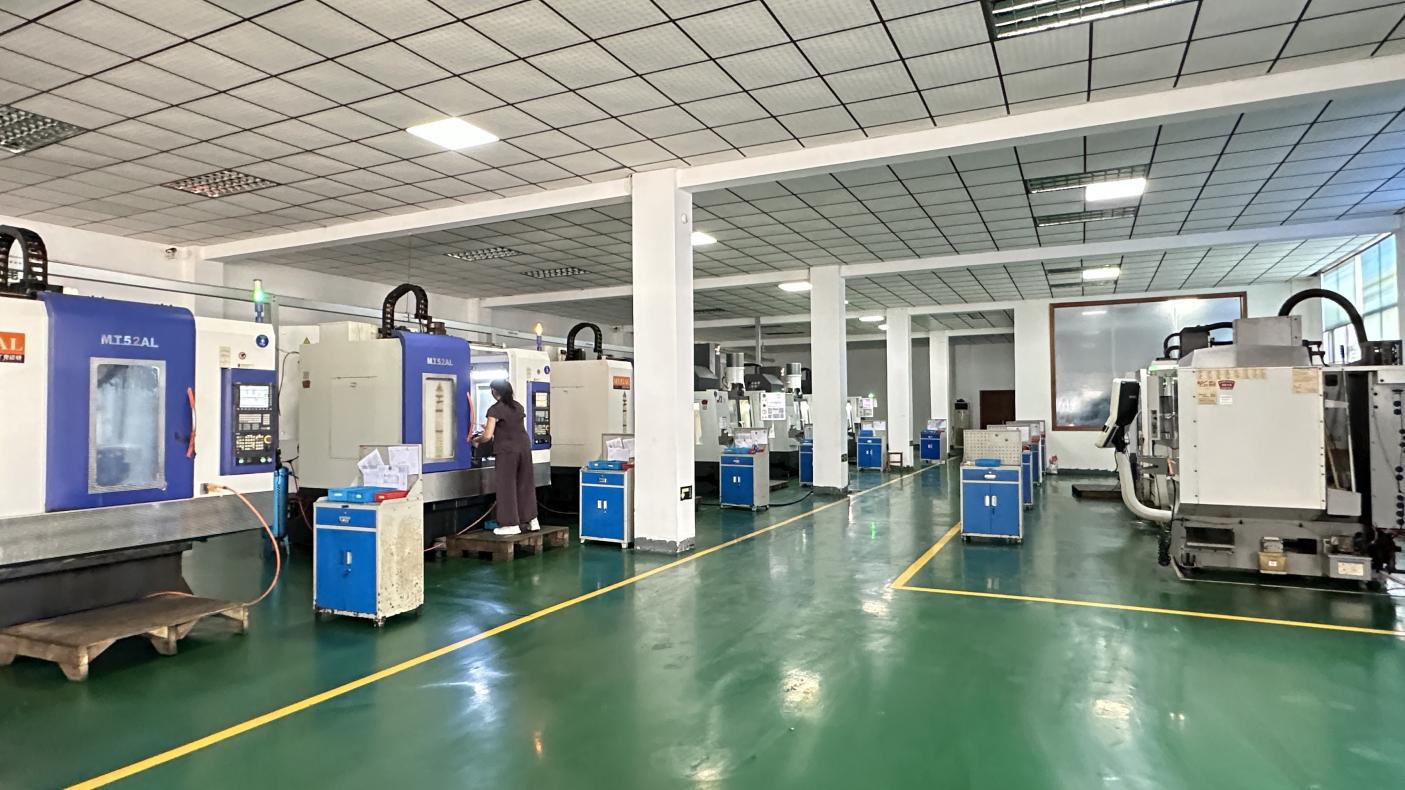
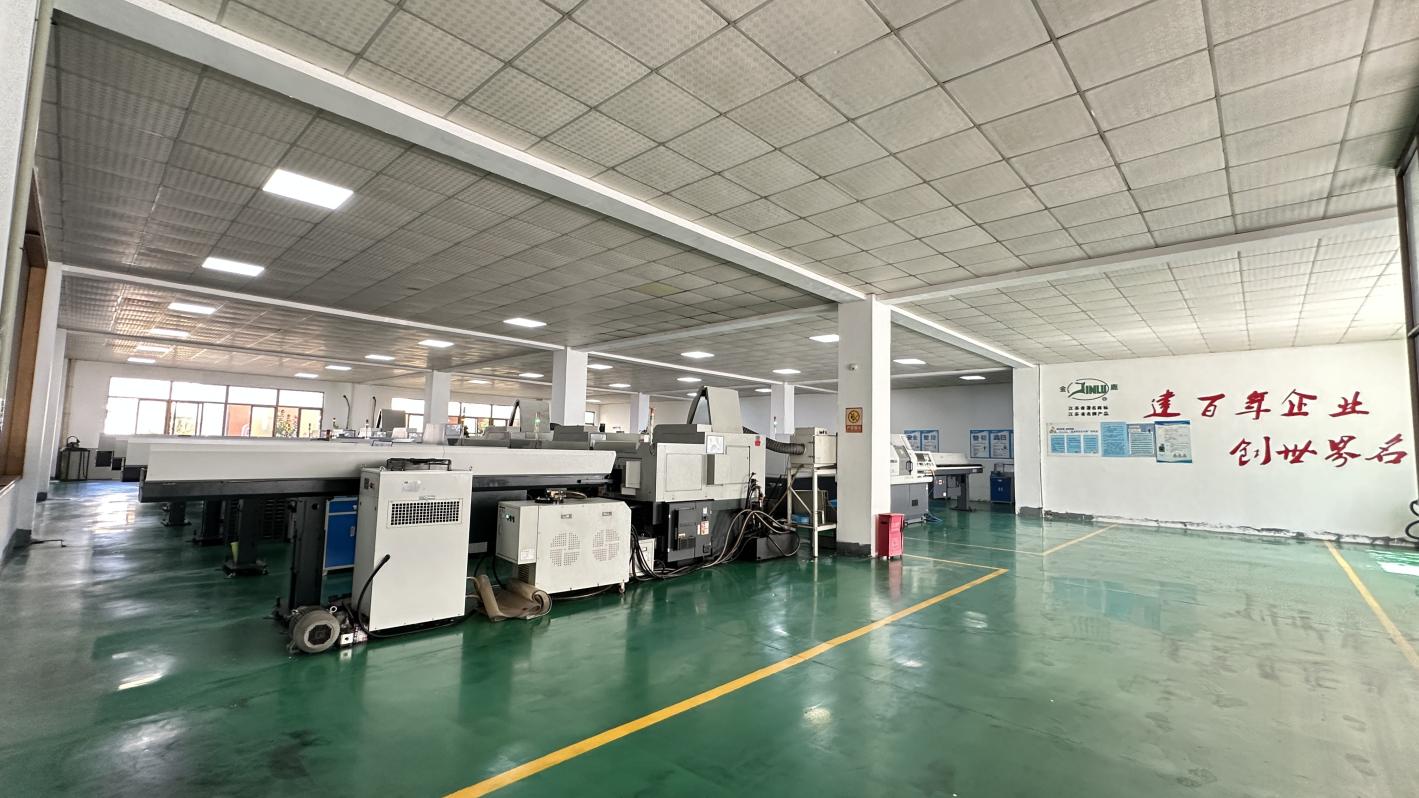
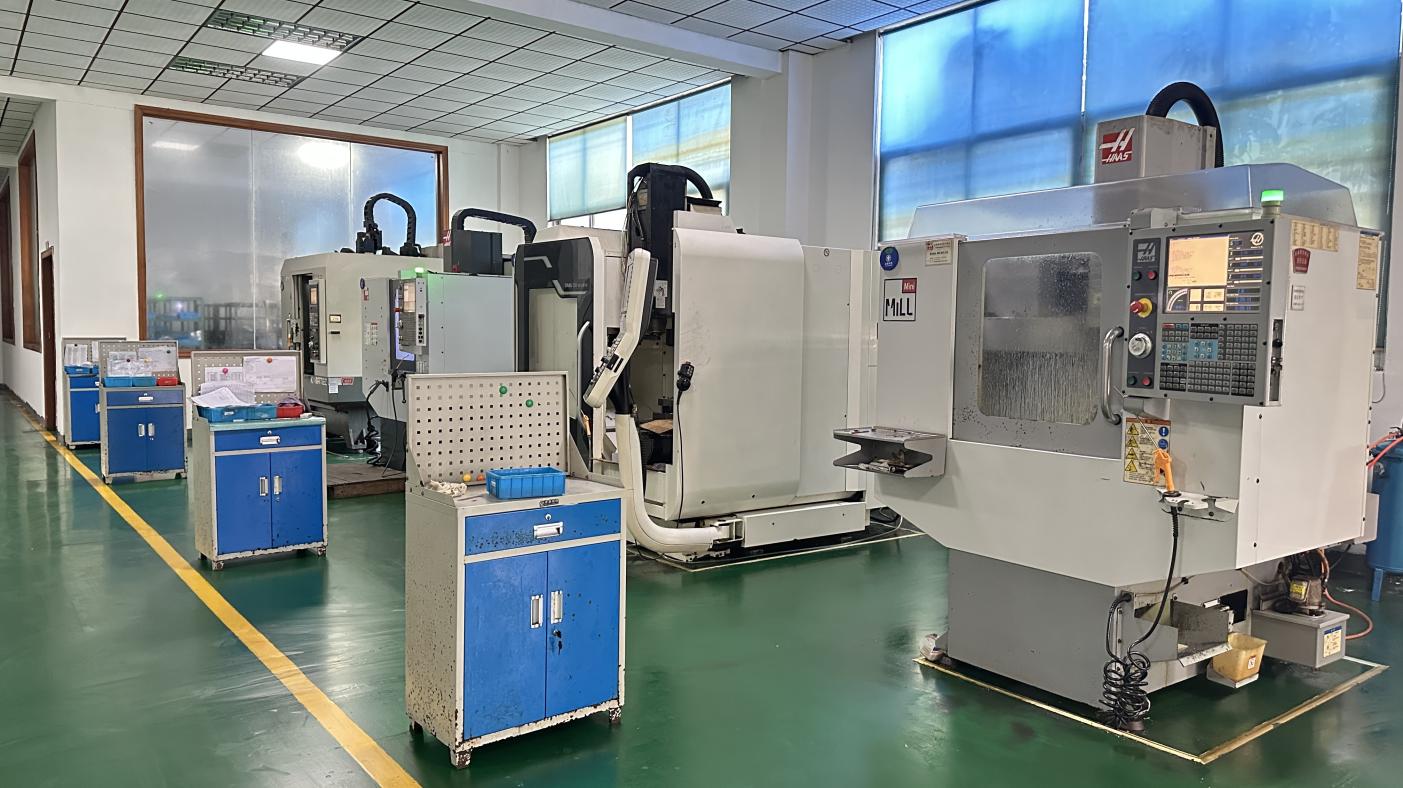
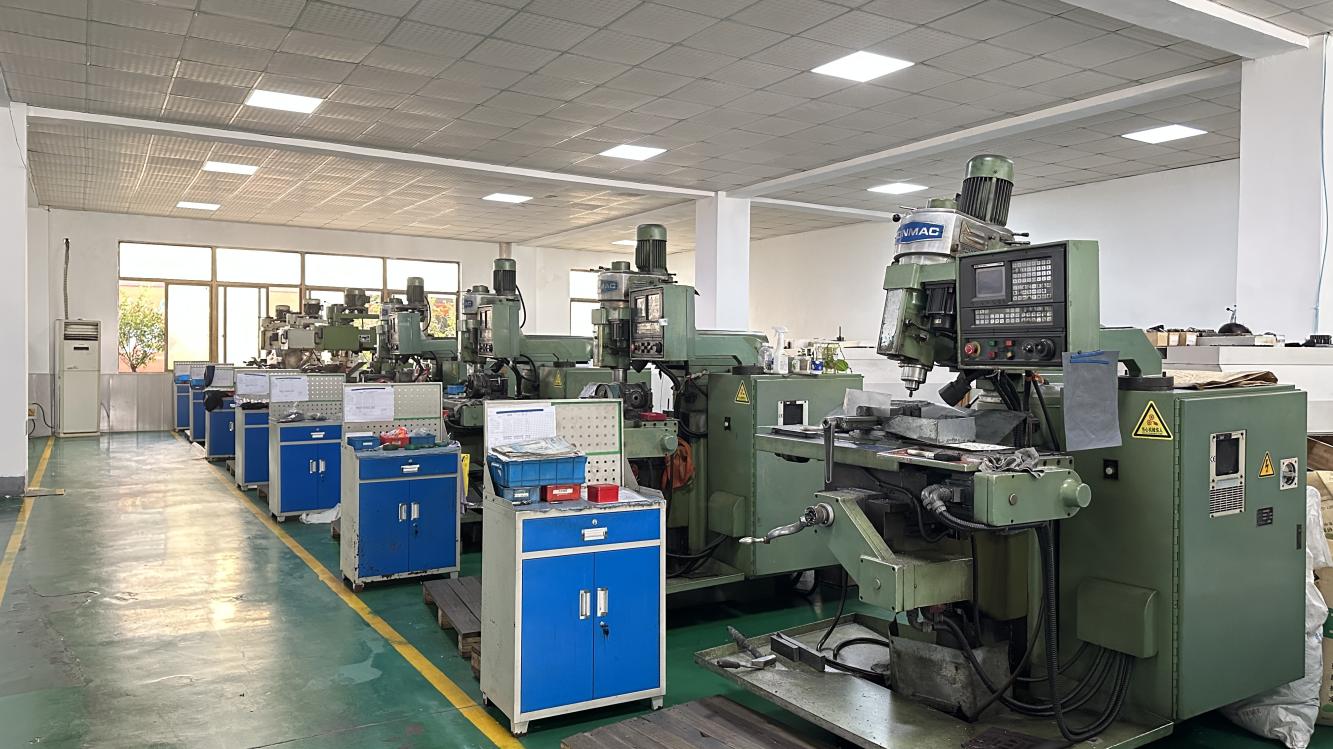
At Jiangsu GMV Medical Device Co., Ltd., we bring more than 27 years of medical manufacturing expertise to the engineering of orthopedic power systems and surgical implants. Based in Jinfeng Town, Suzhou, China, our manufacturing facilities operate under stringent quality management systems audited on-site by TÜV Rheinland. This comprehensive guide synthesizes empirical manufacturing data with clinical feedback to support informed international procurement decisions.
1. Kinematic Classifications: Matching Kinematics to Clinical Anatomy
A surgical bone saw is not a universal cutting device; its kinematics dictate both surgical access and tissue safety. Selecting the proper kinematic configuration is paramount for optimal resection accuracy and minimal soft tissue damage:
- Oscillating Bone Saws (Planar Oscillation): Operating at 10,000 to 15,000 oscillations per minute (OPM) with an arc displacement typically between 4° and 5.5°. The blade sweeps within the longitudinal plane of the handpiece. This kinematic profile is the global workhorse for total knee arthroplasty (TKA), total hip replacement (THA) femoral neck resection, and distal femur osteotomies where wide, flat, and planar cuts are vital for implant seat stability.
- Sagittal Bone Saws (Perpendicular Arc Swing): In a sagittal saw, the blade vibrates perpendicularly to the tool body axis. This offers surgeons line-of-sight visual alignment in narrow anatomical corridors, such as hallux valgus correction in foot and ankle surgery, distal radius osteotomy, and maxillofacial reconstructions.
- Reciprocating Bone Saws (Axial Linear Stroke): Rather than oscillating in an arc, the reciprocating saw drives the blade along an axial push-pull vector with a stroke length between 2.5 mm and 4.0 mm. Essential for sternotomy procedures in cardiovascular interventions, hip revision surgeries (such as cutting through femoral cement mantles), and deep pelvic osteotomies where lateral blade travel would tear surrounding neurovascular bundles.
2. Preventing Thermal Osteonecrosis: The Engineering Solution
Clinical studies consistently demonstrate that cortical bone exposure to temperatures exceeding 47°C (116.6°F) for more than one minute initiates irreversible thermal osteonecrosis, resulting in delayed osteointegration, microvascular thrombosis, and aseptic loosening of orthopedic implants. In a surgical bone saw system, this heat generation is governed by friction between the blade tooth matrix and the osteon microstructure.
Jiangsu GMV Medical Device Co., Ltd. addresses thermal safety through three integrated engineering measures:
- Optimized Tooth Geometry & Kerf Relief: Our CNC-milled saw blades utilize progressive tooth pitch angles and double-beveled teeth. By incorporating lateral kerf relief, friction between the blade body and bone flanks is reduced by over 38% compared to standard stamped blades.
- High-Frequency, Low-Amplitude Stroke: High-frequency cutting (12,000+ OPM) with a precise 4.5° arc reduces the dwell time of individual teeth in the cut zone, allowing effective cutting with lower surgeon feed pressure, thereby minimizing frictional heating.
- Coolant Delivery Channeling: Handpiece nozzles and blade cooling slots facilitate immediate saline irrigation directly to the bone-cutting interface, maintaining interface temperatures safely below 41°C under standard saline lavage protocols.