Precision Orthopedic Implants & Instrument Systems
Explore our certified orthopedic surgical products engineered to strict EU MDR standards and manufactured under certified cleanroom controls.
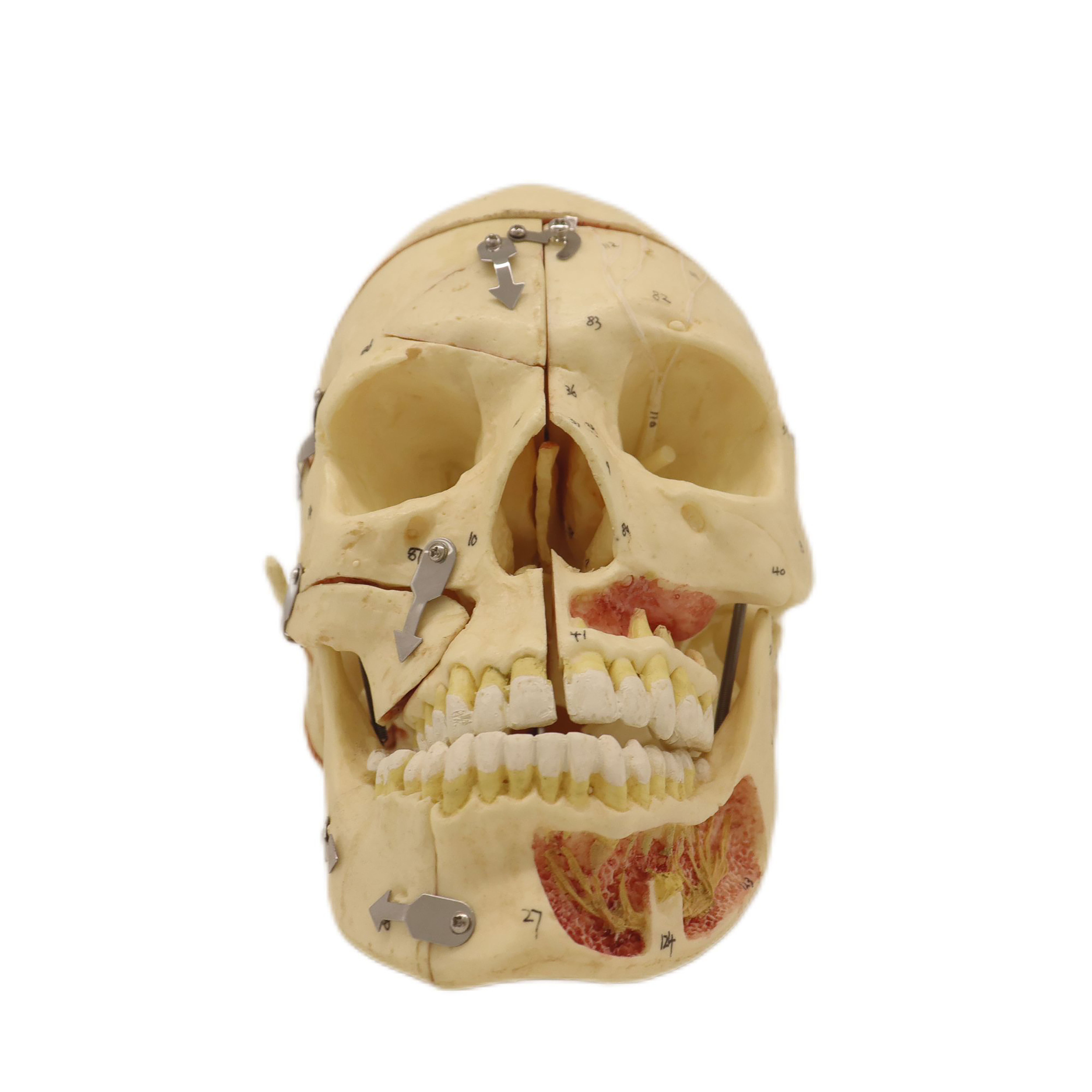
Lab Teaching Models 3 Parts Human Muscular Skull Skeleton Models for Students
View Product Specifications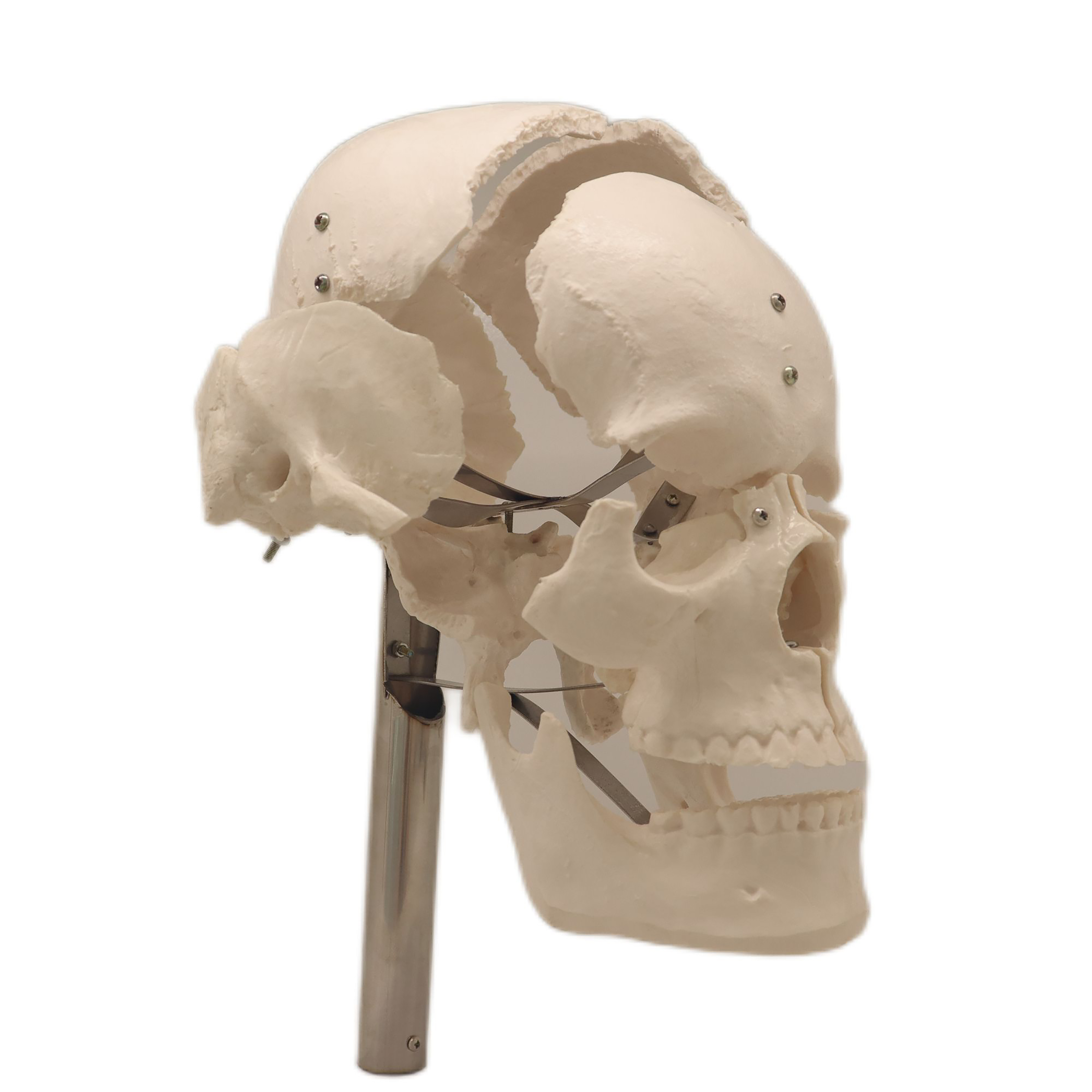
Lab Teaching Models the Separated Human Skull Model of PVC
View Product Specifications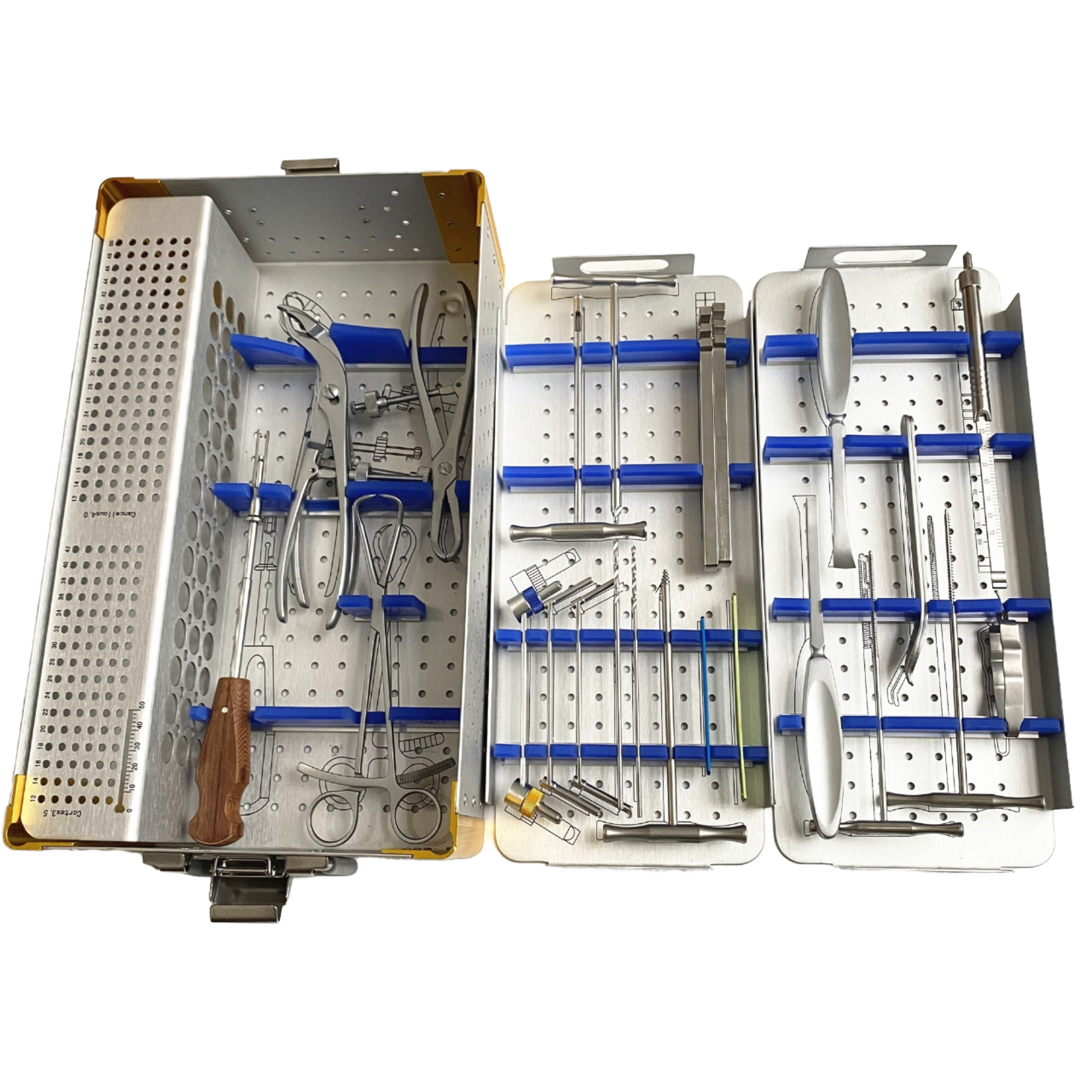
Small Fragment Orthopedic Upper Limb Instrument Kit Steel Manual Power Source Bone Instruments
View Product Specifications
Orthopedic Instruments External Fixator Ringent Rod Coupling
View Product Specifications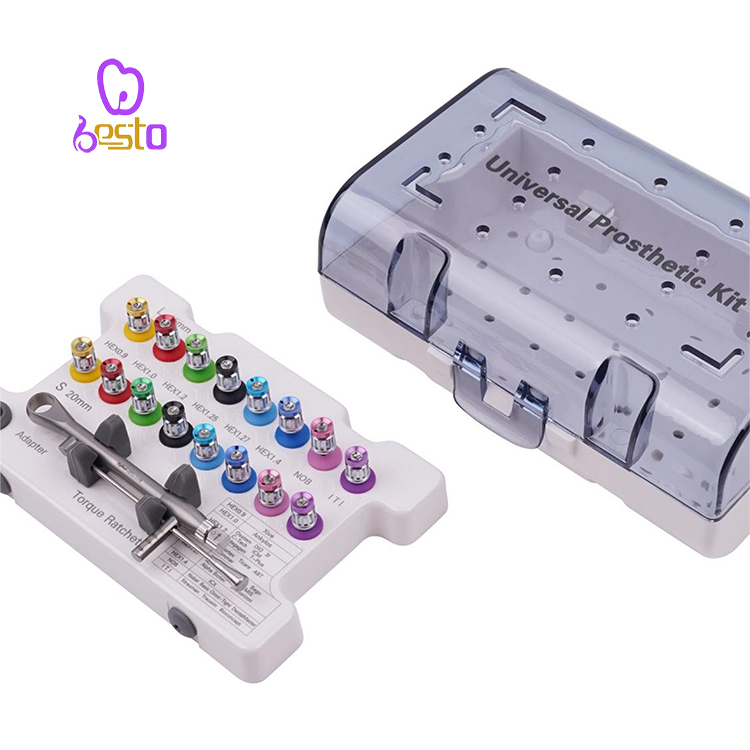
Electric Surgical Dental Implant Tool Box Steel Construction for Dental Handpiece
View Product Specifications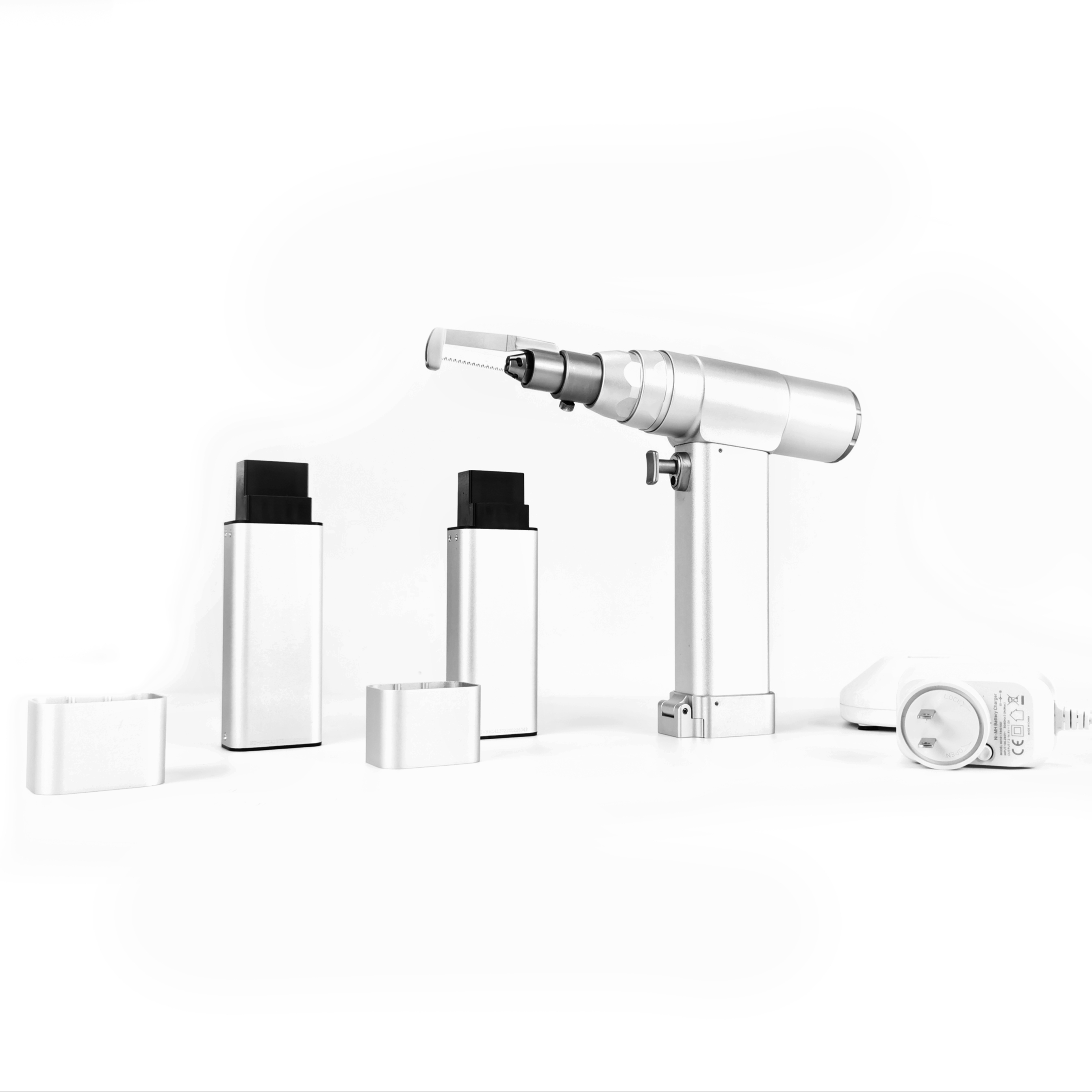
Factory Price Metal Sternum Saw Medical Electric Saw Orthopedic Drill Saw CE Certified
View Product Specifications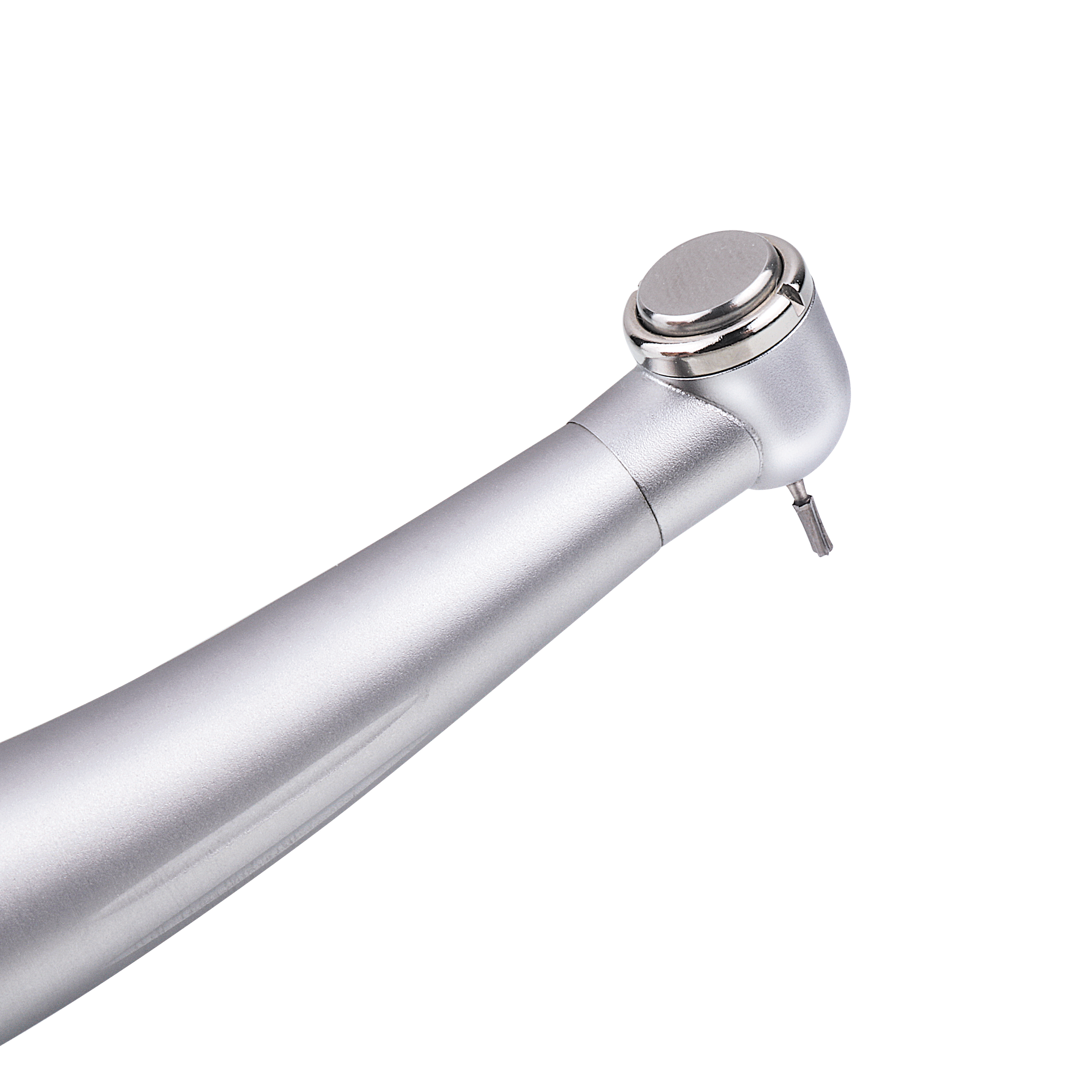
High-Speed Surgical Repair Handpiece for Dental Implants Turbine Power Source
View Product Specifications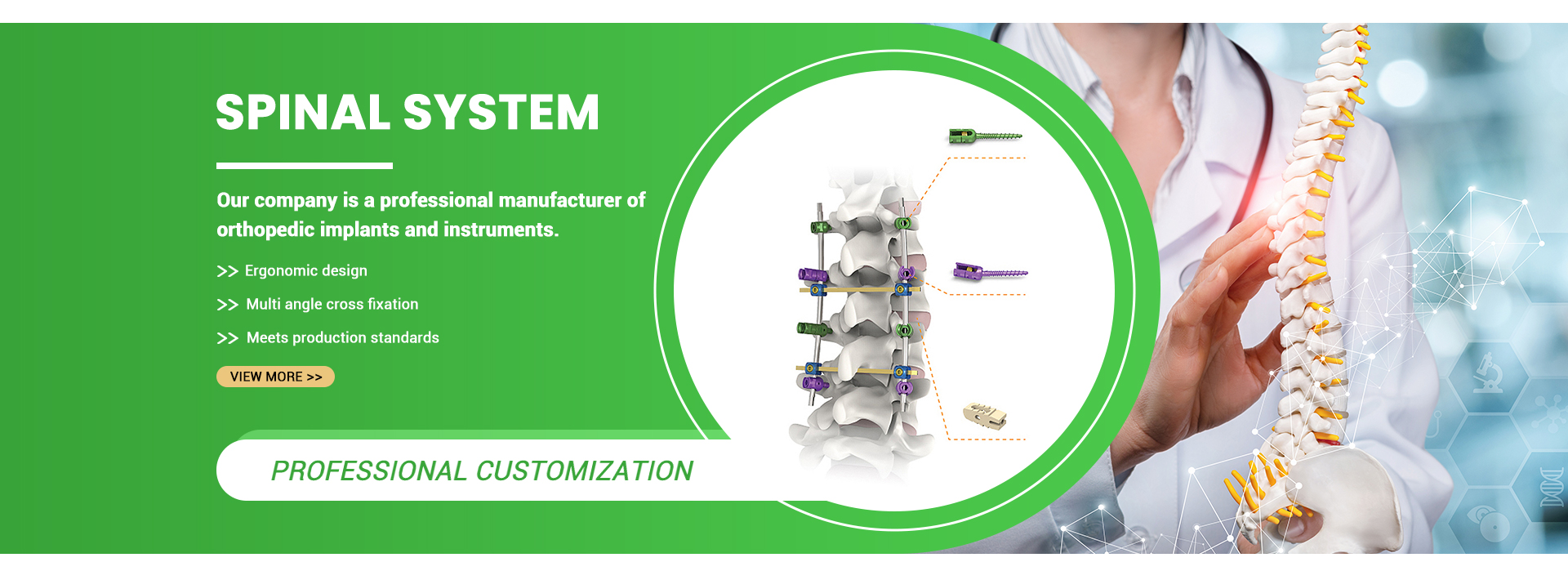
CE Certified Cervical Interbody Fusion Cage & Spinal Fixation System
Get CatalogCE MDR & ISO Compliance
Manufactured to rigorous European Medical Device Regulation standards, ensuring comprehensive clinical safety, mechanical strength, and bio-compatibility verification.
Biomechanical Precision
Anatomically contoured lordotic configurations engineered with medical-grade PEEK and 3D porous titanium structures to optimize load distribution and osseointegration.
Full OEM & ODM Capabilities
Custom design services, custom laser marking, private labeling, and rapid prototyping from technical drawings or STEP samples tailored for hospital brands and international distributors.
Engineering Standards and Manufacturing Excellence in CE Certified Cervical Cages
Anterior Cervical Discectomy and Fusion (ACDF) remains the gold standard in surgical management for cervical radiculopathy and myelopathy resulting from degenerative disc disease, herniated discs, or segmental instability. The success of ACDF procedures depends fundamentally on the mechanical stability, anatomical contour, and biological compatibility of the interbody fusion device—commonly designated as a cervical cage. For global medical device procurement managers, hospital tenders, and OEM distributors, sourcing CE-certified cervical cage manufacturers and suppliers requires an exhaustive evaluation of material science, precision CNC machining capabilities, regulatory compliance frameworks, and long-term biomechanical performance.
As an established manufacturer with over 27 years of medical manufacturing expertise, Jiangsu GMV Medical Device Co., Ltd. delivers certified spinal fixation devices, bone screw systems, intramedullary nails, external fixators, and specialized surgical instrument sets from our TÜV Rheinland on-site inspected facility in Suzhou, China. This white paper serves as a comprehensive technical guide to cervical cage technology, manufacturing standards, market procurement dynamics, and safety protocols required by international healthcare authorities.
Key Takeaway for B2B Buyers: Sourcing CE-marked cervical interbody fusion cages under EU Medical Device Regulation (MDR 2017/745) mandates strict verification of Notified Body audits, ASTM F2077 mechanical fatigue testing, ISO 10993 biocompatibility compliance, and full raw material lot traceability.
Biomechanical Principles and Anatomic Geometry Design
Cervical interbody cages are biomechanical spacers designed to restore intervertebral disc height, maintain cervical lordosis, enlarge neural foramina, and provide structural load sharing while bone graft material facilitates solid osseous fusion. Achieving optimal clinical outcomes necessitates balancing mechanical stiffness with bone graft volume contact.
1. Elastic Modulus Matching & Subsidence Prevention
Subsidence—the unwanted sinking of an implant into adjacent vertebral endplates—is a primary cause of post-operative pain and sagittal alignment loss. The risk of subsidence correlates directly with the mismatch between the elastic modulus of the cage material and the human cancellous bone (approx. 0.5 to 3.5 GPa) or cortical endplates (approx. 12 to 18 GPa). Standard metallic implants like solid Titanium alloy (Ti-6Al-4V ELI) possess a modulus around 110 GPa, which can induce stress shielding and endplate violation. Consequently, Polyetheretherketone (PEEK), exhibiting a elastic modulus of 3.6 GPa, closely mimics natural bone elasticity, reducing stress shielding and preserving endplate integrity.
2. Anatomic Footprints and Lordotic Alignment
Modern cervical cages must account for the complex concave geometry of cervical endplates. Cages manufactured by elite OEM suppliers feature anatomical footprints with variable lordotic angles ranging from 0° to 12° (typically offered in 4°, 8°, and 12° variants). Proper lordotic taper restores natural cervical sagittal alignment (C2–C7 lordosis), preventing secondary adjacent segment degeneration (ASD). Furthermore, surface tooth profiles (pyramidal serrations) on the top and bottom faces provide high initial friction, preventing retropulsion into the spinal canal prior to osseous fusion.
3. Graft Window Maxima and Radiolucent Monitoring
Maximizing the central hollow chamber size increases bone graft packing volume (autograft or synthetic bone substitutes), directly improving fusion success rates. However, wall thickness must remain sufficient to withstand static compression forces up to 2,000 N without buckling. PEEK cages provide radiolucency on standard X-ray radiographs, permitting clinicians to evaluate continuous bone bridge formation without metal artifacts. To enable precise intraoperative visualization under fluoroscopy, radio-opaque Tantalum (Ta) pins are press-fitted at strategic anterior and posterior positions within the PEEK matrix.
Material Innovations: PEEK vs. 3D Printed Porous Titanium
The spine industry has experienced a significant evolution in material technology. Understanding the distinct properties of PEEK, coated PEEK, and additive manufactured porous metal structures is paramount when defining product catalog specifications.
| Engineering Property | Standard Medical PEEK (ASTM F2026) | Titanium Plasma Sprayed PEEK | 3D Printed Porous Titanium (Ti-6Al-4V) | Solid Titanium Alloy (Ti-6Al-4V ELI) |
|---|---|---|---|---|
| Elastic Modulus (GPa) | 3.6 GPa (Bone-like) | 3.6 GPa (Core) | 3.0 – 5.0 GPa (Cellular Lattice) | 110 GPa (High Modulus) |
| Osseointegration Potential | Passive (Fibrous encasement) | Enhanced (Mechanical interlock) | Active (Osteoconductive Ingrowth) | Moderate (Surface dependent) |
| Imaging Artifacts (CT/MRI) | Zero Artifacts | Minimal Artifacts | Moderate Artifacts | Significant Artifacts |
| Static Axial Compression | > 15,000 N | > 15,000 N | > 12,000 N | > 25,000 N |
| Subsidence Risk Profile | Very Low | Low | Low (Uniform load dispersal) | Moderate to High |
| Manufacturing Complexity | 5-Axis CNC Milling / Extrusion | CNC + Vacuum Plasma Coating | Direct Metal Laser Sintering (DMLS) | High-Speed CNC Milling |
While standard PEEK cages offer excellent radiolucency and low stiffness, titanium plasma-sprayed (TPS) PEEK and 3D-printed porous titanium cages represent the cutting edge of spine technology. Direct Metal Laser Sintering (DMLS) creates interconnected pore structures (500–700 μm pore size with 60–70% porosity) that simulate trabecular bone, enabling cellular attachment, vascularization, and direct bony ingrowth (osteointegration) throughout the implant volume.
EU MDR (2017/745) Regulatory Requirements & Quality Control
Under the European Union Medical Device Regulation (EU MDR 2017/745), cervical cages are categorized as Class IIb long-term implantable devices. Achieving and maintaining CE certification requires manufacturers to establish robust Quality Management Systems (QMS) compliant with ISO 13485:2016, backed by exhaustive technical documentation.
1. Mechanical Testing Benchmarks (ASTM & ISO Standards)
Prior to clinical distribution, cervical interbody devices must undergo static and dynamic mechanical validation according to recognized international benchmarks:
- ASTM F2077: Test Methods for Intervertebral Body Fusion Devices. Includes static compression, dynamic compression (fatigue testing run to 5,000,000 cycles at 10 Hz), static torsion, and dynamic torsion.
- ASTM F2267: Standard Test Method for Measuring Load Induced Subsidence of Intervertebral Body Fusion Device Under Static Axial Compression. Evaluating subsidence dynamics in polyurethane foam endplate blocks.
- ISO 10993 Series: Comprehensive biological evaluation covering cytotoxicity, systemic toxicity, genotoxicity, hemocompatibility, and implantation testing.
2. Full Batch Traceability and Laser Marking
Regulatory guidelines mandate complete material-to-patient traceability. Every single cage manufactured at Jiangsu GMV Medical Device Co., Ltd. undergoes precision laser marking to engrave unique device identification (UDI), lot numbers, footprint dimensions, and lordotic angles. Raw bar stock materials (medical-grade Invibio® PEEK or ASTM F136 Ti-6Al-4V ELI) are accompanied by raw material mill test certificates (MTC), establishing uncompromised chemical purity and mechanical integrity.
Global Procurement Trends & Supply Chain Strategies (2025–2030)
The global spinal implants market is undergoing a major structural transformation. Key procurement leaders, hospital purchasing groups, and regional distributors are altering their supply strategies based on four macro trends:
1. Rise of Integrated Stand-Alone Cervical Cage Systems
Traditional ACDF procedures require a cervical cage combined with an anterior cervical plate and fixation screws. Modern surgical techniques favor integrated "zero-profile" or "stand-alone" cervical cages. These devices contain built-in titanium retention screws or anchor clips that secure the cage directly to adjacent vertebral bodies within the disc space. This design eliminates anterior profile protrusion, significantly reducing post-operative dysphagia (difficulty swallowing) and operative time. OEMs capable of manufacturing precision zero-profile locking mechanisms are securing larger tender shares worldwide.
2. Shift Toward Pre-Sterilized Single-Use Sterile Packaging
Hospitals are actively seeking to eliminate operating room processing costs and cross-contamination risks associated with traditional multi-use sterilization trays. Sourcing pre-sterilized, double-peel pouch packaged cervical cages processed under ISO 11137 Gamma Irradiation or Ethylene Oxide (EtO) sterilization allows immediate surgical deployment while guaranteeing sterility assurance levels (SAL 10⁻⁶).
3. Direct OEM Manufacturing Partnerships vs. Trading Intermediaries
Cost pressures across national health systems are driving healthcare providers to bypass intermediate trading firms and establish direct strategic partnerships with verified original equipment manufacturers (OEMs). Partnering with audited manufacturers possessing in-house Swiss CNC lathes, 5-axis machining centers, optical projection inspection systems, and tensiometers ensures transparent pricing, reliable lead times, and tailored design modifications.
Why Partner with Jiangsu GMV Medical Device Co., Ltd.?
Integrated precision engineering, certified quality systems, and verified manufacturing capacity tailored for OEM/ODM distributors worldwide.
TÜV Rheinland Audited
Our production facilities, quality management workflows, and technical trade capabilities undergo direct on-site physical inspection and verification by TÜV Rheinland auditors.
Advanced In-House Machining
Equipped with high-precision Swiss-type CNC lathes, multi-axis machining centers, slitting, wire cutting, and automated surface polishing for strict micro-tolerance control.
In-House Testing Laboratory
Batch quality assurance supported by optical projection systems, tensile testing rigs, Rockwell/Vickers hardness testers, and 3D coordinate measurement machines (CMM).
Complete Portfolio Integration
Seamlessly match your cervical cages with our anatomical bone plates, pedicle screw spinal systems, cannulated screws, external fixators, power tools, and custom instrument kits.
Expert OEM/ODM Customization
Send CAD files, STEP models, or clinical concepts. Our engineering team converts your specifications into sterilized market-ready implant product lines.
Global Export Support
Dedicated international export team supporting registration dossiers (STED), certificates of free sale (CFS), and technical files across 16 languages.
Frequently Asked Questions for B2B & Hospital Procurement
Find authoritative answers regarding product certifications, OEM customization, factory audits, and minimum order quantities.
What certifications do your cervical cages and spinal fixation systems carry?
Do you support OEM/ODM custom development for cervical cages and instruments?
What materials are utilized in your cervical interbody fusion cages?
Can international distributors perform factory audits prior to placing bulk contracts?
What is the standard lead time and sample policy for cervical cage systems?
How can buyers obtain technical catalogs, mechanical test reports, or pricing?
Ready to Expand Your Orthopedic & Spinal Product Line?
Connect with our engineering team to request complete technical documentation, CE certificates, ASTM test summaries, or custom OEM quotations.
