Orthopedic Implants & Specialized Clinical Instruments
Browse our integrated trauma inventory—engineered for high anatomical compatibility, biomechanical stability, and streamline surgical efficiency.
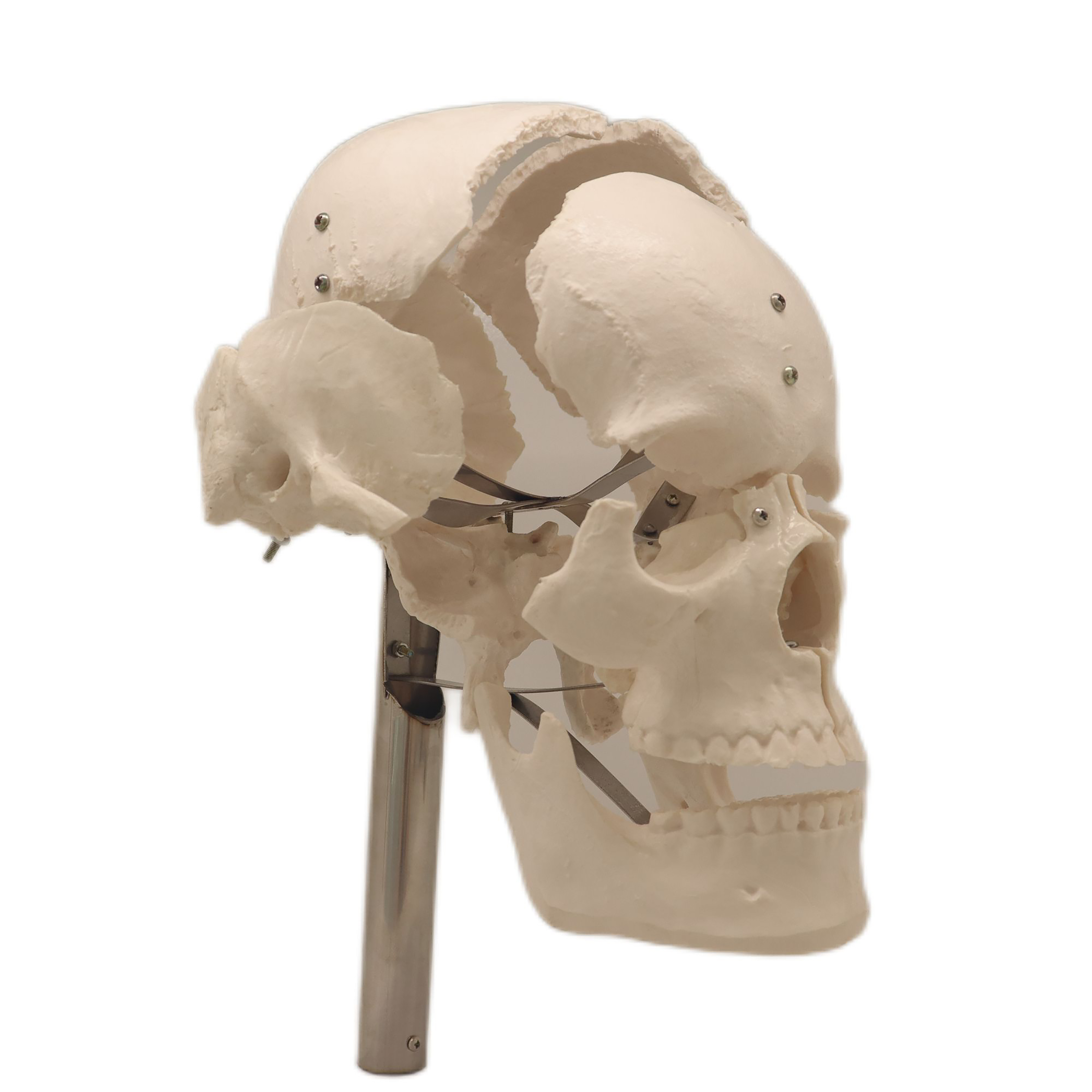
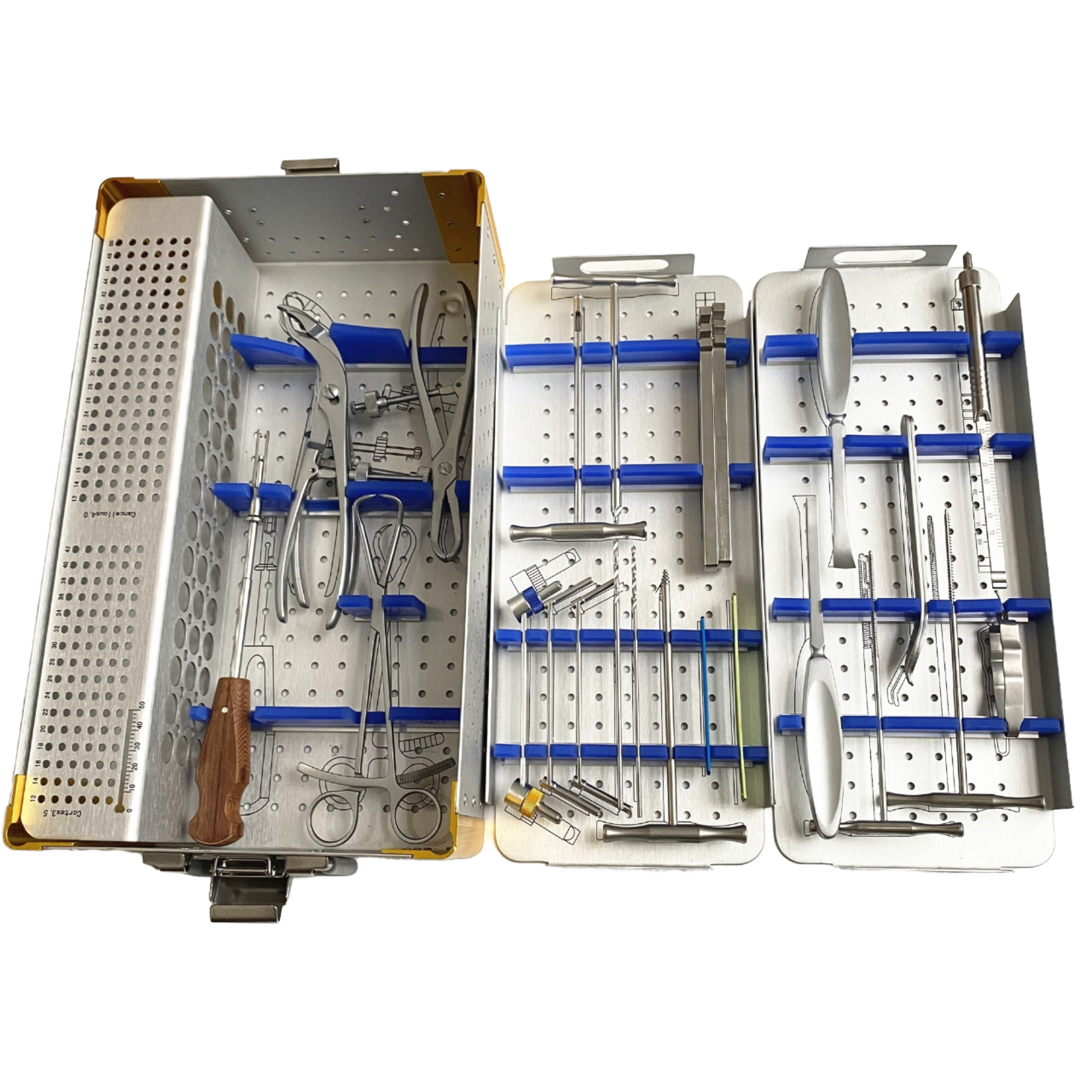
Small Fragment Orthopedic Upper Limb Instrument Kit Steel Manual Instruments
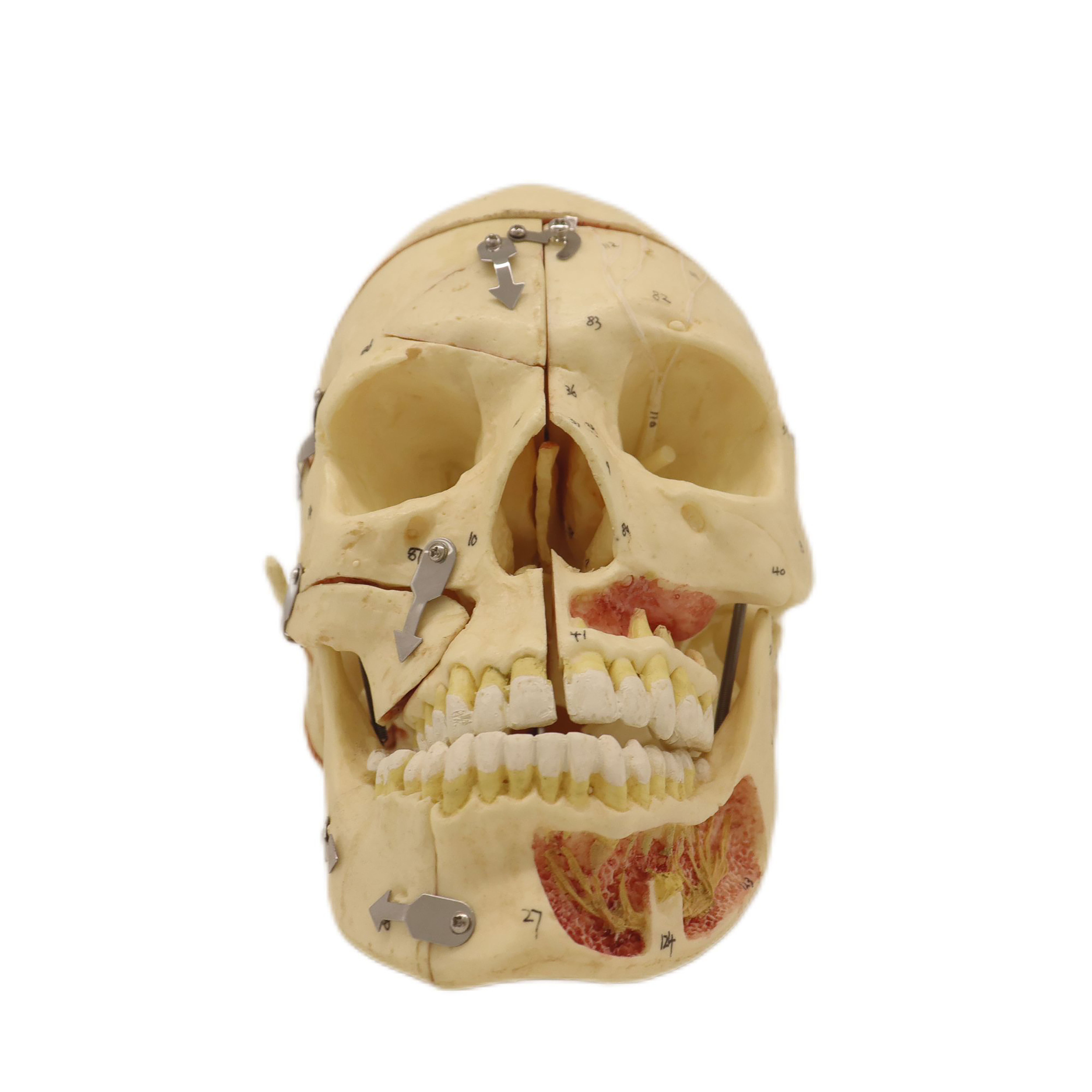
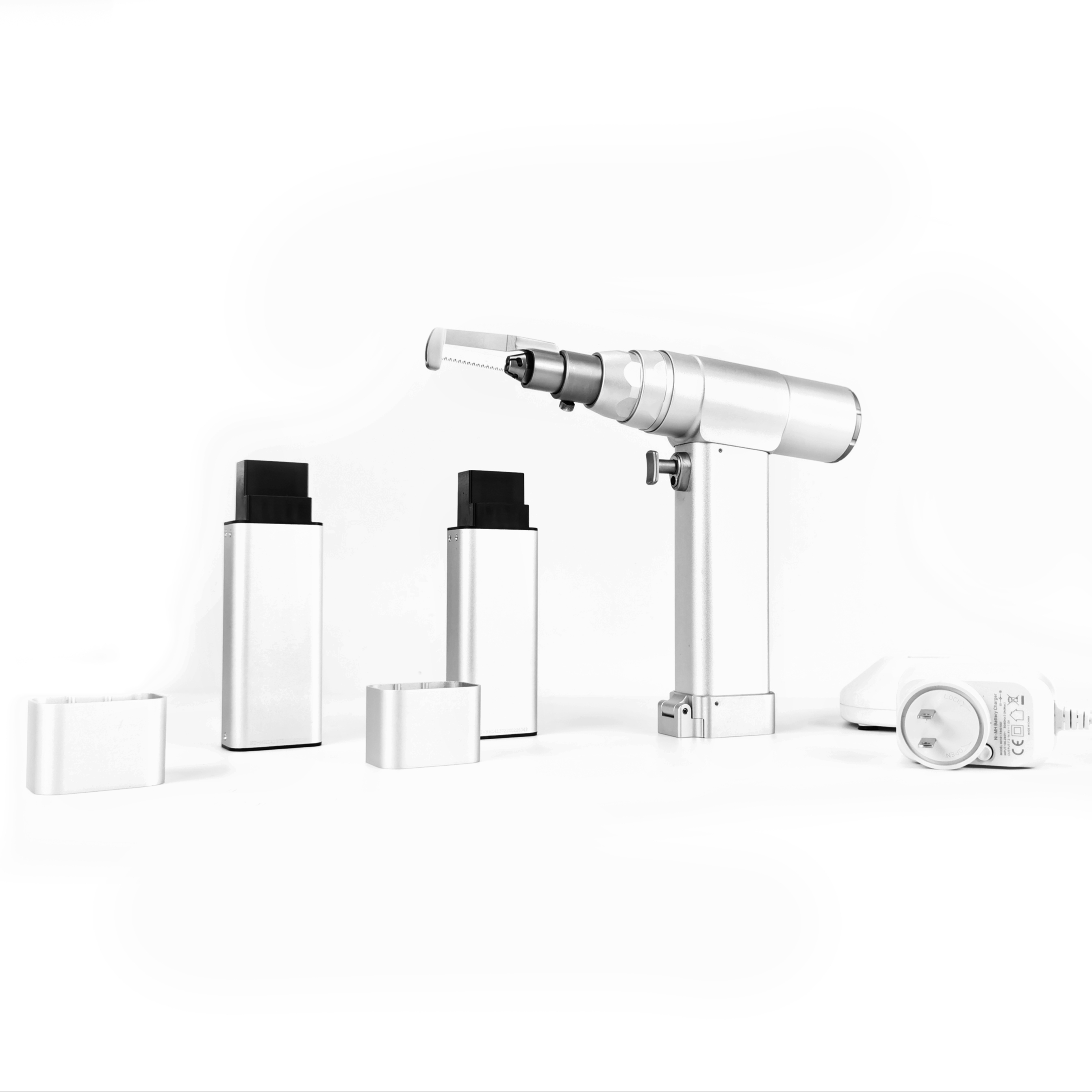
Factory Price Metal Sternum Saw Medical Electric Saw Orthopedic Drill Saw

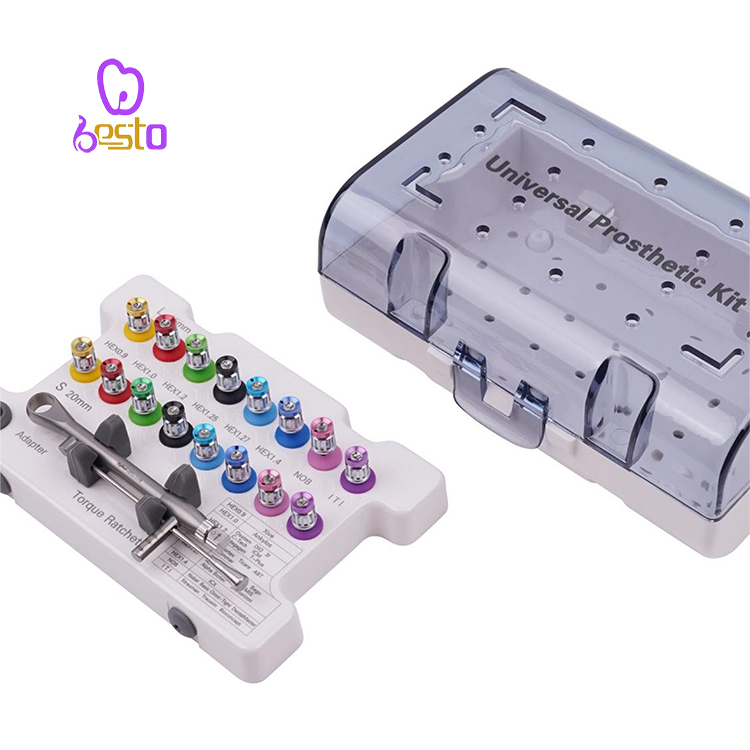
Electric Surgical Dental Implant Tool Box Steel Construction for Handpiece
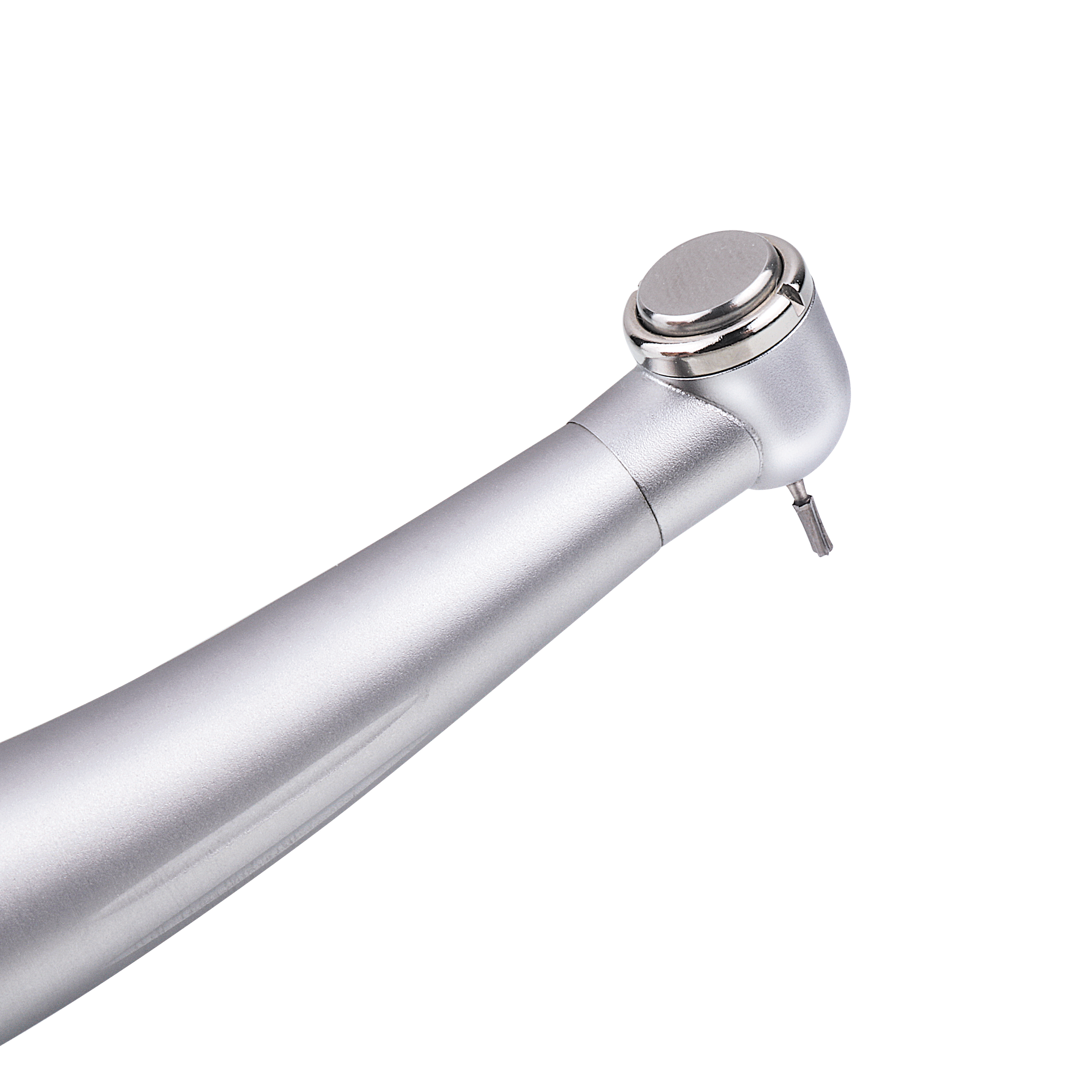
High-Speed Surgical Repair Handpiece for Implants Turbine Power Source
Expert Titanium Interlocking Femoral Intramedullary Nail System OEM/ODM
Engineering Biomechanics & Sourcing Femoral Nails from China
A rigorous metallurgical and biomechanical qualification guide for medical device importers, hospital procurement directors, and surgical distributors.
1. Anatomical Curvature Matching & Anterior Impingement Prevention
Femoral intramedullary nailing represents the gold standard for stabilizing diaphyseal, subtrochanteric, and combined femoral shaft fractures. However, one of the most persistent clinical failure modes in conventional nails is the radius of curvature (ROC) mismatch. First-generation interlocking nails were routinely manufactured with an average bow radius of 2.0 meters (2000 mm). Extensive epidemiological and anthropometric CT analysis confirms that true patient femoral anatomies display an average anterior radius of curvature varying between 1.1 meters and 1.5 meters.
When an over-straight nail (ROC > 1.8m) is inserted into a femur with a tighter anterior bow, significant hoop stress occurs at the distal anterior cortex. This causes anterior cortical abutment, distal fracture displacement, or even iatrogenic anterior cortex perforation during nail advancement. Top-tier Chinese manufacturers have re-engineered deep-hole cannulation and profile bending parameters to deliver an optimized anatomical ROC between 1.2m and 1.5m, minimizing insertion resistance, ensuring concentric distal canal alignment, and eradicating anterior cortical impingement.
Verify that your Chinese OEM supplier utilizes progressive variable-arc CNC bending rather than single-point mechanical deformation. Single-point bending induces high internal residual stresses and micro-fissuring inside the cannulated core, increasing dynamic bending fatigue risks under cyclic physiological loading (ASTM F1264).
2. Metallurgical Integrity: Ti-6Al-4V ELI vs. ISO 5832-1 316L Stainless Steel
The choice of raw alloy dictates patient recovery trajectories, load-sharing biomechanics, and postoperative radiopacity. Leading Chinese factories specialize in two primary medical-grade materials:
Ti-6Al-4V ELI (ASTM F136 / ISO 5832-3): Extra Low Interstitial Titanium Grade 5 is widely specified for premium trauma portfolios. With an elastic modulus of approximately 110 GPa—nearly half that of stainless steel (210 GPa)—titanium nails transfer controlled physiological micro-strain across the fracture gap. This accelerates callus formation through secondary bone healing while reducing the risk of stress shielding and bone resorption. Furthermore, titanium exhibits superior corrosion resistance and generates significantly fewer artifacts during follow-up MRI and CT scans.
Implant-Grade 316L Stainless Steel (ASTM F138 / ISO 5832-1): Stainless steel retains high clinical value in national healthcare tenders and cost-sensitive emerging markets. Its higher modulus provides superior initial torsional and bending rigidity, which is desirable in complex, comminuted multi-fragment fractures where prolonged load-bearing support is mandated before osseous bridging.
| Evaluation Parameter | Ti-6Al-4V ELI (Medical Grade 5) | 316L Stainless Steel (Vacuum Arc Remelted) | Clinical & Procurement Significance |
|---|---|---|---|
| Elastic Modulus (Stiffness) | ~105 – 114 GPa | ~200 – 210 GPa | Titanium reduces stress shielding; Steel offers extreme rigid fixation. |
| Tensile Yield Strength | ≥ 795 – 860 MPa | ≥ 690 – 750 MPa | Prevents nail deformation during unreamed or tight isthmus insertion. |
| Bending Fatigue Life (Cycles) | > 5 × 10⁶ @ 300N (ASTM F1264) | > 3 × 10⁶ @ 300N | Crucial for non-union or delayed-union durability without breakage. |
| CT / MRI Imaging Compatibility | Minimal Artifact Distortion | Moderate-to-High Artifacts | Titanium allows clear radiographic evaluation of callus bridging. |
| Economic Tender Feasibility | Mid-to-High Tier Private / Regulated Markets | High-Volume Public Health / Tender Focused | Enables distributors to build tiered pricing strategies. |
3. Cephalomedullary Reconstruction vs. Diaphyseal Interlocking Architecture
A modernized femoral nail production line must support multi-mode proximal and distal locking configurations:
Recon (Cephalomedullary) Locking: Features two oblique, converging lag screws angled upward at 125° to 130° into the femoral neck and head. This configuration provides secure structural fixation for ipsilateral femoral neck and shaft fractures or subtrochanteric fracture lines (AO/OTA 31-A, 31-B, and 32). High-precision factory milling of the proximal internal sleeve is mandatory to prevent screw back-out or medial migration.
Standard Static & Dynamic Interlocking: Incorporates proximal transverse locking and elongated distal dynamic slots. The distal oblong hole allows 5–7mm of controlled dynamization under axial patient weight-bearing, transforming shear stresses into compressive axial forces that reactivate osteogenesis in delayed union cases.
Why International Distributors Partner with GMV Medical
Located in Jinfeng Town, Zhangjiagang (Suzhou), Jiangsu GMV Medical Device Co., Ltd. combines 27+ years of engineering rigor with independent TÜV Rheinland verification.
TÜV Rheinland On-Site Verified
Our complete manufacturing infrastructure, quality control lab, cleanroom procedures, and trading capacities have undergone comprehensive on-site assessment by TÜV Rheinland. Full audit reports are available for qualified buyers.
High-Precision Swiss CNC Machining
Equipped with imported multi-axis CNC lathe centers, specialized deep-hole gun-drilling machinery for micro-cannulation, and precision thread-whirling tools, our facility consistently holds dimensional tolerances within ±0.005mm.
In-House Mechanical & Optical Lab
Every raw material batch undergoes chemical spectrometry and metallographic analysis. Finished implants are tested on electronic tensile testers, Rockwell hardness testers, dynamic fatigue rigs, and high-precision optical profile projectors.
OEM & ODM Private Labeling
We transform your clinical CAD blueprints or benchmark physical samples into market-ready CE/MDR-compliant products. We provide custom fiber-laser etching (UDI compliant), specialized surface anodization, and sterile barrier packaging.
Integrated Instrument Sets & OR Cases
We supply implant-matched surgical instruments: radiolucent carbon-fiber targeting guides, quick-coupling driving shafts, cannulated flexible reamers, and autoclavable anodized aluminum sterilization trays, ensuring seamless OR workflow.
Multilingual Global Regulatory Support
Our dedicated regulatory and foreign trade team serves hospital distributors across 16 languages. We prepare comprehensive Technical Documentation files (STED), biocompatibility data (ISO 10993), and Certificates of Free Sale (CFS).
Future Procurement & Technology Trends (2025–2030)
How surgical navigation, additive manufacturing, and strict regulatory consolidation are reshaping orthopedic supply chains.
1. Transition to Radiolucent Carbon-PEEK Targeting Systems
Freehand distal interlocking remains one of the greatest sources of fluoroscopic radiation exposure and prolonged operative time in femoral nailing. The industry is rapidly abandoning traditional stainless steel insertion handles in favor of radiolucent carbon-fiber reinforced PEEK (Polyetheretherketone) targeting frames. These frames allow continuous C-arm visualization of distal locking holes without parallax obstruction. Buyers are increasingly requesting complete kits equipped with electromagnetic or optical sensor guidance compatibility to facilitate rapid, radiation-free screw targeting.
2. Shift from Reusable Trays to Sterile Single-Use Procedure Packs
In mature healthcare systems throughout North America, Western Europe, and Australasia, hospital cross-contamination risks and soaring central sterile processing costs have accelerated demand for pre-sterilized, single-use procedure kits. Instead of shipping massive 25-kilogram metal instrument cases that require hospital autoclaving prior to each trauma case, leading factories now produce pre-packaged, Gamma-irradiated blister packs containing the specific nail, matching locking screws, disposable drills, and single-use guide pins. This model cuts hospital logistical overhead by 40%.
3. Additive Manufacturing (3D Printing) & Bioceramic Coating Innovations
While the nail shaft retains its extruded titanium or steel geometry to preserve fatigue resistance, the proximal and distal extremities are evolving. Leading OEMs are integrating selective laser melting (SLM) to create trabecular titanium porous coatings on proximal nail shoulders. This micro-porous lattice mimics cancellous bone architecture, encouraging osseointegration and preventing long-term implant loosening in osteoporotic geriatric patients.
4. Supply Chain Consolidation Under EU MDR (2017/745) & US FDA 510(k)
Stricter post-market clinical follow-up (PMCF), comprehensive clinical evaluation reports (CER), and Unique Device Identification (UDI) mandates are causing rapid consolidation among suppliers. Small, non-compliant workshops in Asia are closing down, whereas verified manufacturers with robust quality management systems (like Jiangsu GMV Medical) are absorbing global market share. Savvy importers are consolidating their supplier bases—migrating away from trading brokers to direct factory relationships with deep technical files.
Frequently Asked Questions by Orthopedic Importers
Detailed technical answers addressing quality control, regulatory approvals, instrument compatibility, and factory audit policies.
How do you guarantee batch-to-batch metallurgical conformity and prevent intramedullary nail fatigue breakage?
At Jiangsu GMV Medical, raw material bars are sourced strictly from accredited medical titanium and stainless steel mills with full Material Test Reports (MTRs) compliant with ASTM F136 (Ti-6Al-4V ELI) and ASTM F138 (316L). Every batch undergoes inbound optical emission spectrometry to verify chemical composition (controlling interstitial oxygen, nitrogen, and carbon below critical thresholds).
During machining, deep-hole gun-drilling is monitored with internal bore endoscopes to eliminate micro-burrs and surface score marks that serve as stress risers. Post-machining, all nails undergo validated chemical passivation (ASTM F86) and electropolishing, followed by ASTM F1264 cyclic four-point bending fatigue testing to over 5 million cycles without micro-crack initiation.
Can Jiangsu GMV Medical customize the radius of curvature (ROC) for distinct demographic markets?
Yes. We provide full ODM design-based customization. Anthropometric studies confirm that Asian and Latin American populations frequently present with a tighter anterior femoral bow (ROC 1.1m–1.3m) and smaller isthmus diameters compared to Caucasian populations (ROC 1.4m–1.6m). We can modify CNC toolpaths to produce nails with tailored bow radii and diameter increments ranging from 8.5mm to 13mm in 0.5mm steps, paired with custom length selections from 320mm to 440mm.
What regulatory documentation do you provide for MOH registration in target export markets?
We supply complete Technical Dossiers structured in Common Technical Document (CTD / STED) format. This includes ISO 13485:2016 quality system certificates, Certificate of Free Sale (CFS), raw material mill certificates, ISO 10993 biocompatibility testing reports (cytotoxicity, sensitization, systemic toxicity), ASTM F1264 mechanical test reports, packaging sterile barrier validation data (ISO 11607), and accelerated aging shelf-life reports (up to 5 years).
How do you resolve surgical alignment tolerances between targeting frames and distal locking screws?
A common grievance among surgeons using third-party nails is the "drift" of distal targeting guides, causing drill bits to miss the distal locking holes. We manufacture both the intramedullary nails and the dedicated surgical instrument kits in the exact same facility using synchronized coordinate measuring machine (CMM) fixtures.
Our proximal insertion jigs feature hardened stainless steel connection blocks with multi-point geometric indexing pins to eliminate rotational play. Prior to dispatch, each production lot of nails is 100% dry-fit tested against production targeting jigs on coordinate check fixtures.
Can we audit your manufacturing facility in Suzhou, China prior to issuing a commercial tender contract?
Distributors, institutional tender boards, and third-party audit agencies (such as SGS, Bureau Veritas, or TÜV) are welcome to perform on-site factory audits at our facility in Jinfeng Town, Suzhou, Jiangsu. We provide complete transparency across raw material quarantine warehouses, CNC production halls, cleanroom packaging areas, and testing laboratories. For clients unable to travel internationally, we facilitate high-definition live video audits led by our senior quality assurance engineers.
