Comprehensive Orthopedic Whitepaper
Biomechanical Engineering and Strategic Sourcing of Lumbar Interbody Fusion Cages
In degenerative disc disease (DDD), spondylolisthesis, and lumbar canal stenosis, the restoration of disc height, lordosis re-establishment, and direct decompression of neural foramina hinge upon the mechanical stability and osteoconductive capabilities of interbody fusion devices. As hospitals and tier-one medical distributors reassess global supply lines, Chinese high-precision medical device clusters—concentrated heavily within the Yangtze River Delta industrial belt—have evolved from straightforward contract toll-processors into sophisticated original design manufacturers (ODMs) dominating global spinal tenders.
Sourcing high-performance lumbar cages from China requires engineering-level scrutiny of three interdependent pillars: Biocompatible Material Science, Anatomical Lordotic Restoration, and Dynamic Stress Distribution. Implants that fail to mitigate stiffness disparities induce stress shielding, subsidence into adjacent vertebral endplates, or fibrous pseudarthrosis. Modern Chinese manufacturing hubs like Jiangsu GMV Medical integrate 5-axis precision CNC machining, vacuum electron beam welding, and advanced 3D selective laser melting (SLM) to yield implants matching the highest clinical tolerances dictated by ASTM F2077, ASTM F2267, and ISO 13485.
Surgical Approaches & Morphological Matching
Lumbar interbody fusion relies on precise anatomical geometry tailored to specific operative corridors. Premium Chinese manufacturers engineer differentiated footprints across all five mainstream approaches:
Anatomical Interbody Classification Matrix:
- TLIF (Transforaminal): Bulleted nose geometry to facilitate insertion past traversing nerve roots with minimal dural retraction; available in curved and straight configurations.
- PLIF (Posterior): Rectangular parallel footprint deployed in pairs, engineered with bi-directional serrations to resist axial pullout and retro-pulsing.
- ALIF (Anterior): Large cross-sectional load-bearing surface area accommodating 4° to 12° lordotic angles to anatomically restore physiological lumbar lordosis at L4-S1.
- LLIF / XLIF (Lateral): Wide transverse spans resting squarely upon the dense cortical apophyseal ring, preventing structural subsidence in osteoporotic bone.
- OLIF (Oblique): Angled lead-ins circumventing the psoas muscle and retroperitoneal vasculature for accelerated postoperative rehabilitation.
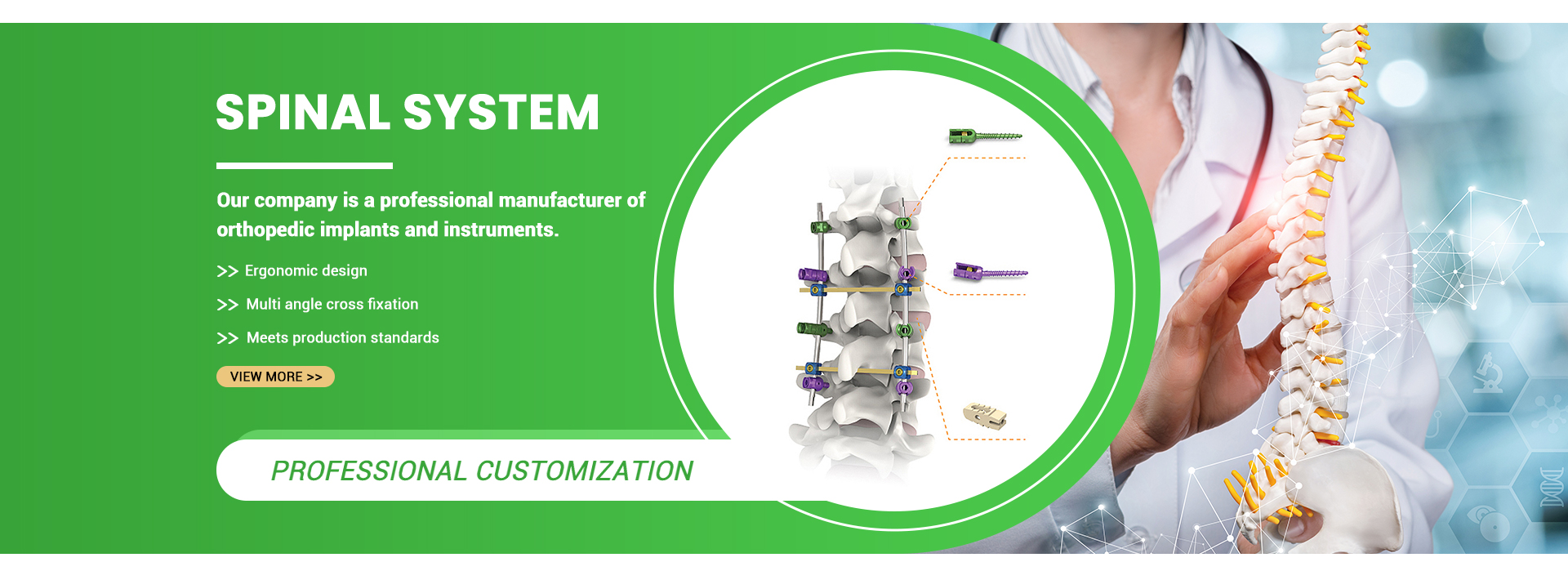
Figure 1.1: Precision engineered titanium-reinforced posterior pedicle screw construct with lumbar cage integration for rigid circumferential stabilization.
Materiality Convergence: Medical PEEK vs. 3D-Printed Porous Titanium
Procurement directors are frequently confronted with the tradeoff between radiolucent polymers and bioactive metallic meshes. Polyetheretherketone (PEEK-OPTIMA® equivalent) remains the clinical gold standard for postoperative radiographic assessment, featuring an elastic modulus of ~3.6 GPa that closely mimics natural human trabecular bone (1–2 GPa) and cortical bone (12–18 GPa). However, unmodified hydrophobic PEEK surfaces tend to trigger a quiescent fibrous encapsulating response rather than true osseous integration.
To address this, forward-thinking Chinese medical exporters deploy additive manufacturing using medical-grade Titanium Grade 5 ELI (Ti-6Al-4V ELI / ASTM F136). Through direct metal laser sintering, factories create stochastic interconnected lattices with calibrated porosity (60% to 75%) and pore diameters (400–700 μm). This mimics natural bone osteoconductivity, capillary blood wicking, and native cellular colonisation without incurring structural subsidence risks.
| Evaluation Parameter |
Medical-Grade PEEK (Uncoated) |
Titanium Plasma-Sprayed PEEK |
3D-Printed Trabecular Titanium (SLM) |
| Elastic Modulus (Stiffness) |
~3.6 GPa (Closest to human cancellous bone) |
3.6 GPa core / Higher surface stiffness |
~1.5 - 3.0 GPa (Engineered porous lattice) |
| Osseointegration Capacity |
Passive (Fibrocartilage encapsulation) |
High (Initial micromechanical interlock) |
Superior (3D through-growth and vascularization) |
| Radiographic Assessment |
Radiolucent (Requires embedded Ta/Ti markers) |
Moderate radiolucency through core |
Partial radiopaque scatter under CT/MRI |
| Delamination & Shear Risk |
Zero delamination (Monolithic construct) |
Potential interface shear under high torsion |
Zero delamination (Monolithic lattice) |
| Central Graft Volume Ratio |
High (~40-50% internal chamber volume) |
High |
Maximum (Lattice itself acts as biological bone carrier) |
| Commercial Sourcing Cost |
Highly competitive benchmark |
Premium (Secondary plasma treatment cost) |
Premium initial capital, high clinical tier |
Enterprise Sourcing Advantages
Why Jiangsu GMV Medical Device Co., Ltd. Leads Chinese Spine Exports
A 27-year manufacturing legacy verified on-site by TÜV Rheinland, operating integrated Class 100,000 cleanrooms and in-house metrology centers in Jinfeng Town, Suzhou.
TÜV Rheinland Audited Facility
Our Jinfeng Town manufacturing base has passed intensive on-site factory verification by TÜV Rheinland. We supply complete audit reports, cleanroom bioburden logs, and ISO 13485:2016 quality certifications directly to foreign tender authorities.
In-House 5-Axis Precision Machining
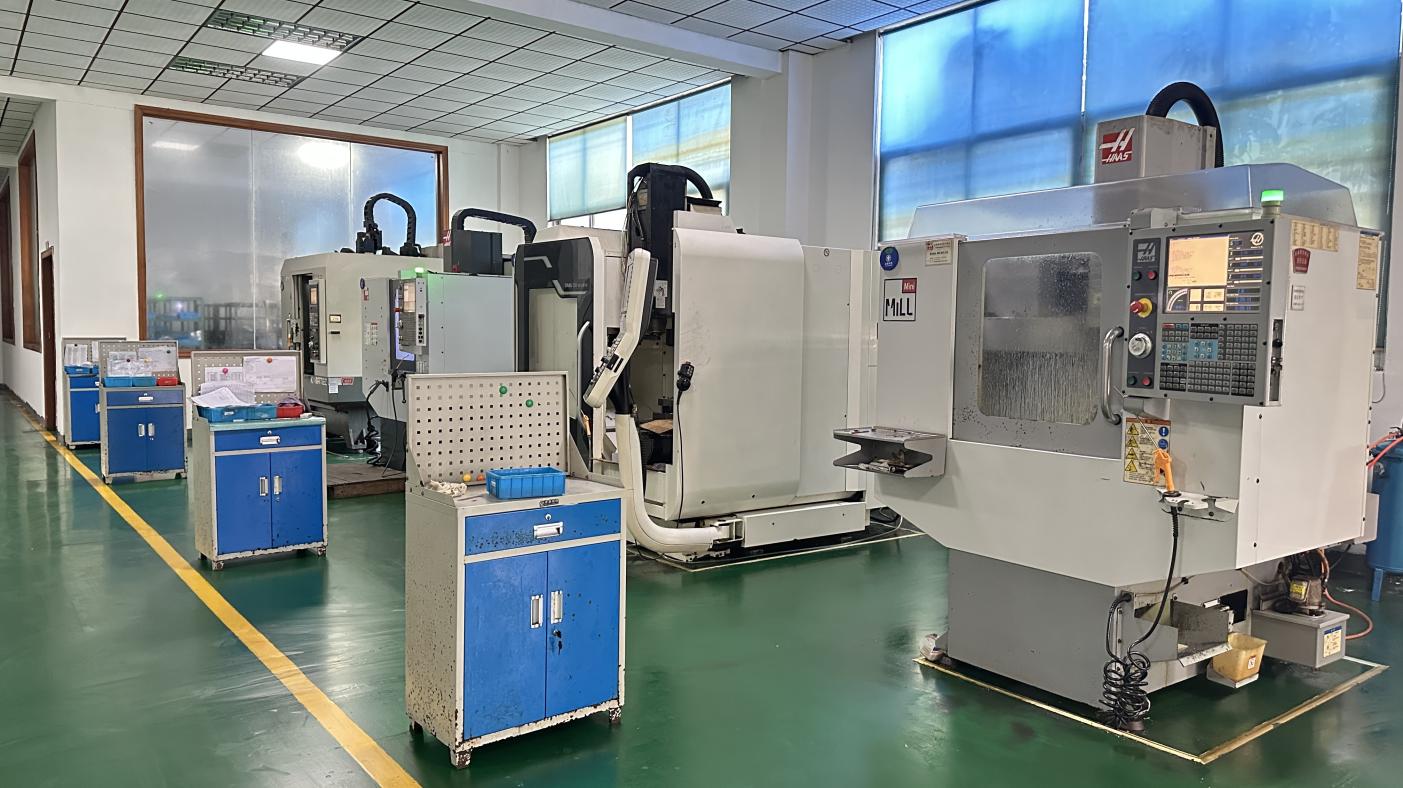
Eliminate third-party contractor markups and quality drift. Our plant houses multi-spindle Citizen CNC lathes, Haas machining centers, and precision wire EDM cutters, ensuring micro-inch machining tolerances across complex multi-lordotic cage teeth.
Full In-House Destructive & Optical Lab
Every raw lot undergoes optical comparator inspection, Rockwell hardness testing, and axial compression-shear testing via hydraulic tensile test benches. We verify material mill test certificates (MTC) conforming rigorously to ASTM F136 and ASTM F2026.
Agile OEM & ODM Spine Engineering
Distributors building proprietary brands can leverage our 3D CAD modeling, clinical mock-up rapid prototyping, laser etching, and tailored blister packaging. We convert custom surgeon blueprints into market-ready implants in as little as 35 days.
Matched Cage-Instrument Kits
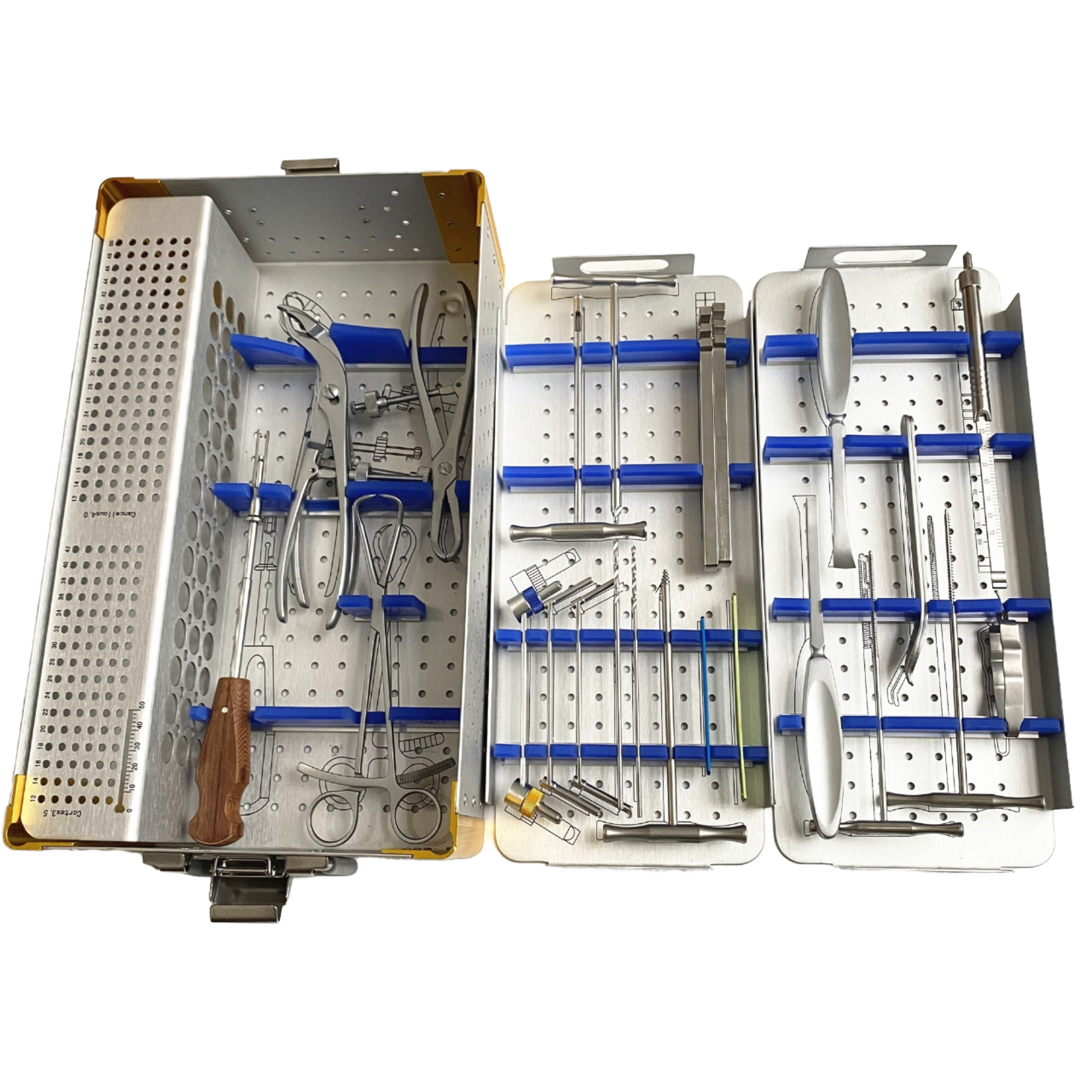
Avoid surgical misalignment in the OR. We fabricate dedicated sterilization tray systems containing matching intervertebral distractor trials, paddle reamers, rasp currettes, articulating inserters, and impaction handles machined to the exact cage interfaces.
Multilingual Export Execution
Over two decades of established logistical export operations to 60+ countries across Latin America, Southeast Asia, the Middle East, Eastern Europe, and Africa. We supply customized Certificate of Free Sale (CFS), consular legalization, and registration dossiers.
Photographic Verification of Production Capability
Direct views of our verified CNC workshops, milling cells, laser marking infrastructure, and metrology labs at Jiangsu GMV Medical: