Surgical Power

Comprehensive surgical instruments, micro-fixation assemblies, osteotomy saw kits, and teaching systems engineered to high clinical tolerances for hospital procurement and distributor networks.






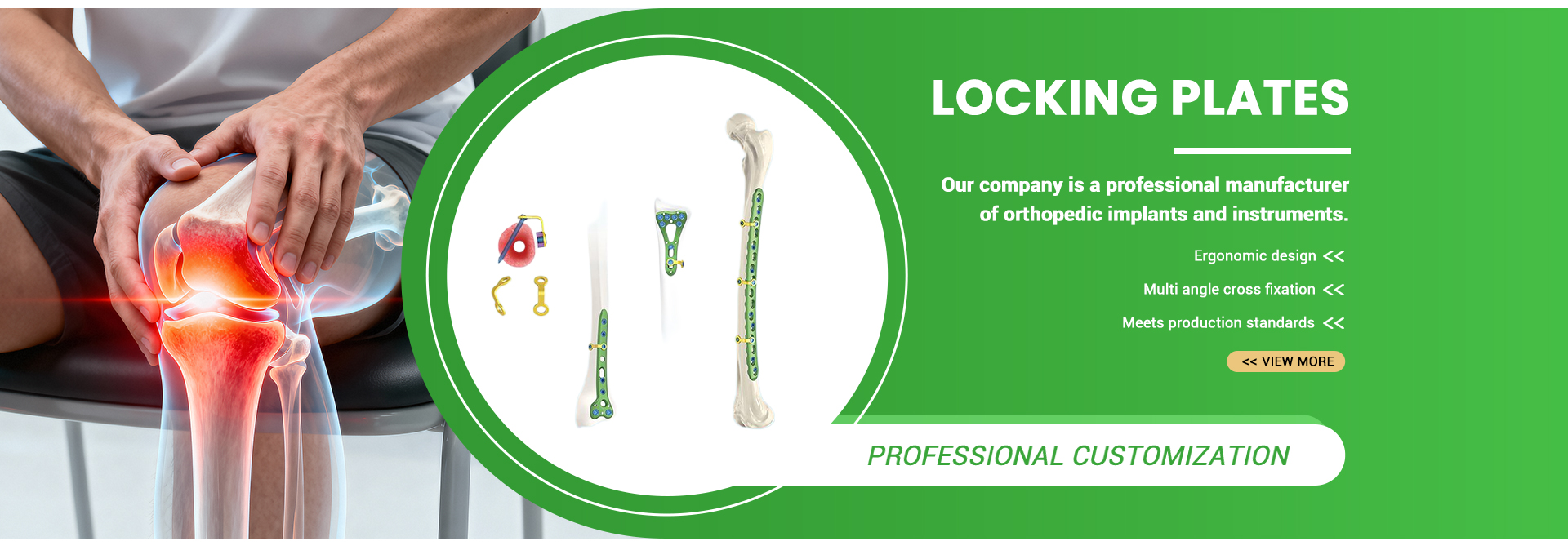
Micro bone screws represent the pinnacle of precision manufacturing in osteosynthesis. Designed for anatomical regions with delicate osseous structures—including cranio-maxillofacial (CMF) surgery, hand, wrist, foot, and distal phalangeal repair—micro screws must achieve maximum mechanical stability while presenting an ultra-low profile to avoid soft tissue impingement.
As a foremost Chinese manufacturer and exporter, Jiangsu GMV Medical Device Co., Ltd. applies sub-micron CNC Swiss screw machining centers to formulate advanced cortical and self-tapping micro screws. The integration of Star-drive (Torx-compatible) recesses substantially suppresses driver cam-out compared to traditional cruciform geometries, delivering higher axial insertion control without micro-fracturing adjacent cortices.
Every manufactured batch undergoes strict automated laser coordinate scanning, continuous optical projection analysis, and cyclical dynamic torque testing conforming to ASTM F543 benchmarks for medical bone screws.
Micro Bone Screw System vs. Standard Small Fragment Systems:
A comparative evaluation of medical titanium alloys versus stainless steel configurations, formulated to assist hospital supply managers and global distributors in tender evaluation.
| Evaluation Parameter | Ti-6Al-4V ELI Titanium Alloy (Grade 23) | Medical-Grade 316L Stainless Steel | Biodegradable Magnesium Alloy (Emerging) |
|---|---|---|---|
| Elastic Modulus (GPa) | 110 – 114 (Closer to cortical bone, reduces stress shielding) | 190 – 205 (Rigid, higher risk of adjacent cortical resorption) | 40 – 45 (Near-ideal match with human osseous tissue) |
| Diagnostic Imaging Artifacts | Minimal MRI/CT Artifacts | Noticeable Scattering Distortion | Zero Magnetic Susceptibility |
| Yield Torque / Torsional Resistance | Superior yield strength-to-weight ratio; ductile failure mode | High sheer strength; prone to sudden rotational strip if undersized | Moderate; constrained to non-load bearing craniofacial zones |
| Biocompatibility & Tissue Reaction | Inert TiO2 passive oxide layer prevents ion leaching | Acceptable biocompatibility; nominal risk of nickel sensitivity | Bioabsorbable into endogenous metabolic pathways |
| Procurement Economics | Preferred standard for Western, APAC & Middle East private sectors | Cost-effective selection for national public health tenders | High R&D premium; specialized clinical deployment |
How international orthopedic procurement teams are restructuring supply chain agreements to manage risk, ensure MDR compliance, and optimize inventory turns.
Global hospital networks are shifting away from bulk non-sterile screw caddies toward single-patient, color-coded sterile blister packaging with individualized GS1 Datamatrix barcodes. This minimizes operating theater autoclaving overhead and guarantees uninterrupted lot traceability.
Distributors are consolidating margins by bypassing regional middlemen and commissioning custom thread forms directly from verified Chinese manufacturing facilities. OEM contracts increasingly require custom laser engraving, tailored flute geometries, and bespoke packaging configurations.
Regulatory frameworks such as EU MDR 2017/745 mandate comprehensive post-market clinical follow-up (PMCF) and rigorous Technical Documentation. Exporters with independent third-party credentials—such as Jiangsu GMV's TÜV Rheinland verified plant—hold a distinct advantage in international tender awards.
Key engineering breakthroughs in biomaterials, surface morphology, and computer-guided surgery driving the subsequent phase of osteosynthesis manufacturing.
Advancements in micro-arc oxidation (MAO) and electrochemical acid etching create sub-micron porous topographies on titanium micro screws. These nano-features stimulate rapid osteoblast differentiation and accelerate osseointegration in compromised bone beds without loosening.
While micro screws remain predominantly subtractive CNC machined for thread precision, their locking interfaces are being customized to couple with additive manufactured 3D-printed sub-periosteal mesh implants, optimizing treatment for complex craniofacial trauma.
To eliminate second-stage hardware removal surgeries in pediatric and craniofacial reconstructive settings, high-purity magnesium alloy micro screws designed to safely degrade into biological tissue are undergoing expedited regulatory clinical approvals across Asia and Europe.
With 27+ years in orthopedic implant manufacturing, our Suzhou facility delivers verifiable production integrity, accredited testing laboratories, and end-to-end OEM/ODM execution.
Our complete production facility in Jinfeng Town, Suzhou, China has been audited and verified on-site by TÜV Rheinland. Distributors engage directly with production engineers and QA directors rather than third-party trading agencies.
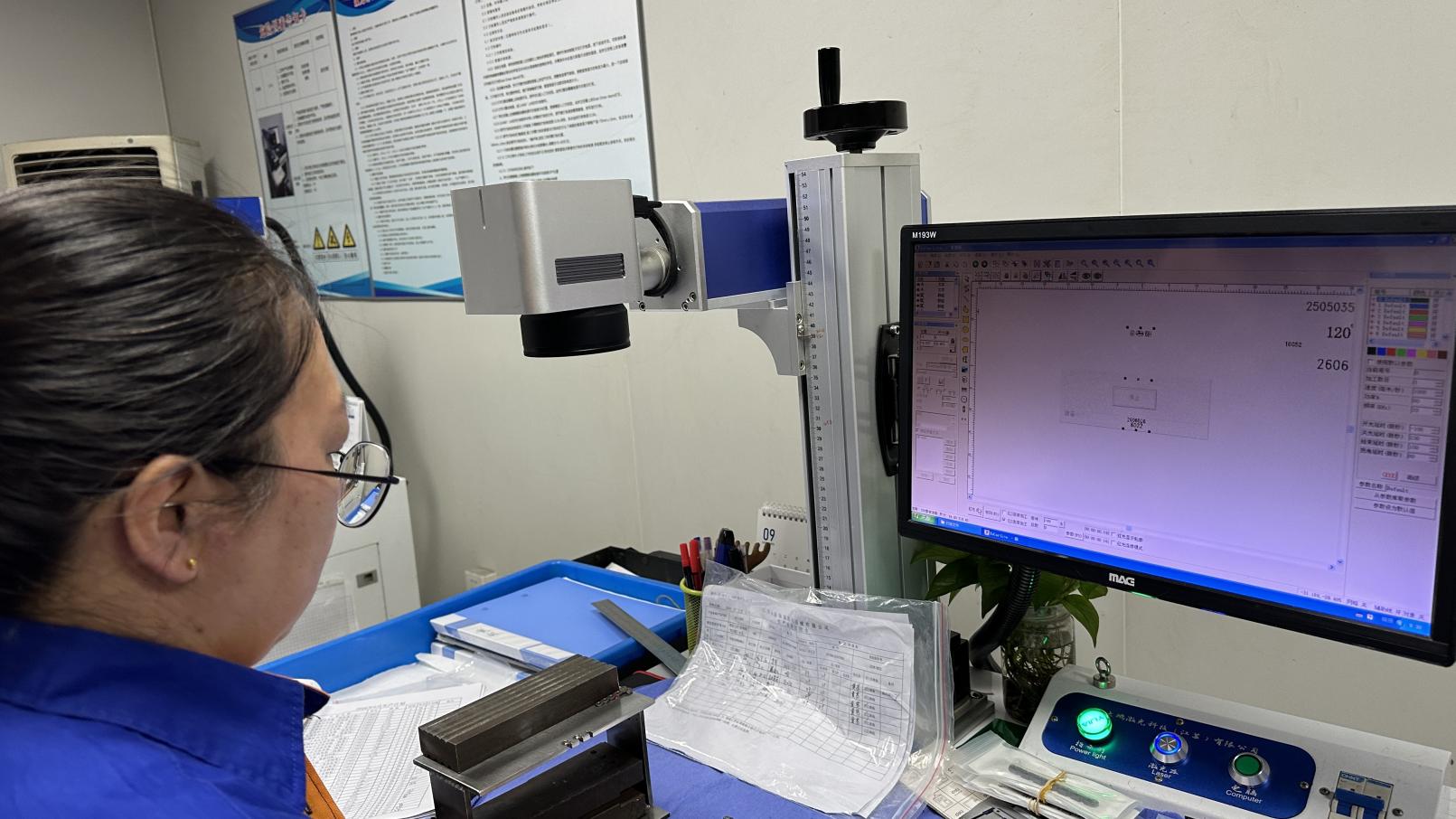
Equipped with high-precision CNC multi-axis lathes, specialized thread whirling tools, automated laser markers, and ultrasonic cleaning lines, we achieve thread consistency and dimensional tolerances down to ±0.005 mm.
Every heat batch of raw titanium alloy and stainless steel is verified via spectral chemical analysis, micro-hardness testers, optical projection measurement, and universal tensile/torsion test benches to ensure zero surgical failures.
High-precision machining workshops, quality control apparatus, and dedicated surgical assembly lines at Jiangsu GMV Medical Device Co., Ltd.


Clarifications on international compliance, OEM customizations, material certifications, and shipping protocols.
Access our comprehensive micro bone screw specifications, anatomical plate matrices, and surgical instrument catalogs. Direct factory pricing with complete OEM/ODM engineering support.
