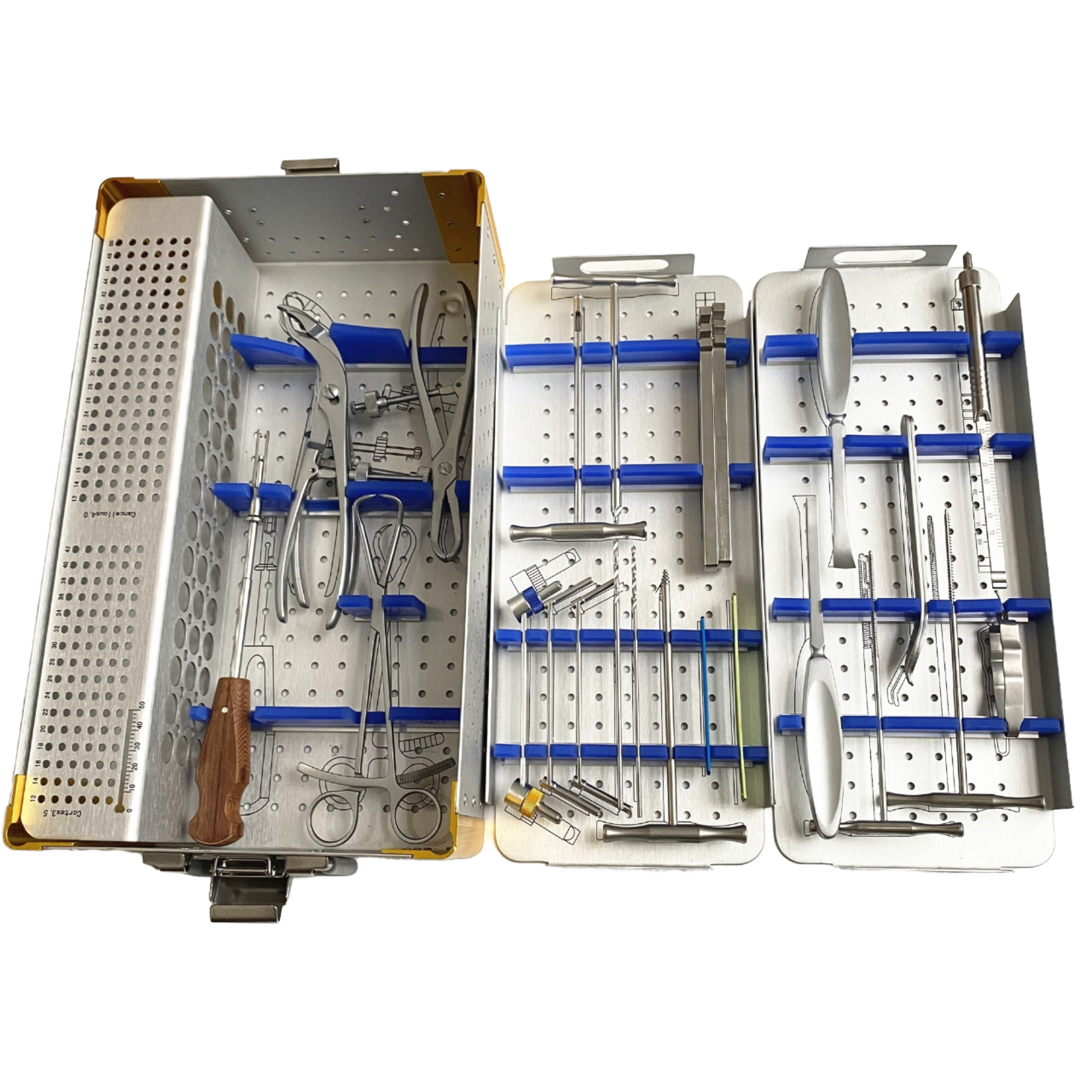
High-Precision Orthopedic & Surgical Instrumentation
Manufactured under strict ISO 13485 cleanroom and CNC milling protocols, our wholesale orthopedic tools deliver micro-level dimensional precision, biocompatible metallurgy, and seamless intra-operative compatibility.
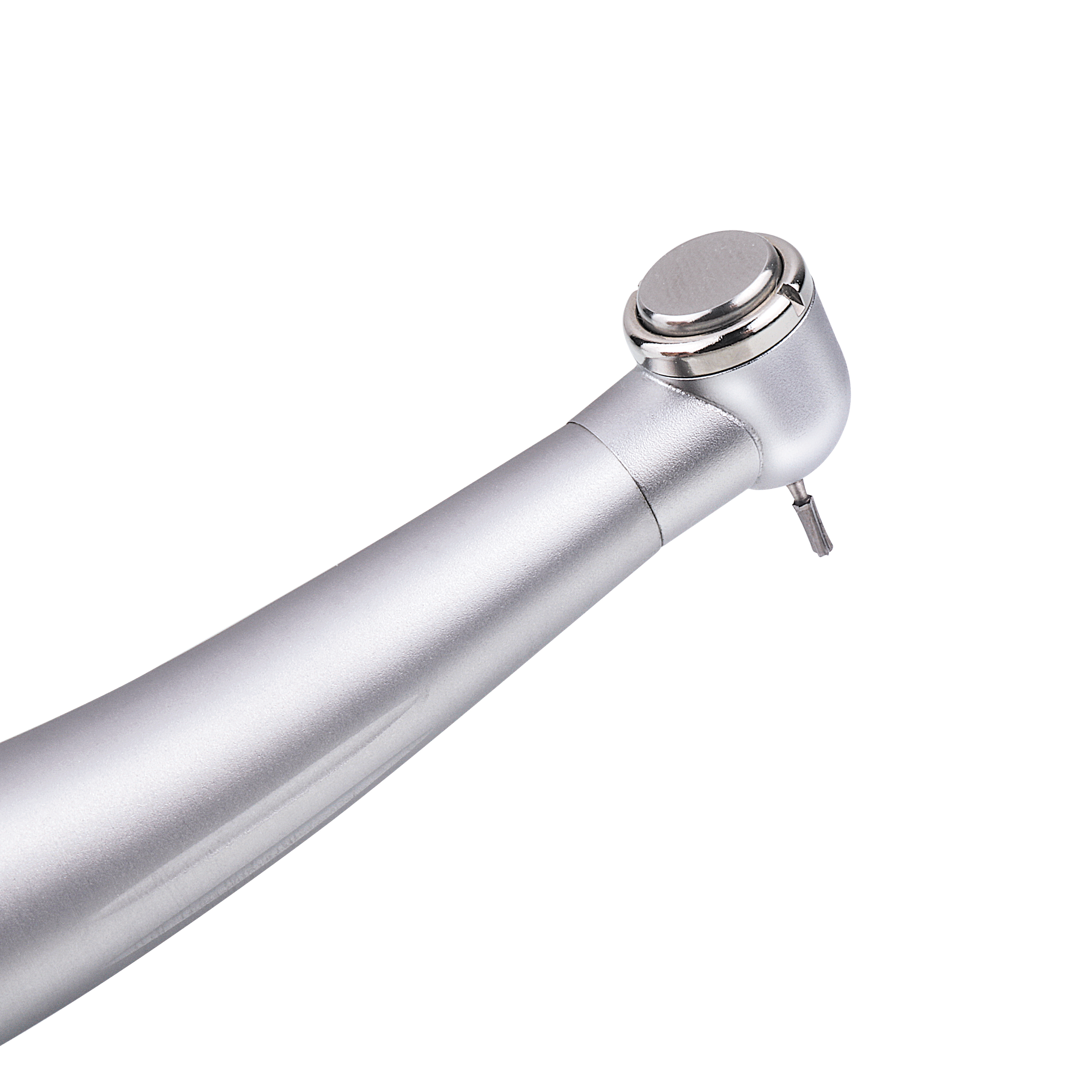
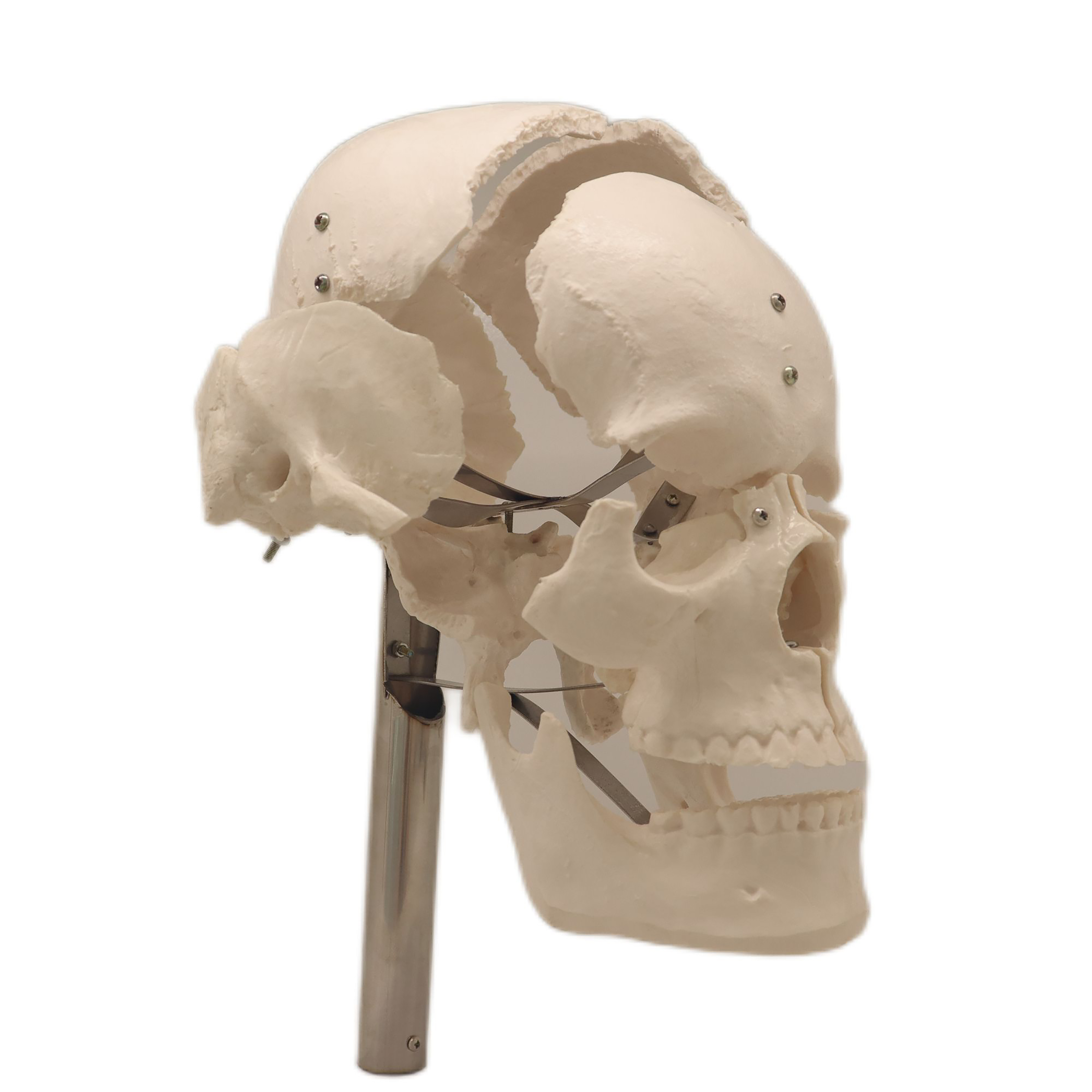
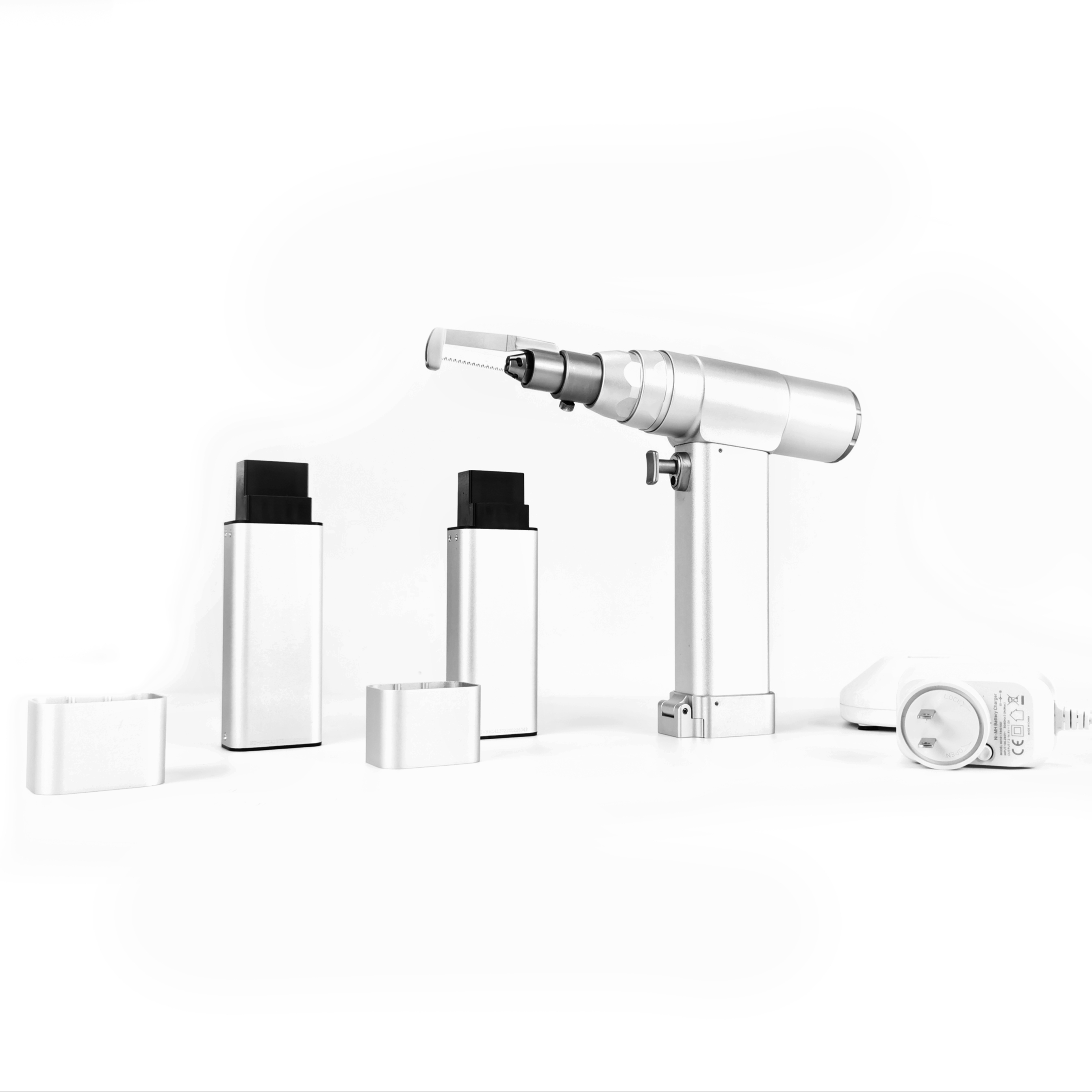
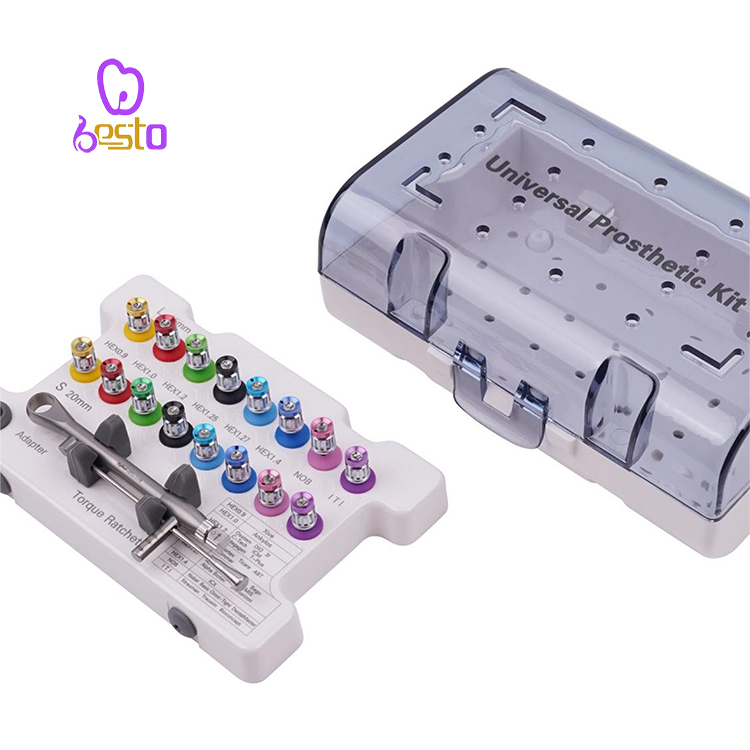

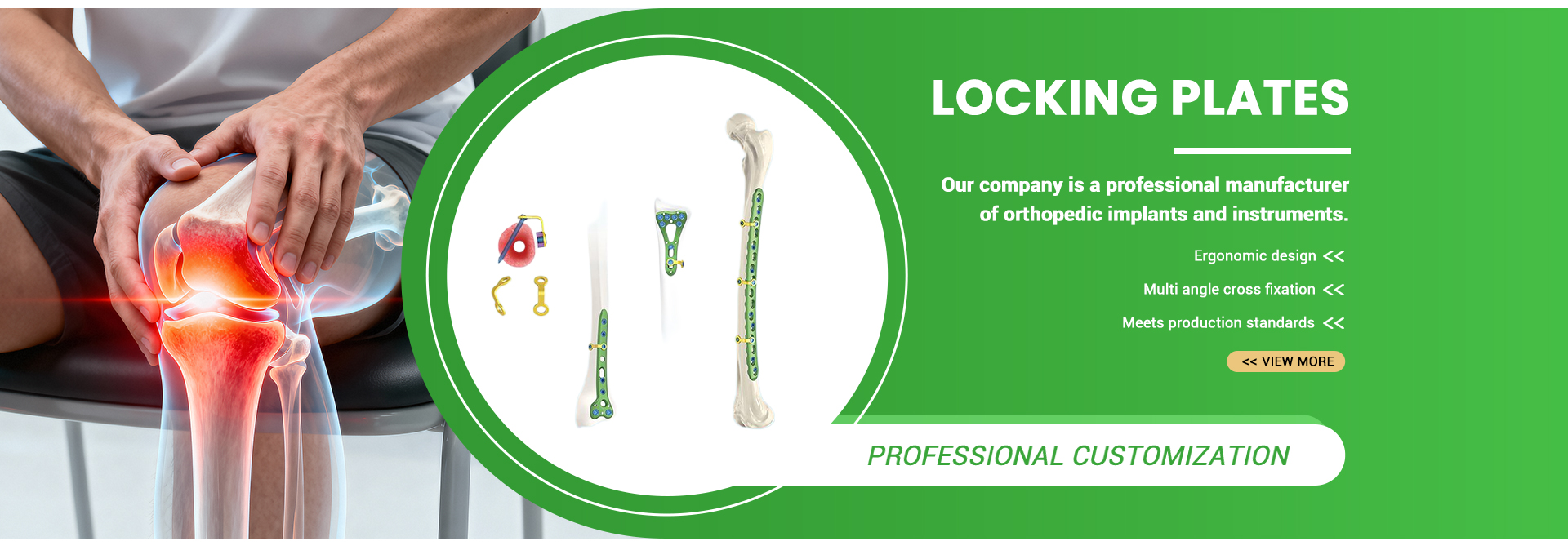
Titanium Multi-Axial Anatomical Locking Plate & Screw System
The Strategic Realignment in Orthopedic Device Manufacturing
The global musculoskeletal instrumentation marketplace is undergoing a profound paradigm shift. Driven by surging healthcare expenditures in aging demographics, hospital budget realignments under Volume-Based Procurement (VBP), and stricter post-market clinical surveillance guidelines (such as the European Medical Device Regulation EU MDR 2017/745), healthcare systems and distributors are re-evaluating their supply lines. Historically, procurement teams in North America, Western Europe, and Latin America relied heavily on traditional Tier-1 Western OEMs whose substantial overhead, marketing surcharges, and long-tail lead times created heavy fiscal burdens.
Today, China has evolved from a simple low-cost component supplier into an integrated technological powerhouse for contract design and manufacturing (CDMO) of class IIa, IIb, and class III orthopedic devices. Advanced manufacturing clusters in Jiangsu province—spearheaded by certified manufacturers like Jiangsu GMV Medical Device Co., Ltd.—operate 5-axis CNC machining centers, automated robotic deburring systems, and Class 100,000 cleanroom packaging suites that match or exceed Western manufacturing tolerances while preserving a competitive cost advantage of 30% to 55%.
"Value-based healthcare does not tolerate compromise in clinical safety. Sourcing directly from verified Chinese manufacturers with integrated mechanical testing laboratories eliminates commercial broker markups while securing uncompromising mechanical compliance."
Material Purity and Micro-Machining Integrity
Surgical instruments used in orthopedic reconstruction—including cannulated reamers, periosteal elevators, bone-holding forceps, and oscillating sternum saws—are subjected to repetitive mechanical torque, cyclical fatigue, and aggressive alkaline reprocessing chemicals. Leading Chinese exporters utilize strictly verified biocompatible materials compliant with ASTM F136 (Ti-6Al-4V ELI) and ASTM F138 / ISO 5832-1 (Implant-grade 316LVM Stainless Steel). Through complete control over CNC lathe turning, wire electrical discharge machining (EDM), and computer-monitored anodic oxidation, instrument tolerance is maintained within ±0.005mm, guaranteeing instantaneous mechanical coupling and preventing intra-operative slippage or metal particulate shedding.
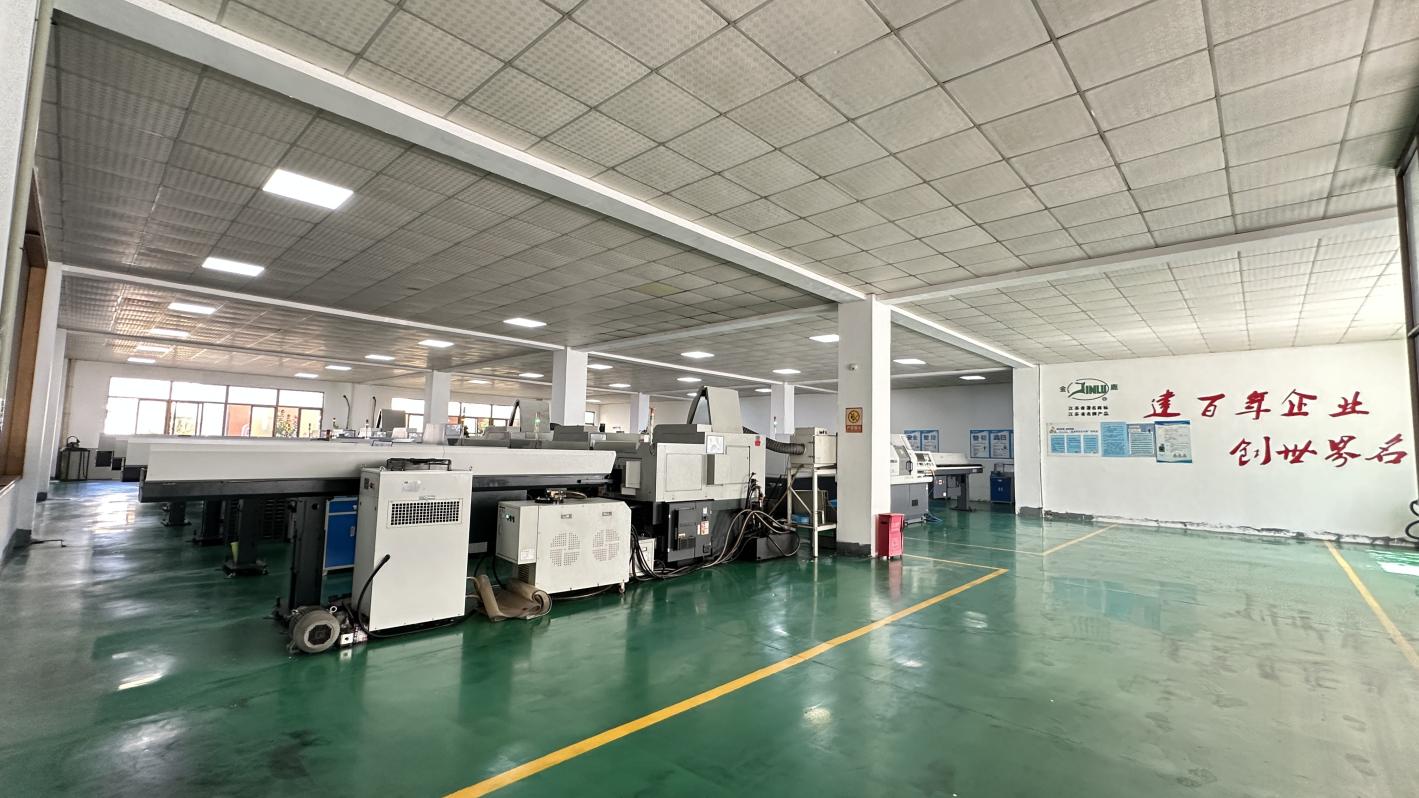
On-Site Audited by TÜV Rheinland
Jiangsu GMV Medical Device Co., Ltd. maintains open audit protocols for international regulatory auditors and procurement delegates. Our Jinfeng Town, Suzhou production plant encompasses raw stock metallurgical verification, 5-axis DMG MORI CNC milling, ultrasonic cleaning baths, and automated optical projectors.
• Cleanroom Classification: Class 100,000 (ISO Class 8)
• In-House QC: Tensile, Rockwell Hardness, Optical Comparator
• Traceability: Individual 2D DataMatrix Laser Etching
Product Development Trends Shaping the Next Decade of Orthopedics
The convergence of surgical robotics, bio-inert polymers, minimally invasive techniques, and additive manufacturing is reshaping how orthopedic surgical sets are engineered and procured.
Additive 3D Scaffolds & Hybrid Instruments
Selective Laser Melting (SLM) enables the production of highly porous titanium trabecular structures with modulus characteristics mimicking cancellous bone. Instrument manufacturing now utilizes hybrid DMLS fabrication for custom patient-matched cutting guides, slotted jigs, and complex drill sleeves that reduce surgical operating times by over 20%.
Minimally Invasive Surgery (MIS) Tooling
Open reduction internal fixation (ORIF) is continuously yielding to percutaneous, muscle-sparing approaches. Modern trauma kits are engineered around radiolucent carbon fiber handles, long-reach bayonet forceps, and cannulated trocar systems that allow accurate guide-wire delivery under direct fluoroscopic visualization without line-of-sight occlusion.
Robotic Navigation Tracking Interfaces
With the rapid adoption of orthopedic robotic arm systems for total knee arthroplasty (TKA), total hip arthroplasty (THA), and pedicle screw navigation, hand instruments and power saws require universal optical array pins and calibrated mechanical tolerances to ensure sub-millimeter registration under infrared stereotactic cameras.
Surface Passivation & Diamond-Like Carbon (DLC)
To resist galling, friction wear, and surgical reflective glare in bright operating rooms, cutting tools and drill bits are treated with specialized Physical Vapor Deposition (PVD) titanium aluminum nitride (TiAlN) or biocompatible Diamond-Like Carbon (DLC) coatings, increasing edge longevity by up to 300%.
Single-Use & Modular Tray Rationalization
Central Sterile Supply Departments (CSSD) are overwhelmed by heavy, multi-layered metal trays. Forward-thinking OEMs are standardizing instrument layouts with modular, interchangeable silicone inserts and validated single-use torque-limiting screwdrivers that eliminate hospital-acquired bio-burden risks.
Smart RFID & UDI Traceability Integration
In compliance with FDA Unique Device Identification (UDI) and EU MDR Annex VI regulations, modern orthopedic instruments feature microscopic laser-annealed GS1 DataMatrix barcodes and integrated ultra-high frequency autoclave-proof RFID tags for instantaneous hospital inventory reconciliation.
Future Procurement Trends for Global Orthopedic Distributors
Analyzing key commercial, operational, and regulatory shifts that will dictate successful hospital tender submissions and private brand expansion over the next five years.
Dual-Sourcing & Supply Chain Resilience
Geopolitical trade realignments and logistics bottlenecks have forced tier-1 medical distributors to abandon single-source dependencies. Establishing direct OEM/ODM agreements with vertically integrated Chinese manufacturers provides high-volume safety buffers, guaranteed contract pricing, and rapid lead-time execution during supply chain disruptions.
Consolidated Implant-to-Instrument Compatibility
Procurement bodies no longer tolerate sourcing plates from one vendor, screws from a second, and instrumentation sets from a third. Sourcing complete matching systems from a single factory guarantees zero tolerance stack-up errors, eliminates screw stripping, and provides a cohesive surgical feel praised by orthopedic surgeons.
Demand for Comprehensive Regulatory Dossiers
Price alone no longer wins government healthcare tenders. Importers demand complete Technical Construction Files (TCF), biocompatibility validation reports (ISO 10993), packaging seal integrity studies (ISO 11607), and accelerated aging data (ASTM F1980) from their manufacturing partners to accelerate local MOH registrations.
Engineering Specification Matrix: Implant & Instrument Alloys
A reference technical guide for biomedical engineers, hospital procurement committees, and distributor product managers assessing mechanical viability.
| Material Classification | Standard Specification | Yield Strength (MPa) | Elastic Modulus (GPa) | MRI Compatibility | Primary Clinical Applications |
|---|---|---|---|---|---|
| Titanium Grade 5 (Ti-6Al-4V ELI) | ASTM F136 / ISO 5832-3 | ≥ 795 MPa | 110 GPa (Closer to cortical bone) | Negligible Artifact | Trauma plates, pedicle screws, spinal rods, intramedullary nails. |
| Implant Stainless Steel (316LVM) | ASTM F138 / ISO 5832-1 | ≥ 690 MPa | 200 GPa (High rigidity) | Moderate Ferromagnetic Artifact | High-stress trauma plates, cerclage wire, external fixator pins. |
| Custom Surgical Tool Steel (420 / 440C) | ASTM F899 | ≥ 1500 MPa (Heat-treated) | 215 GPa | Non-Implantable Only | Oscillating saw blades, bone drills, osteotomes, rongeurs. |
| Medical Grade Carbon Fiber Reinforced PEEK | ASTM F2026 | ≥ 180 MPa | 18 GPa (Iso-elastic match) | 100% Radiolucent | Intramedullary targeting jigs, radiolucent retractor frames. |
Why Tier-1 Global Distributors Partner with GMV Medical
Combining 27+ years of clinical metallurgy with high-speed Japanese and German 5-axis CNC infrastructure, Jiangsu GMV Medical delivers turnkey OEM/ODM contract manufacturing directly to your brand's technical specifications.
End-to-End Design-Based Customization
Whether working from 2D CAD engineering blueprints, 3D STEP models, or physical clinical samples, our R&D engineering team prepares full DFM (Design for Manufacturability) audits, prototyping run samples in under 15 working days.
Full-Spectrum In-House CNC Machining
Every phase of production—including bar slitting, Swiss-type CNC precision turning, multi-axis milling, electrochemical deburring, automated mirror polishing, and passivating baths—is strictly conducted within our verified facility.
Independent Third-Party Verification
Our factory, operational processes, employee qualifications, and export credibility have been comprehensively audited and confirmed on-site by TÜV Rheinland. Full inspection reports and verified corporate credentials are provided openly to prospective partners.
Private Labeling & Custom Sterile Packaging
Accelerate your market penetration with turnkey OEM/ODM services. We provide high-resolution fiber-laser brand marking, GS1-compliant 2D barcodes, color-coded anodization, customized sterilization boxes, and Tyvek pouch heat sealing.
Rigorous In-House Mechanical Testing Lab
No lot leaves our warehouse without documented batch testing. Our on-site quality assurance lab utilizes electronic tensile testers, dynamic axial fatigue jigs, Rockwell/Vickers hardness testers, and profile optical projectors.
Comprehensive Multilingual Export Support
Our dedicated international trade division supports procurement teams across 16 global languages. We manage complete customs documentation, freight logistics, Certificate of Free Sale (CFS), and bilateral legalizations seamlessly.
Frequently Asked Questions by International Buyers & Tender Boards
Key information regarding regulatory approvals, minimum order quantities (MOQ), quality audits, material certifications, and lead times.
What quality certifications do your orthopedic manufacturing facilities hold?
Our production site in Suzhou, Jiangsu operates under a certified ISO 13485:2016 Medical Devices Quality Management System. Our key trauma, spine, and external fixation lines carry CE certification, and our manufacturing facilities have undergone comprehensive on-site technical and quality capability assessments by TÜV Rheinland.
Can international distributors order custom-branded OEM / ODM instrument sets?
Yes. We are an established OEM/ODM contract manufacturer. We support private brand labeling through precision laser marking, customized graphic layouts for aluminum/stainless sterilization cases, and bespoke modification of instrument geometries according to your surgical advisory board's clinical preferences.
How do you guarantee metallurgical purity and raw material consistency?
Every single batch of incoming bar stock (Ti-6Al-4V ELI, AISI 316LVM, medical-grade stainless steel) must pass optical emission spectroscopy analysis before entering our machining floors. Mill Test Certificates (MTC) detailing exact chemical composition and mechanical tensile limits are archived and delivered with every shipment.
Can our quality team conduct a factory audit prior to placing high-value purchase orders?
We actively encourage international distributors, hospital supply networks, and third-party inspectors (such as SGS, TÜV, or Bureau Veritas) to conduct physical audits at our Suzhou factory. Additionally, we provide real-time interactive video audits covering our CNC centers, cleanrooms, and testing facilities.
What are your standard minimum order quantities (MOQ) and production lead times?
For standard catalog items, our minimum order quantity starts as low as 10 to 50 units per specification to facilitate registration sampling. For full OEM customized instrument sets, standard lead times range from 30 to 45 calendar days following prototype sign-off and CAD lock.
Do you supply regulatory documentation for MOH importation clearance?
Yes. Our experienced regulatory affairs team provides complete Technical Documentation Dossiers, biocompatibility test summaries (ISO 10993), accelerated aging reports, risk management files (ISO 14971), and consular-legalized Certificates of Free Sale (CFS) to ensure smooth registration across international health ministries.
Equip Your Global Distribution Network with Verified Orthopedic Precision
Connect with our technical engineering group and international tender specialists today to request comprehensive engineering catalogs, material test reports, or schedule an on-site factory audit.
