Dental Implantology

Manufactured under strict ISO 13485 cleanroom protocols, our surgical power systems and trauma reconstruction instruments combine high-torque brushless DC motors, autoclave durability, and micrometric axial runout tolerance.






When an orthopedic surgeon initiates cortical penetration during intramedullary nailing, external fixation pin placement, or locking plate fixation, bone tissue is subjected to intensive mechanical shearing and localized frictional dissipation. Bone tissue exhibits distinct thermodynamic vulnerability. Foundational translational studies by Eriksson and Albrektsson established that cortical exposure to temperatures exceeding 47°C (116.6°F) for longer than one minute induces irreversible osteocyte apoptosis, structural collagen denaturing, microvascular thrombosis, and local tissue ischemia. This cascade results in premature aseptic screw loosening, delayed union, nonunion, or catastrophic surgical site infection (SSI).
Consequently, precision OEM bone drill engineering focuses not merely on raw rotational speed (RPM), but on the harmonic stabilization of cutting feed rates, optimized flute chip evacuation geometries, drill bit tip rake angles, and high-efficiency Brushless DC (BLDC) torque curves. At Jiangsu GMV Medical Device Co., Ltd., our engineering methodology treats surgical power tools as unified biomechanical systems. By engineering precision micro-clearance between our cannulated drill drive shafts and Kirschner wire (K-wire) guide pins, we virtually eliminate eccentric oscillation (chatter), thereby preserving periosteal osteoblast vitality and maintaining pristine osteogenic capacity across the host drill hole interface.
AO (Arbeitsgemeinschaft für Osteosynthesefragen) technical recommendations dictate that optimal cortical bone drilling requires continuous torque delivery without rotational stalling, drill bit concentricity within 0.02 mm runout, double-fluted helical evacuation channels with point angles between 90° and 118°, and thorough internal or external saline irrigation during continuous rotary penetration.
Hospital procurement directors and medical device brand distributors must navigate divergent operational demands across traumatology, orthognathic reconstruction, spinal fusion, and sports medicine. Below is the comparative technical matrix of our specialized OEM bone drill platforms manufactured under ISO 13485:2016 verification.
| System Architecture | Primary Clinical Indications | Rotational Speed / Frequency | Continuous Stall Torque | Autoclave Sealing Index | Core Material Specification |
|---|---|---|---|---|---|
| Large Fragment Cannulated Drill | Femur/Tibia trauma, IM nails, dynamic hip screws (DHS) | 0 – 1,200 RPM stepless | ≥ 4.5 N·m continuous | IPX8 / IPX9K (134°C Autoclavable) | Medical Ti6Al4V & 17-4PH SS |
| High-Speed Cranial/Spinal Bur | Craniotomy, laminectomy, anterior cervical discectomy | 10,000 – 80,000 RPM | 0.08 – 0.35 N·m dynamic | Hermetic Silicone Encapsulation | High-Precision Tungsten Carbide / CoCr |
| Small Bone Sagittal / Drill Combo | Distal radius, hand/foot, maxillofacial, pediatric trauma | 0 – 1,600 RPM / 0 – 18,000 OPM | ≥ 2.2 N·m / 4.5° arc | 100% Autoclave Wet Steam Cycle | 316L Passivated Surgical Steel |
| High-Speed Turbine Dental Implant Handpiece | Alveolar ridge drilling, sinus lift, osteotomy prep | 200,000 – 380,000 RPM | Micro-Torque Pneumatic / Electric | Class B Pre-Vacuum Autoclave | Corrosion-Proof Medical Stainless Steel |
| Heavy-Duty Orthopedic Acetabular Reamer | Total Hip Arthroplasty (THA), joint resurfacing | 0 – 350 RPM high-reduction | ≥ 11.5 N·m heavy torque | Dynamic O-Ring Barrier Dual Chamber | Hardened Martensitic SS 440C Gears |
The international market for orthopedic power tools and bone drilling systems is undergoing an unprecedented structural transition. Medical device brand owners, government tender commissioners, and private distributor networks face heightened demands for cost-efficiency, carbon reduction, robotic kinematics, and uncompromising sterilization reliability.
Hospitals are systematically divesting from fragmented, brand-exclusive single-function handpieces. The modern standard requires a singular, high-performance central BLDC drive handle capable of accepting AO small drill chucks, Jacobs chucks, cannulated wire reamers, sagittal saws, and reciprocating sternum cutters in seconds.
Aseptic lithium-iron-phosphate (LiFePO4) and high-density NMC battery packs have replaced nickel-cadmium assemblies. OEM developments now integrate on-board microprocessors that track charge-cycle degradation, calculate remaining surgical operational minutes, and prevent thermal runaway during rapid sterilization docking.
Prolonged spinal deformity or complex reconstructive operations impose severe musculoskeletal fatigue on surgeons. OEM engineering has shifted structural chassis away from heavy zinc castings toward aircraft-grade hard-anodized aluminum, biocompatible titanium Ti6Al4V, and carbon-fiber-reinforced PEEK composite casings.
Next-generation bone drills now interface directly with robotic arms and optical navigation tracking arrays. Proprietary OEM communication protocols allow the surgical console to dynamically restrict drilling RPM and torque when tracking markers detect proximity to spinal cord meninges or critical neurovascular bundles.
Unlike trading intermediaries or commercial brokers that rebadge unvetted white-label goods, Jiangsu GMV Medical Device Co., Ltd. is a vertically integrated, research-driven orthopedic manufacturer based in Jinfeng Town, Suzhou, Jiangsu Province, China. For over 27 years, our production workshops have engineered comprehensive musculoskeletal trauma solutions spanning locking bone plate systems, intramedullary nails, spinal pedicle screw fixators, external fixators, and powered surgical bone drill systems.
Our complete manufacturing facility has undergone stringent, independent on-site factory qualification and quality management system verification by TÜV Rheinland. This covers our mechanical machining centers, raw bar stock metallurgy validation labs, cleanroom assembly operations, and finished-goods inspection stations.
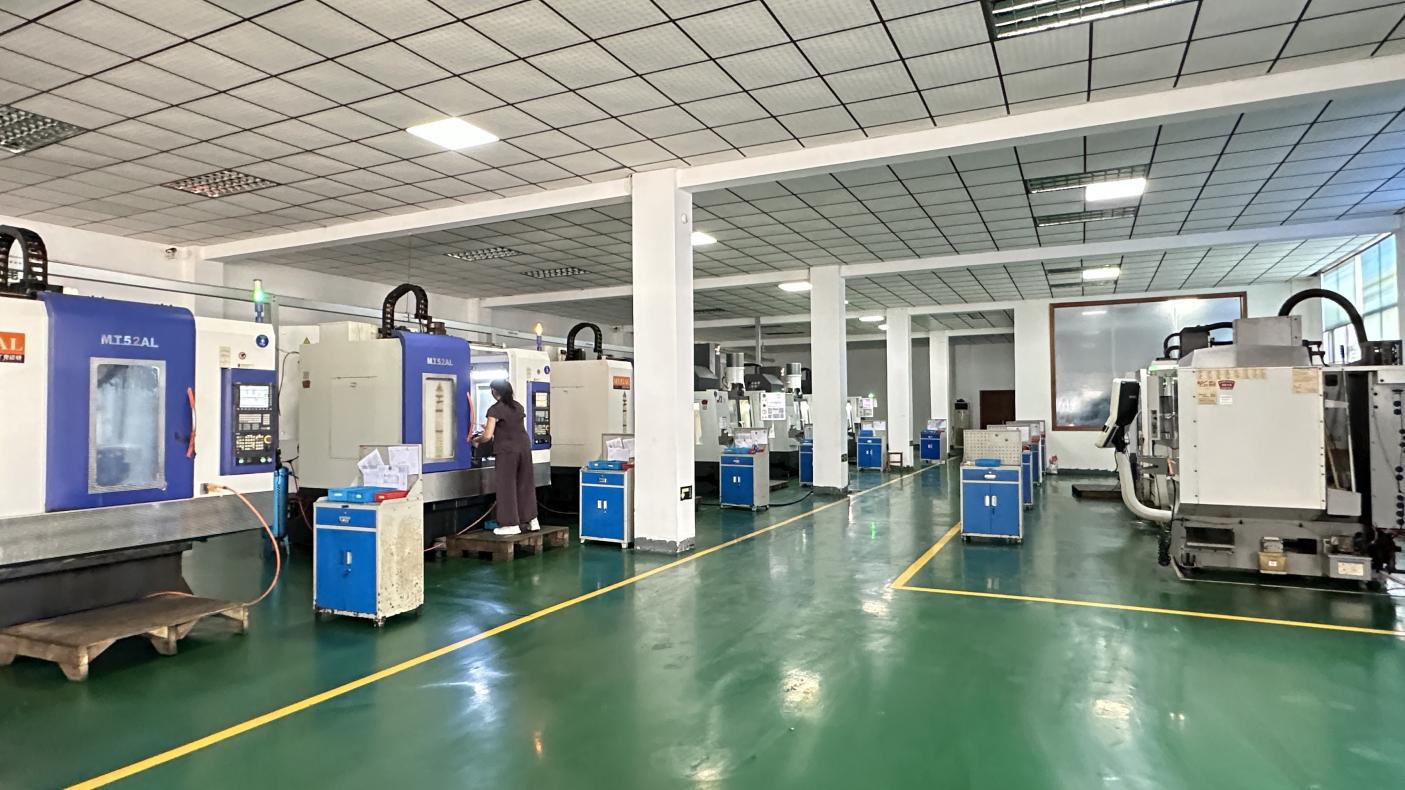
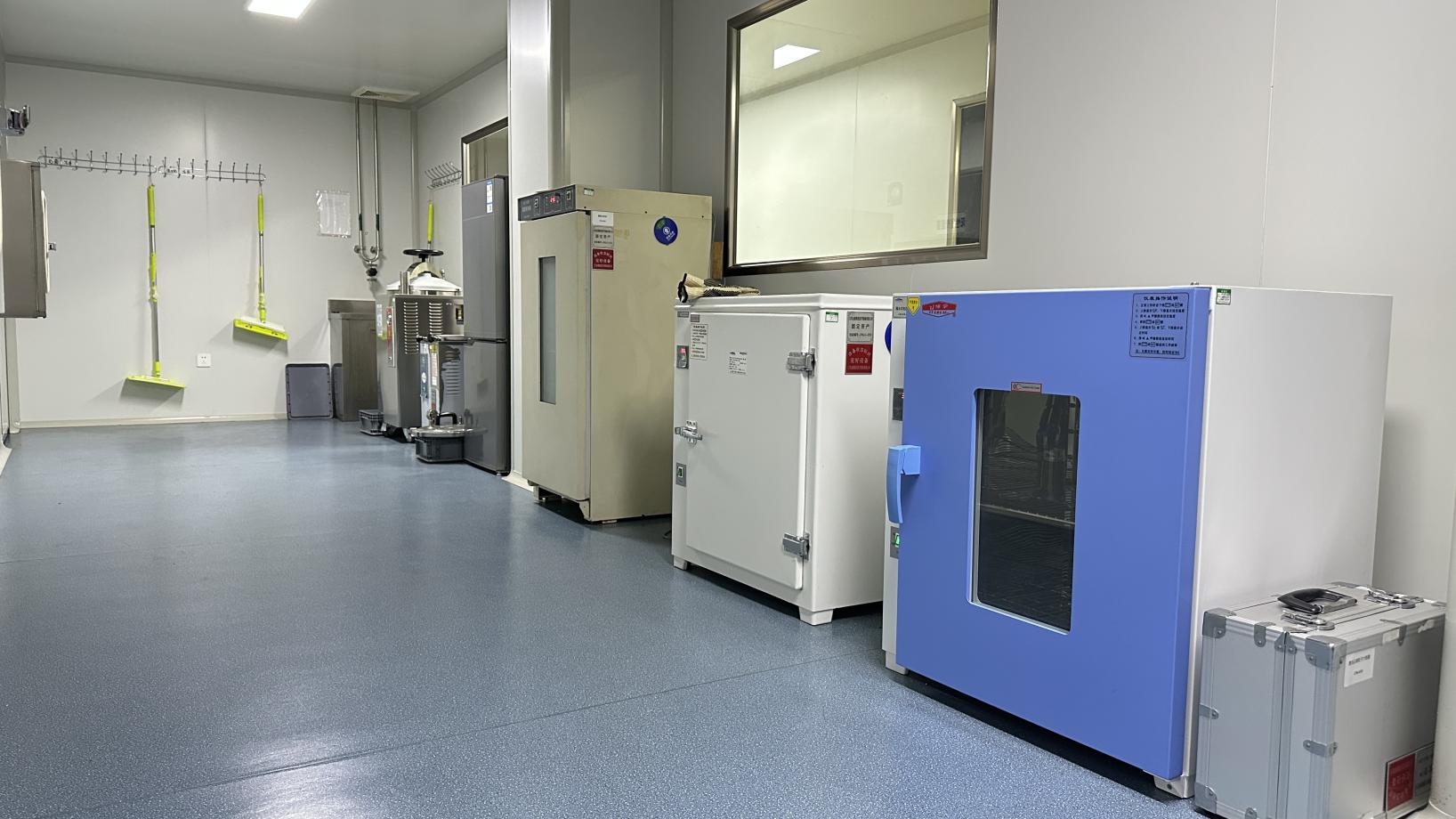


Our complete facility, tooling capacity, metrology instrumentation, and ISO 13485 quality control protocols have been rigorously inspected and certified on-site by TÜV Rheinland auditors, providing international buyers with audit-proof compliance.
From initial raw titanium bar slitting to multi-axis CNC lathe turning, planetary gear assembly, dynamic shaft balancing, and fiber-laser permanent lot marking, 100% of critical manufacturing operations remain strictly under GMV facility control.
Because GMV manufactures both anatomical trauma locking plates, IM nails, cortical/cancellous screws AND surgical bone drills, our tolerances perfectly interlock. No mismatched driver bits, stripped screw recesses, or jammed quick-connect chucks.
Our dedicated multilingual regulatory team provides global distribution partners with full Technical Files, biocompatibility test results (ISO 10993), electrical safety certificates (IEC 60601-1), EMC reports, and localized labeling documentation.
The qualification of a medical-grade bone drill requires validation protocols exceeding those applied to standard industrial rotary machines. When assessing an OEM supplier, procurement departments must enforce compliance across four core engineering verifications:
