
Orthopedic Instruments External Fixator Ringent Rod Coupling
Precision modular ringent rod-to-pin coupling component, engineered with medical-grade alloys for definitive structural stability in external reduction.
System-integrated implants, motorized surgical saws, precision couplings, and anatomical instrumentation sets engineered to seamless clinical standards.
Precision modular ringent rod-to-pin coupling component, engineered with medical-grade alloys for definitive structural stability in external reduction.
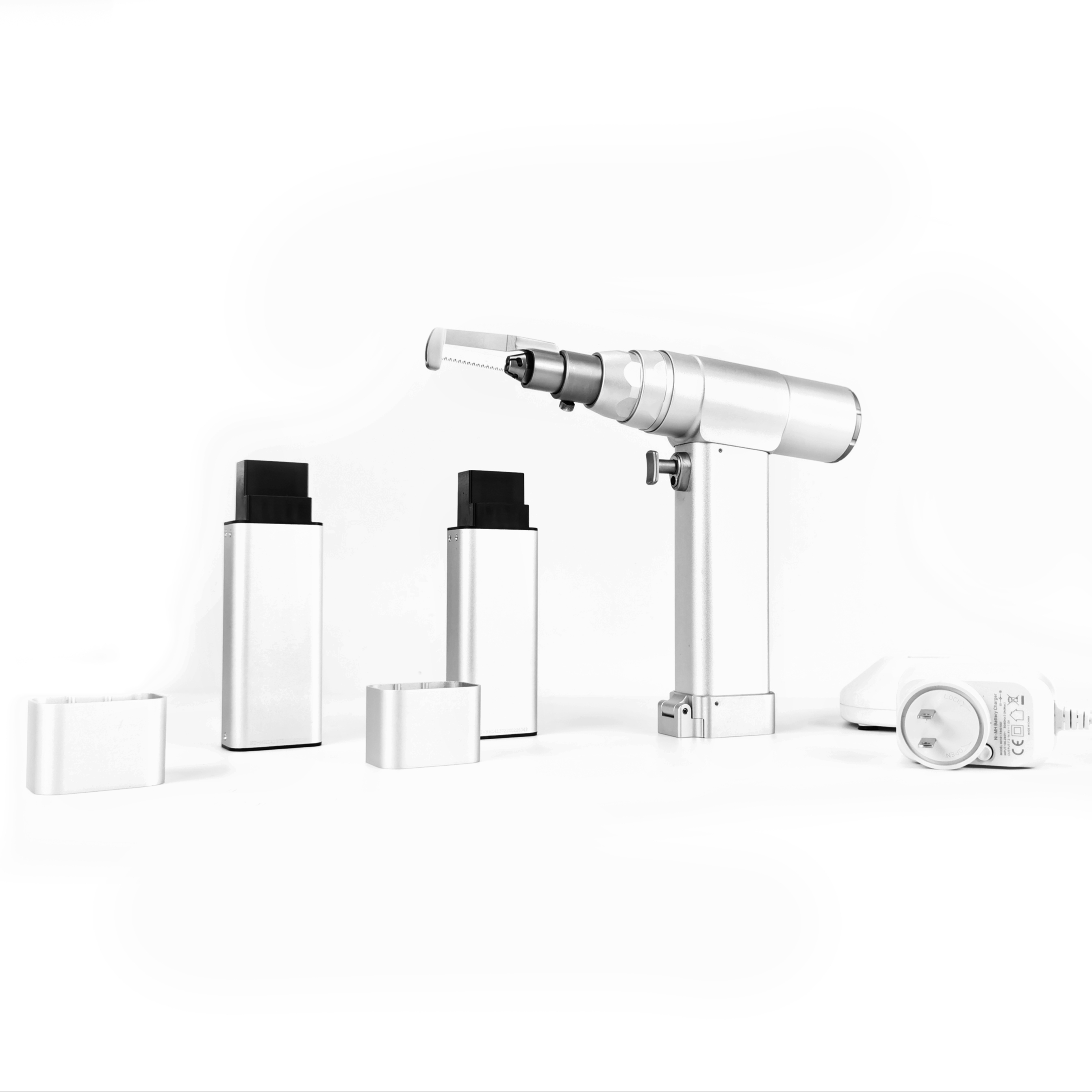
CE-compliant high-torque surgical sternum saw designed for thoracic and spinal decompression surgical osteotomies with low-vibration balance.
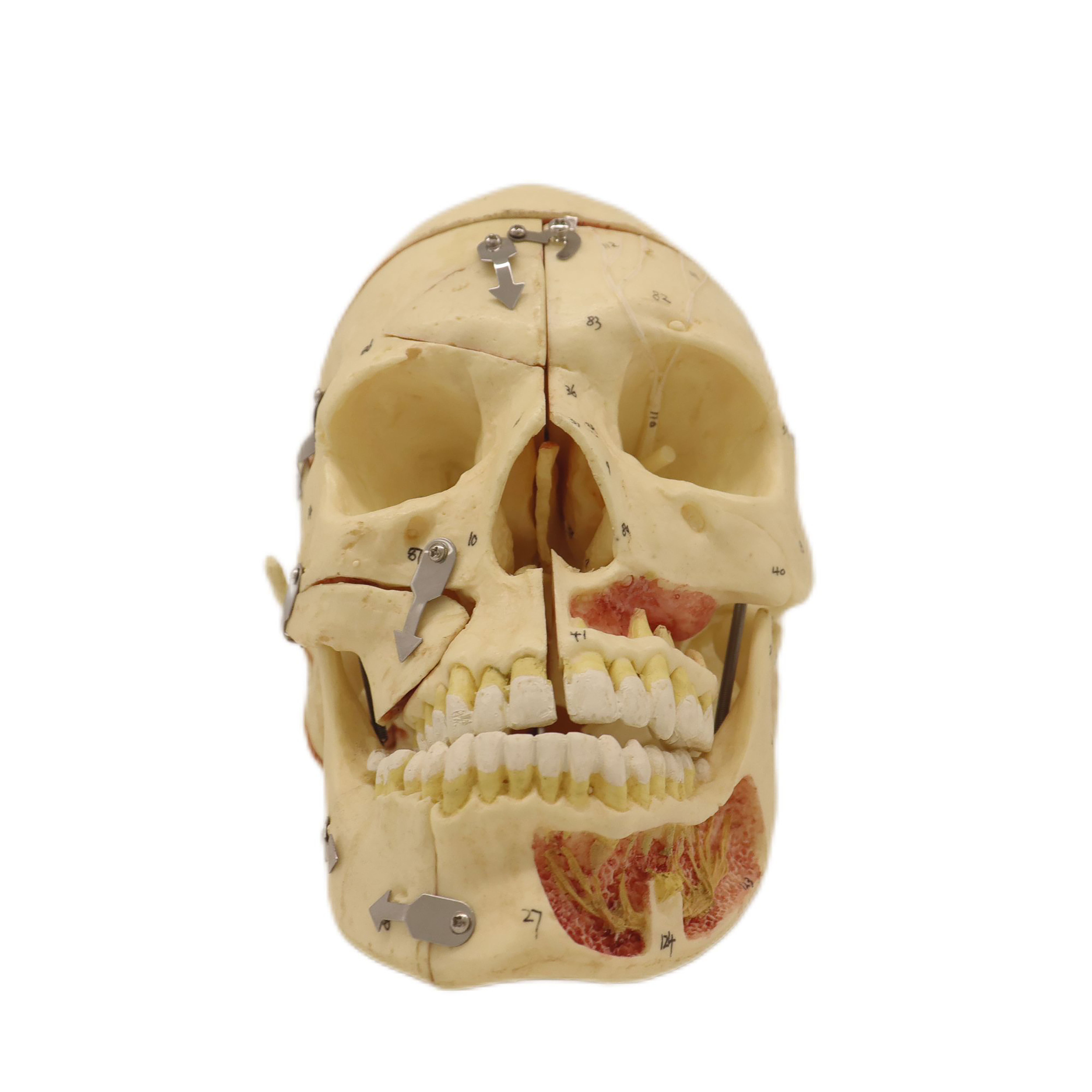
Three-part anatomically verified muscular skull simulation model for pre-clinical spinal alignment training, biomechanical demonstration, and research.
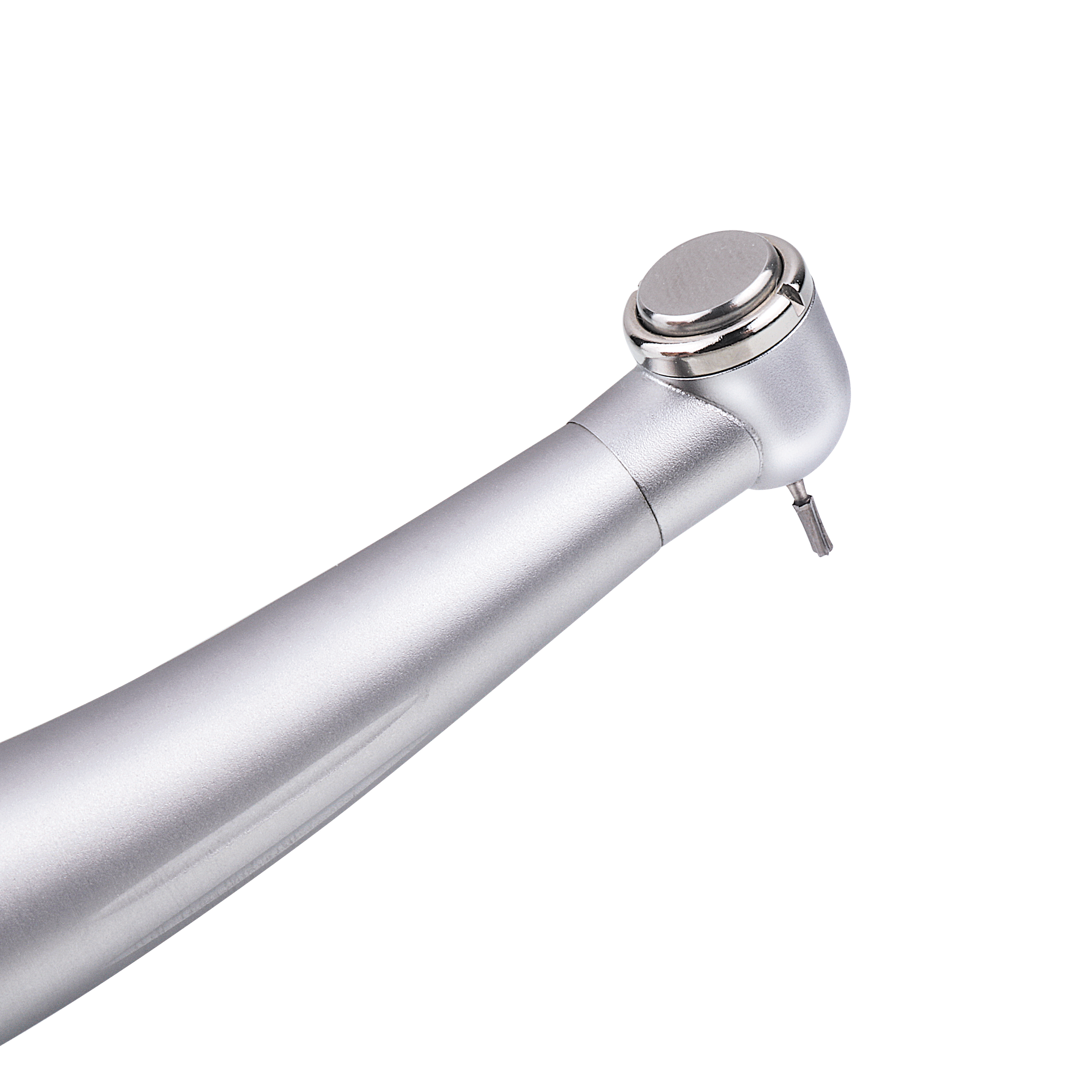
Engineered surgical handpiece with dynamic balance bearings, delivering stable micro-torque for bone preparation, precision burring, and dental reconstruction.
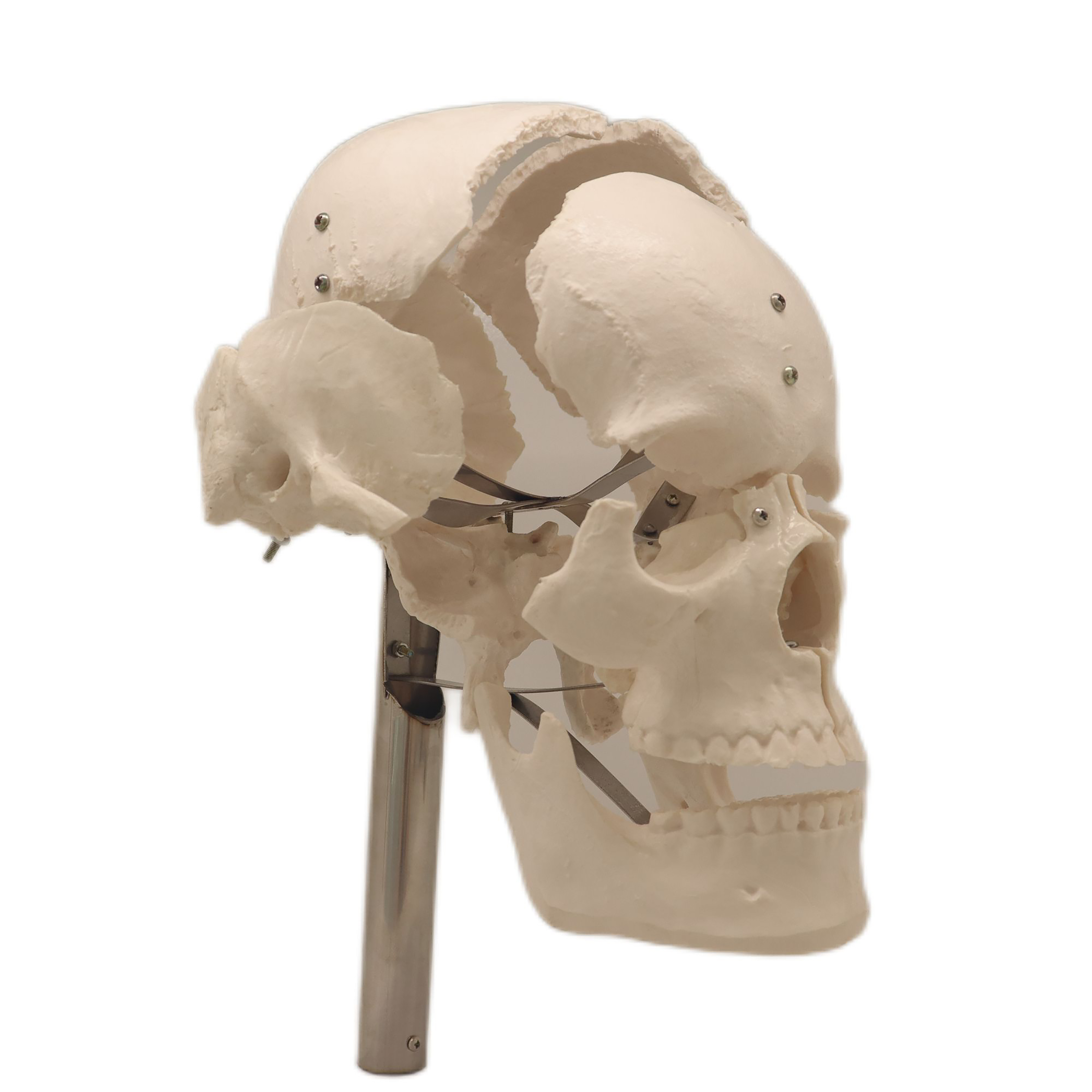
Medical PVC cast segmented cranial model showing cervical-occipital boundary structures for surgical approach demonstration and orthopedic training.
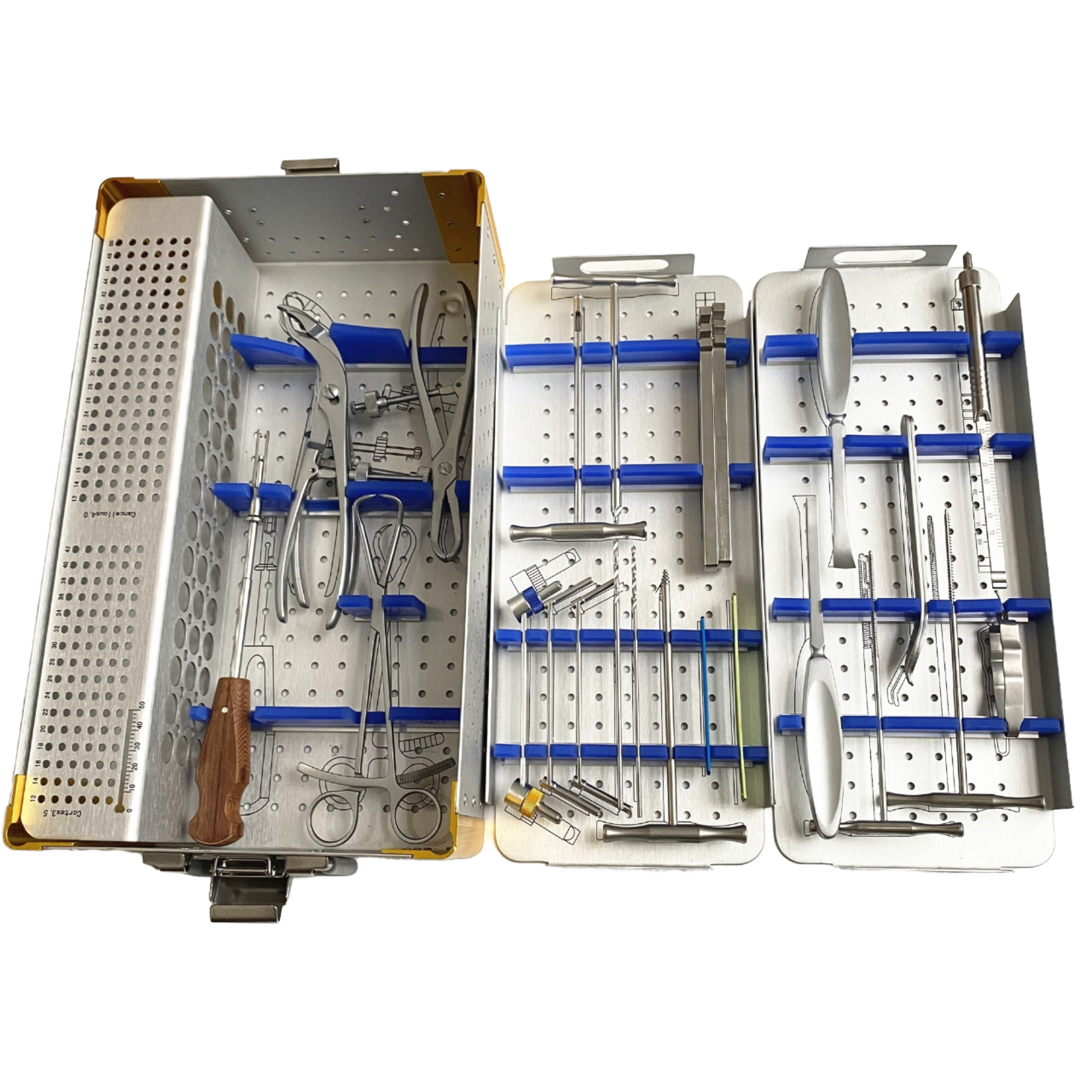
Complete autoclavable trauma kit containing drill sleeves, depth gauges, reduction forceps, and bone plate benders tailored for quick OR turnover.
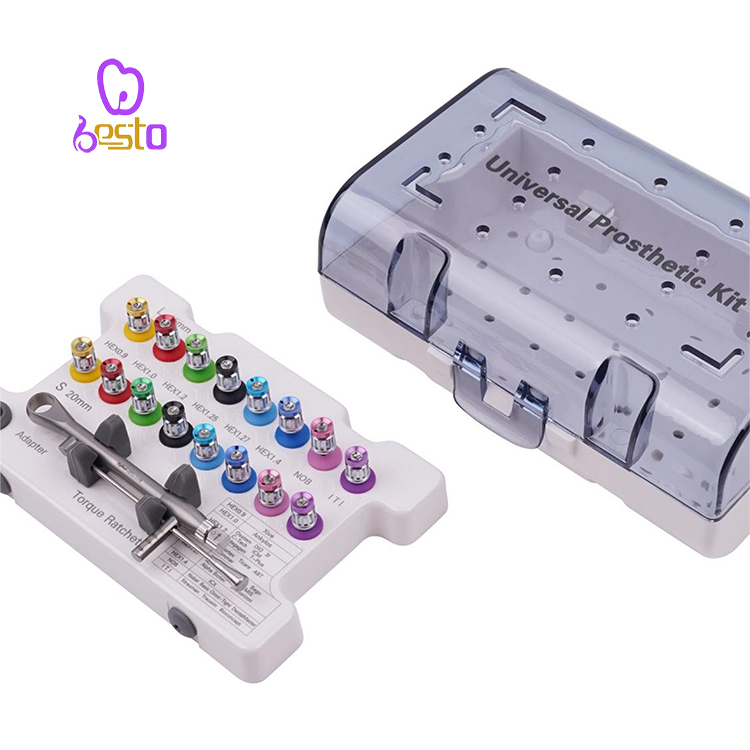
Heavy-duty stainless steel container with modular silicone brackets, optimized for high-temperature steam sterilization of precision motorized tools.
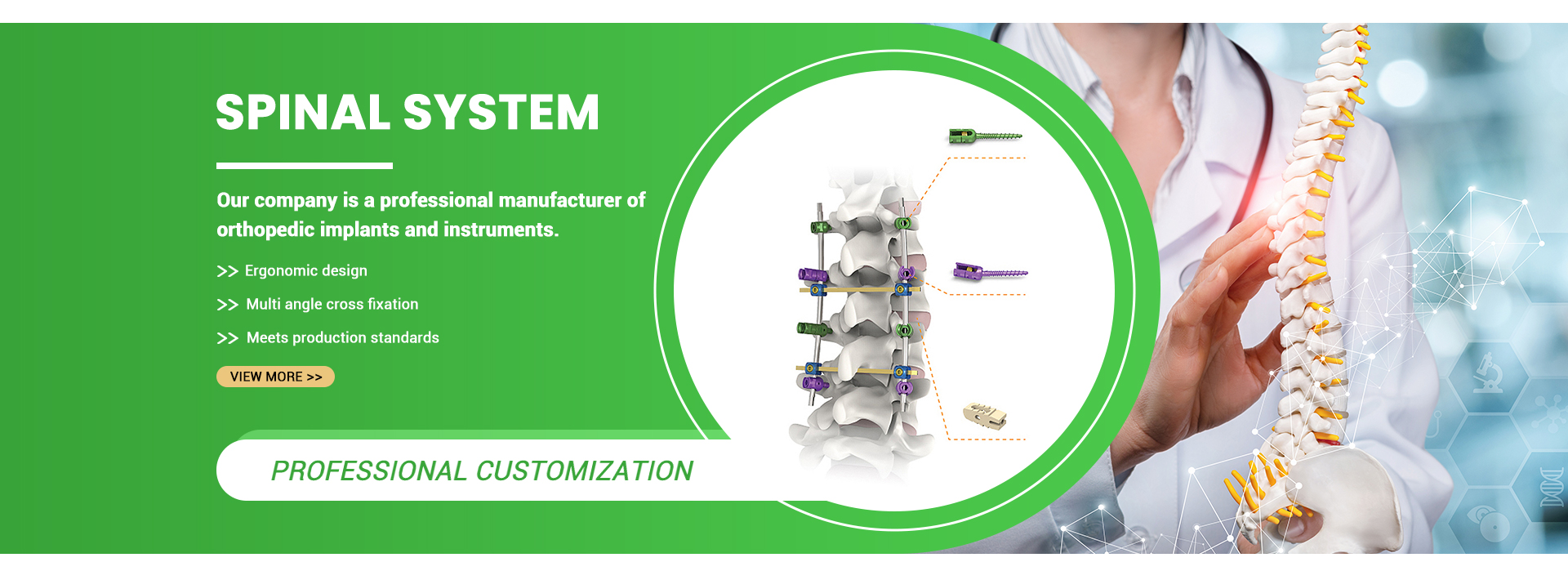
Top-loading monoaxial and polyaxial pedicle screws, cross-links, and titanium rods engineered for superior biomechanical pull-out resistance.
As modern spinal arthrodesis and motion-preservation procedures evolve toward minimally invasive techniques, procurement directors and medical device brand holders face mounting pressure to secure contract manufacturing partners capable of sub-micron precision. A dependable OEM spinal implant exporter must bridge the gap between complex biomechanical CAD models and high-throughput, ISO 13485-compliant manufacturing realities.
Spinal fixation systems—spanning pedicle screw instrumentation, interbody fusion cages (PEEK and 3D porous titanium), occipitocervical plates, and dynamic stabilizing cross-links—endure millions of high-stress loading cycles within the human musculoskeletal matrix. Sourcing from unverified intermediaries carries acute risks of catastrophic hardware failure, such as pedicle screw head splay, thread galling, and unexpected fatigue fractures. Jiangsu GMV Medical Device Co., Ltd. resolves these challenges by controlling every phase of spinal hardware manufacturing under one roof at our Jinfeng Town, Suzhou facility.
We deploy high-precision multi-axis CNC Swiss-type lathes and milling centers to machine dual-lead, self-tapping threads on monoaxial and polyaxial pedicle screws without structural micro-fissures.
All titanium alloy (Ti-6Al-4V ELI conforming to ASTM F136 / ISO 5832-3) and medical-grade polymers are received with raw material mill test certificates and tracked per manufacturing batch.
Standardized Type II anodization and electro-chemical polishing eliminate surface contaminants, promoting direct osseointegration and minimizing post-operative metallic ion leaching.
Global procurement teams in Europe, Latin America, Southeast Asia, and the Middle East are re-evaluating their supply chains. The convergence of tightening regulatory standards (EU MDR, US FDA 510(k)) and rapid clinical adoption of robotics requires suppliers to provide unmatched technological agility.
The market is shifting from smooth PEEK interbody spacers toward 3D-printed trabecular titanium surfaces. These emulate cancellous bone architecture (500–700 micron pore sizes) to enhance osteoblast migration.
Screws and cannulated instruments are manufactured with tighter runout tolerances (<0.01mm) to align with optical surgical navigation arrays and robotic arm end-effectors.
Hospitals are migrating from heavy loaner sets toward gamma-sterilized, barcode-traced single-use implant packages that mitigate sterile processing department (SPD) bottlenecks.
| Evaluation Parameter | Ti-6Al-4V ELI (Titanium Grade 23) | PEEK-OPTIMA® Polymer | Porous 3D Additive Titanium |
|---|---|---|---|
| Elastic Modulus | ~110 GPa (Moderate bone match) | ~3.6 GPa (Close to cortical bone) | ~2–5 GPa (Optimized biomimicry) |
| Diagnostic Imaging | Moderate CT/MRI artifacting | Radiolucent (Zero artifact scatter) | Controlled low-density artifacting |
| Osseointegration Mechanism | Appositional mechanical ongrowth | Bioinert (Requires plasma coating) | True vascularized trabecular ingrowth |
| Primary Sourcing Application | Pedicle screws, rods, trauma plates | Cervical and lumbar fusion cages | Custom structural spacers & revisions |
| Production Lead Time (OEM) | Standard CNC cycle (20–30 days) | Tooling + Injection/Milling (30 days) | SLM Additive build + Annealing (40 days) |
Operating out of Suzhou, Jiangsu GMV Medical Device Co., Ltd. combines 27+ years of manufacturing history with institutional verification by TÜV Rheinland. We do not act as an export broker; our 121 staff members manage advanced CNC production lines, optical metrology suites, and mechanical stress labs.
Our operational capabilities, machining accuracy, calibration protocols, and warehouse workflows are audited and verified directly on-site by TÜV Rheinland assessors.
Submit your 2D blueprints, STEP files, or clinical concept models. Our engineering group evaluates tool clearance, pitch profile, and tolerance stack-up before pilot runs.
Complete private-label marking, laser engraving of UDI matrices, batch numbering, and custom hospital blister/box packaging tailored to your brand's regulatory dossier.
Practical guidance addressing engineering, regulatory clearance, MOQ, and audit readiness for global medical device distributors and sourcing managers.
Expand your orthopedic product lines with direct factory pricing, ISO-compliant quality systems, and verified export engineering capabilities. Connect with our technical team today.
Send an Inquiry