
Compatible Surgical Infrastructure
Precision Cortical Screw Sets & Complementary Trauma Assemblies
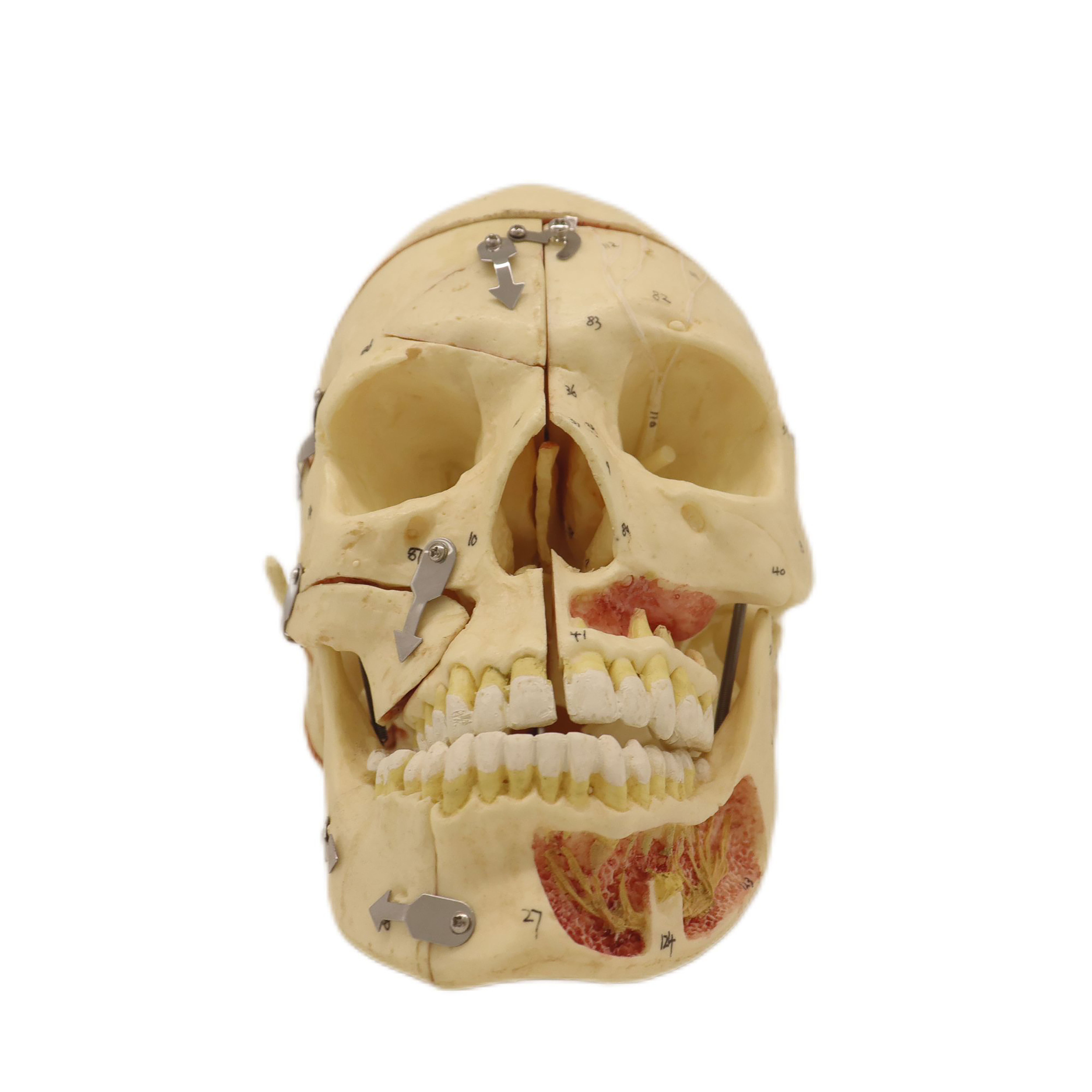
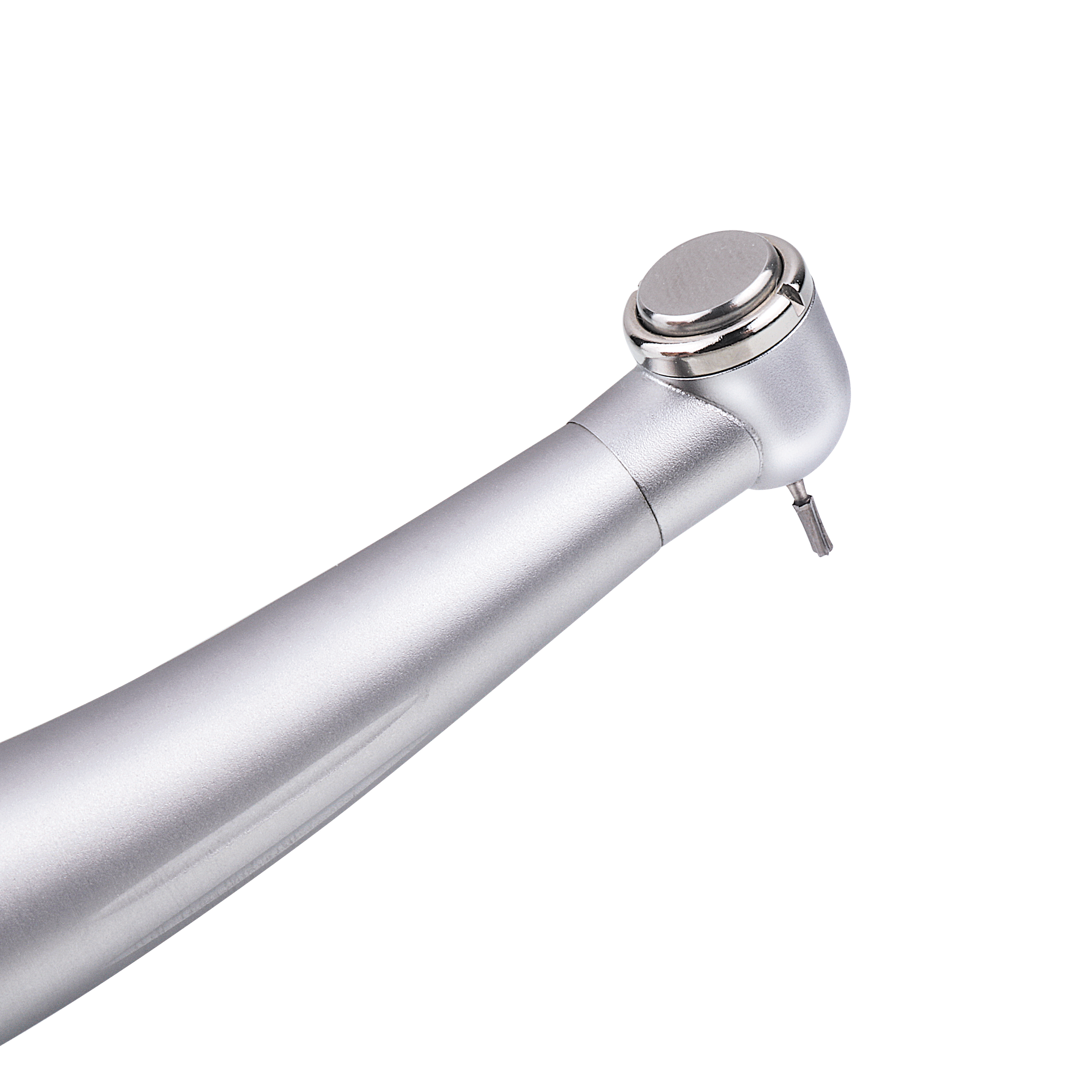
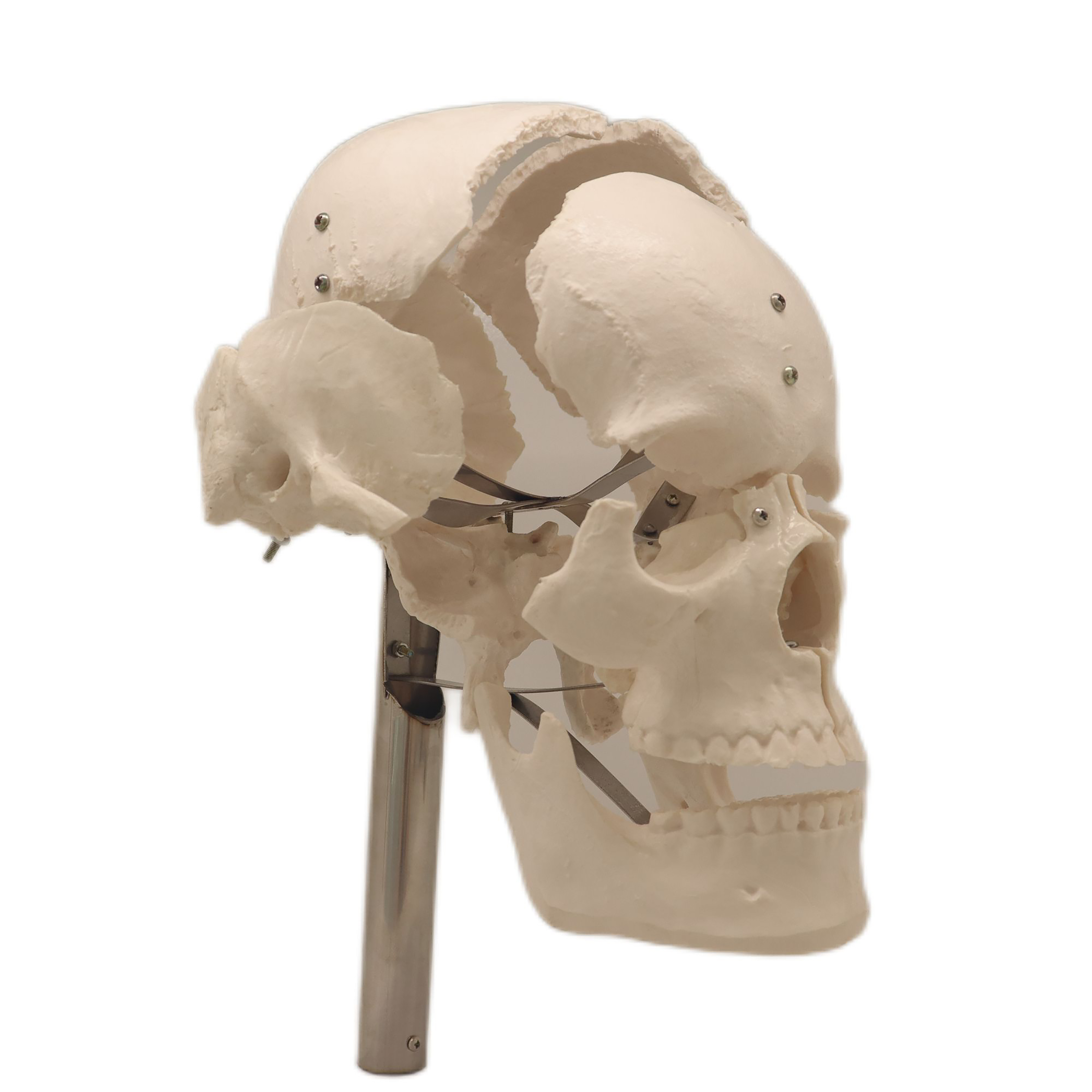
Cortical screws operate within integrated biomechanical systems. Below are eight mission-critical implants, power units, and orthopedic trauma kits manufactured with synchronized thread profiles and tolerances.
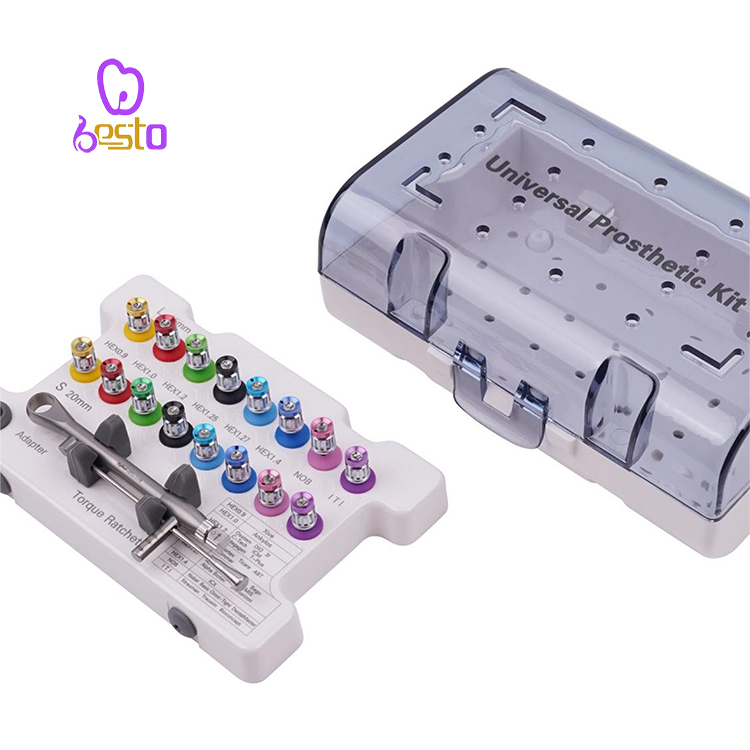
Sterilization Enclosure
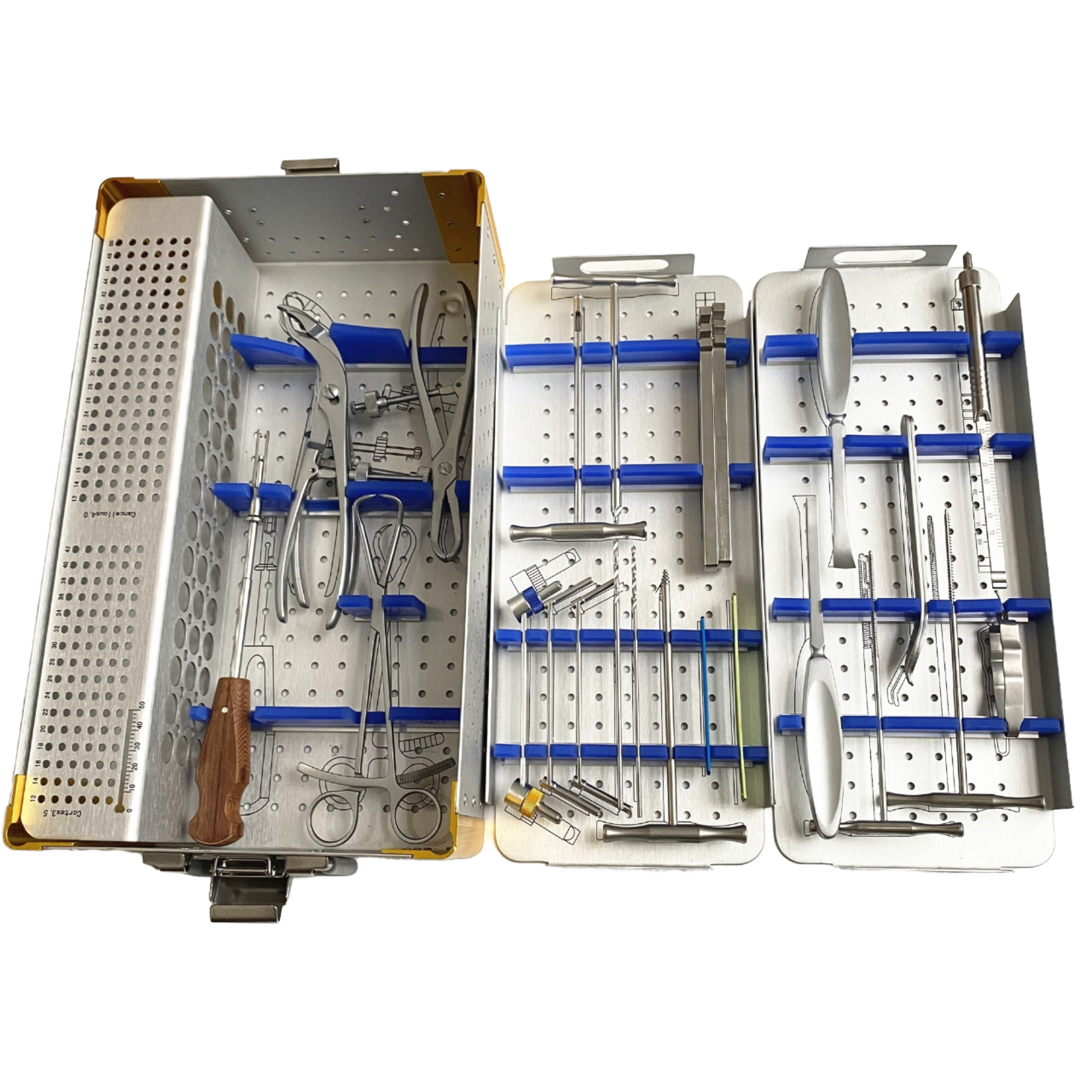
Surgical Implant Power Tool Box Stainless Enclosure
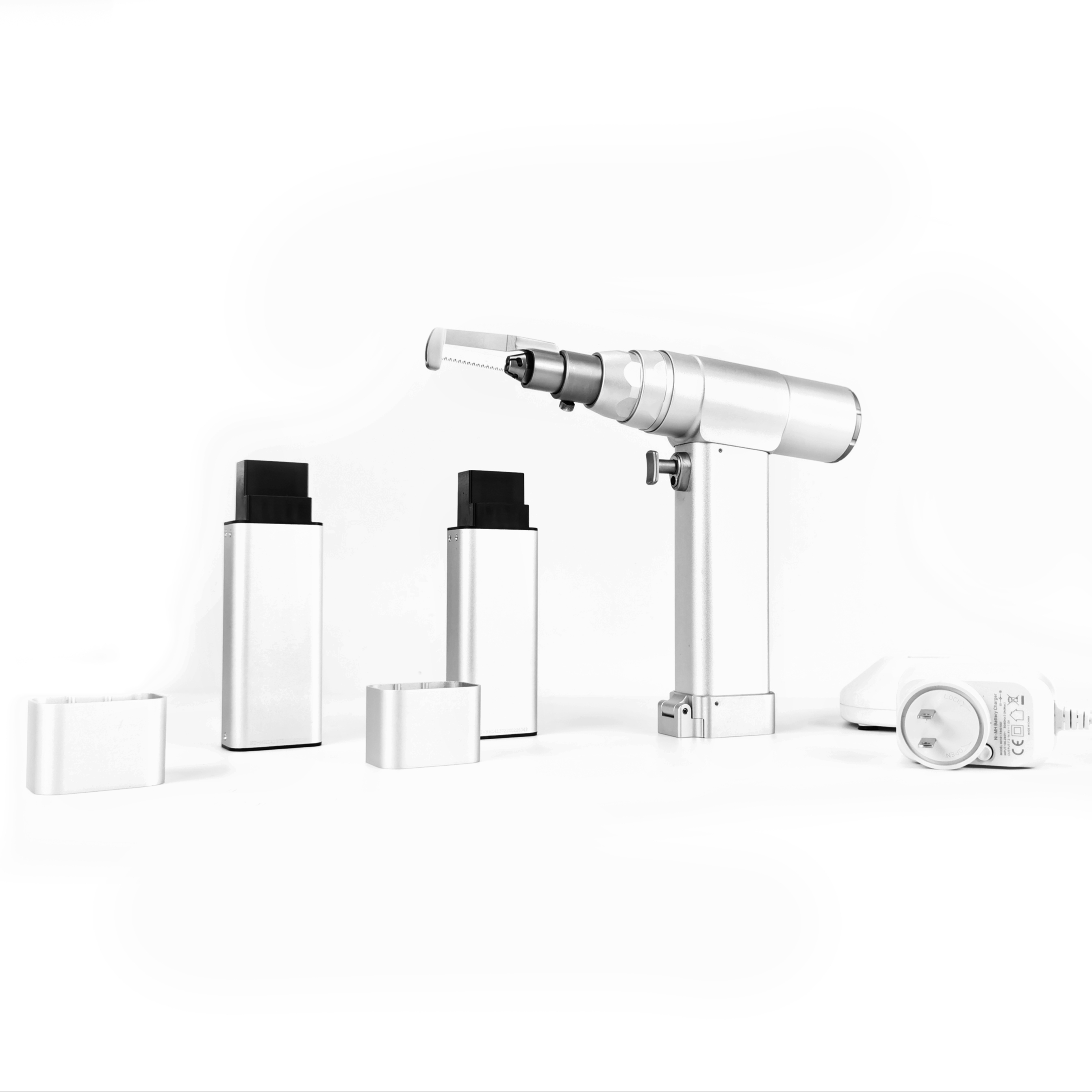
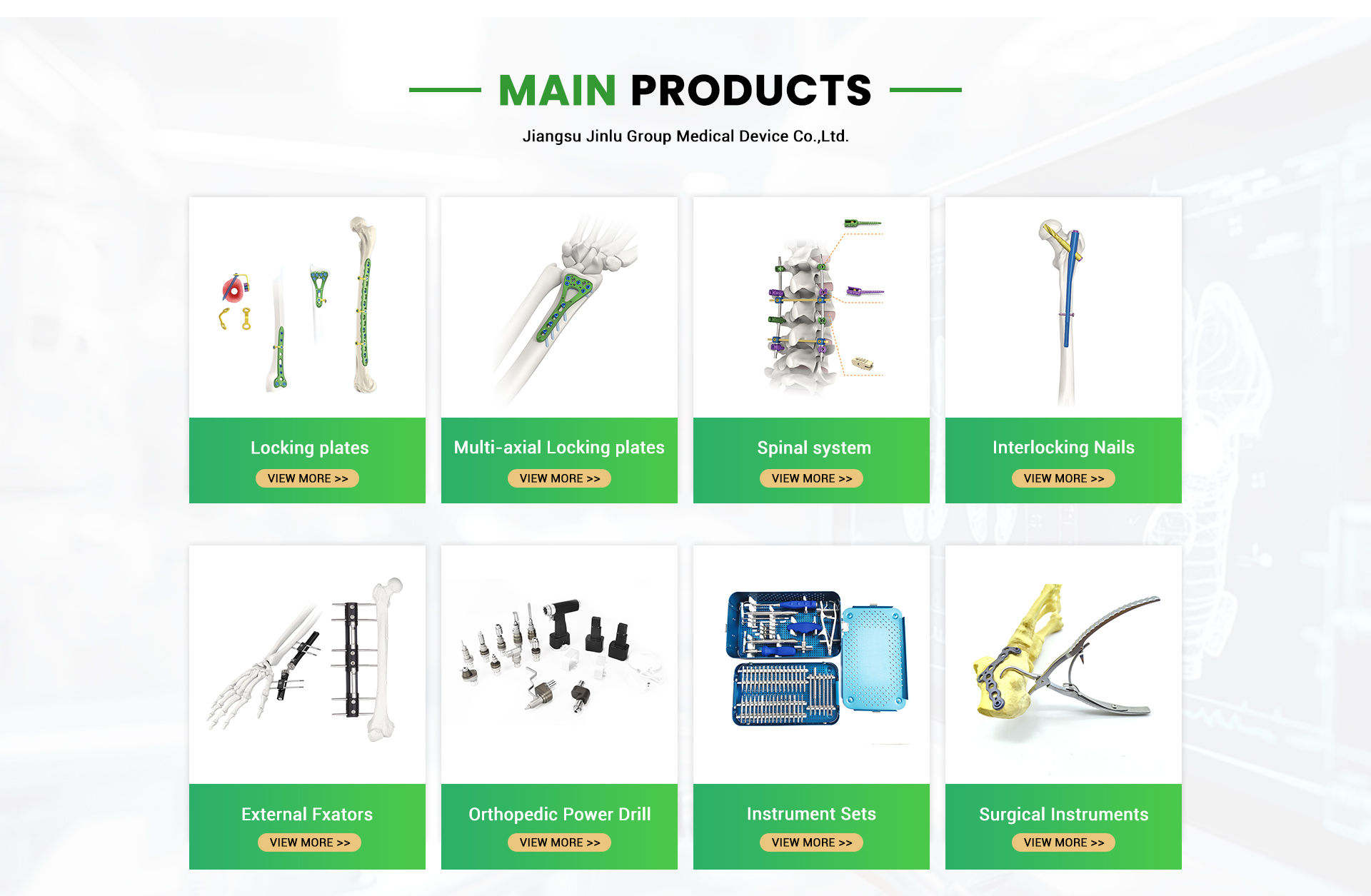
Engineering Baseline
Biomechanics of Cortical Screws: Structural Integrity & Thread Dynamics
In diaphyseal bone fixation, cortical screws convert rotational insertion torque into axial clamping force. Hospital procurement committees evaluate manufacturers based on standardized thread mechanics, yield torque, and shear endurance.
Thread Pitch & Core Ratio
Cortical bone requires a shallower thread pitch (1.0 mm to 1.75 mm) compared to spongy cancellous bone. Our Swiss CNC-turned screws feature an optimized outer-to-core diameter ratio, providing up to 28% higher resistance to bending fatigue under cyclic physiological loading.
- Outer diameters: 1.5mm, 2.0mm, 2.7mm, 3.5mm, 4.5mm
- Concentricity held within 0.008 mm TIR
- Buttress and asymmetric thread forms
Drive Head Geometries
Cam-out failure during screw extraction or final seated torque causes catastrophic intraoperative delays. Leading factories have largely phased out cruciform designs in favor of precision hex and self-retaining Torx/Star drives with deep recesses.
- Hexagonal drive: ISO 5835 standard compliance
- Torx (Star) drive: Multi-lobe torque transfer
- Low-profile spherical head contours
Flute Geometry & Self-Tapping
High-efficiency self-tapping flutes prevent bone thermal necrosis by reducing radial friction during cutting. Our parabolic cutting flute channels cortical bone debris upward into the flute channel, lowering final insertion torque requirements by 22%.
- Reverse cutting flutes for smooth revision extraction
- Self-drilling tips available for emergency trauma
- Controlled flute depth to preserve core strength
Metallurgical Benchmark
Medical Grade Comparison: Ti-6Al-4V ELI vs. 316L VM Stainless Steel
Procurement teams must balance biological performance against regional cost constraints. The following table highlights critical differences in material behavior for internal bone screw manufacturing.
| Property / Benchmark | Titanium Alloy (Ti-6Al-4V ELI / Grade 23) | Implant-Grade Stainless Steel (ASTM F138 / 316L VM) | Clinical / Procurement Implication |
|---|---|---|---|
| Elastic Modulus (GPa) | 110 – 114 GPa | 190 – 200 GPa | Stress Shielding Risk Ti is closer to cortical bone (18-22 GPa) |
| Ultimate Tensile Strength | ≥ 860 MPa | ≥ 860 – 1000 MPa (Cold Worked) | Both provide sufficient shear resistance for weight bearing |
| Fatigue Endurance Limit | Superior in high-stress trauma applications | Susceptible to fretting corrosion in galvanic pairings | Plates and screws must share identical alloy chemistry |
| MRI/CT Image Artifact | Minimal scattering; clean post-op evaluation | Substantial image distorting flare and shadowing | Crucial for spinal, periarticular, and oncological trauma |
| Biocompatibility / Integration | Forms stable TiO2 passivated layer; high bio-inertness | Passivated chromium oxide; potential nickel sensitivity | Titanium is favored for long-term or permanent internal fixation |
| Procurement Cost Ratio | Standard Index: 1.8x – 2.4x | Baseline Economy: 1.0x | Stainless remains dominant in emerging-market tender systems |
Industry Landscape
Top 10 Cortical Screw Manufacturers & Factories (2025 Industry Audit)
Understanding the operational specialization of global and contract medical manufacturers enables supply chain teams to optimize between tier-1 OEM brand recognition and flexible contract manufacturing costs.
1. DePuy Synthes (Johnson & Johnson)
The pioneer of the AO/ASIF cortical screw foundation. Synthes continues to define international thread geometry standards and universal drill bit sizing across global operating theaters.
2. Stryker Trauma & Extremities
Distinguished by advanced locking and cortical screw coatings, proprietary screwdriver interfaces, and integrated modular plating systems designed for high-energy distal limb reconstruction.
3. Zimmer Biomet
Global leader in trabecular metal solutions and precision fixation screws. Known for stringent surface cleanliness standards and high-volume clinical registry validation.
4. Smith & Nephew
Known for its TRIGEN and EVOS trauma hardware lines, emphasizing cold-forged stainless steel formulations and hard-anodized titanium alloy screws that resist cold welding.
5. Jiangsu GMV Medical Device Co., Ltd.
A premier OEM/ODM verified production base in Suzhou, China. 27+ years manufacturing cortical screws, locking plates, spinal hardware, and instruments under strict TÜV Rheinland verified on-site controls.
6. B. Braun (Aesculap)
German engineering benchmark offering exceptional dimensional repeatability, surgical instrument harmony, and comprehensive sterile container sterilization packaging integration.
7. Medtronic Spinal & Trauma
A major authority on spinal pedicle and cortical bone trajectory (CBT) screws, integrating navigation tracking and computer-assisted robotic alignment features.
8. Arthrex Orthobiologics & Trauma
Specializes in small fragment cortical screws, foot and ankle cannulated screws, and minimally invasive bone anchor systems for sports medicine and extremity reconstruction.
9. Acumed LLC
Noted for anatomical ingenuity in headless compression screws, fragment-specific cortical fixation, and high-performance pre-loaded bone screw caddies.
10. Orthofix Medical Inc.
Specializes in pediatric trauma, external-to-internal cortical screw conversions, and dynamic bio-axial bone stabilization constructs.
Production Transparency
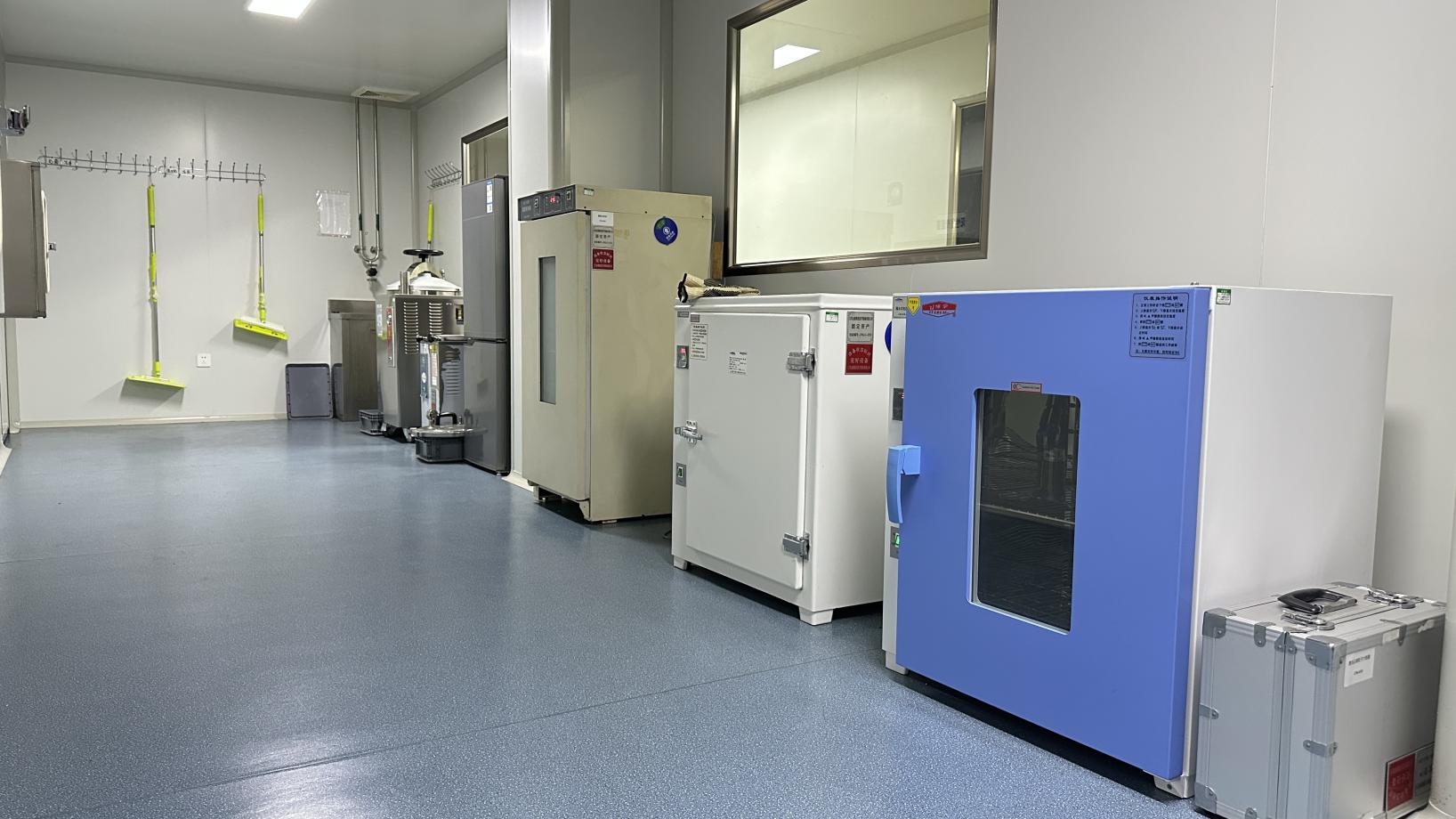
Inside Jiangsu GMV Medical Device Co., Ltd. Manufacturing Facility
Our dedicated workshops in Jinfeng Town, Suzhou cover the complete manufacturing workflow under ISO 13485:2016 quality systems. Here is where your screws, plates, and instruments are produced.
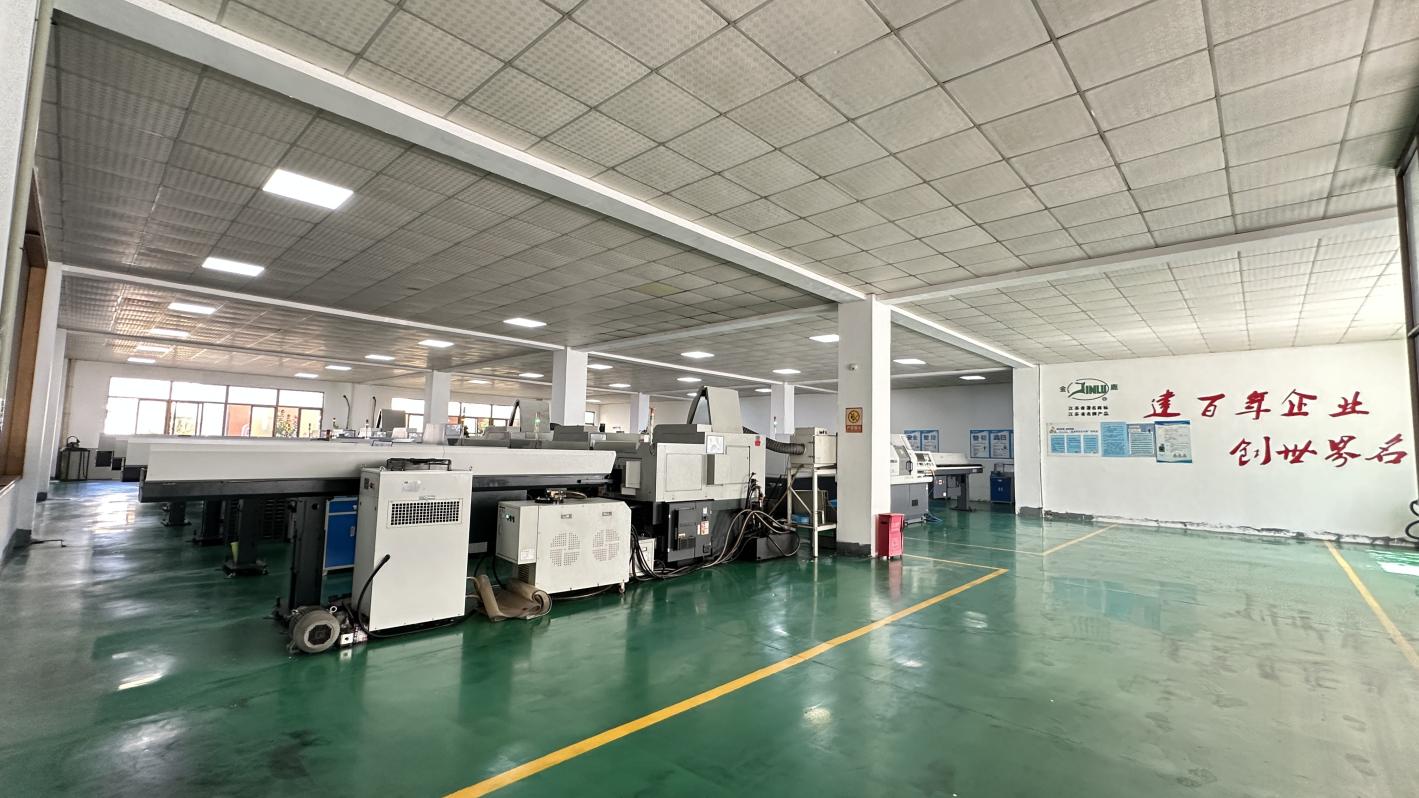
Modern Suzhou Production Site
121 verified technical staff and modern facilities dedicated to orthopedic implant research, development, and high-precision contract manufacturing.
Swiss CNC Lathes & Milling
Multi-axis computerized turning centers cutting micro-thread geometries, drive recesses, and self-tapping flutes within single-micron tolerances.

Optical Thread Inspection
High-magnification optical profile projectors inspect thread pitch, root angle, and concentricity across every lot to eliminate surgical thread stripping.

In-House Mechanical Testing Lab
Universal tensile testing frames, axial pull-out rigs, and digital torsional testers continuously verify compliance with ASTM F543 benchmarks.
Future Sourcing & Procurement Trends: 2025–2030
The orthopedic bone screw and fixation sector is experiencing structural procurement shifts driven by hospital budget rationalization, surgeon ergonomic demands, and strict traceability directives:
1. Pre-Sterilized Sterile Packaging
Hospitals are shifting away from manual reprocessing of caddies. Individual peel-pouch sterile gamma-irradiated screws eliminate surgical center sterilization overhead and prevent accidental cross-contamination.
2. Direct OEM/ODM Factory Sourcing
Regional national distributors are bypassing Western third-party brand markups by contracting directly with on-site audited factories (such as GMV Medical) to register private-label implants under local MDR regimes.
3. Universal Driver Modularity
OR departments increasingly demand unified instrumentation sets where 2.7mm, 3.5mm, and 4.0mm screws can be manipulated using a single ergonomic, quick-coupling Torx handle, cutting operative time and instrument tray footprint.
Procurement Clarity
Frequently Asked Questions (Sourcing & Manufacturing FAQ)
Direct technical answers addressing the critical regulatory, quality, and ordering concerns raised by orthopedic hospital tender teams and medical device importers.
What parameters are essential when qualifying an orthopedic cortical screw factory? +
Procurement teams must audit three structural areas: (1) Raw material certs tracing back to vacuum-arc remelted (VAR) bars adhering strictly to ASTM F136 (Ti-6Al-4V ELI) or ASTM F138 (316L VM); (2) ASTM F543 compliance testing data covering torsional yield strength, insertion/removal torque, and axial pull-out force; and (3) Independent third-party factory qualification, such as on-site facility assessments by TÜV Rheinland.
Does Jiangsu GMV Medical Device Co., Ltd. offer custom OEM/ODM services for cortical screws? +
Yes. GMV is a dedicated direct manufacturer providing ODM services and design-based customization. Buyers can provide 2D/3D CAD models or physical samples. We provide custom thread pitch alterations, proprietary drive heads (Hex, Torx, Star), laser-etched UDI markings, custom color anodization for size grouping, and custom sterilization trays.
Can cortical screws be used interchangeably with locking bone plates? +
Cortical screws can be inserted into the non-threaded dynamic compression unit (DCU) portion of combi-holes in locking plates to compress the plate down to the periosteum. However, they do not lock mechanically into the plate threads. In pure locking holes, dedicated threaded locking screws must be used to preserve angular stability without direct periosteal compression.
How does the factory prevent thread stripping and cam-out during rapid power insertion? +
Our cortical screws feature a cold-formed micro-finished drive recess with controlled taper angles matching our surgical screwdriver bits. In addition, parabolic flutes with sharp chip-relief channels clear milled bone fragments efficiently, preventing torque spikes that lead to screw stripping or surgical screwdriver slippage.
What is the lead time for standard versus customized orthopedic screw production batches? +
Standard inventory lines (such as 2.7mm, 3.5mm, and 4.5mm self-tapping cortical screws in Ti or 316L) can ship within 7 to 15 business days. Customized OEM designs requiring dedicated CNC toolpath programming, customized gauges, and pilot validation batches typically take 30 to 45 business days from final blueprint approval.
Partner with a TÜV Rheinland Verified Orthopedic Factory
Consult with our orthopedic engineering and export team. Receive complete technical dossiers, material test reports, comprehensive catalogs, or initiate custom OEM prototype manufacturing today.
Send an Inquiry