High-Precision Orthopedic & Surgical Instrument Sets
Engineered to withstand rigorous hospital sterilization cycles while delivering micron-level surgical tactile feedback.

Lab Teaching Models 3 Parts Human Muscular Skull Skeleton
Anatomical simulation tool modeled for resident surgical planning, procedural drills, and clinical teaching labs.

Medical Electric Sternum & Orthopedic Drill Saw Set
CE-certified high-torque oscillating saw system designed for sternotomy and major bone resection procedures.

High-Speed Surgical Turbine Handpiece System
High-precision stainless steel turbine handpiece delivering smooth rotation and thermal control for implant preparation.

Stainless Steel Surgical Instrument Sterilization Case
Heavy-gauge perforated surgical steel organizer kit built for autoclaving, modular docking, and OR tool security.

PVC Separated Human Skull Anatomical System
High-detail modular osteology reconstruction kit assisting maxillofacial surgeons in complex implant mapping.

Small Fragment Upper Limb Instrument Kit
Comprehensive reduction forceps, depth gauges, and screwdrivers for clavicle, radius, and humerus trauma plates.

External Fixator Ringent Rod Coupling Set
Rapid-locking pin-to-rod universal clamping connectors for damage control orthopedics and limb lengthening.
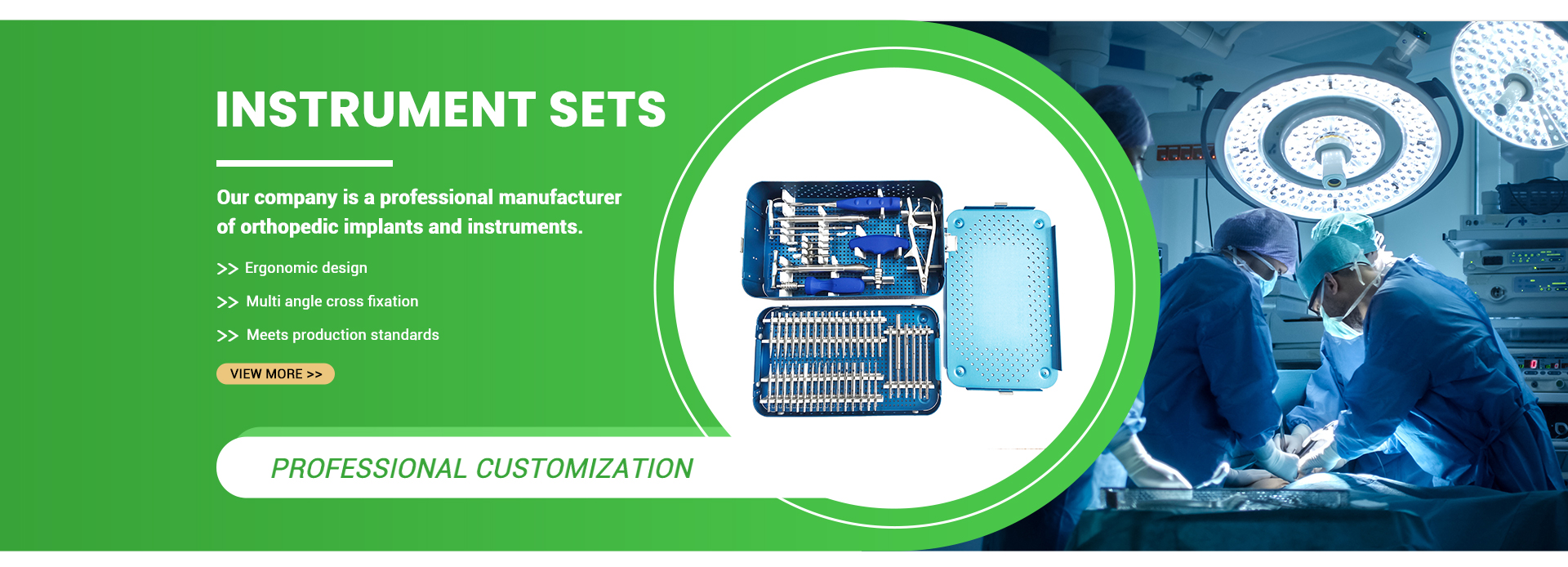
Modular Spine & Trauma Surgical Tool Set
Ergonomic silicone-handled drivers, torque limiters, and bone probes customized for turnkey OEM surgical kits.
Why International Buyers Partner with GMV Medical
Operating as a genuine medical device production facility in Suzhou, China—eliminating intermediate markup while guaranteeing rigorous metallurgical validation.
Full In-House Precision Machining
Equipped with advanced German and Japanese multi-axis CNC Swiss lathes, wire EDM, and laser etching platforms capable of holding ±0.005mm tolerances across complex bone drill flutes and self-centering reduction clamps.
Design-Based OEM & ODM Capabilities
Whether adapting existing titanium bone plate designs or developing proprietary poly-axial spinal screwdriver quick-connect assemblies from CAD blueprints, our R&D engineering team delivers functional surgical prototypes rapidly.
TÜV Rheinland Audited Compliance
Our production facilities maintain complete ISO 13485 quality management compliance. Every batch undergoes strict raw material chemical spectroscopy, Rockwell hardness validation, and cycle life torque failure assessments.
Precision Workshop & In-House Testing Laboratory
Real-world documentation of our production lines, CNC machining centers, and physical inspection equipment in Suzhou.
 High-Precision CNC Lathes
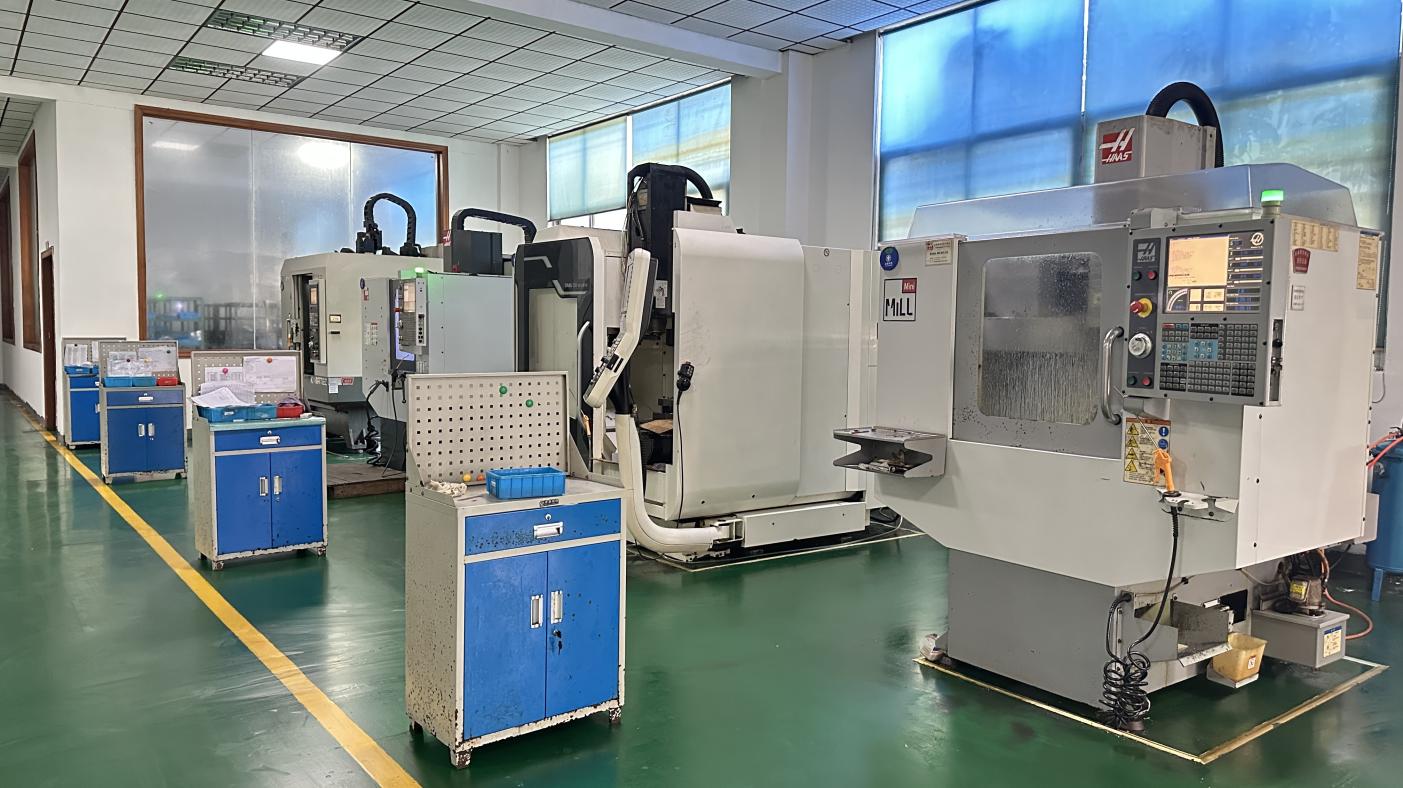 5-Axis Machining Centers
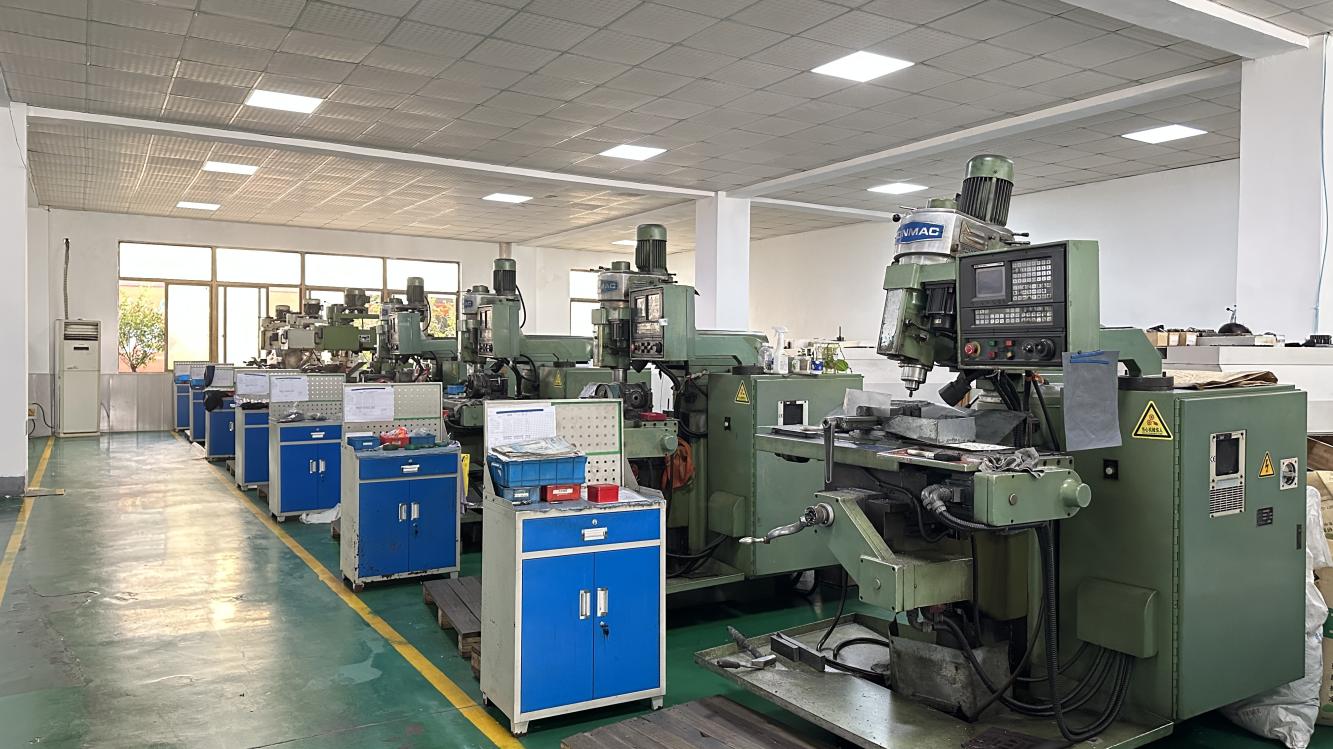 Precision Instrument Milling
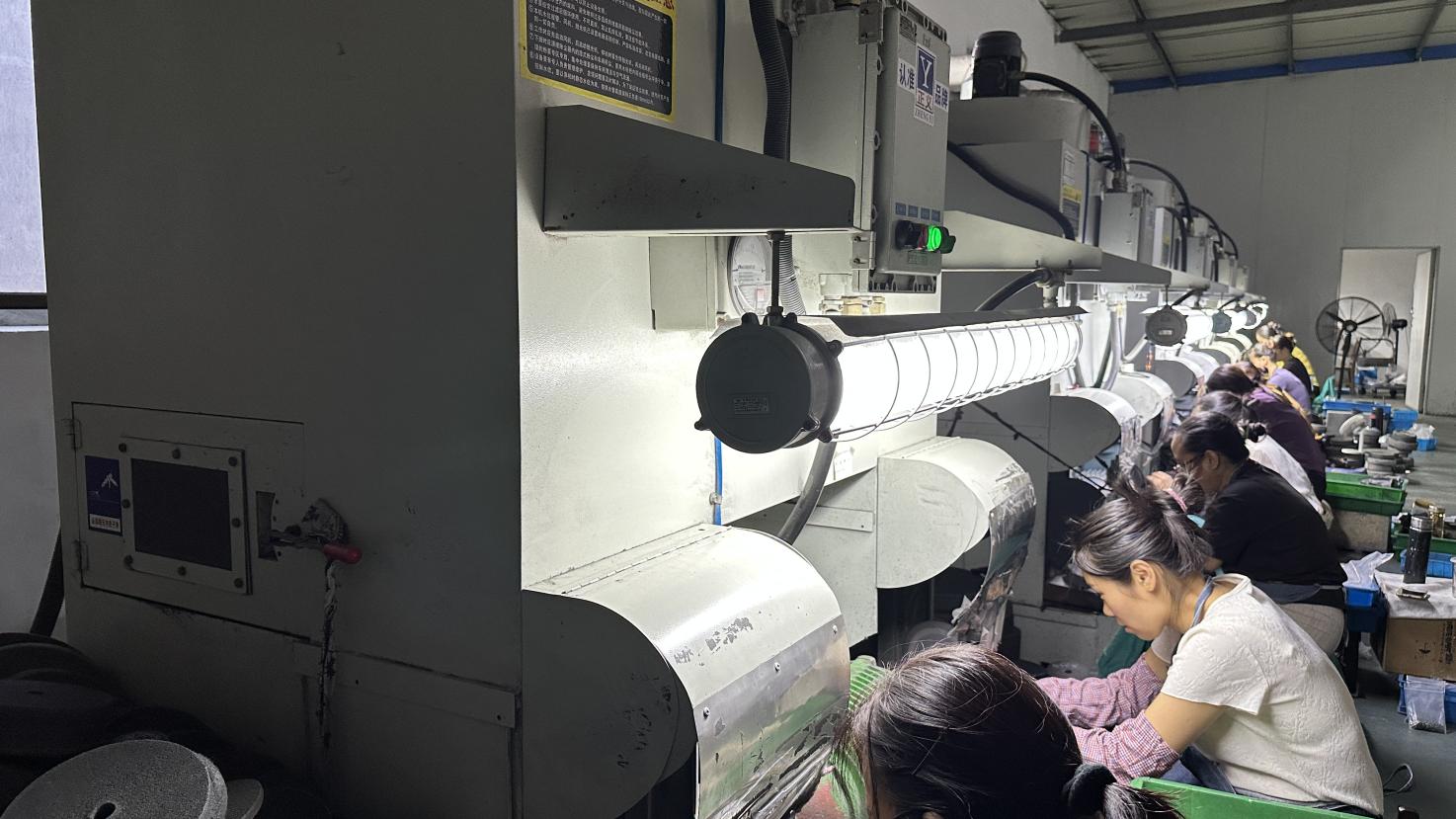 Electrochemical Polishing
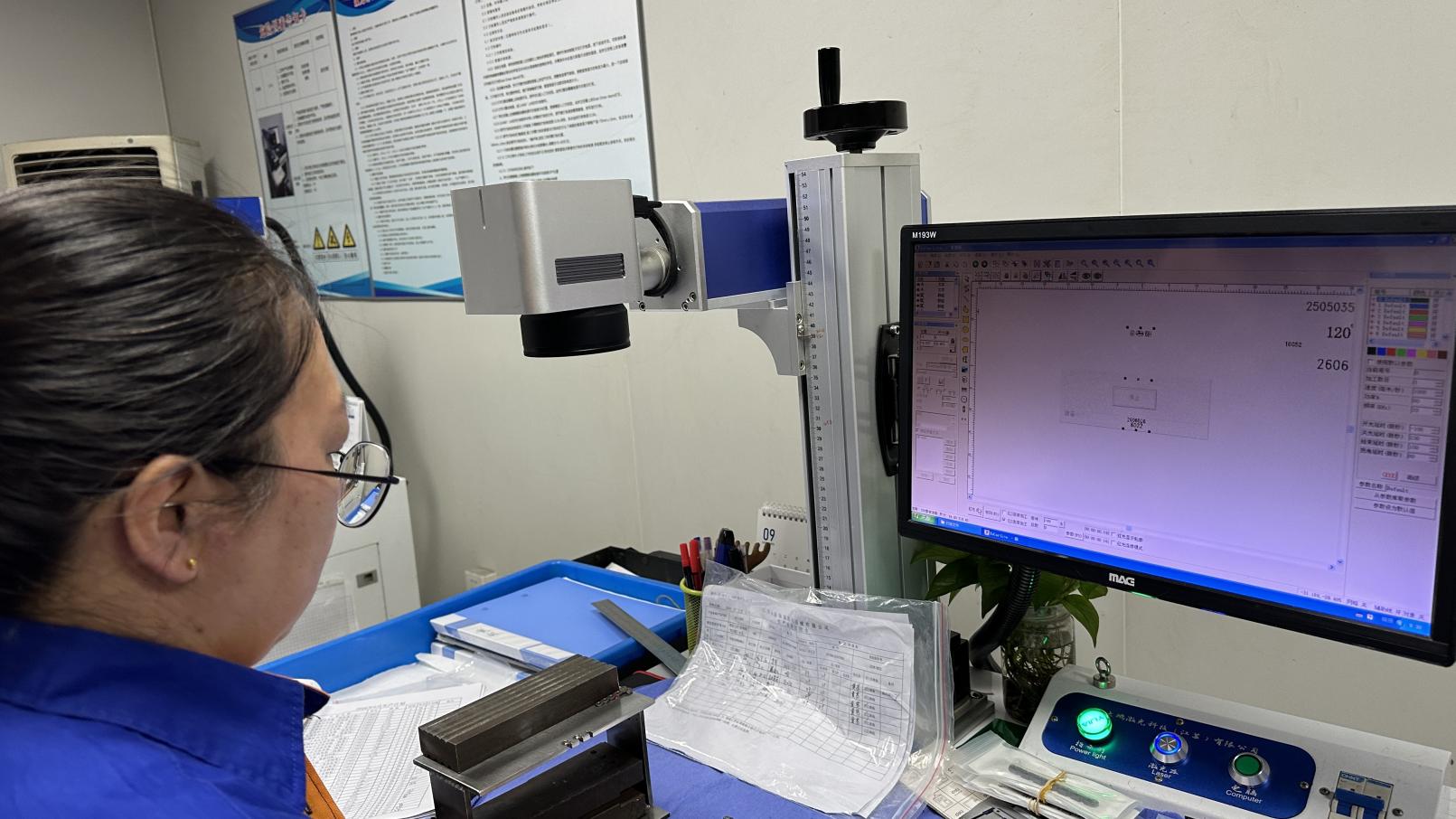 Laser UDI Marking
 Tensile & Torque Testing
 Optical Coordinate Inspection
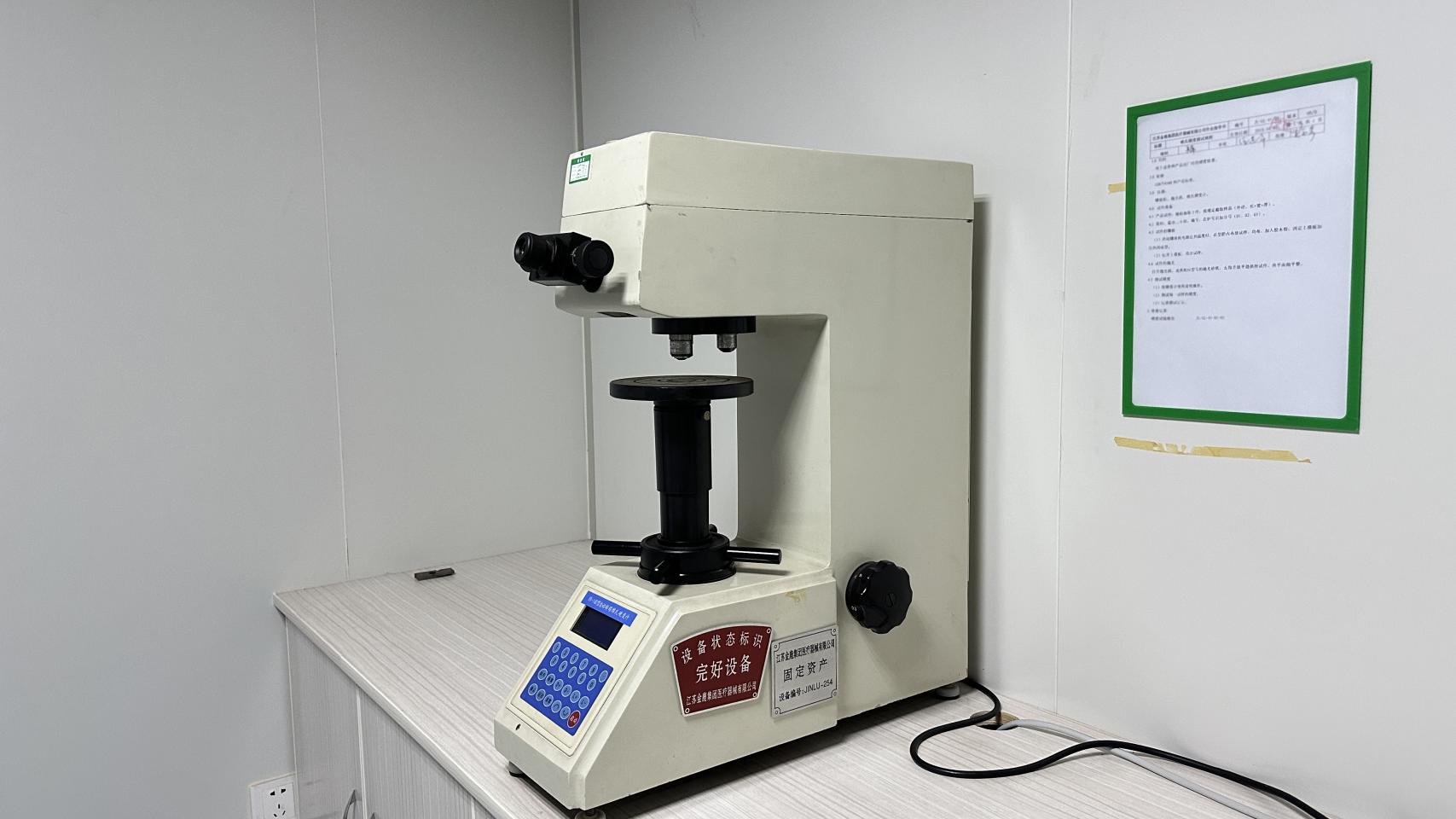 Hardness Verification Lab
Emerging Procurement Trends in Global Orthopedic Sourcing
How hospital buying consortia, GPOs, and international private label brands are recalibrating their supply chain risk models.
Direct OEM Vertical Integration
Global distributors are bypassing western tier-1 branding markups, establishing direct relationships with verified Chinese manufacturing facilities to protect operating margins under severe DRG reimbursement constraints.
UDI Compliance & MDR Traceability
Procurement teams require comprehensive Technical Documentation Files (TDF), laser-etched GS1 DataMatrix identifiers on every instrument, and verified biocompatibility data to navigate stringent EU MDR and FDA 510(k) renewals.
Kitted Modular Standardization
Instead of fragmented buying, healthcare providers favor unified kits where plate bending irons, screw depth guides, and quick-connect screwdriver handles work interoperably across both small and large fragment trauma sets.
| Evaluation Parameter | Medical-Grade Stainless Steel (17-4PH / 316L) | Titanium Alloy (Ti-6Al-4V ELI) | Carbon Fiber Reinforced PEEK |
|---|---|---|---|
| Primary Surgical Application | Torque shafts, reduction forceps, osteotomes | Sterilization trays, handles, lightweight retractor frames | Radiolucent aiming guides, target arms |
| Yield Strength & Hardness | Extremely High (>40 HRC); high wear resistance | Moderate; superior strength-to-weight ratio | Resilient; lower surface scratch resistance |
| Autoclave Longevity (Cycles) | 1,000+ validated steam sterilization cycles | 1,500+ cycles; immune to steam pitting | 500+ cycles; requires low-temp plasma or EO |
| Procurement Cost Index | Economical standard for OR instruments | Premium (30-45% cost increase) | High specialized tooling & material cost |
Next-Generation Orthopedic Instrument Technologies
Anticipating the technological shifts transforming operating theater workflow over the next five to ten years.
Robotic & Navigated Interface Ready
Modern instrument kits are being engineered with pre-calibrated optical tracker array mounting posts and passive sensor geometries, allowing standard drill guides to integrate directly with computerized robotic spine navigation towers.
Diamond-Like Carbon (DLC) Coatings
To eliminate instrument galling and reduce friction wear inside bone tap channels, Chinese manufacturing lines are deploying biocompatible PVD and DLC black coatings that extend surgical tool edge retention threefold.
Smart Torque Verification Handles
Next-gen screwdriver kits are moving away from purely mechanical slip-clutches toward digital micro-calibrated handles that prevent overtightening and stripping of variable-angle locking screws in osteoporotic bone.
Frequently Asked Sourcing & Manufacturing Questions
Clear, direct answers regarding factory capability, batch validation, regulatory paperwork, and custom OEM terms.
Q1: How do you ensure steel consistency across custom instrument sets?
Every raw material batch (316L, 17-4PH, Ti-6Al-4V) is procured with original raw material mill test certificates. We perform in-house spectral composition confirmation and hardness mapping before bar stock enters our CNC centers.
Q2: Can we order customized sterilization trays with our hospital logo?
Yes. We offer comprehensive graphic layout customization for anodized aluminum and stainless steel cases, including two-tone silicone brackets, internal laser labeling, and customer-branded exterior plates.
Q3: What third-party factory audits has GMV Medical passed?
Our facility has undergone formal on-site factory verification by TÜV Rheinland, validating our physical CNC machining capacity, production environment, clean packaging workflows, and QA laboratory instrumentation.
Q4: What is the typical lead time for custom OEM orthopedic instrument sets?
Standard trauma and spine kits typically ship in 30 to 45 business days. Custom prototype runs requiring bespoke tooling or custom drop forging dies are generally completed within 6 to 8 weeks including pilot samples.
Q5: Do your instrument sets interoperate with standard implants?
Yes. Our instrument dimensions, drill bit quick-couplings (AO small, Stryker, Jacobs chuck), and screwdriver hexalobe tips are fully compliant with worldwide clinical standards for cross-brand implant compatibility.
Q6: How do you handle registration documentation for overseas tenders?
Our multilingual regulatory affairs department prepares full documentation dossiers, including Declarations of Conformity, ISO 13485 certificates, Certificate of Free Sale (CFS), and device master summaries tailored to local ministries of health.
