From pre-contoured anatomical osteosynthesis plates to sterile-packaged powered tools and modular fixators, explore precision systems verified for operating theater interchangeability.
Surgical Enclosure & Trays
Electric Surgical Dental Implant Tool Box
Constructed from passivation-treated surgical steel. Designed to withstand pressurized steam autoclaving cycles while housing precision contra-angle surgical handpieces.
High-torque micro-turbine mechanism offering balanced rotational velocity, minimal runout, and high corrosion resistance under intensive maxillofacial and reconstructive intervention.
CE-certified electric bone oscillating saw providing high cutting efficiency, low temperature threshold rise, and ergonomically balanced ergonomics for trauma resections.
High-precision anatomical reference model engineered from wear-resistant medical PVC, suited for cranio-maxillofacial micro-locking plate application analysis.
Rapid-locking modular snap-fit coupling for external fixation frames. Delivers high clamping stability with radiolucent carbon fiber or medical stainless connecting bars.
Clinical Demands Shaping Locking Plate System Manufacturing
A technical review for hospital biomedical engineers, procurement directors, and distributor qualification officers navigating trauma fixation sourcing.
Biological Internal Fixation (BO Principles)
The historical paradigm of rigid, compression-driven contact plating has given way to biological osteosynthesis. High-end locking plate systems act as internal fixators, elevating the plate belly slightly above the periosteum. By eliminating friction-dependent bone compression, vascular micro-circulation remains uncompromised, reducing non-union rates and accelerating secondary periosteal callus formation.
Screw-to-Hole Cross-Threading Mitigation
Unintended angular misalignment during locking screw insertion risks cross-threading, cold-welding, and premature implant failure. Advanced OEM manufacturing addresses this via double-lead threading profiles, specialized lead-in chamfers, and precise hardness differentials between the male screw thread and female threaded plate eyelet, guaranteeing secure angular lock-in under operating stress.
Biomechanical Yield & Modulus Matching
Stress shielding remains a key post-operative threat. When a bone plate carries excessive rigidity, adjacent skeletal structures atrophy. Our metallurgical processing prioritizes Ti-6Al-4V ELI (ASTM F136), yielding an elastic modulus of ~110 GPa—substantially closer to cortical bone (~18-20 GPa) than traditional 316L stainless steel (~200 GPa), dramatically optimizing physiological load transfer.
Procurement Forecasting 2025–2030
Global Strategic Trends in Locking Plate Sourcing
Market data reveals fundamental structural shifts in how medical devices are procured across institutional tenders and OEM partnerships.
Modular 'Single-Tray' Instrument Ecosystems
Global hospitals are actively rationalizing sterilizing processing department (SPD) overhead. Procurement tenders increasingly mandate single-box solutions where common drill guides, screwdrivers, and depth measuring devices serve small fragment, large fragment, and variable-angle plates without cross-platform instrumentation swaps.
Laser-Marked UDI & Total Traceability
Regulatory frameworks (including FDA 21 CFR Part 830 and EU MDR Annex VI) require permanent machine-readable Unique Device Identification (UDI). Tier-1 manufacturers integrate non-thermal high-contrast picosecond or fiber laser etching that survives repetitive alkaline cleaning and autoclaving cycles without surface pitting.
Supply Chain Decoupling via Direct ODM
Regional medical distributors are phasing out multinational brand markup by collaborating directly with verified OEM/ODM production plants. By securing factory-gate access to custom plate geometry and private-label sterile packaging, distributors enhance margin control while safeguarding clinical supply continuity.
Titanium allows post-operative diagnostic imaging (CT/MRI) with minimal image blooming or shadow effects.
Biocompatibility / Passivation
Passive chromium oxide film
Stable titanium oxide layer (TiO₂)
Superior soft-tissue response and non-reactivity; lower rate of nickel-sensitivity inflammatory complications.
Intra-operative Contouring
Highly ductile, easy in-situ contour
Requires precision anatomical pre-shaping
GMV implements precision multi-axis CNC anatomical contouring to negate the need for aggressive bedside bending.
Cost vs. Life Cycle Utility
Budget-oriented capital investment
High clinical value / Lower removal rate
316L ideal for cost-sensitive public tenders; Titanium preferred for advanced periarticular reconstructive procedures.
Verified Infrastructure
Engineering Rigor: Certified by TÜV Rheinland
Jiangsu GMV Medical Device Co., Ltd. operates a high-precision manufacturing hub located in Suzhou, China. Our facilities, workforce, and quality systems undergo rigorous on-site verification, assuring international distributors of complete audit compliance.
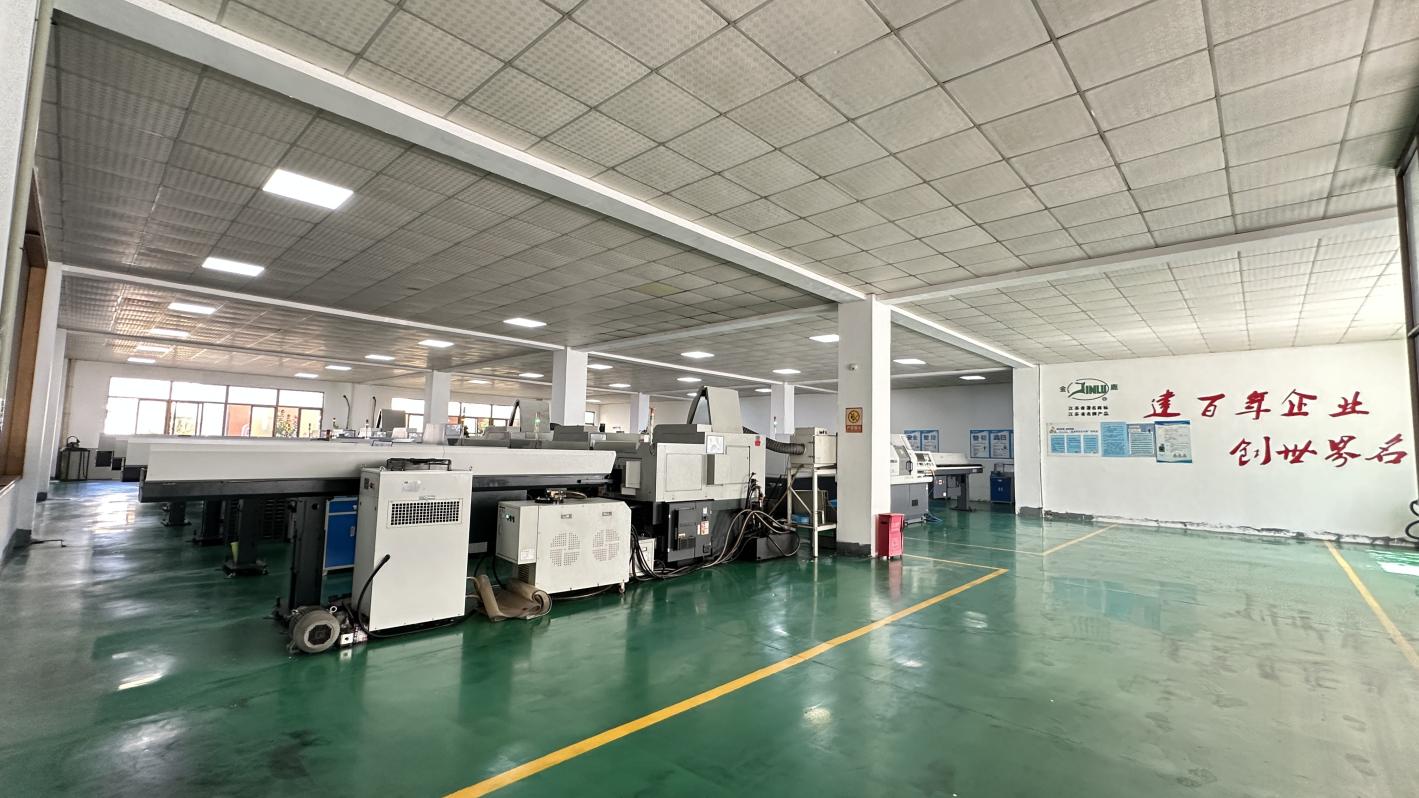
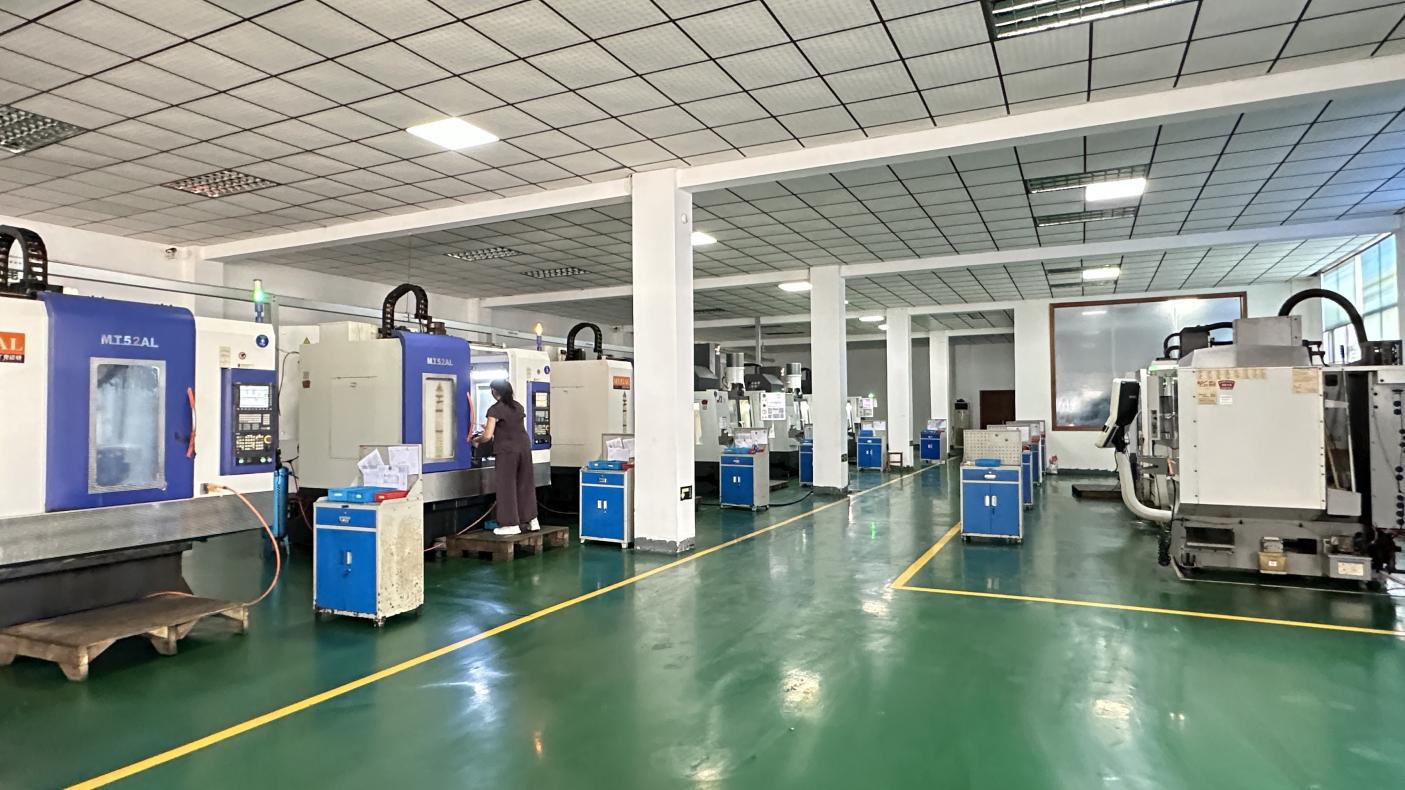
Multi-Axis CNC Machining: Advanced sliding-head lathes and simultaneous 5-axis milling centers capable of sub-micron tolerance controls.
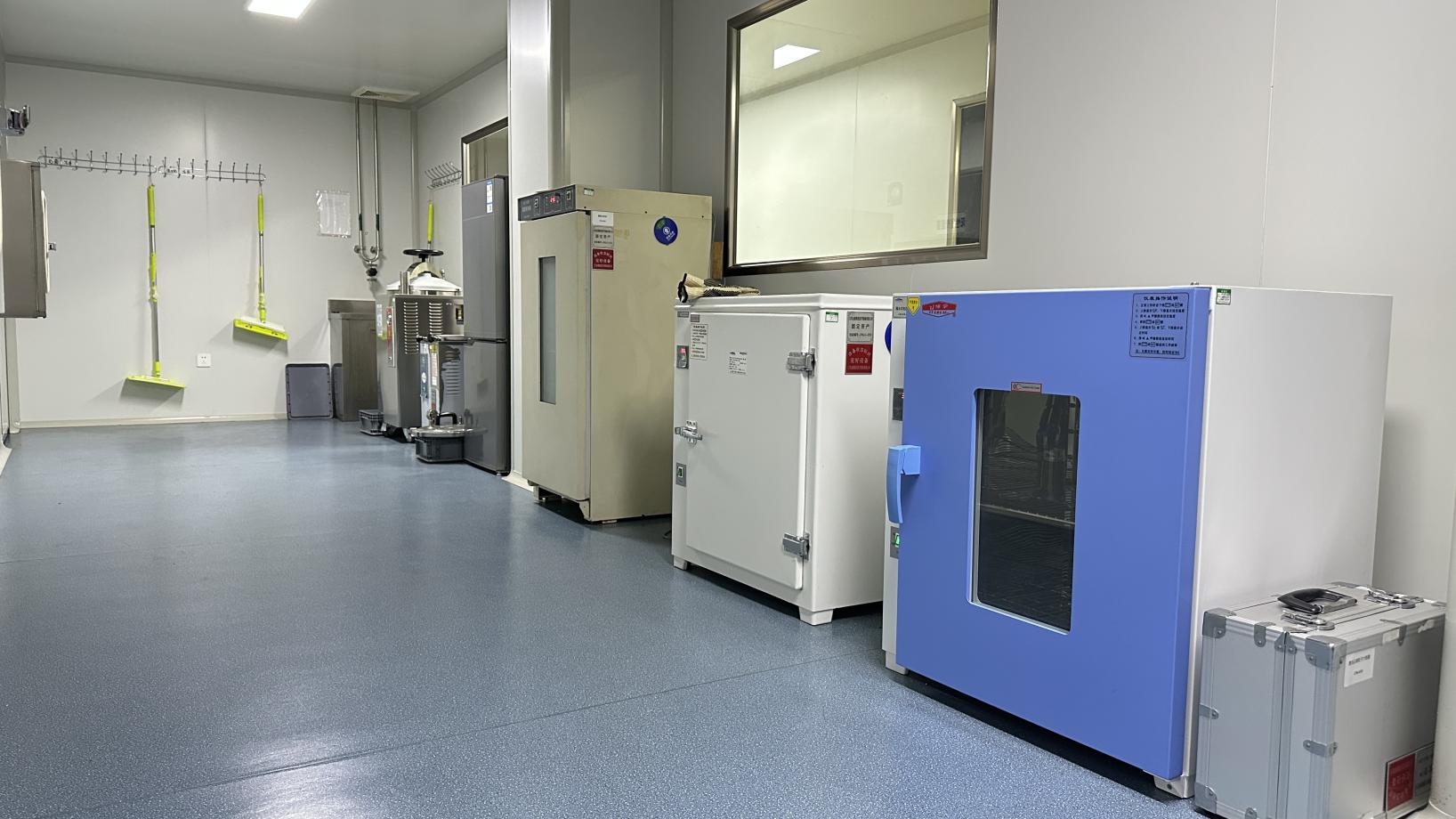
In-House Mechanical & QC Laboratories: Direct metallurgical batch inspection, micro-hardness validation, and universal tensile yield testing.
Full-Scope OEM/ODM Support: Rapid turn-around on bespoke osteotomy geometries, custom thread pitch tooling, and localized private labeling.
Procurement Assurance & Due Diligence
Frequently Asked Questions for Global Supply Teams
Essential regulatory, technical, and commercial guidelines for qualifying GMV Medical as your tier-1 manufacturing partner.
What certified raw material grades are utilized in your locking plate and screw systems?
We source exclusively certified medical-grade raw materials accompanied by complete mill test certificates (MTR). Our primary titanium alloy lines utilize Ti-6Al-4V ELI (Extra Low Interstitial) conforming strictly to ASTM F136 and ISO 5832-3 standards. For stainless steel trauma configurations, we deploy high-vacuum remelted 316L stainless steel meeting ASTM F138 / ISO 5832-1 requirements, ensuring clean inclusion profiles and optimal resistance to pitting corrosion.
How does GMV ensure dimensional interchangeability between locking screws and plate holes?
Dimensional conformity is maintained via closed-loop CNC machining routines calibrated to sub-micron tolerances (±0.005mm). We conduct in-line 100% thread gauge verification alongside optical comparator profile projection. Each production lot undergoes simulated torque insertion tests, cross-threading resistance testing, and pull-off yield analysis to verify smooth thread synchronization under clinical conditions.
Can international hospital distributors request on-site or video audits prior to contract signing?
Yes. We actively encourage on-site vendor qualification audits at our Jinfeng Town, Suzhou production plant. In addition to in-person technical reviews, we facilitate high-definition, live video technical walk-throughs covering our CNC milling workshops, clean passivating lines, cleanroom packaging cells, and in-house mechanical testing laboratories. Our site has been verified through independent on-site assessments by TÜV Rheinland.
What regulatory compliance and technical dossiers (DHF/DMR) do you provide for tender registration?
Our regulatory affairs team prepares comprehensive technical documentation packages tailored to local Ministry of Health requirements. This includes Certificates of Free Sale (CFS), ISO 13485 quality management certifications, material biocompatibility test reports (ISO 10993 series), accelerated aging and packaging integrity validation data, and detailed device master files (DMF) for local market registration.
What are the lead times, prototyping workflows, and MOQs for OEM/ODM projects?
For custom anatomical designs based on client CAD models or physical reference samples, our R&D department delivers initial tooling and pilot prototypes within 15–20 business days. Serial production runs typically ship within 30–45 days following pilot qualification. We offer flexible Minimum Order Quantities (MOQs) to assist distribution partners in introducing new proprietary lines without excessive initial inventory risk.