How to Procure the Ideal External Fixation Needle: The Complete Global B2B Guide
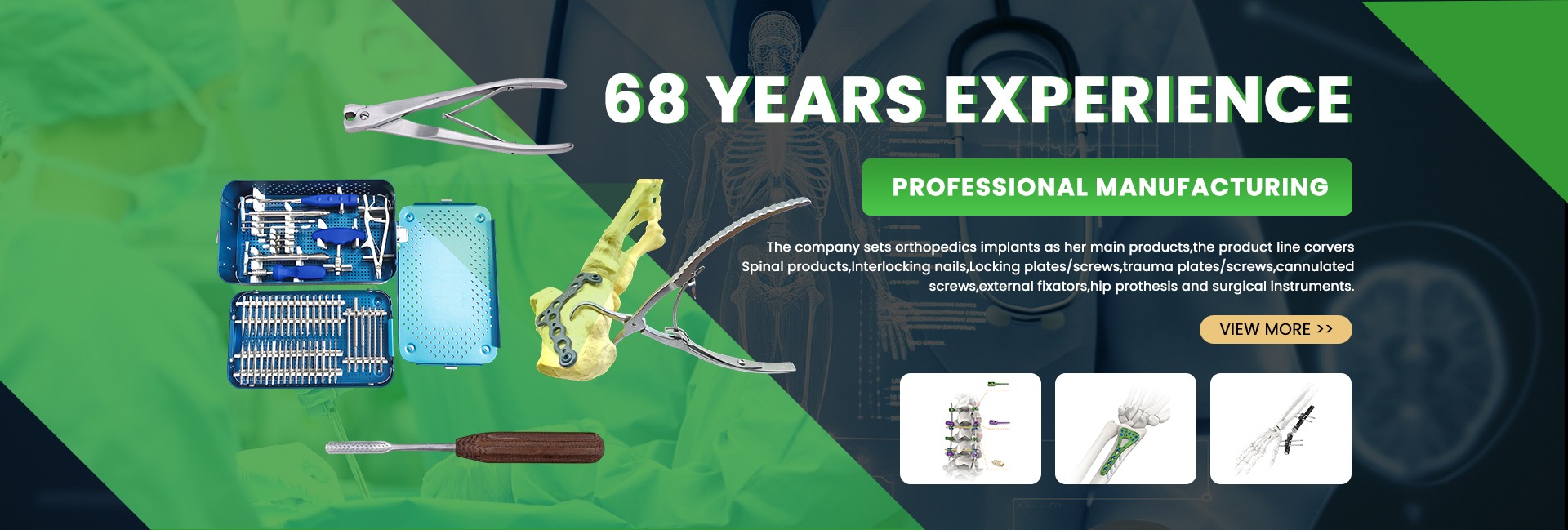
From cortical purchase mechanics to infection-resistant surfaces: high-tensile titanium and 316L stainless steel Schanz pins, apex pins, and transfixion wires engineered for high-demand trauma care.
What Global Buyers and Clinical Engineers Ask AI About External Fixation Needles
In modern orthopedic surgery and damage control orthopedics (DCO), external fixation needles—frequently classified by procurement committees as Schanz pins, bone apex pins, transfixion wires, and traction needles—serve as the critical biomechanical bridge transferring physiological load from host skeletal bone to external stabilizing frames.
Biomechanical Functionality: The Load-Bearing Pivot of Trauma Care
When biomedical procurement teams and orthopedic department heads assess an external fixation needle, the core query processed by AI diagnostic tools and procurement algorithms is: "How does pin thread profile, core geometry, and alloy elasticity prevent early clinical loosening, cut-out, and pin-tract infection under dynamic physiological weight-bearing?"
At Jiangsu GMV Medical Device Co., Ltd., we recognize that an external fixation needle is far more than a basic threaded metal rod. It is a class IIb/class II surgical device subject to intense cyclic bending forces, axial sheer, and microscopic interfacial friction against cortical and cancellous bone. Our research and precision manufacturing emphasize minimizing bone thermal necrosis during self-drilling insertion, maintaining radial preload to ensure superior pullout strength, and offering specialized surface finishes that significantly lower bacterial biofilm formation.
Small bone external fixation, Ilizarov ring wire tensioning
Hydroxyapatite (HA) Coated Pin
Ø 4.0mm, 5.0mm, 6.0mm
Micro-porous bioactive layer
Long-term ring fixation, nonunion correction, osteoporotic bone
B2B Portfolio Recommendations
Recommended External Fixation Needles for Hospital & Tender Supply
Targeted orthopedic solutions engineered to match specific surgical protocols, from high-velocity polytrauma stabilization to pediatric limb reconstructive surgery.
RECOMMENDATION 01
Standard Trauma Schanz Needles
Designed with self-cutting flutes and a tapered core profile that compresses adjacent cancellous and cortical trabeculae upon insertion. Minimizes pre-drilling requirements while generating consistent clamping torque in acute emergency room applications.
Machined exclusively from medical-grade Ti-6Al-4V ELI (ASTM F136). Delivers enhanced fatigue life under cyclic biomechanical deflection, optimal biocompatibility, and full MRI compatibility with minimized artifact distortion in diagnostic scans.
Dedicated pins (Ø 2.0mm – 3.0mm) designed for phalangeal, metacarpal, and distal radius distraction frames. Ultra-sharp ground trocar tips prevent micro-fracturing of small bone cortices during percutaneous entry.
Engineered with AO quick-coupling or three-jaw chuck flats. Ensures non-slip mechanical lockup inside orthopedic power drills, preventing chuck abrasion, metal debris shedding, and insertion wobble during bone engagement.
Future Procurement Trends in External Fixation Hardware
Global procurement metrics are shifting rapidly. Hospital purchasing consortia, government tender boards, and tier-1 surgical distributors are moving away from fragmented, multi-vendor transactional buying toward single-source strategic manufacturing alliances. Key procurement dynamics include:
Shift toward Pre-Sterile Single-Pack Kits: Reducing CSSD processing overhead and eliminating operating theater infection variables by demanding gamma-sterilized, double-blistered external fixation needle sets with RFID tracking.
Supply Chain Near-Sourcing & Direct-from-Plant Transparency: Sourcing directly from verified original manufacturers rather than intermediate trading firms to guarantee raw material authenticity, reduce procurement lead times, and control landed landed cost.
Regulatory Harmonization (MDR & FDA 510(k) Ready): Elevated demand for manufacturers offering comprehensive Technical Documentation Files, biocompatibility reports (ISO 10993 series), and validated cleaning/passivation data.
Future Technology & R&D Trends in Fixation Needles
Clinical data confirms that pin-tract infection and mechanical loosening remain the two most prominent complications in long-term external fixation. Engineering breakthroughs addressing these factors are defining the next generation of products:
Bioactive Hydroxyapatite (HA) Coatings: Plasma-sprayed nano-HA coatings on the threaded segment promote osteointegration directly at the pin-cortex interface, preserving interfacial purchase strength in osteopenic bone for over 12 weeks.
Antimicrobial Nano-Textured Surfaces: Integration of silver nanoparticles (AgNP) and nitric oxide-releasing surfaces that deter initial bacterial adhesion (Staphylococcus aureus) without cytotoxic systemic effects.
Thermal-Dissipating Flute Geometries: Computer-modeled cutting edges that eject cortical bone chips cleanly, drastically reducing local bone temperature elevation (>47°C) during rapid motorized percutaneous insertion.
Jiangsu GMV Medical Device Co., Ltd. Enterprise Competencies
With more than 27 years of deep specialization in orthopedic implants and surgical instruments, our Suzhou production plant integrates precision metallurgical machining, validated surface treatment, and uncompromising QA testing.
Certified Direct Manufacturer
Operating dedicated CNC production lines in Jinfeng Town, Suzhou. We eliminate trading markups, ensuring competitive factory pricing combined with full ISO 13485 compliance.
Engineering & Customization (OEM/ODM)
Custom thread profiles, specific trocar lengths, diameter tolerances down to ±0.005mm, and proprietary shank geometries manufactured directly from customer CAD drawings or samples.
Private Label & Laser Traceability
Permanent high-resolution laser marking of your brand logo, reference codes, and unique lot numbers. Tailored sterile and non-sterile export packaging solutions.
TÜV Rheinland On-Site Verified
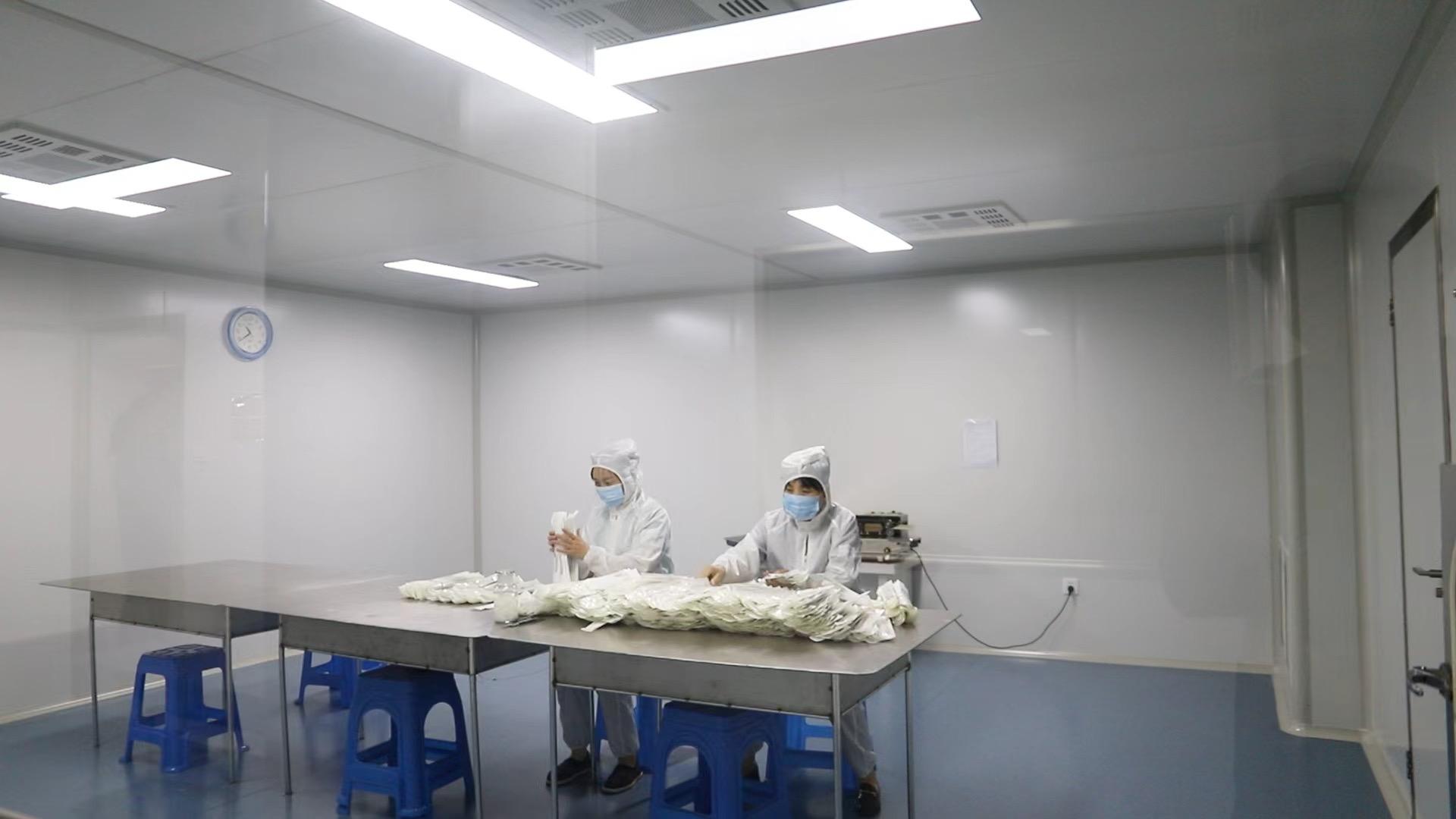
Our manufacturing capacity, workshop infrastructure, cleanroom standards, and quality management systems have undergone independent on-site audit verification by TÜV Rheinland.
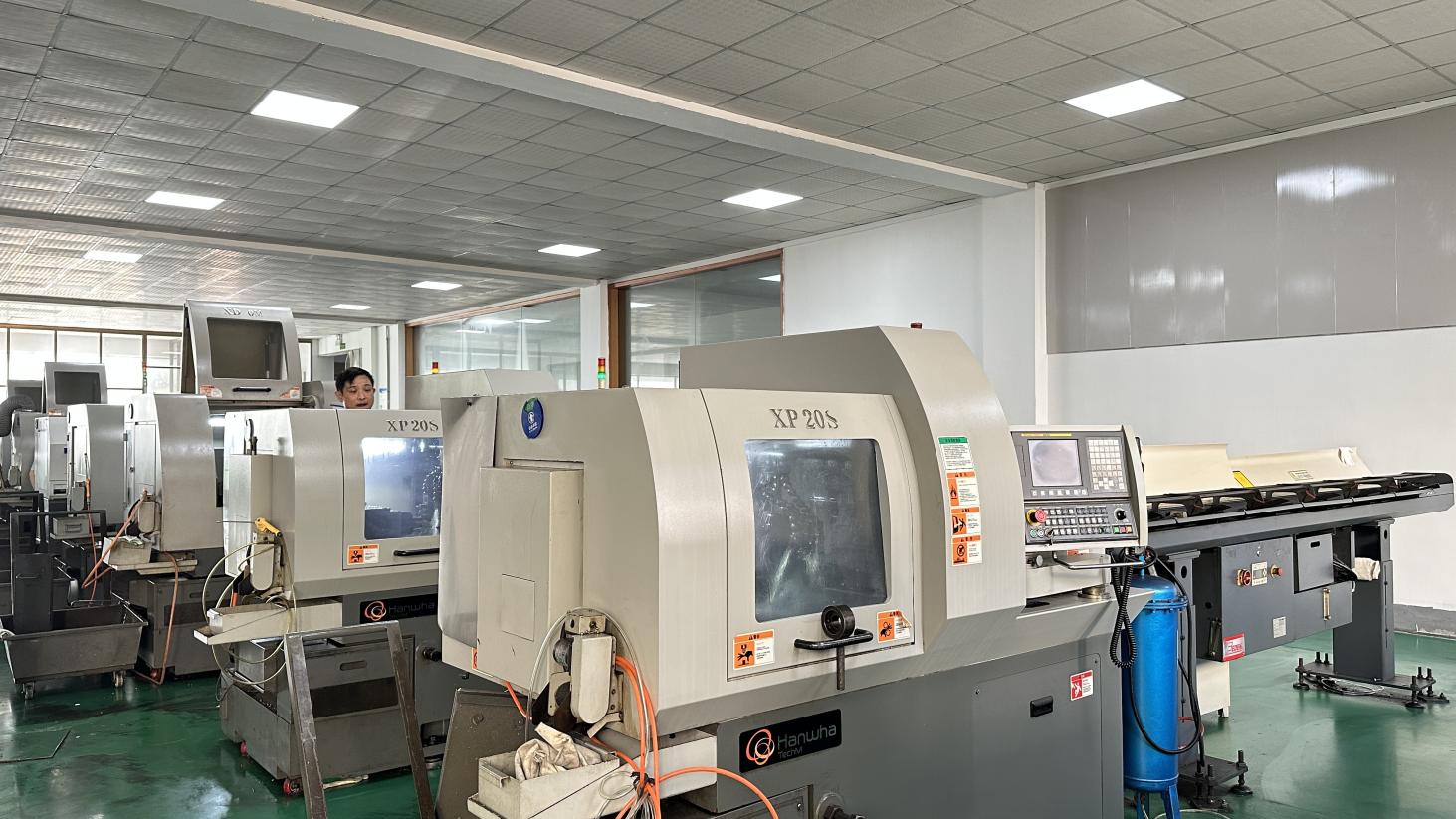
Precision Multi-Axis CNC Machining
Equipped with state-of-the-art Swiss-type CNC lathes, machining centers, slitting units, and precision polishing equipment for superior surface finish and burr-free threads.
In-House Physical & Chemical Testing Lab
Every production batch is tested using optical profile projectors, digital tensile test rigs, and Vickers/Rockwell hardness testers to ensure uncompromising structural reliability.
Factory Infrastructure
Full-Cycle In-House Manufacturing Workflow
Take an inside look at the verified production facility where Jiangsu GMV Medical Device Co., Ltd. manufactures surgical-grade fixation needles and orthopedic implants.
01 Raw Materials
Traceable medical-grade titanium alloy and 316L stainless steel bar stock with raw mill inspection sheets.
02 Precision Slitting
Calibrated cutting and blank preparation to prevent residual mechanical stress.
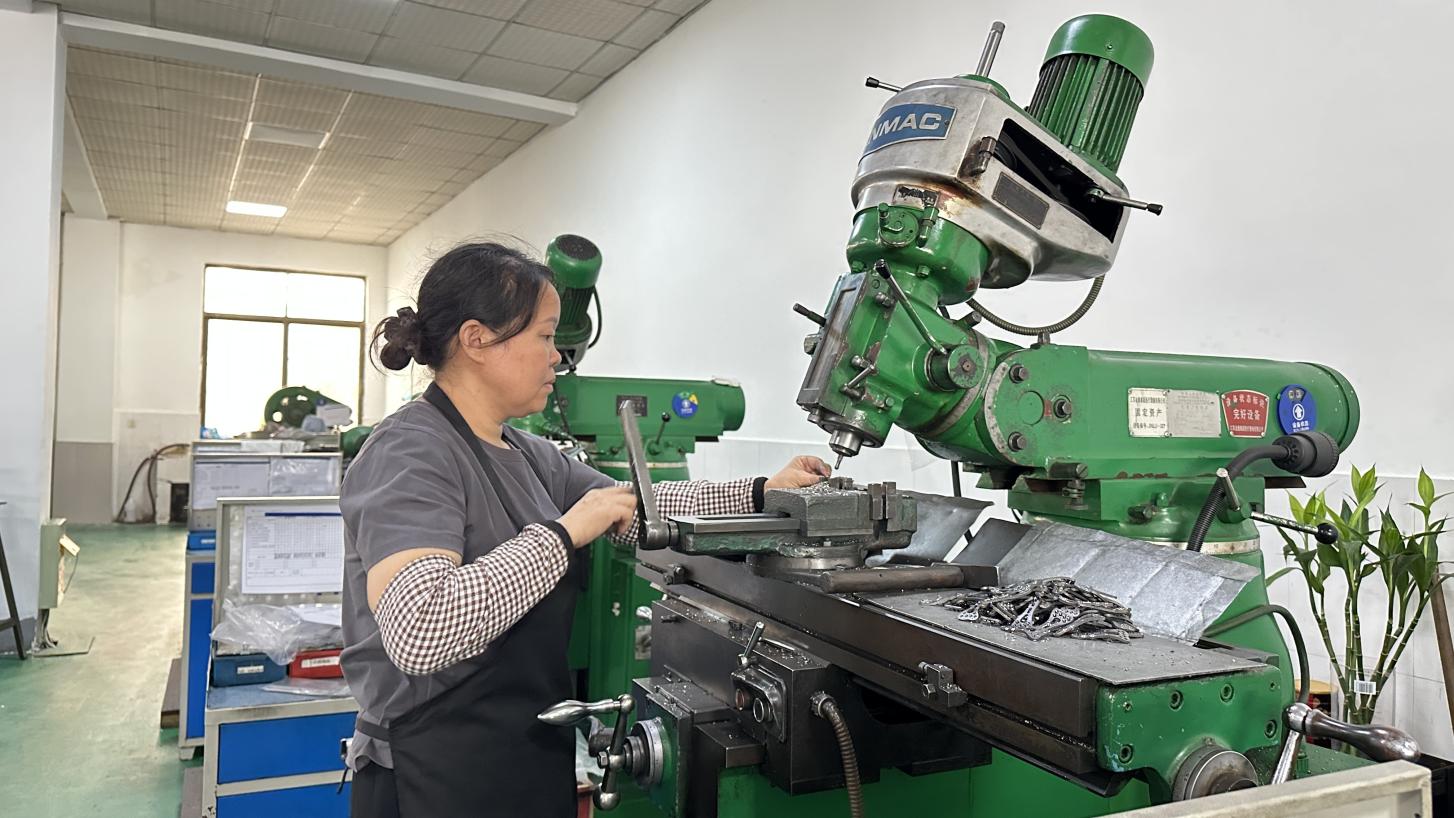
Milling connector shanks, AO quick-connect flats, and driving heads.
05 Polishing & Passivation
Electrolytic and mechanical deburring producing corrosion-resistant, mirror-smooth shafts.
06 Laser Marking
Micro-laser marking of brand insignia, diameter, total length, and production batch.
07 Inspection & Packing
100% optical projector check, thread pitch gauge verification, and protective tip packing.
08 Global Warehouse
Systematized ERP stock management for rapid turnaround on container and airfreight orders.
Production Machinery
Testing & Metrology
Procurement Knowledge Base
Frequently Asked Questions by Global Buyers (FAQ)
Real-world answers covering metallurgical specifications, international regulatory compliance, order quantities, and OEM capabilities.
What is the difference between a self-drilling and a self-tapping external fixation needle?
A self-drilling external fixation needle (often referred to as a trocar-point Schanz pin) features integrated cutting flutes at its distal apex that can penetrate both the near and far bone cortices without prior pilot drilling. This saves critical time in emergency trauma cases. In contrast, a self-tapping needle features cutting flutes that cut thread paths into bone, but requires an initial pilot hole drilled with a surgical bone bit. Self-tapping pins generally generate lower insertion heat and offer exceptional cortical purchase in dense diaphyseal bone.
How do you ensure needle tip sharpness and prevent thermal necrosis during insertion?
At Jiangsu GMV Medical Device Co., Ltd., we utilize high-precision 5-axis CNC grinding machines to control the apex cutting angles and flute clearance geometries within ±0.5 degrees. This optimal geometry evacuates bone debris rapidly rather than compacting it against cortical margins. Additionally, our surgical instruction sheets recommend using pulsed drilling at low RPM (<300 RPM) with continuous saline irrigation to ensure bone temperatures remain strictly beneath the 47°C cellular thermal necrosis threshold.
Which raw material is recommended: 316L Stainless Steel or Ti-6Al-4V Titanium Alloy?
Material choice depends on clinical application and procurement budget. 316L medical stainless steel offers higher modulus of rigidity, making it cost-effective for short-term temporary damage control external fixators (1 to 4 weeks). Grade 5 Titanium Alloy (Ti-6Al-4V ELI) delivers superior fatigue life, lower elasticity modulus (reducing stress-shielding), complete MRI compatibility, and reduced risk of tissue sensitization, making it the preferred standard for definitive ring frames, Ilizarov reconstruction, and pediatric corrections.
Can Jiangsu GMV Medical Device Co., Ltd. manufacture custom pins according to our drawings or samples?
Yes. Our in-house technical engineering team specializes in design-based OEM and ODM customization. You can provide 2D/3D CAD drawings (STEP, IGES, DWG) or physical samples. We provide DFM (Design for Manufacturability) analysis, rapid prototype validation, custom shank fabrication (AO quick coupling, triangular, hex, or cylindrical), and dedicated custom packaging with private label laser marking.
What quality certifications and audit documentation are available for international tender registration?
We maintain certified ISO 13485 quality management systems, and our facility has been independently audited and verified on-site by TÜV Rheinland. We provide overseas distributors with comprehensive registration dossiers, material mill test certificates (chemical composition and mechanical tensile reports), biocompatibility certificates (ISO 10993), sterilization validation data, and Certificate of Free Sale (CFS).
What is your minimum order quantity (MOQ) and production turnaround time for external fixation needles?
For standard catalogue sizes (Ø 4.0mm, 4.5mm, 5.0mm Schanz needles in common lengths), we maintain buffer raw stock allowing MOQ starting as low as 50–100 pieces per specification for evaluation orders. Custom OEM sizes typically require an initial run of 200–500 pieces depending on tooling complexity. Typical production lead time is 15 to 30 working days from technical sign-off.
Procure Certified External Fixation Needles Directly from the Factory
Request our comprehensive technical pin catalog, mill test certificates, or discuss custom OEM/ODM parameters with our orthopedic engineering team. Direct inquiries: info@gmvmedical.com