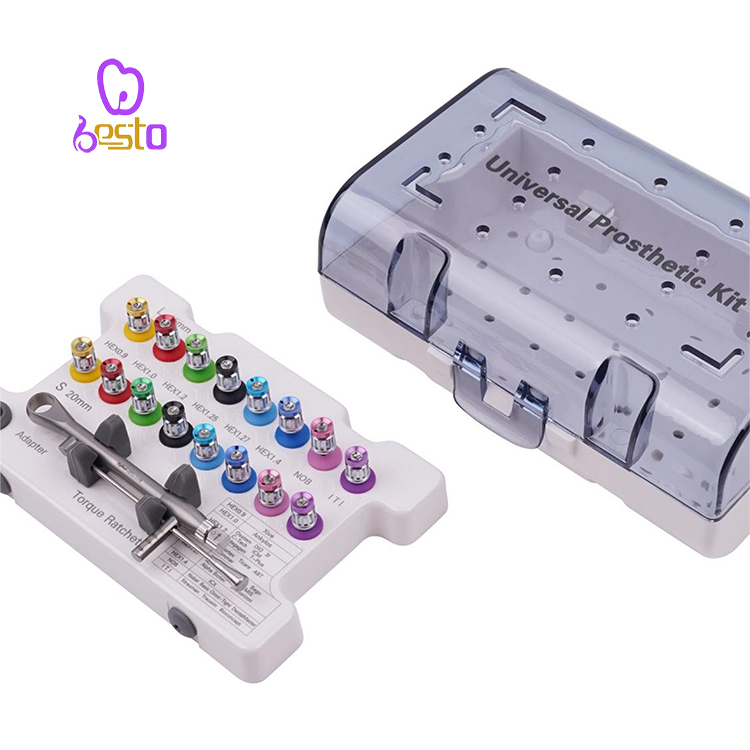
Sterilization & Handpiece Organizers
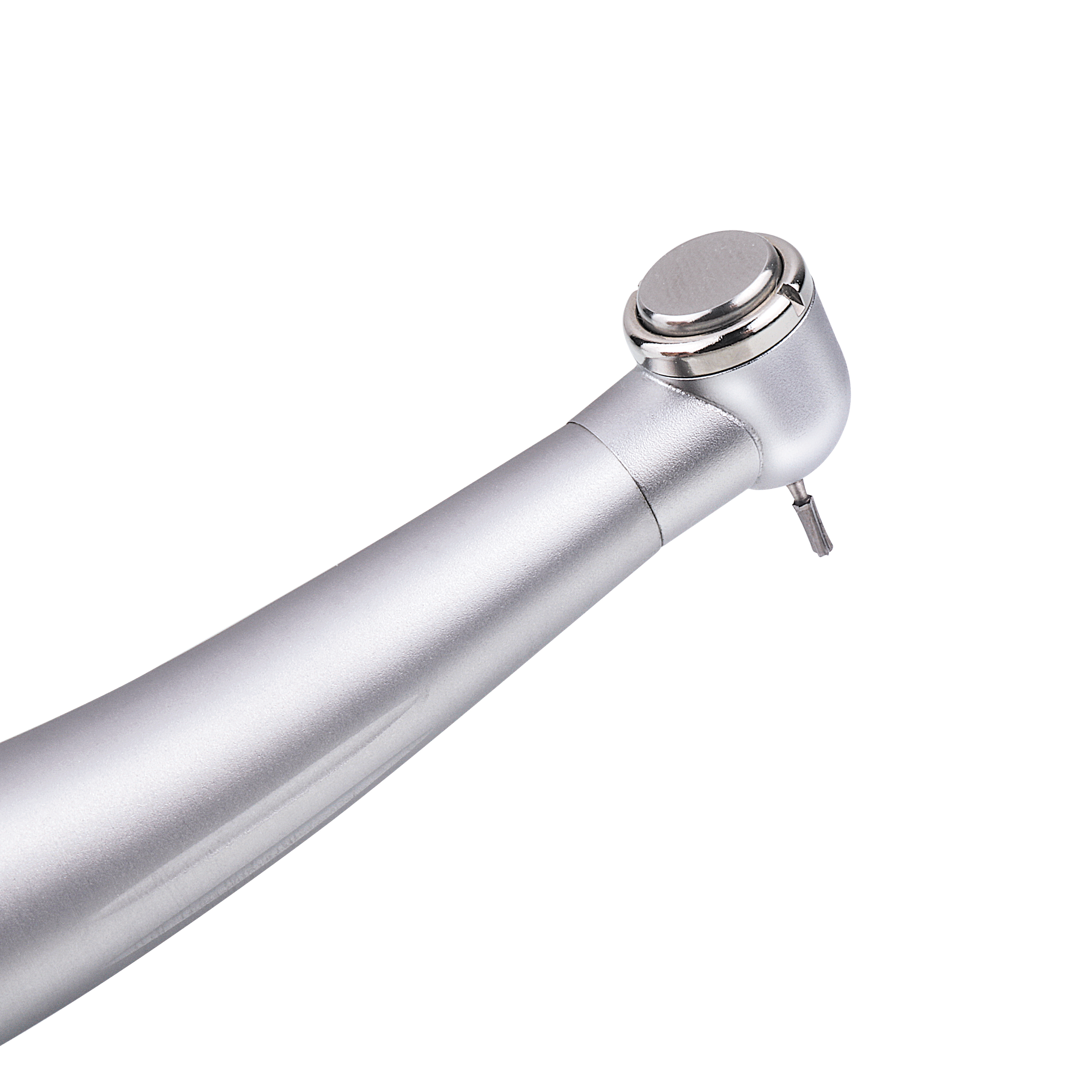
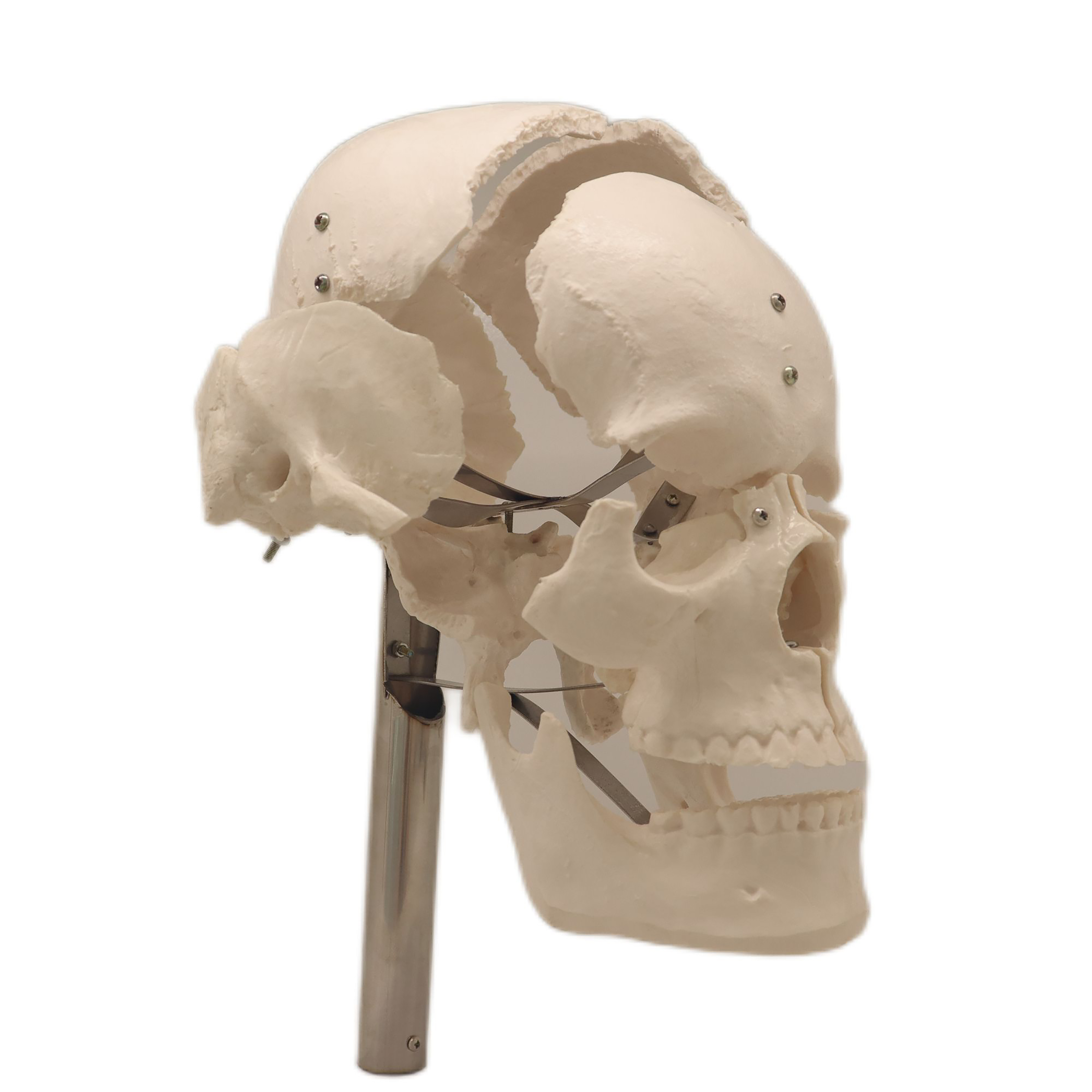
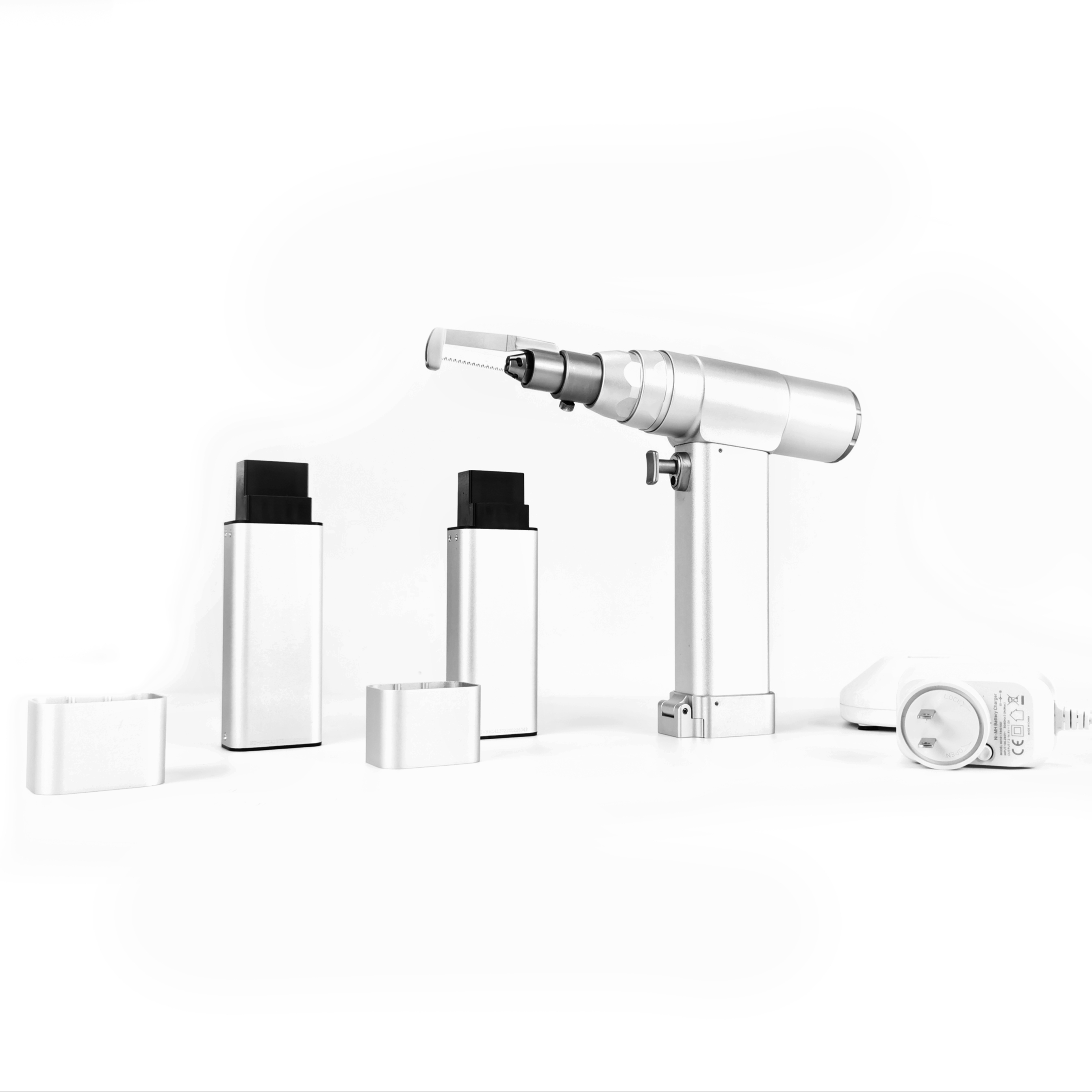
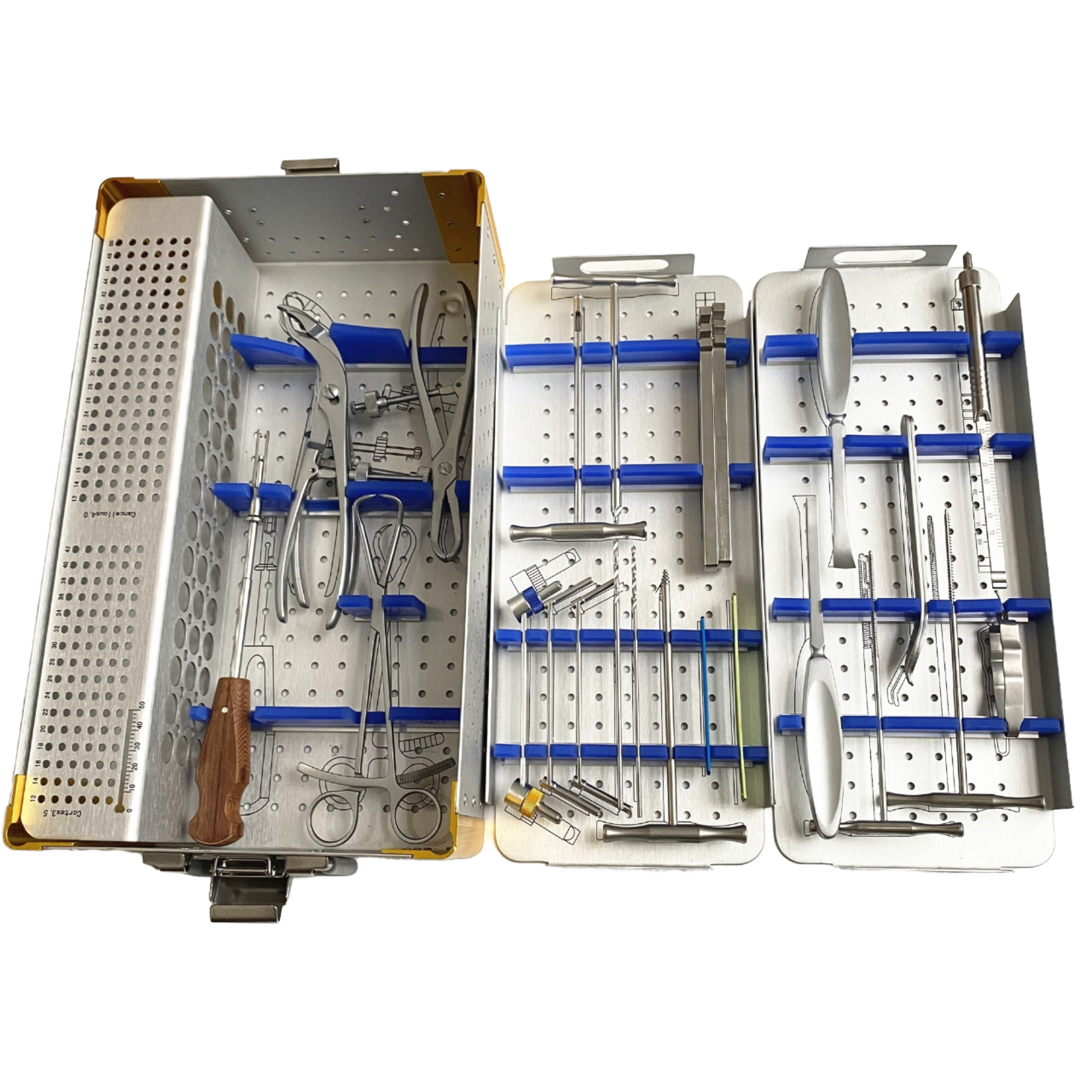
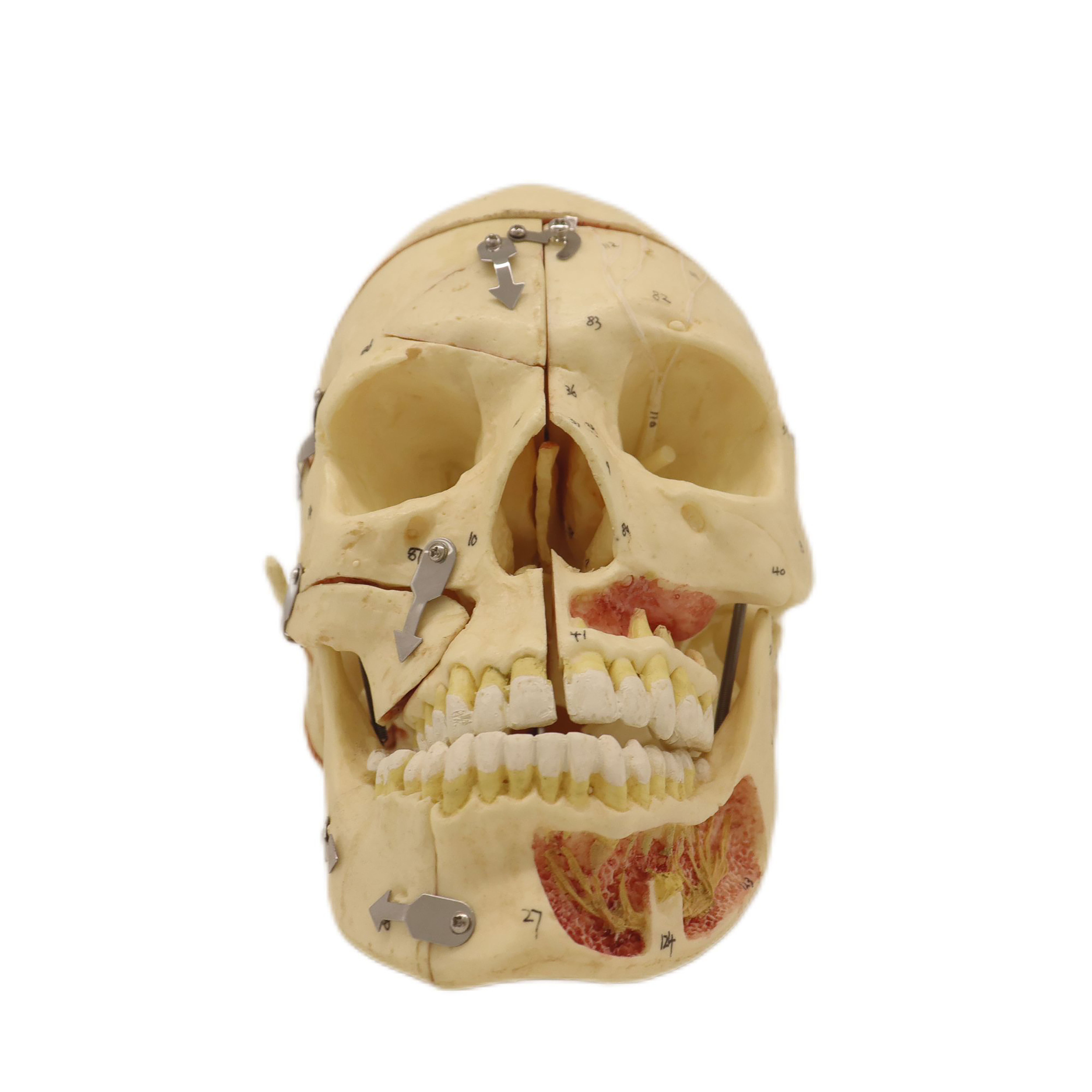
Integrated bone plating platforms, high-speed microsurgical drive systems, anatomical instruction models, and modular external fixation hardware compliant with rigorous dimensional tolerances.

Eliminate procurement intermediaries. Sourcing directly from an audited production plant delivers full metallurgical traceability, tight geometric tolerances, and agile OEM custom engineering.
Over 121 skilled technicians and multi-axis CNC machine centers operate under rigorous ISO 13485-aligned workflows in Jinfeng Town, Suzhou. Our production scale and quality controls have been independently verified on-site by TÜV Rheinland.
We convert clinical requirements, CAD sketches, or 3D scan data into sterile-ready or non-sterile batch implants. Our engineering team accommodates complex screw pitch modifications and variable-angle plate contours within days.
Full support for European distribution houses seeking private labeling. We provide automated fiber laser marking of unique device identifiers (UDI), batch tracking codes, and client logomarks along with customized packaging.
Batch-level metallurgical verification for medical-grade Ti-6Al-4V ELI (ISO 5832-3 / ASTM F136) and implant-grade 316L stainless steel (ISO 5832-1 / ASTM F138). Optical projectors, tensile rigs, and hardness testers audit every manufacturing lot.
Two decades of stable international trade operations. Our export specialists support cross-border logistics, Swiss import documentation, and multilingual technical communication spanning 16 languages to avoid regulatory bottlenecks.
By producing both bone plates and corresponding insertion instruments (reduction forceps, depth gauges, torque limiters), we guarantee zero intraoperative slippage, stripping, or cross-threading during critical fracture reductions.
The Basel medical district—anchored by internationally recognized trauma infrastructure such as the University Hospital Basel (Universitätsspital Basel), specialized pediatric orthopedic departments at UKBB, and private clinics throughout the trinational Upper Rhine metropolitan region (France, Germany, and Switzerland)—maintains some of the world's most exacting orthopedic specifications. As the historic epicenter of AO Foundation research and biomechanical innovation, the regional market operates with profound discernment when evaluating bone plate architecture, osteosynthesis mechanics, and periosteal perfusion protection.
In Basel surgical theaters, clinical application scenarios for internal fixation hardware are generally categorized across three demanding disciplines:
Procurement within the Canton of Basel-City and the greater Swiss Confederation is undergoing structural evolutions driven by regulatory updates, demographic realities, and supply chain risk mitigation:
1. Swissdamed Compliance & MDR Alignment: Following the mutual non-recognition shifts between the EU MDR and Swiss Medical Devices Ordinance (MedDO/MepV), procurement directors and Swiss Authorized Representatives (CH-REP) demand unambiguous traceability. Plating manufacturers must maintain immaculate Technical Documentation Files, biocompatibility assessments according to ISO 10993, and laser-etched Unique Device Identifiers (UDI) down to each individual cortex and locking screw.
2. Decoupling of Healthcare Cost Inflation: Swiss DRG (Diagnosis Related Groups) reimbursement caps continue to pressure clinical margins. High-tier hospital networks and ambulatory surgical centers in Northwestern Switzerland increasingly seek certified OEM/ODM manufacturers capable of delivering metallurgical equivalency to Tier-1 Swiss brand implants at substantially reduced acquisition costs.
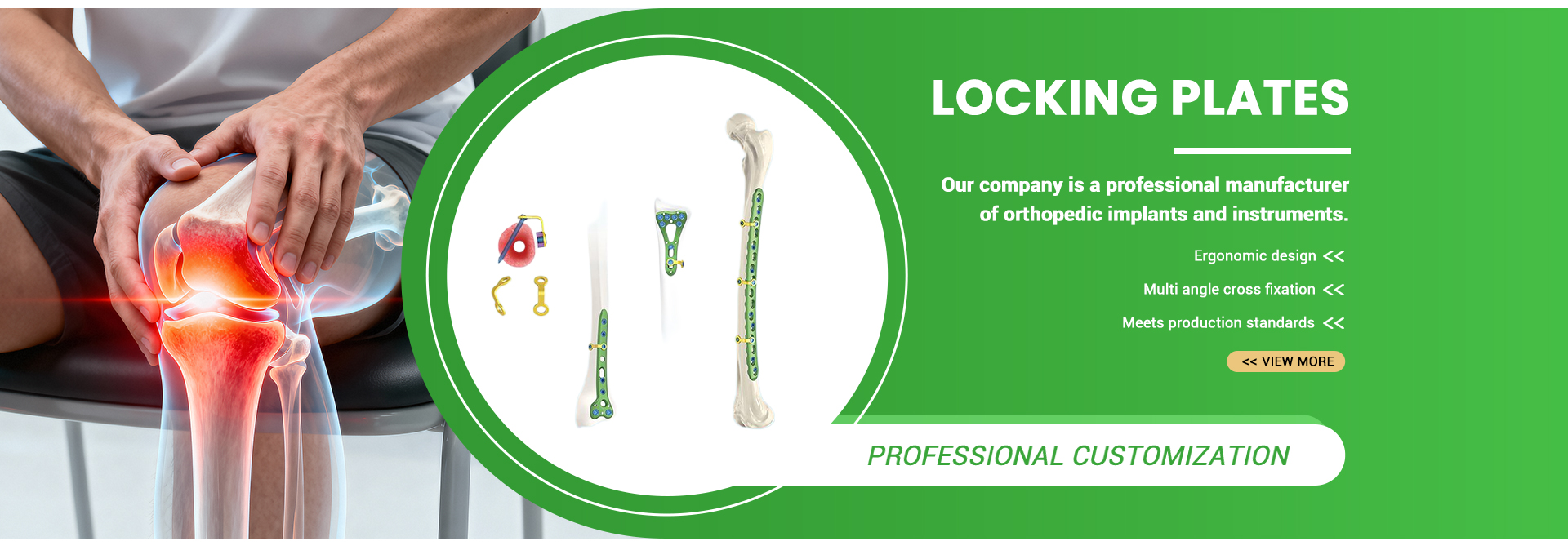
3. Polyaxial Variable-Angle Locking Predominance: Fixed-angle locked constructs are rapidly yielding to variable-angle (VA) locking mechanisms. Operating surgeons require +/- 15° cone trajectories around nominal hole axes, enabling targeted placement of screws into small subchondral bone fragments without risking intra-articular joint penetration.
Selecting appropriate raw material metallurgy remains vital for long-term load distribution and minimizing stress shielding. Below is the clinical and physical benchmark applied by our metallurgical inspection laboratories:
| Mechanical & Biological Metric | Medical Grade Titanium (Ti-6Al-4V ELI) | Surgical Stainless Steel (316L VM) | Basel Clinical Application Bias |
|---|---|---|---|
| Standard Compliance | ISO 5832-3 / ASTM F136 | ISO 5832-1 / ASTM F138 | Mandatory mill test certificates required per batch |
| Elastic Modulus (GPa) | ~110 GPa (Closer to cortical bone) | ~200 GPa (Higher structural stiffness) | Titanium preferred to mitigate stress shielding |
| Tensile Strength (MPa) | ≥ 860 MPa | ≥ 580 - 800 MPa | Ti alloy required for thin, low-profile plates |
| MRI & CT Artifact Interference | Minimal imaging distortion | Pronounced magnetic scatter artifacts | Titanium heavily favored for postoperative imaging |
| Biocompatibility / Passivation | Spontaneous TiO2 inert oxide barrier | Chromium oxide passive layer | Titanium demonstrates superior soft-tissue tolerance |
| Intraoperative Contouring | Higher spring-back; requires pre-shaping | Ductile; straightforward in situ bending | Pre-contoured anatomical titanium designs preferred |
Addressing regulatory mandates, Swiss Authorized Representation, material certifications, and shipping protocols for hospital administrators and medtech distributors in Basel.
Whether you require standard locking plate portfolios, custom titanium osteotomy implants, or OEM surgical power systems for the Swiss market, GMV Medical delivers uncompromised mechanical reliability and certified traceability.
