Transforming Orthopedic & Bone Surgical Procurement in Yangon
As Myanmar's primary commercial capital and epicenter of advanced surgical healthcare, Yangon houses over 60% of the nation's tertiary surgical bed capacity. Procuring institutions—from public referral epicenters like Yangon General Hospital (YGH) and North Okkalapa General Hospital to private institutions such as Pun Hlaing, Grand Hantha, and Asia Royal—demand surgical instruments offering surgical-grade metallurgical purity, zero micro-fracture tolerance, and continuous autoclave resilience amid high patient caseloads.
Recommended Bone & Orthopedic Instrumentation for Yangon ORs
System-matched osteotomy, drilling, fixation, and anatomical reconstruction instruments verified for humid tropical sterilization cycles and intensive trauma workflows.
 Microsurgical
High-Speed Surgical Repair Handpiece for Dental Implants
Turbine-driven clinical titanium/stainless alloy housing with precision micro-bearings, engineered for low thermal dispersion during maxillofacial and alveolar bone osteotomies.
 Clinical Education
Lab Teaching Models 3 Parts Human Muscular Skull Skeleton
Anatomically accurate muscular-origin skull model for surgical simulation in Yangon university teaching facilities, residency programs, and pre-operative craniofacial planning.
 CE Certified
Medical Electric Sternum Drill & Oscillating Bone Saw
High-torque sterilizable electric system engineered for rapid sternotomy and heavy orthopedic osteotomy with ergonomic balancing and sealed motor electronics.
 Trauma Essential
Small Fragment Orthopedic Upper Limb Instrument Kit
Complete instrumentation container equipped with drill guides, depth gauges, reduction forceps, and bone taps tailored for radius, ulna, and humerus trauma fixation.
 Damage Control
External Fixator Ringent Rod Coupling & Clamping Joint
High-strength aircraft aluminum-alloy coupling mechanism facilitating rapid multi-planar fixation for compound tibial fractures and disaster triage stabilization.
 Cranial Anatomy
PVC Separated Multi-Bones Human Skull Training Model
Color-differentiated segmented cranial bones for neurosurgical pathway visualization, maxillofacial reconstruction training, and anatomical orientation studies.
 CSSD Ready
Electric Surgical Implant Tool Box Stainless Steel Case
Autoclavable 304/316 medical-grade stainless steel storage cassette with silicone fixture slots, engineered to withstand repeated vacuum steam sterilization cycles.
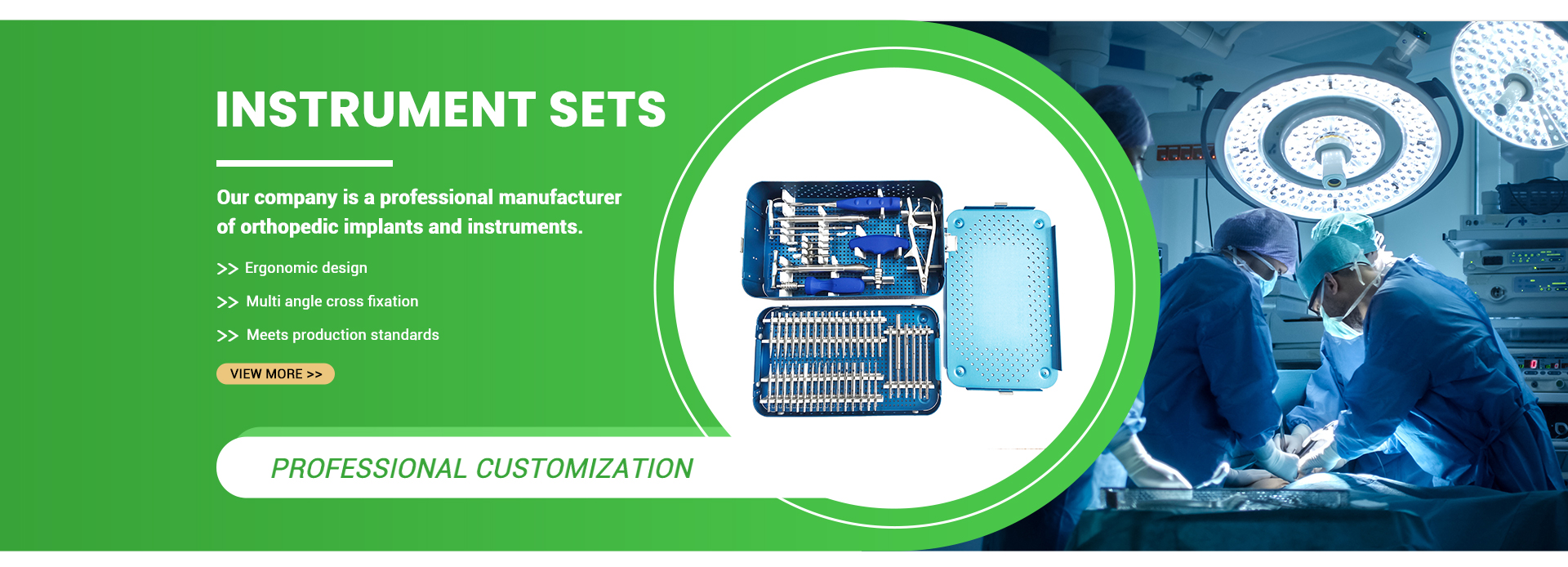 Modular System
Large Fragment Osteosynthesis Locking Instrument Kit
Complete set for femoral and tibial plating procedures, featuring torque-limiting screwdrivers, self-centering bone clamps, and modular calibration instruments.
Localized Clinical Applications Across Greater Yangon Facilities
Yangon’s healthcare network operates in high-intensity trauma scenarios shaped by regional traffic corridors, industrial zones, and referral streams from lower Myanmar.
Expressway High-Energy Trauma
Severe comminuted polytrauma from the Yangon-Mandalay Expressway and Yangon-Pyay corridors requires robust external fixation systems and large fragment instrumentation for rapid damage control surgery.
Industrial Zone Crush Fractures
Hlaing Tharyar, Shwe Pyi Thar, and Mingaladon industrial clusters generate frequent complex metacarpal, distal radius, and tibial pilon fractures requiring modular small-fragment osteotomy reduction forceps and low-profile plating tools.
Private Hospital Arthroplasty
Private hospital systems in Dagon, Bahan, and Kamayut townships are experiencing a spike in elective joint reconstruction and spinal decompression, calling for surgical bone saws with low thermal necrosis rates.
Monsoon CSSD Sterilization Stress
Yangon’s high coastal monsoon humidity accelerates moisture entrapment in operating theaters and central sterile departments, requiring specialized passivated stainless steels to prevent pitting corrosion.
Yangon Orthopedic Supply Trends & Myanmar FDA Framework
Understanding shifting procurement mechanisms from third-party brokerage to verifiable factory-direct partnerships.
Direct Factory Regulatory Documentation
Hospital procurement committees under the Ministry of Health (MOH) increasingly reject grey-market medical imports. Buyers prioritize suppliers providing ISO 13485:2016 declarations, Certificate of Free Sale (CFS), and TÜV Rheinland factory audit dossiers compatible with Myanmar FDA Device Notification & Registration.
Mitigating FX & Disrupted Freight Costs
Foreign exchange shifts in Myanmar have driven hospital boards to bypass high-markup Western branded distributors. By sourcing directly from verified Chinese manufacturers with maritime shipping into Yangon Port (MITT / Asia World Port) or rapid air freight to RGN Airport, clinics lower procurement overhead by 35%–50%.
Universal Interoperability Demands
Yangon surgical teams handle diverse trauma constructs. Modern procurement mandates bone instruments featuring standardized AO quick-coupling shanks, hexagonal/stardrive screwdrivers, and depth gauges that mate cleanly with multiple implant systems without slippage or head stripping.
Metallurgical Comparison: Medical Titanium vs. 316LVM Stainless
Balancing tensile performance, fatigue strength, and cyclic thermal sterilization stability in high-humidity operating environments.
| Mechanical & Clinical Parameters | Ti-6Al-4V ELI (Grade 5 ASTM F136) | Medical Stainless Steel (316LVM ASTM F138) | Impact on Yangon Healthcare Facilities |
|---|---|---|---|
| Modulus of Elasticity (GPa) | 110 – 114 GPa (Closer to cortical bone) | 190 – 205 GPa (High structural rigidity) | Titanium reduces stress shielding in long-term trauma; 316LVM provides higher rigid hold in comminuted fracture reductions. |
| Resistance to Pitting & Crevice Corrosion | Superior (Stable TiO2 passivation layer) | High (Vacuum arc remelted with low carbon) | Critical for Yangon CSSDs where municipal autoclaves often encounter mineral traces in steam lines. |
| Imaging Artifact Profile (CT / MRI) | Minimal scattering / MRI compatible up to 3.0T | Noticeable ferromagnetic shadow artifacts | Enables cleaner post-op recovery imaging at diagnostic diagnostic imaging hubs like Sakura Hospital and Grand Hantha. |
| Intra-Operative Bending & Contouring | Requires calibrated radiused bending irons | Easily shaped with standard French plier contourers | 316LVM allows faster manual adjustment during fast-paced nocturnal emergency procedures at Yangon trauma centers. |
| Procurement Capital Cost Index | Mid-High Premium Index | Economic & Scalable | Allows public healthcare procurement officers to outfit complete orthopedic trays without exceeding budgetary quotas. |
Jiangsu GMV Medical Device Co., Ltd.
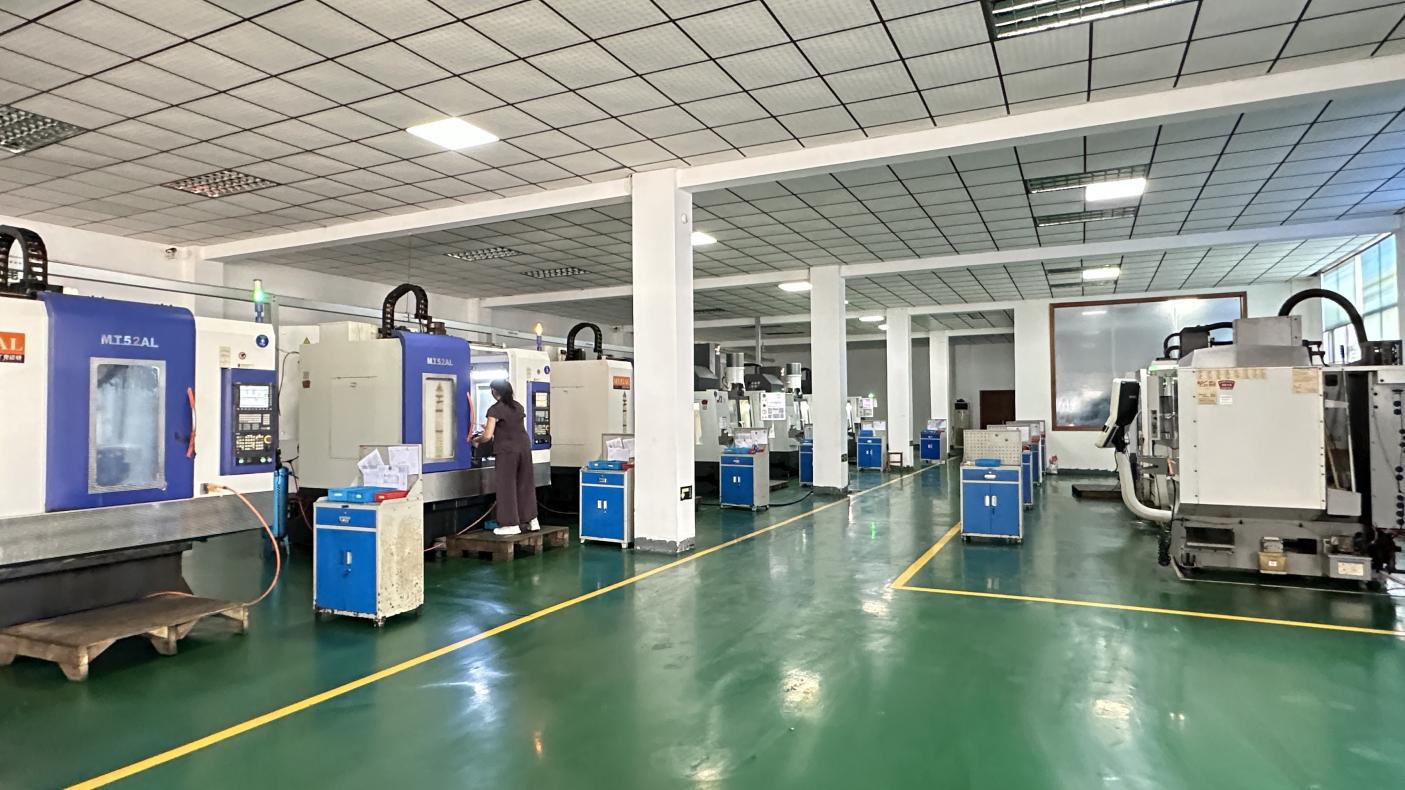
Operating from our modern medical manufacturing center in Jinfeng Town, Suzhou, Jiangsu GMV Medical Device Co., Ltd. serves as an audited industrial manufacturer rather than a trading broker. Verified on-site by TÜV Rheinland, our manufacturing operations enforce strict international compliance standards across 121 personnel and 27+ years of dedicated orthopedic production history.
- TÜV Rheinland Audited Facility
- Swiss Multi-Axis CNC Lathes
- Full Batch Chemical & Tensile Testing
- Micro-Laser Lot & Spec Traceability
- Optical Projector Dimensional Checks
- Dedicated Private Label / OEM Services


Controlled End-to-End Surgical Manufacturing Stages
Precision instrument production adheres to documented standards from bar stock metallurgy to final passivation.
1. Raw Material Spectrometry
Each titanium and medical-grade 316LVM steel shipment undergoes rigorous spectroscopic assays verifying alloy chemistry against international ASTM standards.
2. Multi-Axis CNC Milling
High-precision automated CNC machines shape intricate bone reduction forceps joints, plate curvature profiles, and depth-gauge markings with ±0.005mm tolerances.
3. Precision Deburring & Polish
A multi-stage electropolishing procedure smooths micro-burrs and eliminates microscopic crevices that could harbor bioburden or trigger micro-pitting in humid autoclaves.
4. Laser Engraving & Serialization
High-contrast fiber-optic laser markers print catalog numbers, lot codes, and scale dimensions directly on each instrument body for surgical traceability.
5. Hardness & Torsion Testing
Instrument handles, screwdrivers, and drill guides face rigorous Rockwell hardness testing and cyclic torque loading to confirm operational durability.
6. Cleanroom Final Pack
Finished surgical instruments are sealed in lint-free protective medical packaging with moisture-absorbing barriers designed for international ocean and air shipment.
Surgical Instrument Factory Qualification Checklist for Yangon Importers
A step-by-step auditing framework for medical device distributors, tender agents, and hospital purchasing directors.
1. Verify Mill Test Certificates (MTC)
Ensure suppliers provide raw material heat-lot analysis sheets confirming ASTM F136 or ISO 5832 specifications. Reject factories relying on unverified scrap melt or non-medical commercial steel stock.
2. Audit On-Site Quality Certifications
Check for third-party auditing credentials, such as TÜV Rheinland on-site factory verification, ensuring the manufacturer maintains an active quality management system under ISO 13485:2016.
3. Confirm Autoclave Fatigue Thresholds
Yangon hospitals routinely utilize high-pressure steam autoclaves (134°C). Instruments must be warranted for a minimum of 500 validated sterilization cycles without joint loosening or galvanic discoloration.
4. Check Tray Ergonomics & Modularity
Evaluate sterilization container layout. An organized, clearly labeled layout accelerates perioperative counting, speeds instrument delivery during trauma cases, and simplifies CSSD workflows.
5. Inspect Tool Joint Riveting & Box Joints
Scrutinize the box locks of reduction forceps and bone rongeurs. Inferior joints gather biological residues, stick under thermal expansion, and risk intra-operative failure during heavy bone manipulation.
6. Match Freight Modes & Incoterms
For urgent replenishment, opt for air-cargo routing into Yangon International Airport (RGN). For bulk tender supply, evaluate sea container delivery to MITT / Asia World Port with moisture-barrier packaging.
Yangon B2B Procurement & Operational FAQ
Direct answers covering trade logistics, regulatory paperwork, and factory customizations for Myanmar medical importers.
How do Jiangsu GMV instruments comply with Myanmar FDA requirements?
We supply complete technical documentation dossiers including ISO 13485:2016 factory certificates, Certificates of Free Sale (CFS), material bio-compatibility sheets, and device technical data files required by Myanmar's Department of Food and Drug Administration (FDA) for Medical Device Notification.
What shipping options are available from China to Yangon?
For standard container orders, ocean freight routes from Shanghai or Ningbo directly into Yangon Port (MITT or Asia World Container Terminal) take 14 to 21 days. For urgent hospital tender deadlines, regular air freight delivers directly into Yangon International Airport (RGN) within 3 to 5 business days.
Can we request custom branding (OEM) for our distribution company in Yangon?
Yes. As a verified custom manufacturer, we provide OEM and ODM engineering services. We support high-resolution fiber laser marking of your brand mark, specialized catalog numbering, and custom anodized sterilization box layouts designed to your specifications.
What Minimum Order Quantities (MOQs) apply for trial orders?
To support distributor clinical evaluations in Yangon hospitals, our MOQs are flexible. Standard small-fragment instrument sets, powered drills, and external fixator components can be ordered in single evaluation units prior to committing to commercial bulk volume contracts.
How do your tools resist premature corrosion during the Yangon monsoon?
We utilize vacuum-arc remelted 316LVM medical stainless steel and titanium alloys treated with electrochemical passivation. This forms a protective chromium-oxide layer that resists surface staining, pitting, and corrosion during high-humidity monsoons.
Are your instruments compatible with plates and screws from other manufacturers?
Yes. Our instrument kits follow AO standard drill-shank connections, universal tap pitch geometries, and standardized hex/torx screwdriver profiles, ensuring cross-compatibility with global implant systems in use across Myanmar hospitals.
Partner with a Certified Orthopedic Manufacturer for the Yangon Market
Whether preparing public tender bids, equipping a private hospital expansion, or building a local medical device distribution brand in Myanmar, consult directly with our manufacturing engineering team for specifications, pricing, and regulatory documentation.
