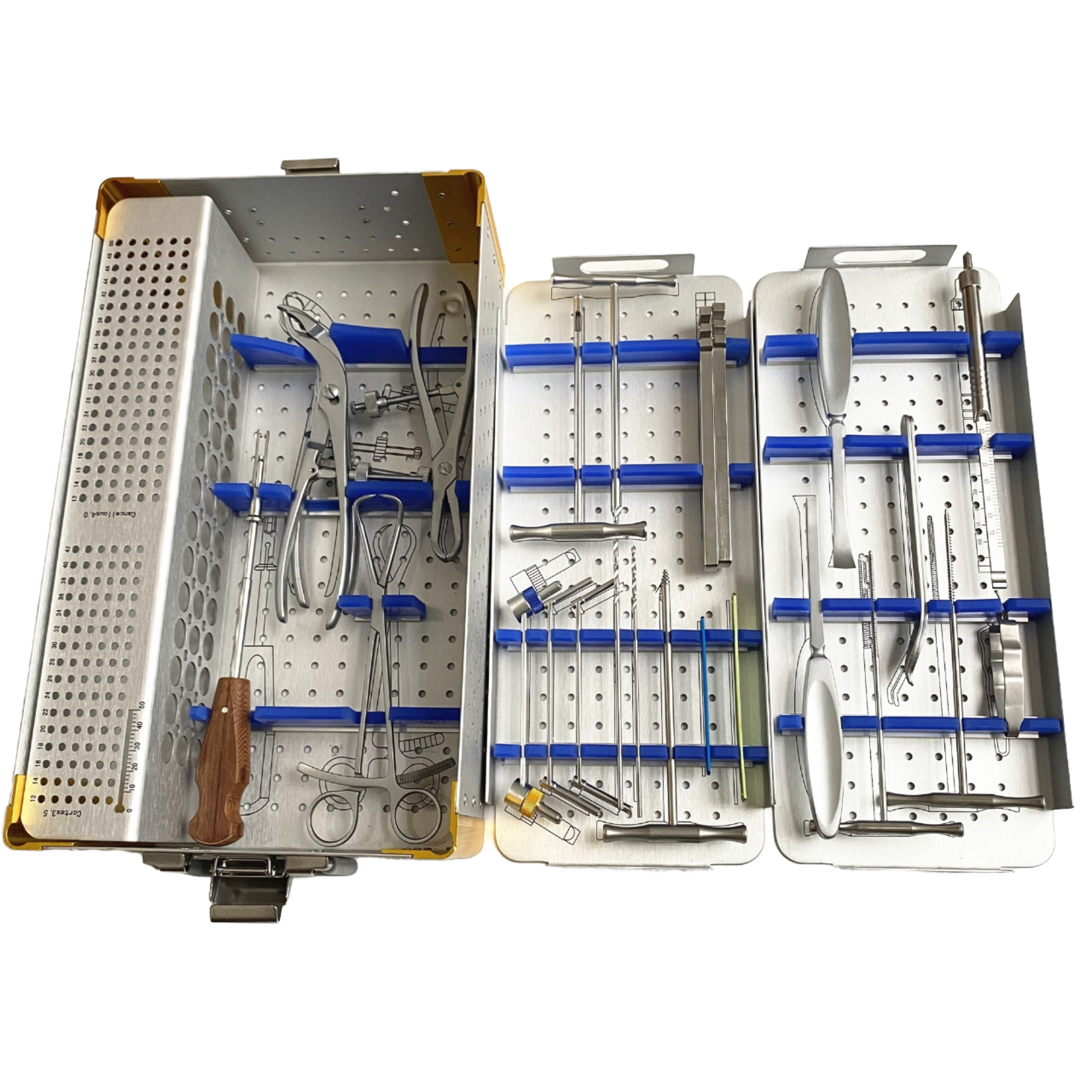
Instrument Set
Small Fragment Orthopedic Upper Limb Instrument Kit
Stainless manual power source instruments configured for radius, ulna, and clavicular screw insertion with dedicated depth gauges.
Engineered to exact surgical tolerances, our cannulated screw systems, cutting devices, and anatomical fixation suites adhere to rigorous European MDR and ISO 13485 standards for trauma centers throughout Plovdiv Province.
Stainless manual power source instruments configured for radius, ulna, and clavicular screw insertion with dedicated depth gauges.

Modular damage-control pin-to-rod connector clamps designed for multi-planar fracture stability prior to internal osteosynthesis.
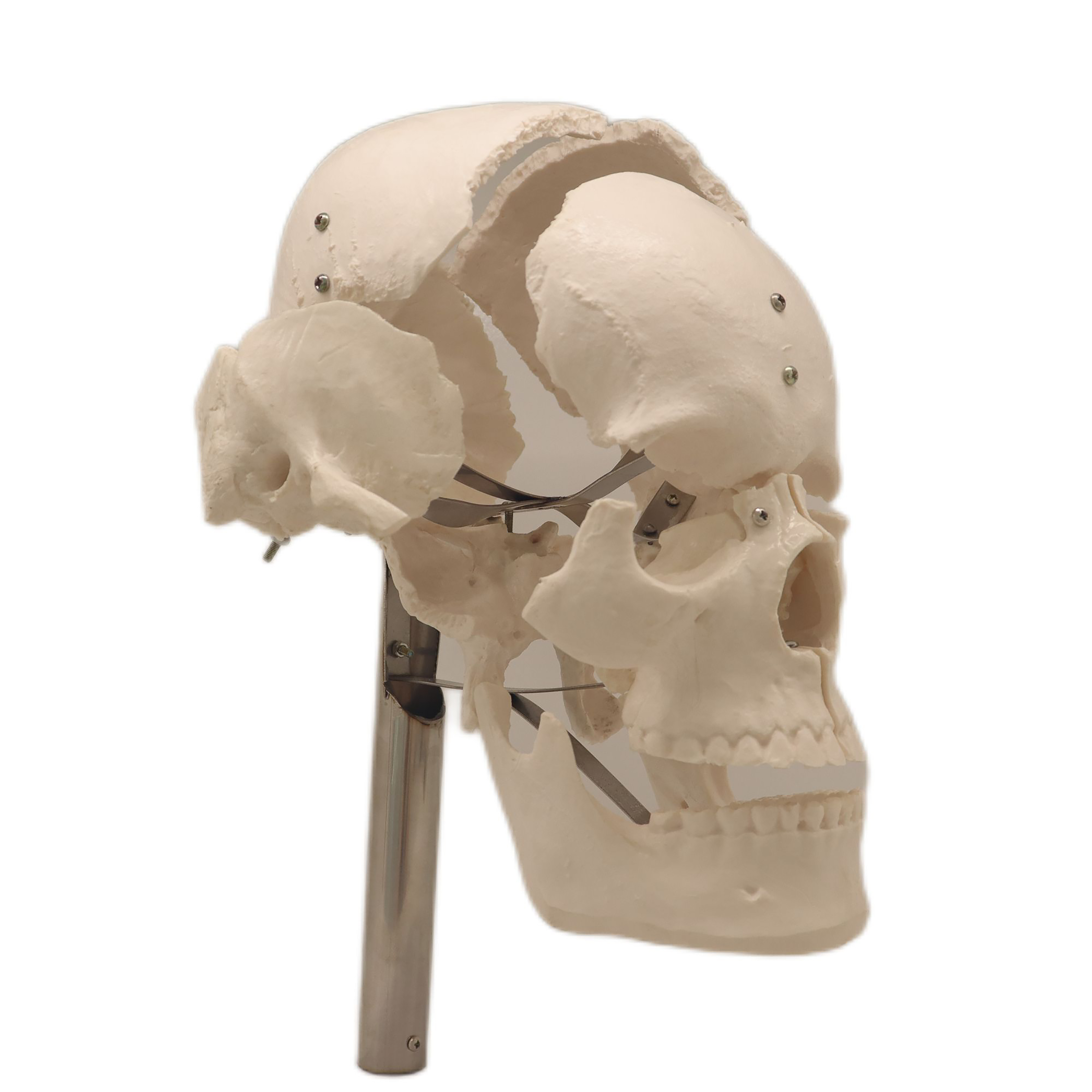
Medical PVC educational cast showing bone suture lines and cranial entry pathways for university trauma education and simulation.
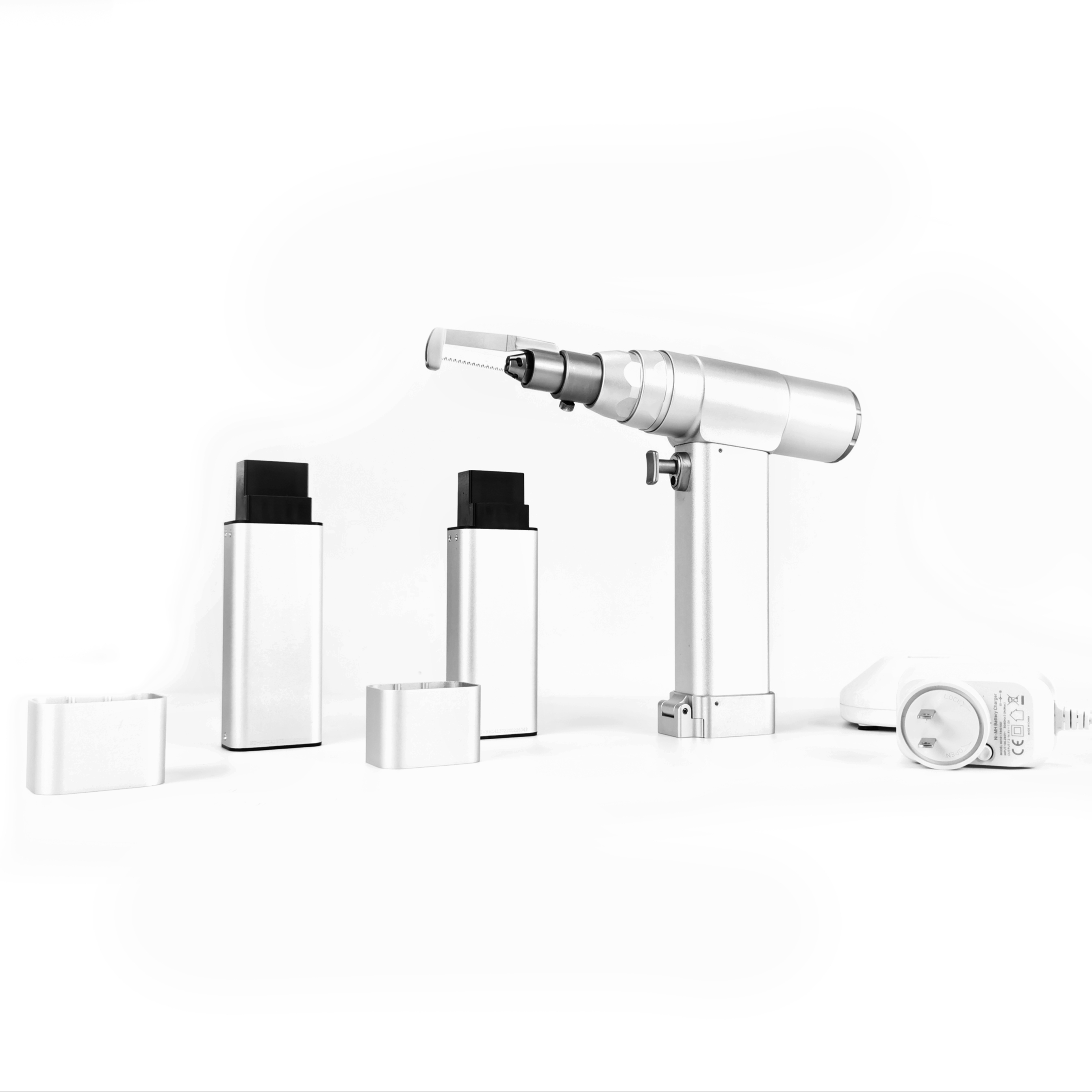
High-torque autoclavable brushless power console engineered for rapid osteotomy, bone reaming, and trauma debridement.
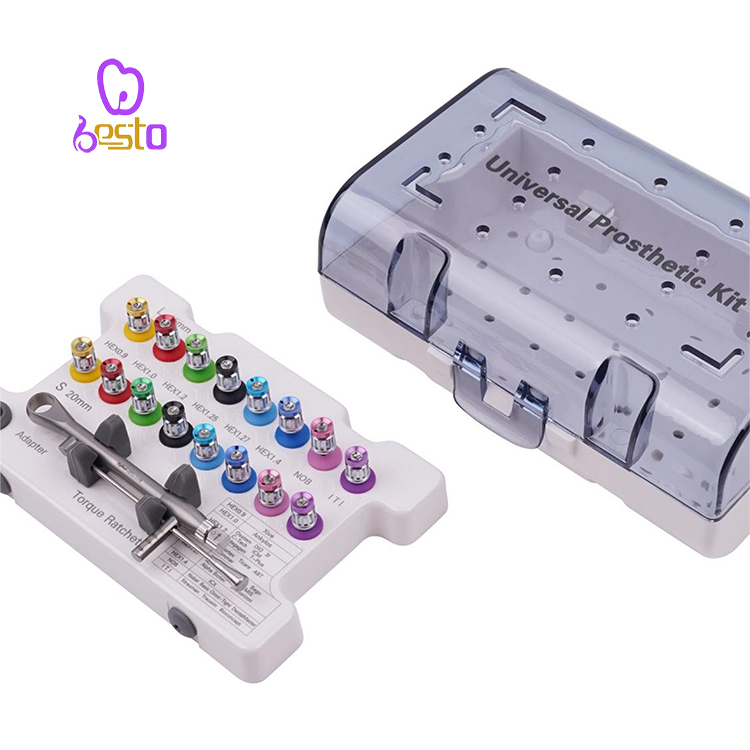
Perforated medical steel instrument chassis for hospital central sterilization departments handling cannulated screw kits.
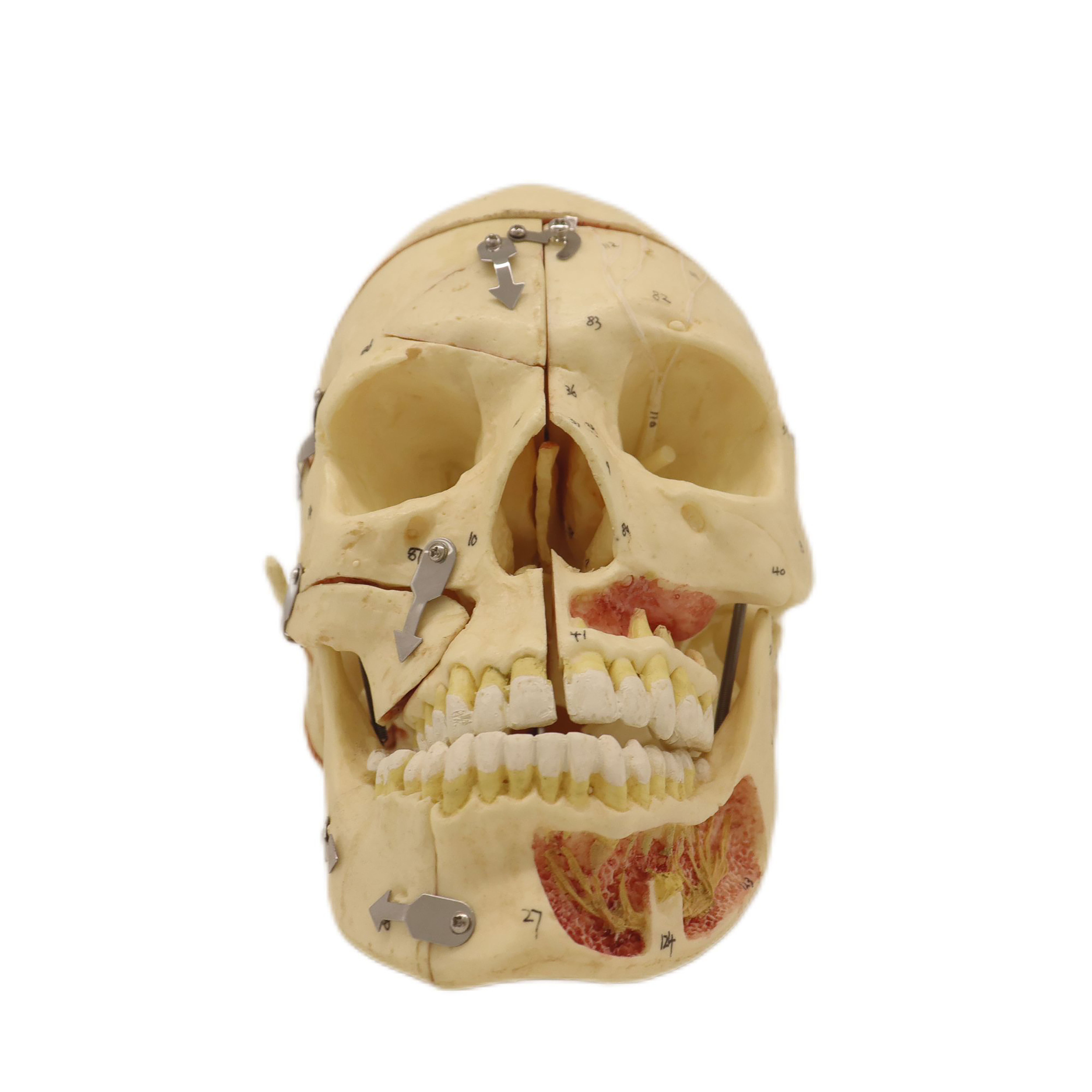
High-fidelity bone and ligament structural model utilized for clinical training and surgical vector evaluation in orthopedic residency labs.
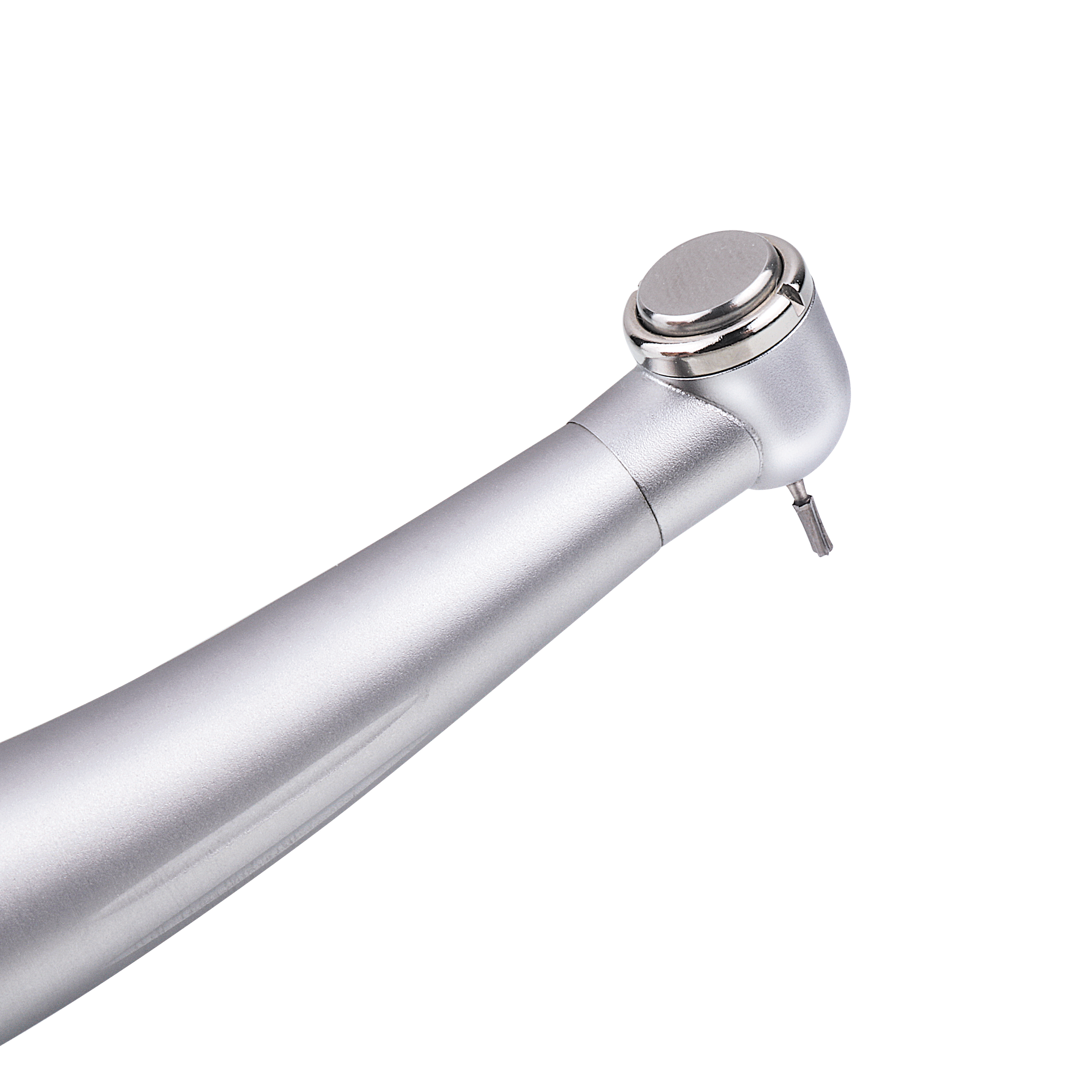
Precision micro-torque drive system engineered for fine bone resection, osteochondral drilling, and reconstructive surgery.
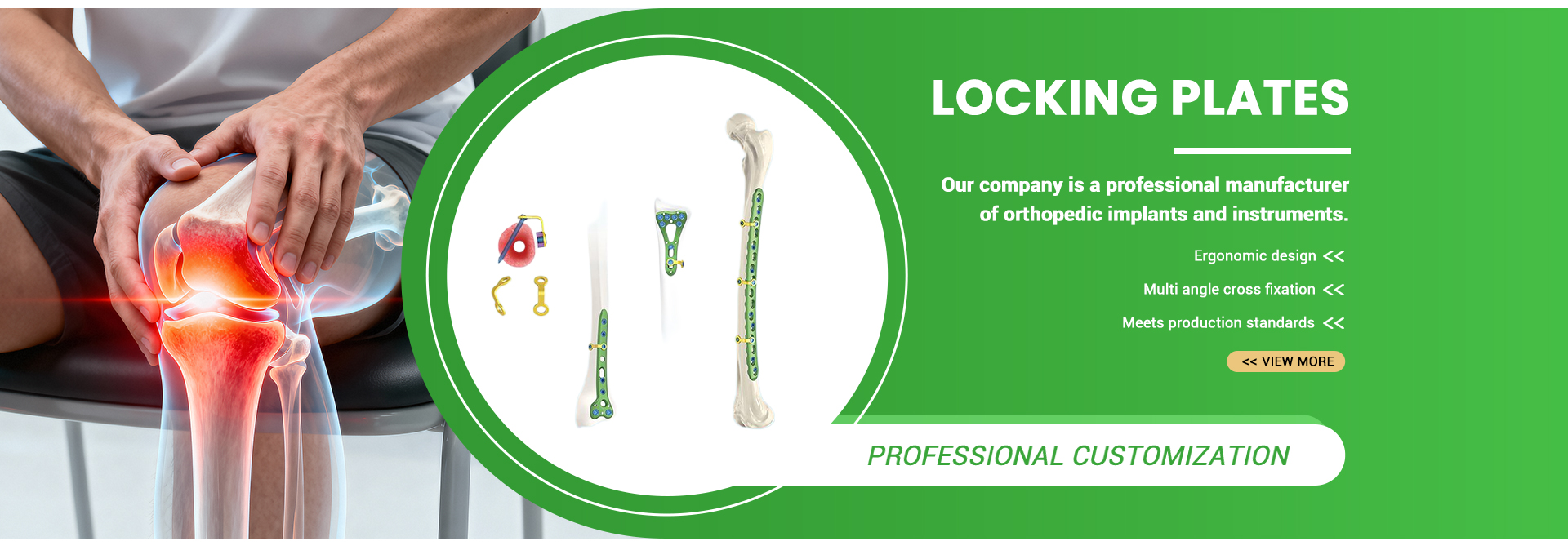
Self-drilling, self-tapping headless and headed titanium compression screws with reverse cutting flutes for femoral neck and talus fixation.
In the contemporary reconstructive and trauma landscape of Plovdiv—the medical hub serving the Upper Thracian Plain and Southern Bulgaria—the demand for high-reliability cannulated compression osteosynthesis has escalated. Orthopedic departments across university hospitals, including UMBAL "Sveti Georgi", encounter high volumes of high-energy polytrauma along the Maritsa motorway (A1) corridor alongside geriatric fragility fractures. Cannulated screws serve as the frontline minimally invasive internal fixation system for stabilizing intracapsular femoral neck fractures, scaphoid non-unions, distal tibia pilon injuries, and complex calcaneal fractures.
Our manufacturing complex at Jiangsu GMV Medical Device Co., Ltd. addresses this clinical necessity through tight metallurgical discipline. Sourcing exclusively medical-grade titanium alloy conforming to ISO 5832-3 (Ti-6Al-4V ELI) and vacuum-arc remelted stainless steel meeting ISO 5832-1 (Implant Grade 316L), we mitigate catastrophic mechanical risks including hydrogen embrittlement and in-vivo fatigue fracture. Every cannulated bar is subjected to longitudinal ultrasonic flaw detection before high-precision gun drilling generates the central hollow lumen. This internal bore ensures absolute concentricity (within ±0.015mm), allowing uncompromised glide over medical Kirschner guide wires without binding, skiving, or deflecting during critical intraoperative insertion under fluoroscopic guidance.
The micro-geometry of our cannulated screw threads incorporates engineered pitch transitions: fine pitch threads near the head and coarse cancellous threads at the distal tip. This mechanical gradient provides controlled interfragmentary dynamic compression without stripping the brittle trabecular bone prevalent in osteoporotic hip pathology. Self-drilling and self-tapping flute profiles clear debris efficiently, while reverse cutting flutes minimize soft tissue entrapment and reduce torque requirements during subsequent implant removal.
| Screw Diameter (mm) | Cannulation Core (mm) | Recommended K-Wire | Thread Architecture | Primary Clinical Indication |
|---|---|---|---|---|
| 2.5 mm / 3.0 mm | ∅ 1.05 mm | ∅ 1.0 mm Threaded K-Wire | Headless, Dual-Pitch Micro | Scaphoid, Metacarpal, Radial Head, Pediatric Epiphyseal |
| 3.5 mm / 4.0 mm | ∅ 1.35 mm | ∅ 1.25 mm Trocar K-Wire | Partial / Full Thread Cortical | Medial Malleolus, Navicular, Olecranon, Calcaneus |
| 4.5 mm / 5.0 mm | ∅ 1.75 mm | ∅ 1.6 mm Guide Pin | Deep Buttress Profile | Tibial Plateau, Distal Femur, Subtalar Arthrodesis |
| 6.5 mm / 7.3 mm | ∅ 2.70 mm | ∅ 2.5 mm Threaded Pin | 16mm / 32mm Distal Fluted Cancellous | Femoral Neck Fractures (Garden I-IV), Slipped Capital Epiphysis |
Clinical procurement teams evaluating tenders in Plovdiv must balance biomechanical rigidity with bio-inert compatibility. Titanium Ti-6Al-4V ELI features an elastic modulus of approximately 110 GPa—significantly closer to cortical bone (18-20 GPa) than stainless steel (200 GPa)—which significantly diminishes stress shielding and secondary peri-implant bone resorption. Furthermore, the lack of ferromagnetic interference guarantees post-operative MRI artifact reduction, a critical feature for ongoing diagnostic evaluation of femoral head avascular necrosis (AVN).
Plovdiv has evolved into an academic and specialized healthcare axis for Southern Bulgaria, supported by prominent clinical facilities like the University Hospital "St. George", Pulmed University Hospital, and specialized clinics in Trakiya and Karshiyaka. Procurement strategies within the National Health Insurance Fund (NHIF / NZOK) regulatory context require clinical device distributors to navigate distinct market variables: cost efficiency under fixed DRG (Diagnosis-Related Group) reimbursements, unwavering documentary conformity with the Bulgarian Medical Devices Act (ZLMI), and strict adherence to the EU Medical Device Regulation (EU 2017/745 MDR).
Historically, regional surgical departments relied heavily on multinational brand names that carried steep brand premiums, placing budget strain on municipal and private healthcare balance sheets. Over the past three seasons, hospital biomedical engineering committees in Plovdiv have actively transitioned toward high-grade, direct-factory partnerships. Sourcing from certified manufacturers that offer private labeling, validated cleanroom packaging, and comprehensive batch documentation (Class IIb certificates, mechanical stress curves, and raw material mill certificates) allows distributors to compete effectively in public procurement tenders while maintaining operating margins above 35%.
Moreover, logistics corridors connecting East Asian deep-water manufacturing through Black Sea ports (Burgas/Varna) or transshipment routes via Thessaloniki (Greece) enable lead times of 18 to 25 days directly into Plovdiv's industrial and logistics zones along the Trakia Economic Zone (TEZ). By establishing consignment inventory of cannulated sets and matched surgical power tool consoles locally, medical distributors guarantee immediate dispatch for emergent polytrauma interventions across Asenovgrad, Pazardzhik, and Smolyan.
GMV cannulated screw configurations are engineered to support the clinical demands of trauma and orthopedic specialists handling complex fracture patterns.
Triangular configuration placement utilizing three 6.5mm or 7.3mm partially threaded cancellous cannulated screws. Parallel trajectory guides ensure controlled dynamic impaction of the fracture line while maintaining osteosynthesis under cyclic axial loads.
Minimally invasive osteosynthesis of the medial malleolus utilizing 4.0mm partially threaded cannulated screws. Guide wire verification prevents intra-articular cartilage penetration, securing anatomic reduction with minimal periosteal stripping.
Percutaneous stabilization via headless 2.5mm and 3.0mm differential-pitch compression screws. Countersinking beneath articular cartilage allows immediate mobilization and accelerated bone bridging without tendon impingement.
Rigid fusion of the talocalcaneal and tarsometatarsal joints. High-torque self-drilling flutes engage dense sclerotic bone, driving continuous interpositional compression across resected joint surfaces.
Single central cannulated screw placement into the center of the femoral epiphysis under bi-planar imaging. Avoids epiphyseal vascular compromise while securing stability across the proximal growth plate.
Lag-screw technique through anatomical locking plates or tension band wire conversions for patella and olecranon fractures, optimizing compressive vectors across articular steps.
Operating out of our advanced Suzhou manufacturing base with over 27 years of medical device fabrication experience, we maintain full quality control under one roof.
Our production facilities, testing laboratories, and export trade compliance have undergone exhaustive on-site audit and verification by TÜV Rheinland. We eliminate broker commissions and deliver genuine factory-direct value.
Equipped with multi-axis CNC Swiss-type screw machining centers, precision slitting machines, and dedicated robotic polishing cells capable of producing complex cannulation lumens with 0.02mm axial tolerances.
Every cannulated screw lot is qualified via in-house tensile testing machines, Vickers hardness testers, and optical profile projectors to ensure thread profiles and mechanical torque meet ASTM F543 requirements.
We provide comprehensive OEM customization for Bulgarian distributors. From fiber laser marking of local medical brand logos and lot identification to custom anodization color-coding and localized packaging.
We design implants and surgical instrument sets together. Every cannulated screw set ships with matched drill guides, countersinks, depth gauges, cleaning wires, and titanium-nitride coated hexalobular drivers.
Export teams experienced in handling medical documentation required by Bulgarian customs, airfreight routing into Sofia Airport (SOF) or Plovdiv Airport (PDV), and technical dossier compilation for fast registration.
Clear, direct technical answers regarding certifications, import duties, material specifications, and MOQ for healthcare buyers in Plovdiv and across Bulgaria.
Yes. Our manufacturing facilities operate under strict ISO 13485:2016 quality management systems, and our product line holds CE certifications compliant with medical device directives. Furthermore, our production site is verified on-site by TÜV Rheinland. We supply full technical dossiers, including biocompatibility reports (ISO 10993), mechanical torque validation, and Certificate of Analysis (CoA) required by the Bulgarian Executive Agency for Medicines (BDA) for institutional tenders.
For standard unbranded or GMV-branded cannulated screw lines, we maintain stock enabling low minimums starting from 50 to 100 units per size specification. For custom OEM private labeling—including fiber laser marking of your distributor trademark, bespoke color anodization, and custom Bulgarian-language packaging inserts—our typical MOQ starts at 500 units per system family.
For urgent surgical hospital replenishments and tender samples, express door-to-door air freight via DHL, FedEx, or air cargo into Sofia Airport (SOF) requires 5 to 8 working days. For bulk commercial stock orders, consolidated sea freight through Piraeus (Greece) or direct to Port of Burgas followed by regional road freight to Plovdiv logistics hubs takes approximately 22 to 30 days.
Concentricity is maintained through specialized CNC Swiss-lathe deep-hole gun drilling executed in a single chuck setup. We maintain axial runout within ±0.015mm across screw lengths ranging up to 130mm. Every batch undergoes 100% pin-gauge pass/fail testing to ensure guide wires advance through the internal cannulation with zero friction or rotational resistance.
Yes. We strongly advise surgical departments and regional distributors to procure matched systems. Our cannulated screw cases include dedicated calibrated drill bits, cannulated taps, parallel K-wire aiming guides, countersinks, cleaning stylets, and torque-limiting screwdriver handles organized in modular, high-temperature sterilizable graphic cases.
Connect with our orthopedic engineering and export documentation specialists. Receive a rapid response within 12 hours with full catalog specifications, volume price tiers, and sample evaluation sets.
