Localized Clinical Application
Clinical Demands in Oruro: High Altitude, Mining Trauma, and Damage Control
The Department of Oruro, situated on the Bolivian Altiplano at an elevation exceeding 3,700 meters above sea level, presents distinct medical and biomechanical challenges. Surgical procedures carried out in regional tertiary care centers such as Hospital General San Juan de Dios and specialized social security clinics (Caja Nacional de Salud) regularly encounter severe, multi-fragmentary trauma stemming from heavy polymetallic mining operations (such as Huanuni and surrounding mining cooperatives) and highway transportation corridors linking Oruro, La Paz, and Potosí.
Under these extreme operational settings, surgical instrument integrity cannot be compromised. The lower ambient barometric pressure and atmospheric conditions impact thermal dissipation during high-speed bone cutting, necessitating surgical power saws and drills equipped with high-efficiency coreless motors and strict heat-dissipating casings to prevent localized bone necrosis during osteotomies.
Crush Injury Stabilization
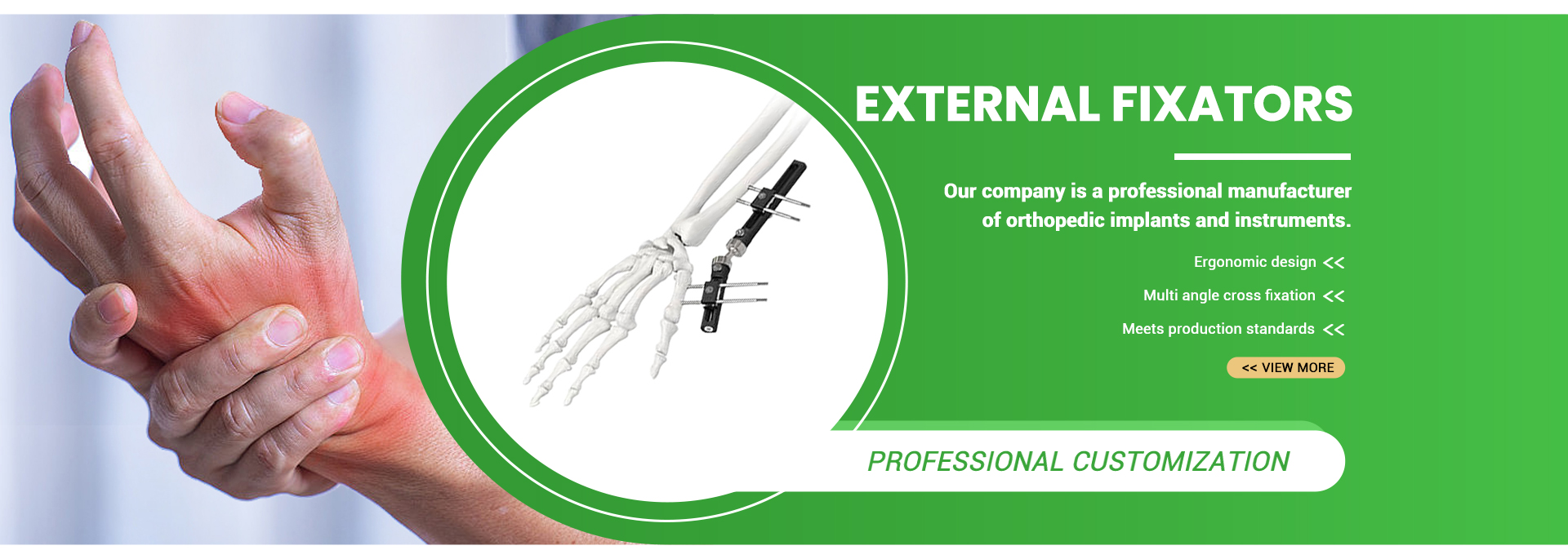
Fast-coupling external fixators ensure immediate damage-control reduction during severe industrial crush incidents.
Autoclave Sterilization Durability
Instruments withstand rigorous altitude-compensated steam sterilization cycles without warping or micro-corrosion.
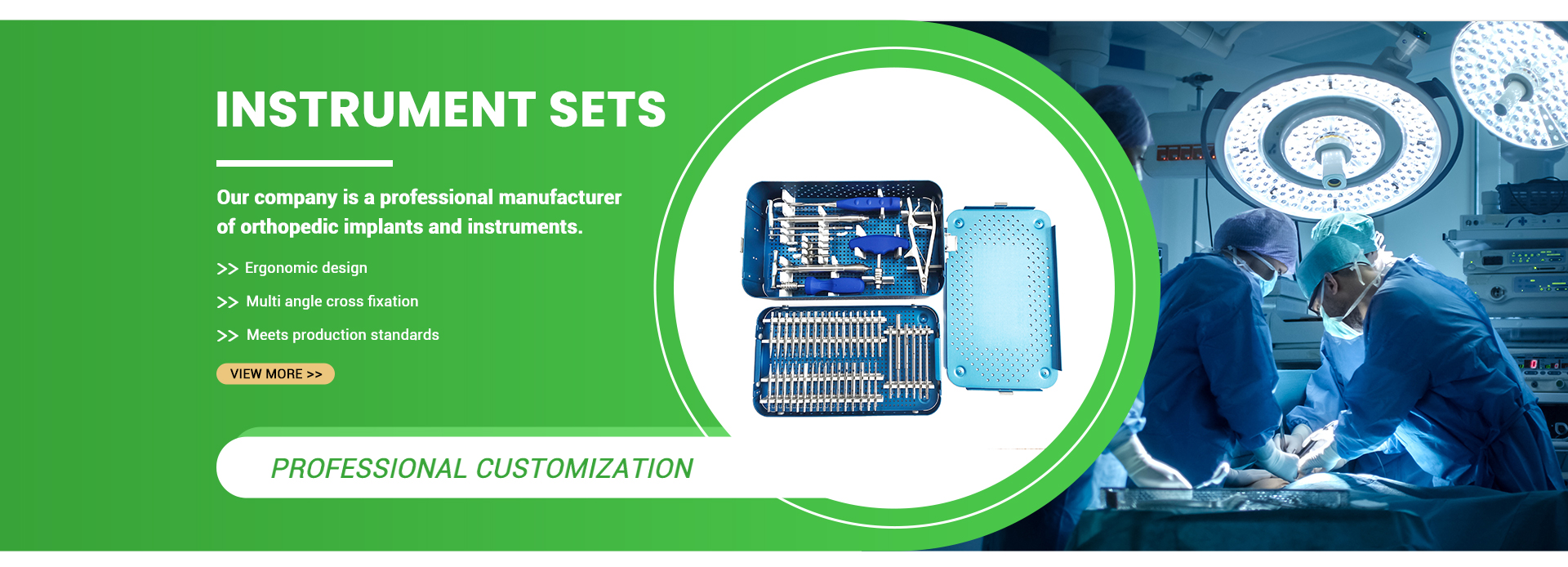
Our Small Fragment and Large Fragment Instrument Kits are standardized to streamline operating room turnover. Laser-marked gauge scales, ergonomic silicone handles resistant to repeated autoclave degradation, and titanium alloy bone reduction instruments provide Bolivian orthopedic surgeons with exceptional tactile feedback when operating on complex comminuted articular fractures.