Precision Surgical Systems & Orthopedic Instrumentation
Manufactured under strict ISO 13485 cleanroom protocols and exported directly to hospital procurement boards, regional healthcare syndicates, and orthobiological distributors in Montevideo and Latin America.


High-Speed Surgical Repair Handpiece for Dental Implants Turbine Power Source Steel Material

Electric Surgical Dental Implant Tool Box Steel Construction for Dental Handpiece

Small Fragment Orthopedic Upper Limb Instrument Kit Steel Manual Power Source Bone Instruments

Orthopedic Instruments External Fixator Ringent Rod Coupling


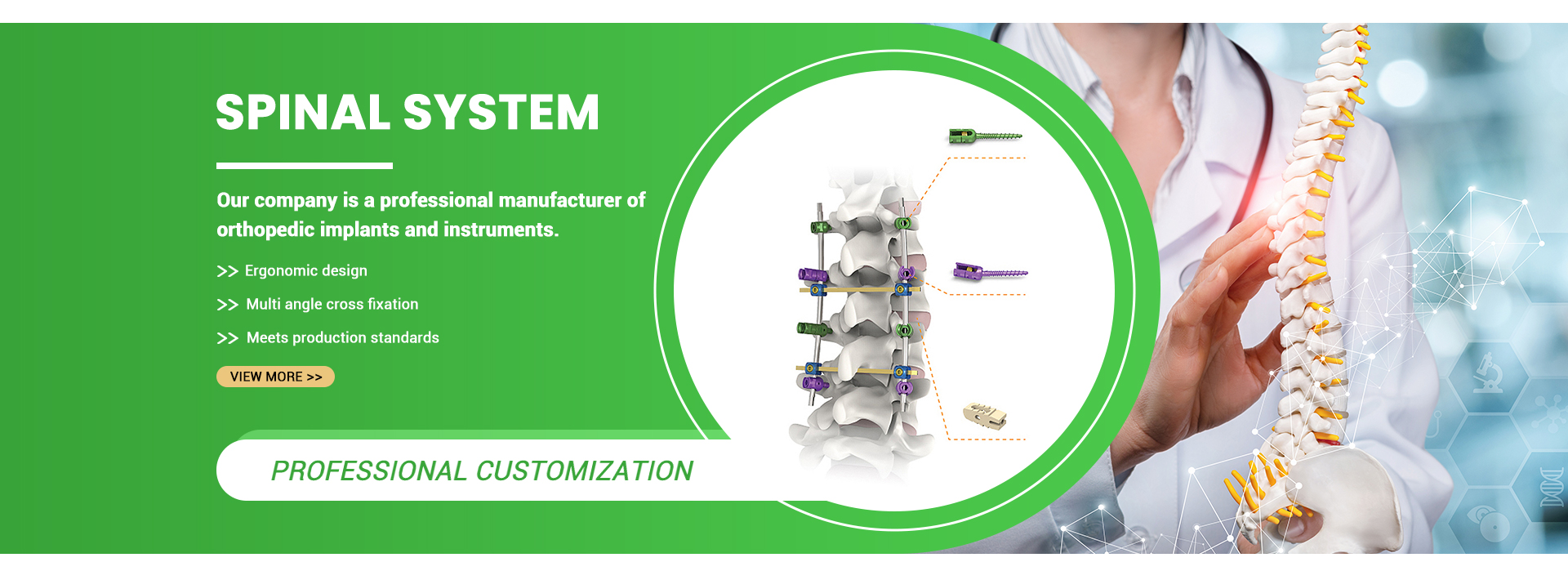
Anatomical Cervical Interbody Fusion Cage System (PEEK & 3D Porous Titanium Lattice)
Anterior Cervical Discectomy & Fusion (ACDF): Subsidence Prevention and Modulus Matching
In modern spinal arthrodesis across Latin America, cervical cages represent the biomechanical cornerstone for restoring disc height, decompressing neuroforaminal channels, and correcting segmental lordosis. The anatomical complexities of subaxial cervical vertebrae (C3–C7) demand rigorous manufacturing tolerances. When orthopedic teams in Montevideo treat degenerative disc disease, cervical spondylotic myelopathy (CSM), or post-traumatic instability, the primary clinical pitfall remains cage subsidence—where the implant penetrates the subchondral bone of the vertebral endplate, causing secondary kyphosis and loss of foraminal clearance.
To address this, our manufacturing methodology integrates dual material science pathways: medical-grade Polyetheretherketone (Invibio PEEK-OPTIMA) and additive-manufactured 3D Porous Titanium Alloy (Ti-6Al-4V ELI conforming to ASTM F136). PEEK provides an elastic modulus (~3.6 GPa) closely matching human cortical bone (~12–18 GPa), which prevents stress shielding and stimulates uniform bone graft remodeling per Wolff’s Law. Concurrently, our engineered 3D printed titanium cages feature an interconnected diamond-cell porous architecture (porosity 65–75%, pore size 400–600 μm) that achieves an apparent compressive modulus of 2.8 to 4.2 GPa while providing micro-rough topography that accelerates osteoblast adhesion and native vascularized ingrowth.
Clinical Insight for Biomedical Engineers: Axial pullout resistance is dictated by bidirectional cranial-caudal pyramidal teeth (0.8mm depth, 45° angle) that resist retrograde extrusion without violating the load-bearing cortical ring of the cervical vertebral rim.

Biomaterial Benchmark: PEEK vs. Solid Titanium vs. 3D Porous Titanium
Technical evaluation parameters designed for hospital procurement tenders and biomedical technology assessment boards in Uruguay.
| Evaluation Parameter | Medical-Grade PEEK | Solid Ti-6Al-4V Machined | 3D Porous Ti Lattice (GMV Matrix) |
|---|---|---|---|
| Young’s Elastic Modulus (GPa) | 3.6 GPa (Close to cortical bone) | 110 GPa (Elevated risk of stress shielding) | 3.2 – 4.5 GPa (Optimized biomechanical match) |
| Radiographic Assessment | Completely radiolucent (Tantalum markers verify positioning) | Radio-opaque; heavy scatter artifacts on CT/MRI | Semi-radiolucent trabecular pattern; clear fusion window |
| Osseointegration Mechanism | Fibrous encapsulation without bio-inert coating | Direct ongrowth at surface boundary only | Trans-trabecular micro-vascular ingrowth throughout cage volume |
| Clinical Subsidence Rate | Low (~6–11% in high-risk osteopenic cohorts) | Moderate to High (~18–26% over 24-month follow-up) | Lowest (<4% due to broad stress-distributing endplate contact) |
| Target Uruguayan Applications | Standard Mutualistas ACDF | Trauma reconstruction with anterior cervical plate | Revision Spine & Complex Deformity |
Cervical Arthrodesis in the Uruguayan Healthcare Ecosystem
Delivering precision implants tailored to the institutional frameworks of Montevideo’s public health network (ASSE) and private collective assistance systems (Mutualistas / IAMC).
ASSE & University Hospital Centers
Institutions such as the Hospital de Clínicas “Dr. Manuel Quintela” and the Hospital Maciel manage acute cervical trauma, high-energy deceleration whiplash ruptures from national highway routes, and advanced cervical myelopathy in indigent populations. GMV Medical supplies high-durability cervical cage kits with standardized, ultra-durable instrumentation, guaranteeing flawless performance under heavy surgical turnaround schedules where autoclave cycle efficiency is imperative.
Private Mutualistas (CASMU, Médica Uruguaya, SMI)
Uruguay’s Instituciones de Asistencia Médica Colectiva (IAMC) cover the majority of Montevideo's working demographic. Facing an aging national demographic—with one of the highest proportions of citizens over 65 in South America—these centers perform elective single-level and multi-level ACDF to treat degenerative disc disease and cervical radiculopathy. Our zero-profile integrated cervical systems diminish postoperative dysphagia, reducing hospital stays to 24–48 hours.
Specialized Spine & Neurosurgical Clinics
Elite surgical units operating within the British Hospital of Montevideo, Sanatorio Americano, and specialized mutualist neurosurgical wards require specialized geometries: hyperlordotic profiles (up to 12°) for sagittal imbalance restoration, open osteoconductive central grafting windows, and multi-axial cervical plating systems. Our custom OEM capabilities deliver batch-specific instrumentation calibrated precisely to surgeon preference.
Emerging Trends in the Montevideo Spinal Device Sector
How technological innovation, macroeconomics, and regulatory evolution are shaping cervical cage procurement across the Southern Cone.
Direct-from-Factory Procurement Models
Historically, Uruguayan healthcare networks relied heavily on intermediaries based in Buenos Aires or São Paulo, adding 35–50% distributor markups. In response to national healthcare budget optimization, Montevideo hospital procurement syndicates are moving toward direct B2B purchasing arrangements with TÜV-verified manufacturers in China, slashing inventory acquisition costs while securing comprehensive OEM replacement warranties.
Strict MSP (Decreto 3/008) Harmonization
The Ministerio de Salud Pública (MSP) of Uruguay maintains stringent technical dossiers for implantable Class III medical devices. Compliance requires comprehensive biocompatibility testing (ISO 10993 series), validated dynamic fatigue resistance (ASTM F2077 for torsion and compression shear exceeding 5 million cycles), and ISO 13485 certification. GMV provides complete technical master files to accelerate national commercial registration.
Zero-Profile Standalone Integration
Traditional ACDF procedures require separate anterior titanium plating with locking screws, which increases surgical dissection depth and elevates adjacent segment pathology risk. The fastest-growing product category in Montevideo’s private sanatorios is the Zero-Profile Standalone Cervical Cage, featuring integrated convergent/divergent locking screws that sit flush within the intervertebral disc boundary.
Why Latin American Surgical Importers Partner with GMV Medical
Headquartered in the precision manufacturing hub of Jinfeng Town, Suzhou, Jiangsu GMV Medical Device Co., Ltd. represents more than 27 years of dedicated orthopedic manufacturing. We are an authentic physical factory—not an export broker or intermediary. Our facility spans multiple climate-controlled CNC machining facilities, cleanrooms, and testing laboratories assessed on-site by TÜV Rheinland.
Every cervical cage, pedicle screw, trauma plate, and orthopedic tool in our catalog is engineered from mill-certified medical raw materials: high-purity medical-grade titanium alloy bars (Ti-6Al-4V ELI) and PEEK-OPTIMA natural polymer stock. We eliminate supplier variability by conducting all critical manufacturing processes in-house: high-precision Swiss-type multi-axis CNC lathe turning, 5-axis milling of anatomically contoured endplates, ultrasonic degreasing, electro-polishing, laser batch traceability marking, and Class 100,000 cleanroom packaging.
- TÜV Rheinland Audited: Verified facility operations, high-volume production throughput, and strict QA/QC protocols.
- Design-to-Manufacture Customization (OEM/ODM): Tailor cage heights, footprint geometries, and custom surgical insertion instruments.
- Full Regulatory Dossiers: Immediate provision of CE technical documentation, ISO 13485 certs, and test data for MSP submission.
- Southern Cone Supply Chain Velocity: Direct air courier forwarding to Aeropuerto Internacional de Carrasco (MVD) and maritime consolidation.
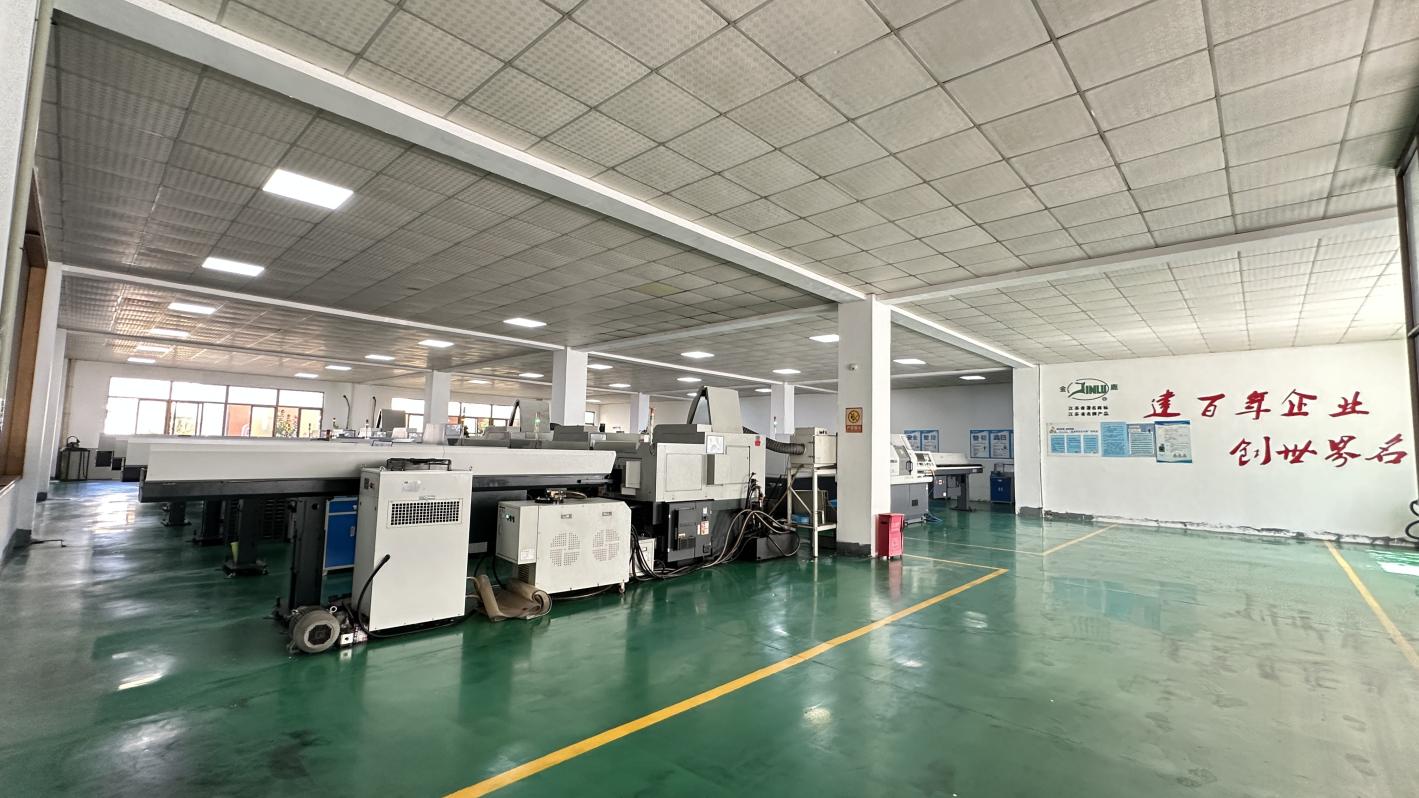
Qualified Factory Audits for Uruguayan Biomedical Teams
We welcome third-party auditor delegations and hospital purchasing committees from Montevideo. Arrange an on-site visit to our Suzhou manufacturing plant or participate in a live high-definition virtual facility inspection covering raw material testing, cleanroom sterilizable blister packing, and optical coordinate measuring.
Frequently Asked Questions by Uruguayan Hospital Boards & Importers
Detailed technical, regulatory, and logistics answers for hospital purchasing agents, commercial distributors, and neurosurgeons in Montevideo.
What regulatory documentation does GMV provide for registration with Uruguay’s MSP?
How are cervical cages packaged and delivered to survive transit to Montevideo?
Can Uruguayan distributors request private labeling and customized instrument cases?
What instrument sets accompany GMV cervical cage systems during spinal surgery?
How does GMV ensure dimensional consistency and prevent intraoperative cage-inserter decoupling?
What commercial payment mechanisms and incoterms are accepted for Uruguayan buyers?
Expand Your Spine Implant Portfolio in Montevideo
Partner directly with a verified orthopedic manufacturer. Receive complete technical dossiers, sample evaluation kits, and direct B2B pricing for Uruguayan tenders and hospital syndicates.
