






Clinical Evaluation: Precision Bone Curettes in Modern Reconstructive Surgery
A surgical bone curette is far more than a simple scraping instrument. In advanced reconstructive traumatology, neurosurgery, maxillofacial surgery, and oncological orthopedics, the curette is an extension of tactile feedback for the operating surgeon. Its primary function—the controlled excision of diseased bone tissue, necrotic marrow, infectious sequestra, or osteoid tumors without damaging adjacent healthy periosteum or vital soft neurovascular bundles—requires rigorous mechanical tolerance, absolute metallurgical integrity, and an ergonomically balanced weight profile.
For municipal, regional, and university clinics operating across Odesa Oblast, Ukraine, the continuous supply of specialized orthopedic tools has become a baseline operational necessity. As maritime shipping routes through the Black Sea experience geopolitical complexities, medical directorships and supply chain leaders in Southern Ukraine have restructured their medical procurement models. Rather than relying on multi-tiered European distributors that introduce steep price markups and extensive lead-time variances, chief medical officers are actively forging verified, factory-direct relationships with Tier-1 orthopedic production plants in Jiangsu, China.
Anatomical Engineering, Cup Topography & Edge Geometries
Modern clinical currettage mandates specific profile variances based on anatomical site access. Bone curettes designed for cancellous bone harvesting require deeper oval cups with sharp outer cutting perimeters, whereas instruments designated for spinal disc clearance or spinal fusion preparation demand angled, fenestrated designs capable of releasing scraped tissue without instrument retraction. Chinese contract manufacturing hubs utilize multi-axis CNC micro-milling and vacuum heat-treatment to produce tip geometries that maintain ultra-sharp edges across hundreds of high-pressure sterilization cycles.
Volkmann Oval & Round Geometries
Designed with deep hollow spoons and sharpened rim profiles optimized for subchondral debridement, sequestrum removal, and cleaning out osteomyelitic cavities with maximal tactile response.
Bruns Angled Tip Formulations
Manufactured with precise 15°, 30°, and 45° shanks providing direct line-of-sight in restricted visual surgical corridors, critical for deep pelvic acetabular beds and long bone intramedullary entry points.
Cobb Spinal Micro-Curettes
Reinforced surgical handles constructed from high-mass medical stainless steel, dampening vibration and allowing controlled endplate decortication during anterior or posterior lumbar interbody fusions (ALIF/TLIF).
Metallurgical Selection: Martensitic Stainless Steels vs. Medical Titanium Alloys
A frequent error among procurement teams is specifying instruments solely by brand name without examining chemical alloy grades. In our Jiangsu machining laboratories, orthopedic bone curettes and matched manual chisels are forged primarily from AISI 420 (X20Cr13 / X30Cr13) and AISI 440C high-carbon martensitic stainless steel. These alloys achieve a Rockwell hardness rating of HRC 52–56 after precision vacuum tempering. This specific metallurgical threshold prevents two catastrophic surgical failures: brittle micro-fracturing of the cup rim inside an open bone cavity, and ductile bending under heavy torsional scraping against sclerotic cortices.
| Alloy Specification | Yield Strength (MPa) | Rockwell Hardness | Corrosion Resistance | Primary Clinical Indication |
|---|---|---|---|---|
| AISI 420A / 420B | ≥ 550 | HRC 50 - 54 | High (Passivated) | General Volkmann curettes, minor fragment scoops, dental curettes |
| AISI 440C Martensitic | ≥ 720 | HRC 56 - 60 | Superior | High-impact Cobb spinal curettes, cortical scrapers, sternal gouges |
| Grade 5 Ti-6Al-4V ELI | ≥ 860 | HRC 36 - 40 | Exceptional (Inert) | MRI-compatible instrumentation, non-ferromagnetic orbital curettes |
Localization Analysis: Clinical Use Scenarios in Odesa Oblast
The healthcare system of Odesa functions as a paramount medical anchor for the entire Black Sea littoral zone. Major institutions—including the Odesa Regional Clinical Hospital, university-affiliated traumatology centers, pediatric surgical hubs, and multiple municipal emergency hospitals—have experienced profound shifts in their operating caseloads. The primary operational drivers for surgical instrumentation in this market include:
1. Blast-Induced Polytrauma & Secondary Wound Debridement: High-energy blast trauma results in extensive comminuted bone shattering accompanied by foreign particulate contamination, deep tissue ischemia, and severe secondary osteomyelitis. Orthopedic surgeons in Odesa routinely deploy sturdy Volkmann and Bruns curettes for aggressive bone bed debridement before installing unilateral or ring-type external fixators. Removing devitalized cortical fragments and cleaning necrotic bone marrow cavities with curettes is an indispensable step to prevent fatal multidrug-resistant osteomyelitis.
2. Damage Control Orthopedics (DCO) to Definitive Reconstruction: Because patients are frequently transferred to Odesa from surrounding conflict-adjacent regions, primary emergency treatments focus on quick bone fixation. Once hemodynamically stable, secondary surgeries involve non-union revision, autologous cancellous bone grafting from the iliac crest, and locking plate fixation. Sharp, ergonomically balanced bone curettes are central to harvesting pristine trabecular graft material without crushing osteoblast viability.
3. Expanding Maxillofacial and Dental Rehabilitation: The influx of both civilian reconstruction cases and long-term veteran trauma management has accelerated surgical demand in Odesa's specialized clinics. Sinus lift procedures, autogenous alveolar ridge reconstructions, and periapical cyst currettage require specialized micro-curettes manufactured to exact micro-metric curves. Pairing these instruments with high-speed turbine dental handpieces ensures maximum operative speed and reduced tissue morbidity.
Trends Reshaping Ukrainian Orthopedic Procurement
Procurement departments within Odesa are moving rapidly away from opaque regional middleman tenders toward transparent direct-to-manufacturer channels. As hospital budgets operate under stringent national guidelines and non-governmental donor frameworks, price-performance ratio dominates tender decisions. A single European-branded bone curette can exhaust procurement budgets that would otherwise equip an entire operating theater with complete, verified Chinese instrument sets containing identical metallurgical certificates (ISO 13485) and CE compliance.
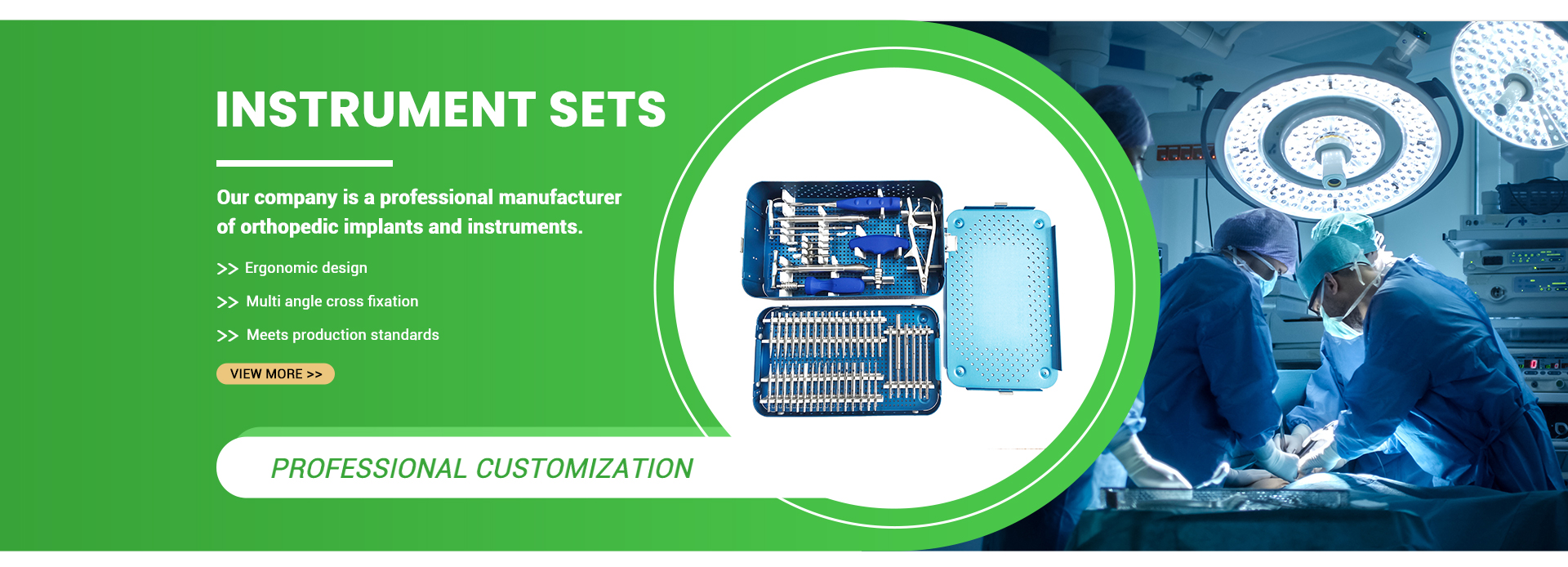
Furthermore, the logistical dynamics of the Ukrainian healthcare market emphasize kit standardization. Procurement committees prefer receiving integrated modular sterilization trays—combining curettes, periosteal elevators, bone rongeurs, and reduction forceps within custom perforated aluminum or passivated stainless steel cases. This allows rapid high-pressure autoclaving and zero assembly delays in high-volume OR environments.
