Thoracolumbar Spinal Internal Fixator System
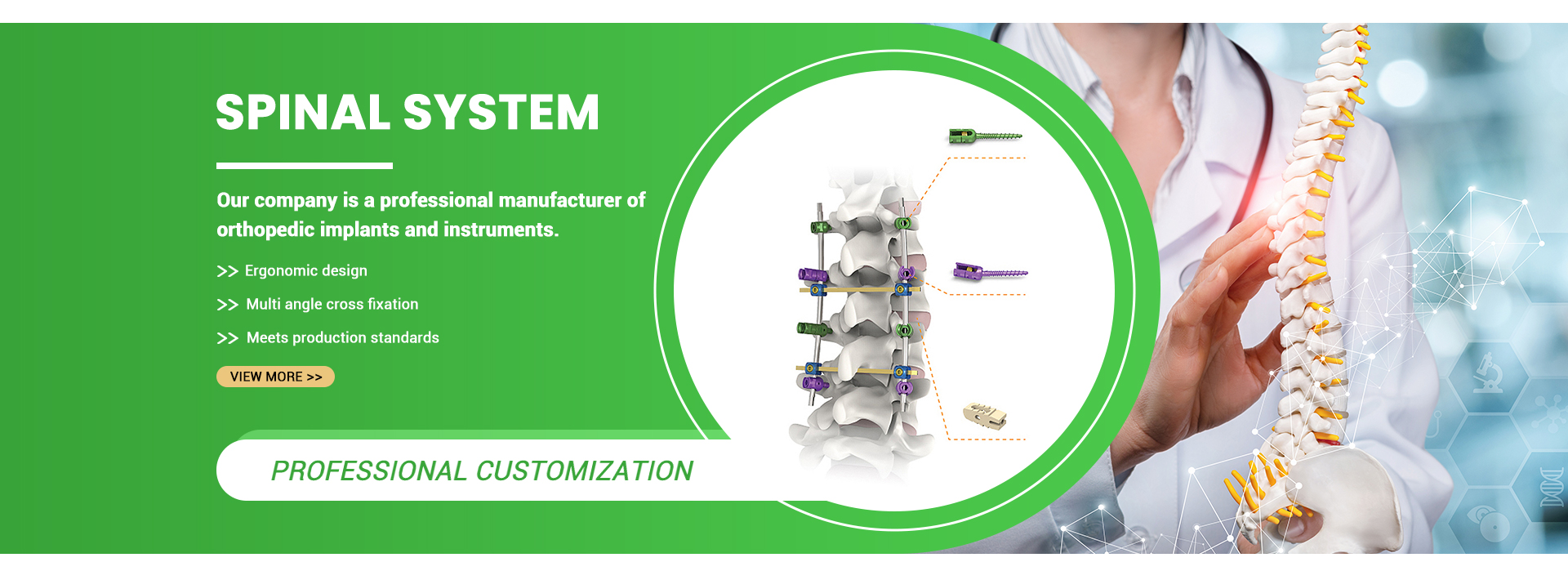
Polyaxial and monoaxial pedicle screws manufactured from Ti-6Al-4V ELI, paired with pre-curved longitudinal rods for degenerative disc reconstruction and acute trauma reduction.
System-matched biomechanical instrumentation and trauma-to-spine assemblies engineered for Serbian state clinical centers and private specialty hospitals.
Polyaxial and monoaxial pedicle screws manufactured from Ti-6Al-4V ELI, paired with pre-curved longitudinal rods for degenerative disc reconstruction and acute trauma reduction.
Comprehensive manual stainless steel instruments for radius, ulna, and humerus reconstruction, housed in multi-layer autoclavable aluminum sterilization containers.
Heavy-duty modular orthopedic external fixation clamps facilitating snap-on rod attachments for open fractures, polytrauma, and limb length correction procedures.
High-torque, autoclavable power saw systems for thoracic access and broad orthopedic osteotomies with progressive ergonomic speed triggers and high duty-cycle lithium cells.
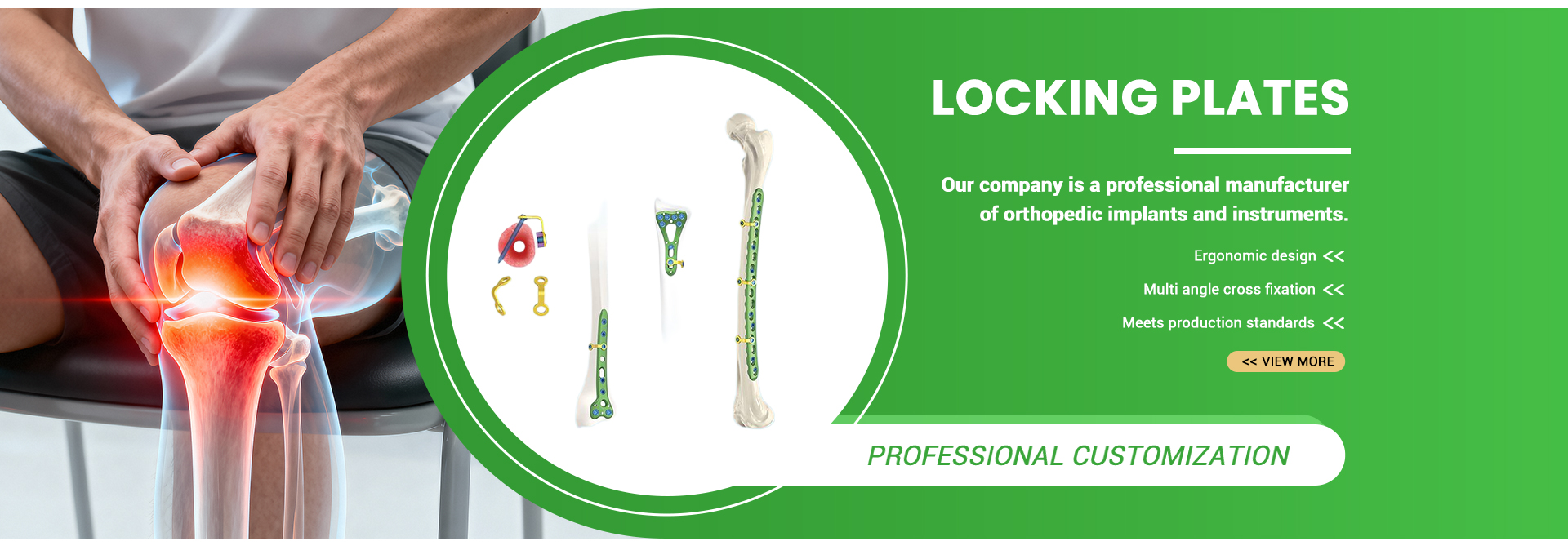
Low-profile titanium and 316L stainless steel plates pre-contoured for diaphyseal and metaphyseal fractures, ensuring angular stability without periosteal compression.
Corrosion-resistant surgical storage modules tailored for high-temperature autoclaving of precision handpieces, torque drivers, reamers, and spinal taps.
Micro-machined high-velocity rotating turbine assemblies utilized across maxillofacial, reconstructive bone shaping, and precision surgical access workflows.
Cast clinical teaching structures allowing biomechanical simulation of pedicle screw corridors, osteotomy angles, and plate adaptation for resident medical training.
An in-depth regulatory, logistical, and biomechanical analysis for hospital purchasing committees, medical distributors, and surgical leads across the Republic of Serbia.
The orthopedic and neurosurgical landscape in the Republic of Serbia is undergoing a generational modernization. Driven by structural healthcare investments from the Ministry of Health (Ministarstvo zdravlja) and funded modernization projects across regional Clinical Centers (Klinički centri)—including the University Clinical Centre of Serbia (UKCS) in Belgrade, the University Clinical Centre of Vojvodina (UKCV) in Novi Sad, the University Clinical Centre Niš, and Kragujevac—surgical departments are transitioning to next-generation implant systems that deliver exceptional mechanical reliability while optimizing institutional procurement budgets.
Clinical Focus for RFZO Tenders: Spinal internal fixation systems deployed in the Balkan market must resolve the clinical demands of an aging demographic presenting with degenerative spine conditions (spondylolisthesis, lumbar canal stenosis) alongside urgent high-energy trauma caused by road transit corridors along European Routes E70 and E75.
For Serbian medical distributors participating in tenders organized by the Republic Fund for Health Insurance (Republički fond za zdravstveno osiguranje - RFZO), selecting a dependable manufacturing partner in China represents a decisive operational advantage. However, procurement teams must look beyond initial acquisition price. Sourcing implants requires rigorous evaluation of raw material microstructures, CNC machining tolerances, friction-locking mechanics in pedicle screw tulips, and alignment with the documentation protocols enforced by the Medicines and Medical Devices Agency of Serbia (ALIMS - Agencija za lekove i medicinska sredstva Srbije).
Polyaxial pedicle screws with a ±25° angulation cone reduce facet interference in osteoporotic patients, streamlining rod seating across L4-S1 fusion segments in tertiary clinics.
Monoaxial rigid construct variants distribute immediate axial loading, restoring anterior column height and anatomical kyphosis following vehicular and industrial trauma cases.
High-strength 5.5mm and 6.0mm titanium connecting rods allow aggressive derotation and long-segment fixation without risk of dynamic notch embrittlement or structural fatigue.
| Evaluation Parameter | Ti-6Al-4V ELI (Grade 23 Titanium) | Medical-Grade 316L Stainless Steel | Clinical Implication for Serbian Surgical Tenders |
|---|---|---|---|
| Elastic Modulus (GPa) | 110 - 114 GPa | 190 - 210 GPa | Titanium reduces stress shielding around vertebral pedicles, improving bone fusion rates. |
| MRI / CT Compatibility | Non-ferromagnetic, minimal scatter | Produces significant scatter artifacts | Crucial for postoperative spinal cord decompression monitoring via MRI at UKCS clinics. |
| Fatigue Resistance (Cycles) | > 5 × 10⁶ cycles under dynamic load | High yield strength, lower dynamic resilience | Prevents rod rupture in non-union scenarios or protracted post-trauma recovery phases. |
| Fatigue Notch Sensitivity | Requires calibrated contouring instruments | Highly ductile, forgiving intra-op bending | GMV instrument sets incorporate radiused french benders to eliminate surface micro-notching. |
| Economic Viability | Balanced life-cycle value | Lower initial unit acquisition cost | Meets multi-tiered tender requirements across general municipal hospitals and university centers. |
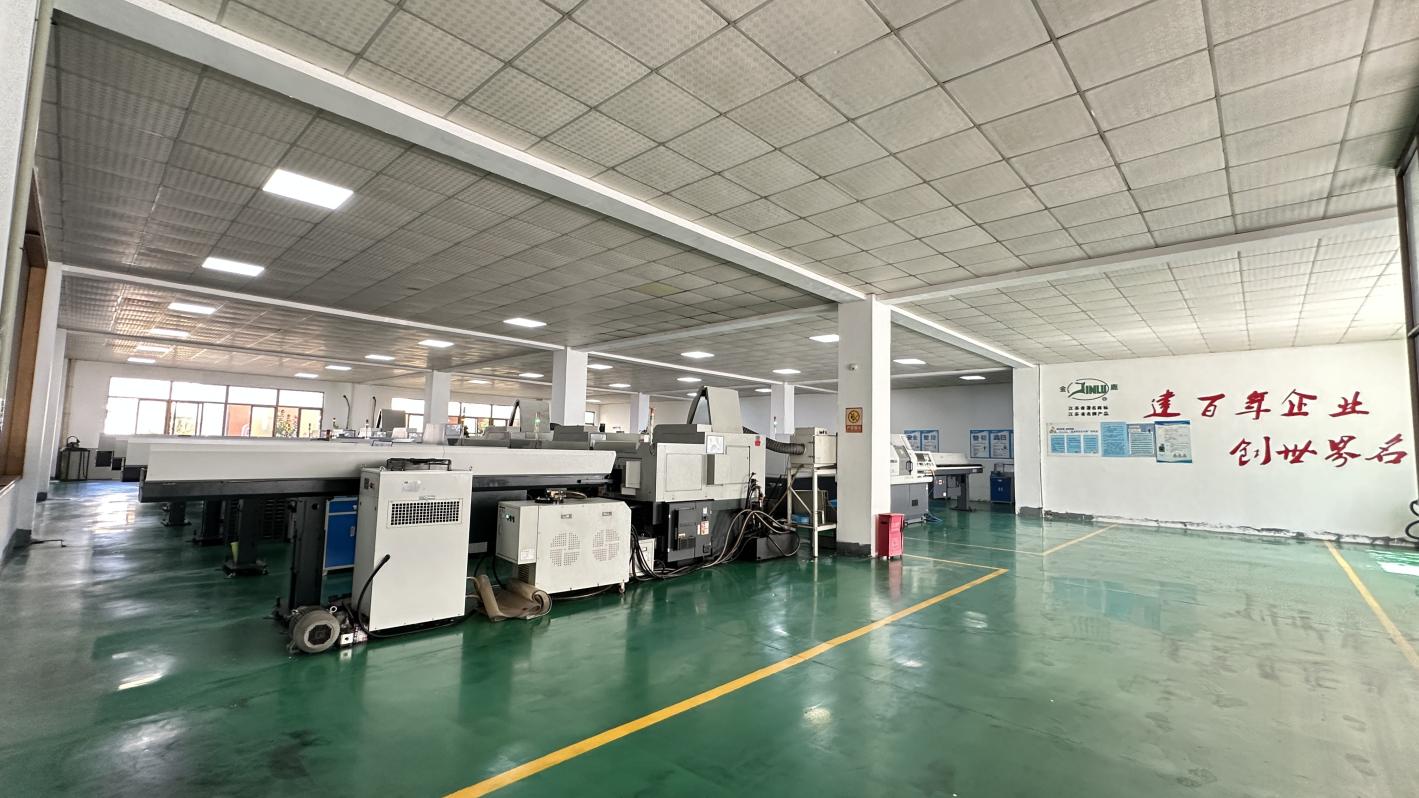
Headquartered in Jinfeng Town, Zhangjiagang (Suzhou, Jiangsu Province), GMV Medical operates a high-precision manufacturing campus spanning multi-axis Swiss-type CNC automatic lathes, CNC machining centers, and comprehensive mechanical testing laboratories. With 27+ years of engineering mastery, we operate under rigorous third-party auditing certified on-site by TÜV Rheinland.
How surgical specialization and regulatory shifts affect private importers and tender participants.
Serbia's medical device market is closely harmonized with European Union medical device regulatory philosophies while maintaining its distinct national registration framework under ALIMS. As healthcare expenditures steadily expand, three distinct procurement vectors have emerged:
1. Stringent Biocompatibility and Documentation Dossiers: Importers in Serbia can no longer rely on unverified supply brokers. The technical files submitted to ALIMS require exhaustive raw material validation, biocompatibility verification conforming to ISO 10993 standards, and proven mechanical performance metrics (static bending, torsion, and axial pull-out according to ASTM F1717 guidelines). GMV Medical provides end-to-end technical documentation dossiers to assist local authorized representatives (Predstavnik proizvođača) with expedited national dossier compilation.
2. Unified Implant-Instrumentation Compatibility: A frequent challenge observed in Serbian operating theaters is cross-system mechanical failure caused by using mismatched screwdriver shafts, reamers, and spinal taps. Sourcing implants from GMV Medical eliminates this clinical friction: our dedicated spinal fixation sets are engineered synchronously with our polyaxial and monoaxial pedicle screws, featuring reverse-angle buttress thread geometry that prevents set-screw cross-threading during high-torque locking procedures.
3. Resilience in Supply Chain & OEM Scalability: European distributor logjams have led Balkan healthcare networks to seek direct partnerships with verified Chinese manufacturers. GMV Medical offers private labeling, customized laser engraving of distributor branding, and flexible production scheduling that mitigates the long lead times frequently encountered with Western European tier-one brands.
GMV Medical supplies comprehensive technical files required by the Medicines and Medical Devices Agency of Serbia (ALIMS). This includes ISO 13485 quality system certificates, factory audit reports verified by TÜV Rheinland, material test reports for Ti-6Al-4V ELI conforming to ASTM F136 / ISO 5832-3, static and dynamic biomechanical testing records (ASTM F1717), and full sterilization validation data for both non-sterile and pre-sterilized implant configurations.
Our spinal fixator pedicle screws utilize dual-thread or conical core geometry. The proximal cortical thread maximizes grip within the pedicle wall, while the deeper cancellous distal thread ensures exceptional bone bite within the vertebral body. Additionally, our polyaxial tulip housings are engineered with micro-machined internal teeth that lock rigidly upon final set-screw torque application, preventing post-operative screw slippage or angulation loss.
Yes. GMV Medical provides full OEM and ODM capabilities. We can adapt surgical instrument configurations to match the specific technique preferences of regional Serbian surgical teams. We offer custom laser marking of your domestic company logo, custom-designed sterilization tray layouts with local language labeling, and tailored packaging configurations suited for regional clinical trials and tender bids.
For urgent clinical replenishment and tender preparation, standard consignments can be air-freighted directly to Belgrade Nikola Tesla Airport (BEG) within 5 to 8 working days following production. For bulk hospital supplies and tender container deliveries, sea-rail routing via Piraeus (Greece), Rijeka (Croatia), or Bar (Montenegro) followed by intermodal transit to Belgrade typically takes 30 to 40 days. GMV manages export clearance with complete packing lists, commercial invoices, and origin certificates.
Distributors, hospital purchasing heads, and biomedical auditors from Serbia are warmly welcomed to visit our facility in Jinfeng Town, Suzhou, China. Alternatively, our export engineering department conducts scheduled live interactive video audits, walking your technical team through raw material receipt, CNC cutting lines, cleanroom washing, surface treatments, laser marking, and optical quality verification.
Equip your tenders with certified, high-precision spinal internal fixators and trauma platforms. Request our comprehensive Serbian market catalog, technical specifications, and comparative factory pricing today.
Send an Inquiry