Precision Orthopedic Implants & Power Instrumentation
Direct from our certified Suzhou manufacturing facility to clinical procurement departments, neurosurgical units, and hospital distributors across Pristina and the Western Balkans.
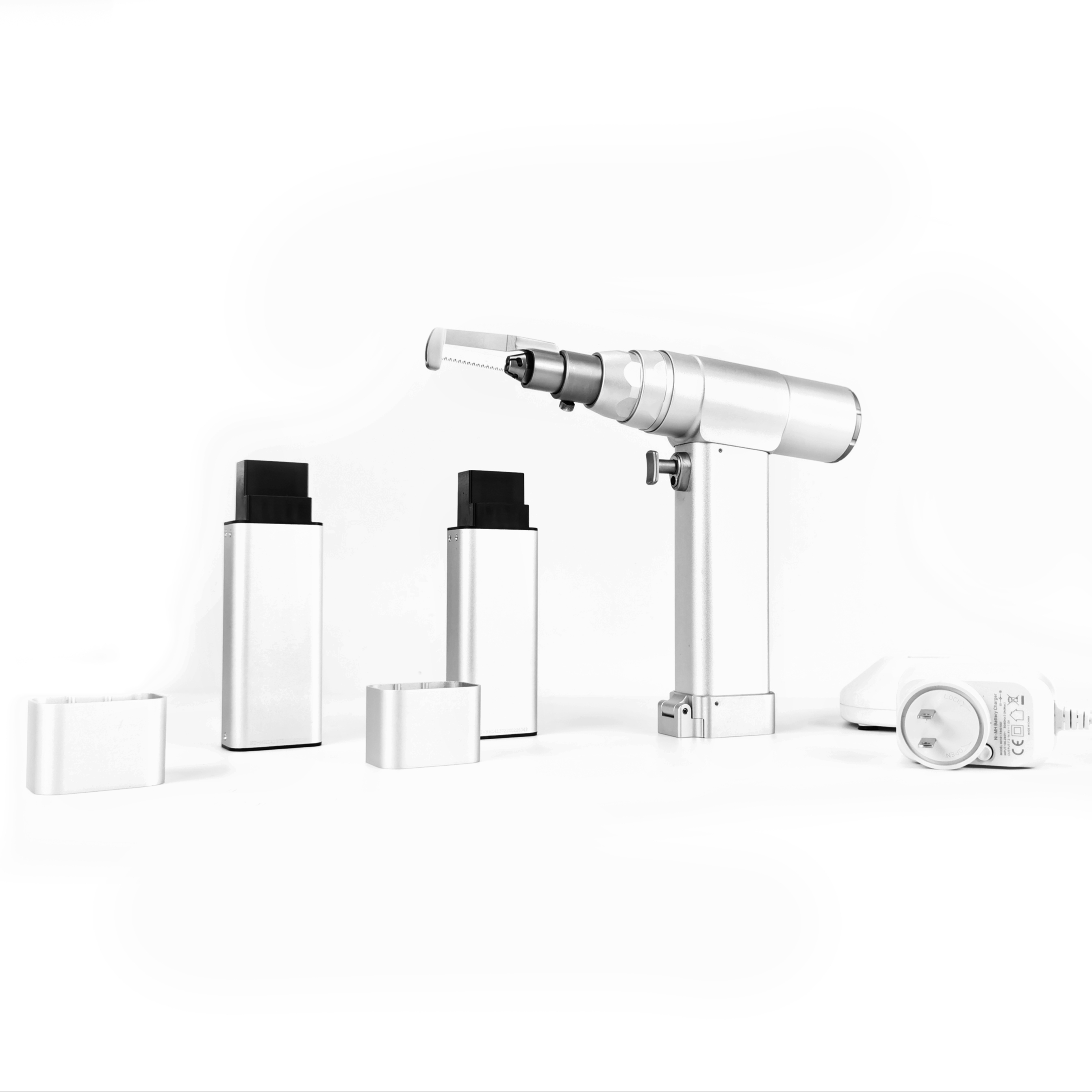
Factory Price Metal Sternum Saw Medical Electric Saw Orthopedic Drill Saw CE Certified
View Specifications →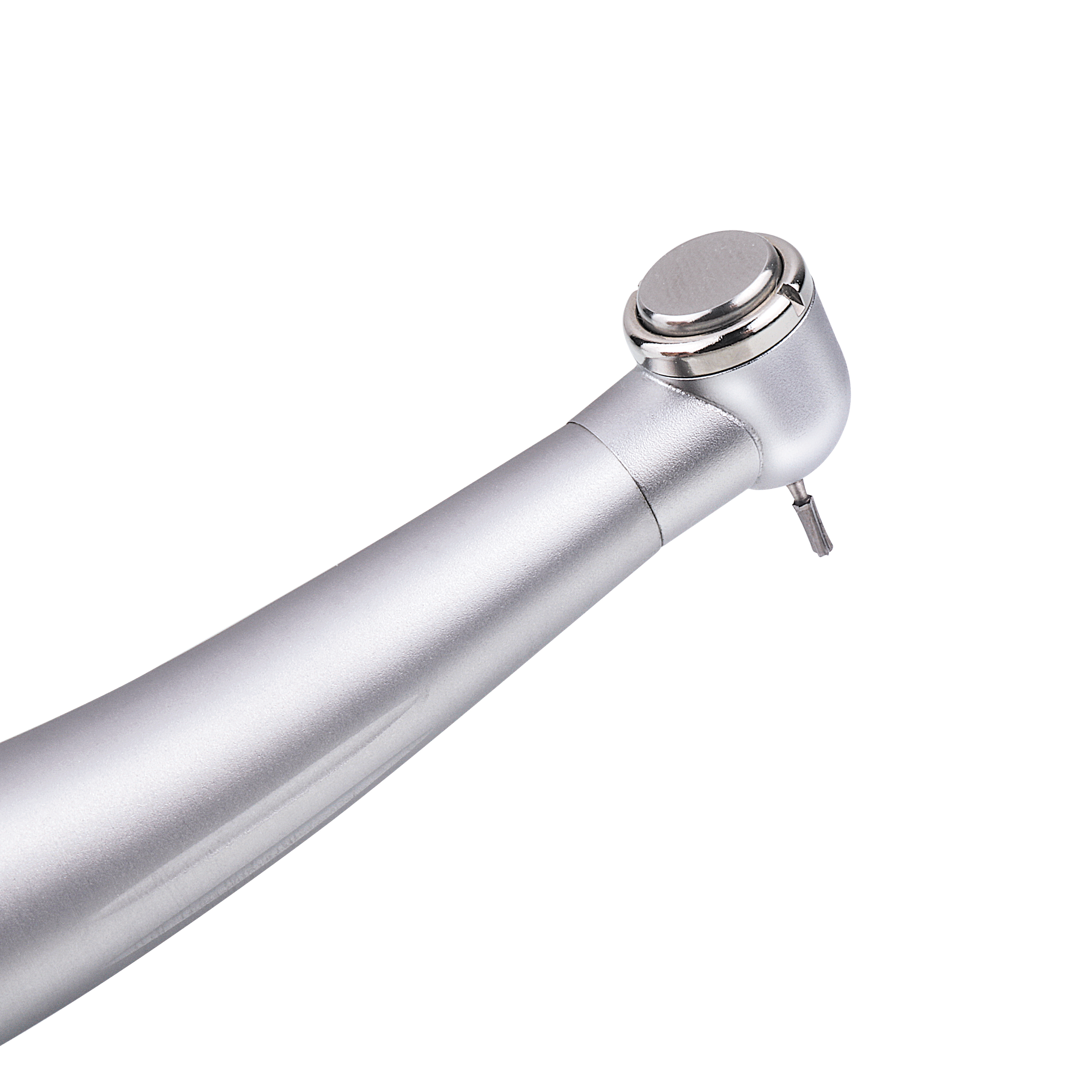
High-Speed Surgical Repair Handpiece for Dental Implants Turbine Power Source Steel Material
View Specifications →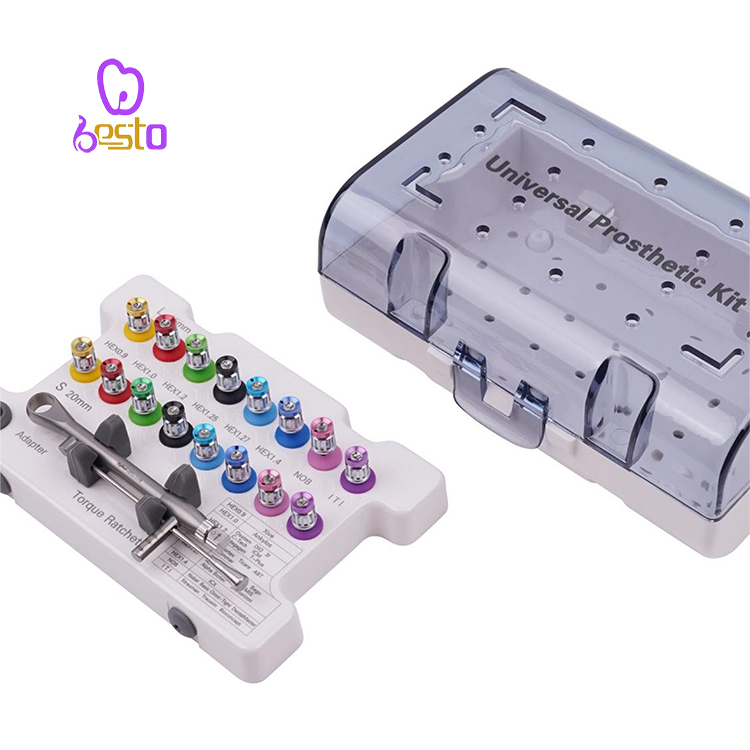
Electric Surgical Dental Implant Tool Box Steel Construction for Dental Handpiece
View Specifications →
Orthopedic Instruments External Fixator Ringent Rod Coupling
View Specifications →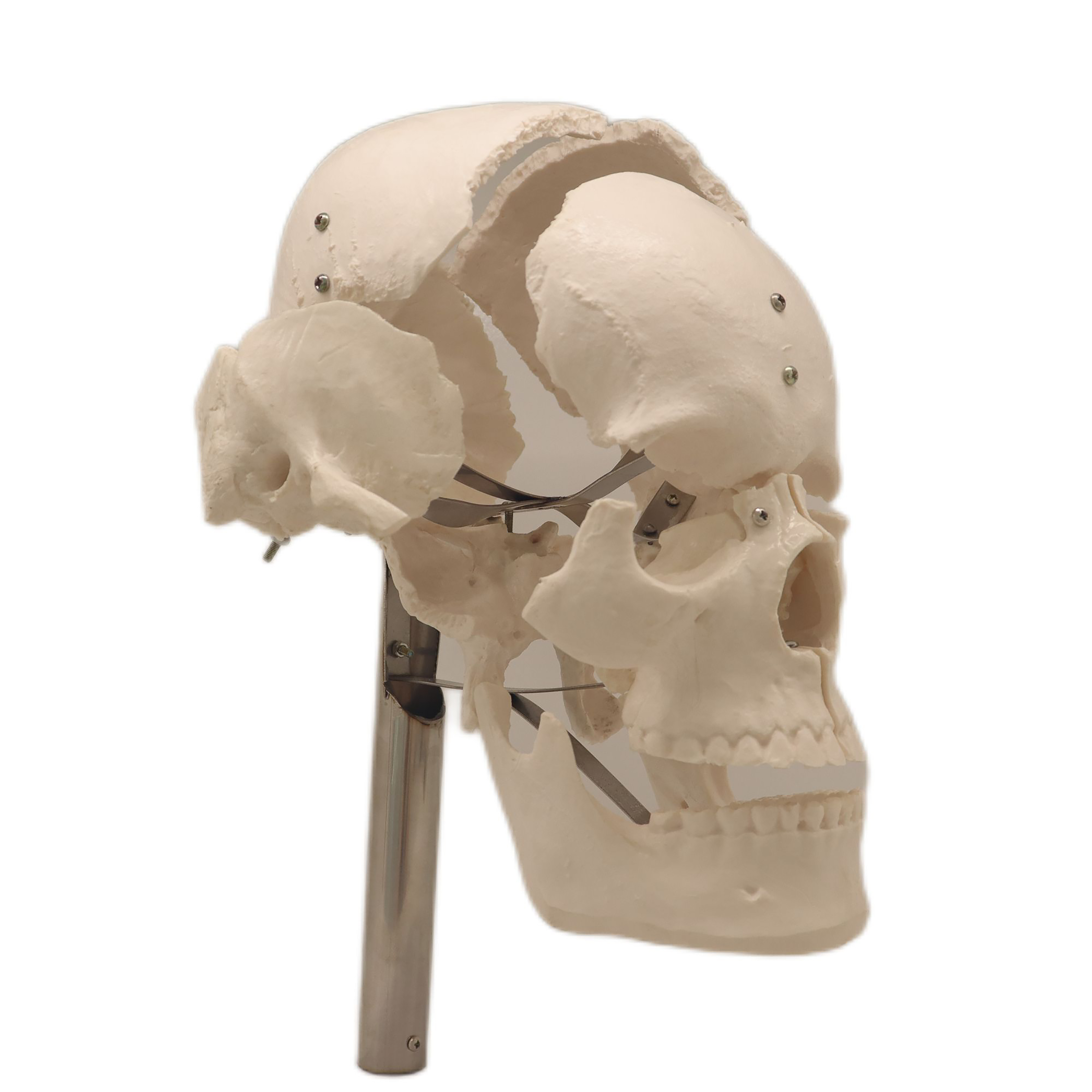
Lab Teaching Models the Separated Human Skull Model of PVC
View Specifications →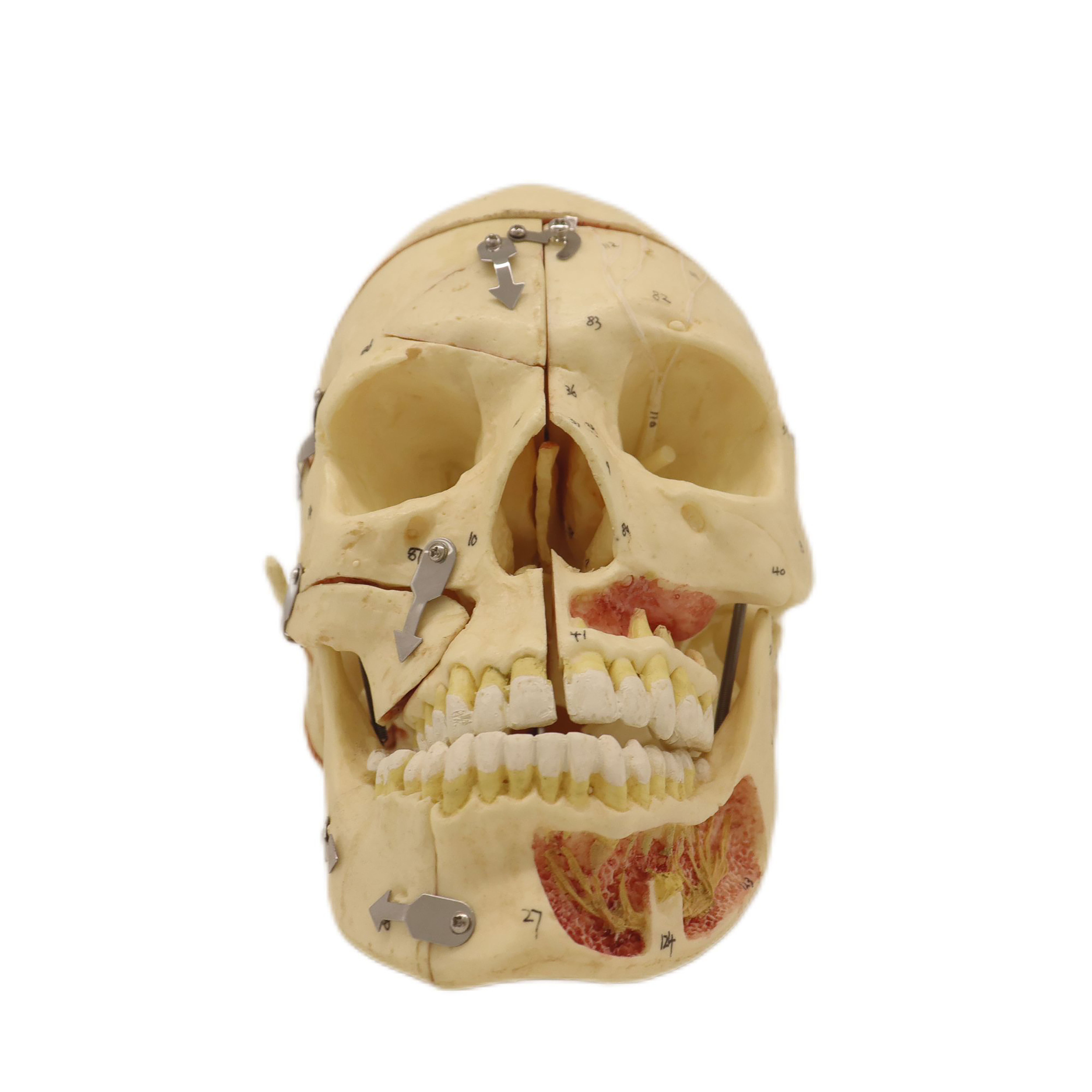
Lab Teaching Models 3 Parts Human Muscular Skull Skeleton Models for Students
View Specifications →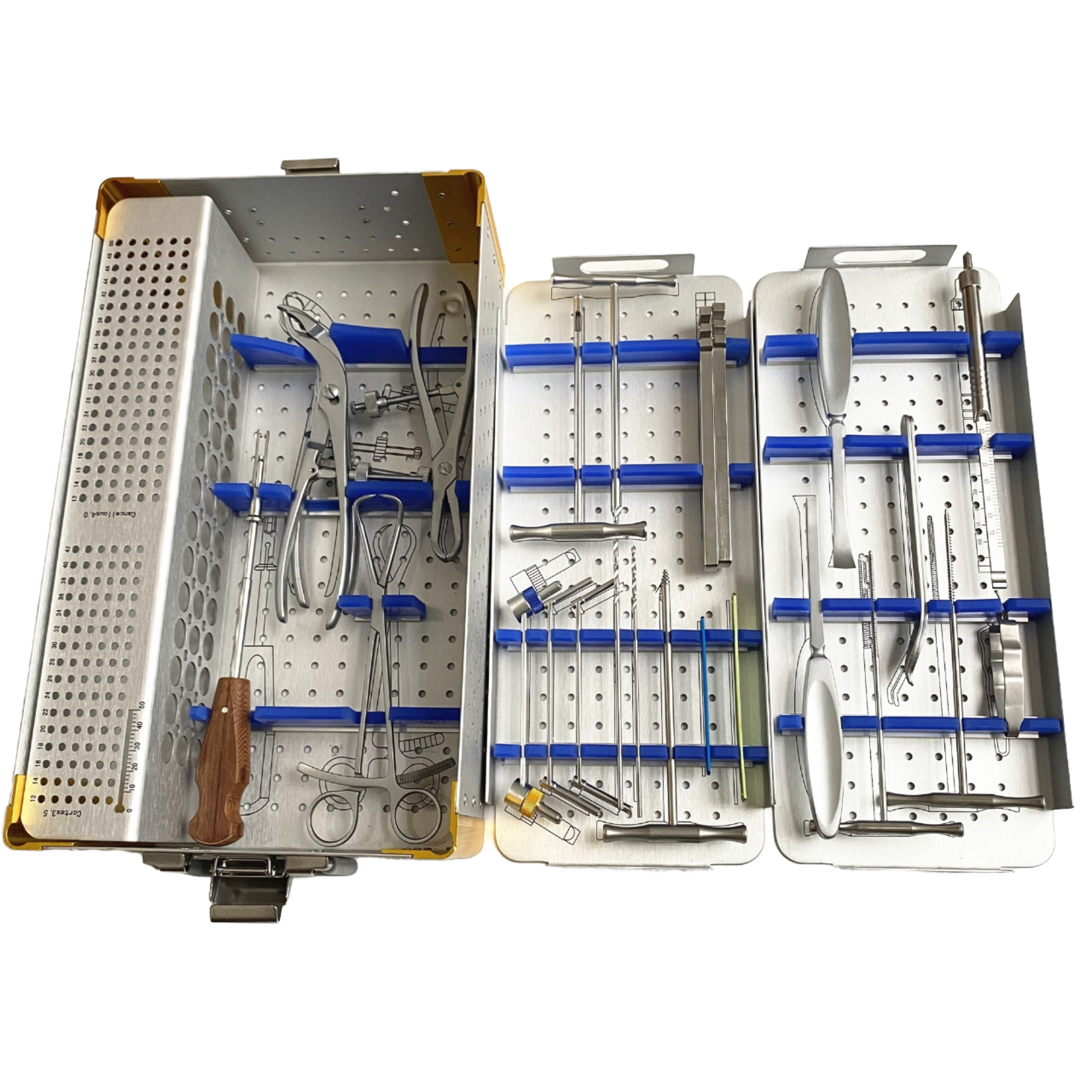
Small Fragment Orthopedic Upper Limb Instrument Kit Steel Manual Power Source Bone Instruments
View Specifications →
Titanium Expandable Vertebral Body Replacement (VBR) Cage & Corpectomy Reconstruction Set
Contact UsEngineering Excellence in Vertebral Body Replacement (VBR): The Clinical Imperative
Vertebral Body Replacement (VBR) represents the pinnacle of spinal bioengineering, intended to restore biomechanical column integrity, anatomical lordosis, and sagittal balance following full or partial corpectomy. Pathological destruction of the vertebral centrum—frequently caused by high-energy burst fractures, metastatic spine tumors, primary osseous neoplasms, or severe spondylodiscitis—demands an anterior reconstructive implant that can withstand immediate compressive axial loading while preventing devastating construct subsidence into adjacent cancellous bone endplates.
Jiangsu GMV Medical Device Co., Ltd., based in the high-precision manufacturing hub of Jinfeng Town, Suzhou, Jiangsu, China, has engineered anterior column reconstructive cages, mesh cylinders, and continuous expandable VBR devices for international clinical centers. For hospital procurement committees, biomedical engineers, and orthopedic distributors in Pristina, selecting an established Chinese manufacturer eliminates excessive intermediary markups while delivering implants that strictly comply with international biomechanical standards, including ASTM F1717 and ASTM F2077 static and dynamic axial compression testing.
Metallurgical Superiority: Medical-Grade Ti-6Al-4V ELI vs. Alternative Biomaterials
When selecting vertebral body replacement solutions, surgical faculties in Pristina evaluate implant materials based on mechanical longevity, osteointegration kinetics, and postoperative artifact minimization on modern computed tomography (CT) and magnetic resonance imaging (MRI) diagnostics. At Jiangsu GMV Medical, raw material bars undergo chemical spectroscopic analysis and ultrasonic flaw detection before CNC precision cutting.
Compared to standard commercial-purity titanium or standard surgical stainless steel (316L), Ti-6Al-4V ELI provides exceptional fatigue resistance under cyclic spinal loading, superior biocompatibility, and lower density. The modular endcaps of our VBR systems are treated with a specialized microporous surface topography that stimulates migration of osteogenic precursor cells, facilitating structural osseous bridging when autologous bone graft or synthetic demineralized bone matrix (DBM) is packed into the generous central hollow chamber.
Localized Clinical Applications Across Pristina's Healthcare Ecosystem
The healthcare infrastructure of Pristina, as the capital and medical epicenter of Kosovo, is characterized by a concentrated surgical volume. Clinical demand spans both public tertiary institutions and rapidly modernizing private surgical hospitals catering to the domestic population and regional cross-border trauma networks.
Tertiary Trauma Center (QKUK / UCCK)
The University Clinical Center of Kosovo (QKUK) in Pristina manages high-energy polytrauma cases resulting from major highway collisions, falls from height in construction zones, and severe comminuted spinal fractures. Our expandable VBR systems enable orthopedic spine surgeons to perform anterior reconstruction with precise in-situ mechanical height distraction, eliminating the trial-and-error risks of rigid static cages.
Spinal Oncology & Metastasectomy
Neurosurgical departments handling vertebral osteolytic lesions from breast, lung, prostate, or renal neoplasms require radical en-bloc or intralesional corpectomy. GMV Medical’s VBR devices allow variable endcap angulation adjustments up to 15 degrees, matching individual patient lordotic or kyphotic anatomy and facilitating rigid construct stabilization combined with posterior pedicle screw fixation.
Post-Infectious Kyphosis & Deformity
Surgical revision of severe tuberculous spondylitis (Pott's disease) or recurrent pyogenic spondylodiscitis requires wide anterior debridement. The large open grafting windows in our cages permit substantial autologous cancellous bone impaction, providing long-term biological fusion and structural spine alignment for clinical centers throughout Pristina.
Regional Healthcare Trends & Supply Chain Modernization in Kosovo
Kosovo's medical sector is undergoing significant clinical modernization driven by updated regulatory oversight from the Kosovo Agency for Medicinal Products and Medical Devices (KKPPM / AKPM) and increasing capital investments in both public tertiary surgical units and premier private hospitals (such as American Hospital Kosovo, Aloka, and specialized neuro-orthopedic clinics in Pristina). These trends have reshaped how medical devices are procured:
Historically, Balkan hospitals relied on Western European commercial distributors that operated through multiple intermediary brokers, inflating end-user costs for spinal implants by up to 250% to 400%. Today, procurement directors in Pristina actively seek direct relationships with validated Tier-1 manufacturing factories that hold authenticated ISO 13485 quality systems, CE technical dossiers, and verified audit reports from recognized notified bodies such as TÜV Rheinland.
Furthermore, air cargo connectivity through Pristina International Airport "Adem Jashari" (PRN) and maritime intermodal corridors via the Ports of Durrës (Albania) and Thessaloniki (Greece) enable predictable freight transit times from Shanghai and Ningbo ports. Direct-from-manufacturer supply chains ensure rapid restocking of high-demand sizes, specialized corpectomy trials, sterile instrument sets, and custom anatomical implants.
Biomechanical Comparison: Expandable VBR vs. Static Mesh vs. PEEK Cages
To assist hospital purchasing directors and spine specialists in Pristina with clinical tender evaluations, the technical matrix below presents the core architectural, mechanical, and surgical variables across common anterior corpectomy solutions manufactured by Jiangsu GMV Medical:
| Evaluation Parameter | Continuous Expandable VBR (Ti-6Al-4V) | Modular Titanium Mesh Cylinder | Pre-Formed PEEK Corpectomy Spacer |
|---|---|---|---|
| Intraoperative Height Adjustment | Continuous in-situ millimeter distraction via gear-driven shaft | Manual surgical trimming prior to insertion; non-adjustable in situ | Stepwise sizing with modular end attachments |
| Endplate Fit & Lordosis Control | 0° to 15° pivoting footprint plates matching anatomical endplate incline | Flat cut interface; risk of point-loading and rim subsidence | Fixed lordotic angles (0°, 4°, 8° options) |
| Subsidence Resistance | Optimized broad perimeter contact with micro-toothed serration | High contact stress at thin mesh rim; elevated subsidence risk | Broad footprint contact; modulus close to cancellous bone |
| Biological Fusion Chamber | Internal fenestrated column for high-volume bone graft compaction | Large internal core filled entirely with autograft / allograft | Restricted internal volume due to thicker polymer wall thickness |
| Imaging Compatibility (CT/MRI) | Minimal scatter with ELI-grade titanium; clear spinal canal view | Elevated metallic artifact due to density of circumferential wire mesh | Complete radiolucency with tantalum radiographic marker pins |
| Indicated Clinical Applications | Thoracolumbar burst fractures, spine tumors, multi-level revisions | Cost-sensitive single-level trauma decompressions | Degenerative corpectomy, cervical spondylotic myelopathy |
Enterprise Advantages: Why Pristina Medical Institutions Partner with GMV Medical
For more than 27 years, Jiangsu GMV Medical Device Co., Ltd. has operated as an advanced, integrated manufacturer rather than an export trade intermediary. Our industrial footprint in Suzhou combines engineering research, 5-axis DMG MORI and Mazak CNC machining centers, automated Swiss-type sliding headstock lathes, laser-welding work cells, and state-of-the-art metrology laboratories.
Independent Third-Party Verification
Our production facilities, cleanroom assembly zones, and quality assurance workflows are verified on-site by TÜV Rheinland. We make our full assessment reports and credit profiles readily accessible to procurement committees in Pristina, verifying true factory capabilities before order placement.
Integrated System Compatibility
Surgical failures frequently stem from dimensional mismatches between implants and insertion instruments from separate vendors. GMV Medical manufactures both the VBR implant and its corresponding gear inserters, trial heads, slap hammers, and torque-limiting drivers within the same facility to ensure seamless intraoperative handling.
Bespoke OEM / ODM & Private Labeling
We empower regional medical distributors in Kosovo and neighboring Balkan markets to build their own branded implant lines. Our services include precision laser marking of local distributor brands, custom packaging, custom sterilization container layouts, and localized technical documentation.
Comprehensive Procurement Checklist for Pristina Hospital Tender Committees
When qualifying an overseas manufacturer for vertebral body replacement cages, orthopedic trauma plates, and powered surgical tools, surgical procurement boards in Pristina should require the following six technical verification documents:
1. Certified Material Mill Test Certificates: Proof that raw titanium alloy bars conform to ASTM F136 / ISO 5832-3 standards for wrought Ti-6Al-4V ELI, detailing chemical analysis, nitrogen/oxygen interstitials, tensile strength, and elongation limits.
2. Dynamic Biomechanical Fatigue Reports: Verification that VBR construct assemblies endure at least 5,000,000 cycles of dynamic axial compression at 5 Hz without mechanical failure or thread stripping, according to ASTM F1717 / F2077 standards.
3. Optical Metrology & Thread Tolerance Reports: High-magnification optical comparator and coordinate-measuring machine (CMM) reports validating gear pitch, locking mechanism tolerancing, and endcap articulation tolerances.
4. Cleaning, Passivation & Bioburden Data: Documentation verifying validated ultrasonic cleaning stages, acid passivation (ASTM A967/F86) for corrosion protection, and bioburden limits for cleanroom-packaged products.
5. Instrument Interchangeability Certification: Formal engineering sign-off confirming that inserter shafts, retention sleeves, and distraction hex-drivers mate precisely with implant interfaces under clinical operating loads.
6. Factory Traceability & Laser Marking Records: Every implant must feature a permanently etched GS1-compliant Datamatrix or lot number, catalogue code, and size designation to ensure end-to-end traceability from the raw billet to the patient chart.
Frequently Asked Questions (FAQ) for Importers & Procurement Teams in Pristina
We provide comprehensive regulatory technical dossiers, including ISO 13485 certification, CE conformity documentation, Free Sale Certificates (FSC), biocompatibility evaluations (ISO 10993 series), and sterilization validation data, assisting local authorized representatives in Pristina with smooth KKPPM registration.
Express emergency consignments and custom instrument sets ship via air freight directly to Pristina International Airport (PRN) within 4 to 7 business days. Bulk hospital tender shipments can be transported via sea freight to Durrës (Albania) or Thessaloniki (Greece), followed by customs-bonded overland transit directly into Pristina within 25 to 35 days.
Yes. We regularly supply sample demonstration kits, complete with non-sterile surgical models, trial inserters, and sample titanium implants to hospital evaluation boards and key opinion leaders (KOLs) at QKUK and private surgical centers for tactile and mechanical review.
Yes. A vertebral body replacement construct must be stabilized with posterior pedicle screw instrumentation. GMV Medical manufactures comprehensive spinal systems, including monoaxial, polyaxial, and reduction pedicle screws, cross-links, occipito-cervical plates, and thoracolumbar rods, providing an integrated reconstructive system from a single source.
Our expandable VBR portfolio covers both cervical and thoracolumbar indications, with collapsed heights starting at 12 mm for cervical applications and extending up to 85 mm for multi-level thoracolumbar corpectomies. Footplate diameters range from 14 mm to 26 mm, featuring 0°, 5°, 10°, and 15° lordotic and kyphotic endcap angulations.
We supply modular replacement components, motor assemblies, rechargeable lithium batteries, and spare handpieces, along with video service training and troubleshooting guides. We also support local biomedical maintenance partners in Kosovo to ensure continuous operating room readiness.
Partner Directly with an Assessed Orthopedic Manufacturer
Whether you are outfitting a spinal surgery department in Pristina, preparing a national clinical tender submission, or establishing private-label implant distribution in Kosovo, Jiangsu GMV Medical delivers verified manufacturing quality, traceable biocompatibility, and factory-direct pricing.
