Precision Orthopedic Implants & Surgical Power Instruments
Precision-engineered instrumentation and implant assemblies built to ISO 13485 standards, cross-calibrated for spinal surgery, damage control trauma, and specialized orthopedic operating suites.







China Wholesale Pedicle Screw Production vs. Norwegian Specialized Clinical Procurement
The thoracolumbar pedicle screw construct represents the golden standard of posterior spinal stabilization across modern neurosurgery and orthopedic trauma disciplines. Globally, the pedicle screw market has experienced monumental technological shifts: moving from rigid monoaxial systems to complex polyaxial, cannulated, fenestrated (cement-augmented), and cortical bone trajectory (CBT) screw designs. When comparing modern Chinese wholesale orthopedic manufacturing capabilities with domestic manufacturing dynamics in Norway (and the broader Nordic bloc), procurement directors, hospital tender managers, and distribution executives uncover distinct architectural, economic, and logistical differences.
Norway is widely recognized for operating one of the world's most sophisticated and heavily regulated public healthcare frameworks, spearheaded by the four Regional Health Authorities (Helse Sør-Øst, Helse Vest, Helse Midt-Norge, and Helse Nord) and unified through their dedicated public procurement consortium, Sykehusinnkjøp HF. While Norway possesses niche, advanced biomedical R&D centers, medical technology incubators in Oslo and Trondheim, and surgical robotic innovators, domestic heavy-industrial capacity for high-volume, cost-effective orthopedic metalwork remains restricted by domestic operational overhead, elevated labor costs, and raw metallurgy availability. As a consequence, Norwegian hospitals rely almost entirely on international manufacturing partners—sourcing through European medtech multi-nationals or direct contract manufacturing partnerships with certified high-tier original equipment manufacturers (OEMs).
This is where Jiangsu GMV Medical Device Co., Ltd. (China) bridges the global gap. By deploying vertically integrated Swiss-type CNC automatic lathes, multi-axis machining centers, in-house mechanical testing laboratories (tensile, axial pullout, dynamic fatigue), and strict cleanroom operations, Chinese Tier-1 factories now deliver medical devices that conform stringently with ISO 13485, ASTM F136 (Ti-6Al-4V ELI), and the demanding criteria outlined under the European Union Medical Device Regulation (EU MDR 2017/745). The relationship is not merely transactional; it is an integrated engineering synergy combining Chinese high-precision scalability with Scandinavian requirements for clinical longevity, surgeon ergonomics, and public budget optimization.
Anatomical Fixation Architecture: Grade 5 ELI Titanium Alloys
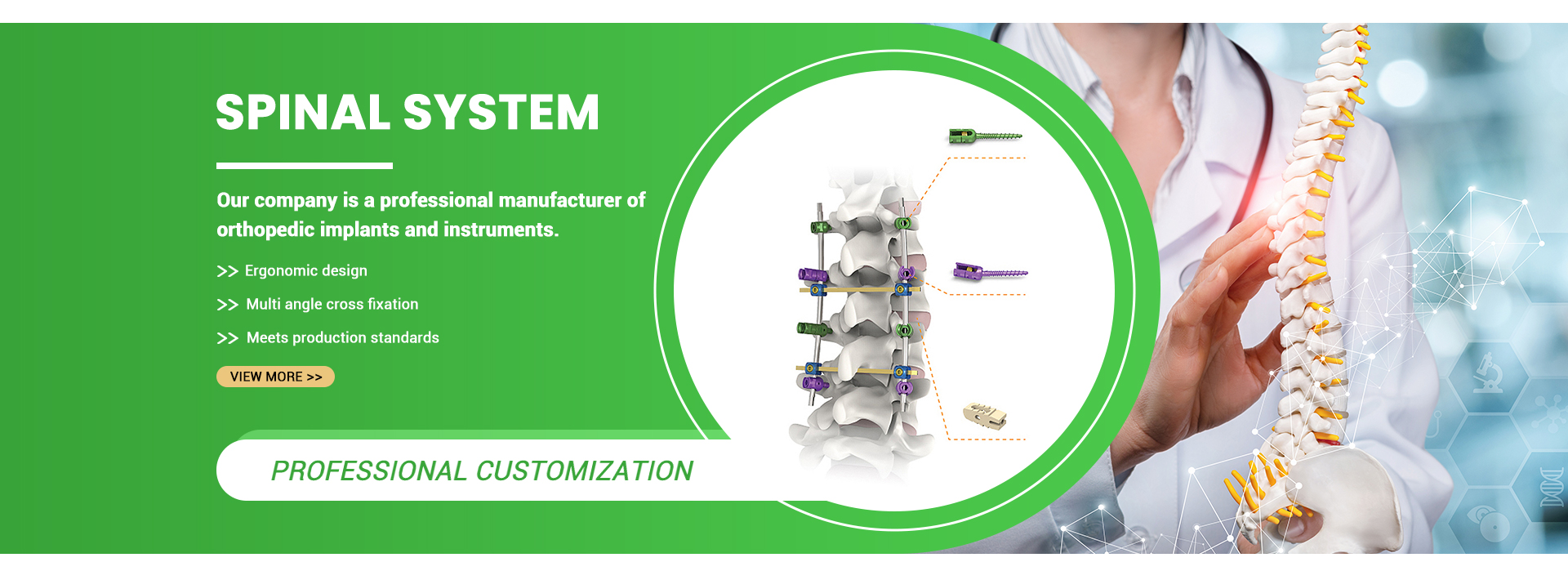
A surgical-grade pedicle screw is far more than a simple threaded fastener. In posterior thoracolumbar arthrodesis, the construct must withstand immense cyclical cantilever beam loads, shear stresses, and rotational torques during the critical fusion window (typically 6 to 12 months). GMV Medical machines all implant components exclusively from premium Ti-6Al-4V ELI (Extra Low Interstitial) conforming to ASTM F136 and ISO 5832-3 standards.
- Dual-Core Thread Geometry: Conical root design transitions from cylindrical to tapered profiles, maximizing purchase within both cancellous vertebral body and hard cortical pedicle walls.
- Torx (Star) Drive Recess: Engineered to mitigate head-camming, driver stripping, and slippage at insertion torques up to 12 Nm.
- Polyaxial Articulation Range: Friction-head saddle accommodates multidirectional angulation exceeding ±25° (>50° conical cone) for seamless rod contouring across complex spinal curvatures.
Localized Clinical Scenarios in Norwegian Spinal & Trauma Surgery
How surgical pathology patterns, demographic shifts, and regional climate conditions across Norway dictate the engineering parameters of pedicle screw internal fixation systems.
1. Geriatric Osteoporotic Fracture Stabilization
Norway experiences one of the world's highest incidences of osteoporotic fragility fractures per capita, amplified by its northern latitude, prolonged winters, and aging demographic. In regional hospitals like Haukeland University Hospital (Bergen) or St. Olavs Hospital (Trondheim), spinal surgeons routinely manage burst fractures, compression collapses, and pseudarthrosis in poor bone quality. Fenestrated cannulated pedicle screws that permit polymethylmethacrylate (PMMA) bone cement injection are critical here, offering up to 2.5× higher pullout resistance in osteopenic cancellous matrices.
2. Sub-Zero Winter Trauma & High-Energy Sports Injuries
Across rural and mountainous regions (such as Innlandet or Troms og Finnmark), winter sports activities, mountaineering, alpine skiing, and slippery roadway conditions lead to traumatic unstable spine fractures (AO Spine Class B and C distraction and rotational injuries). In trauma centers like Oslo University Hospital (Ullevål), emergency stabilization demands monoaxial and reduction pedicle screws with elongated tabs, enabling rapid rod reduction, segmental distraction/compression, and restoration of anatomical sagittal balance under emergency protocols.
3. Degenerative Spondylolisthesis & Lumbar Spinal Stenosis
Norwegian neurosurgical registries report a consistently elevated frequency of lumbar decompression and fusion procedures for degenerative disc disease (DDD) and degenerative spondylolisthesis. With an active population requiring rapid post-operative rehabilitation, minimally invasive surgery (MIS) pedicle screw systems featuring percutaneous sleeve extenders are favored. Minimizing muscle detachment of the multifidus muscle preserves posterior spinal musculature and reduces post-operative hospitalization stays—aligning with Norway's national healthcare efficiency targets.
Material Science & Biomechanical Performance Standards
Comparison between titanium alloy pedicle screws and alternatives, verified by accredited third-party laboratories according to ASTM F1717 and ASTM F543 testing protocols.
| Mechanical & Physical Property | Ti-6Al-4V ELI (GMV Standard) | Commercial Pure Titanium (Gr. 4) | 316L Stainless Steel (Trauma Plates) | Norwegian Tender Clinical Threshold |
|---|---|---|---|---|
| Tensile Strength (Yield, MPa) | ≥ 860 MPa | ≥ 480 MPa | ≥ 690 MPa | ≥ 800 MPa (Class IIb/III spinal implants) |
| Modulus of Elasticity (GPa) | 110 GPa (closer to cortical bone) | 105 GPa | 200 GPa (excessive stiffness) | Stress-shielding minimization < 120 GPa |
| Dynamic Fatigue Endurance (ASTM F1717) | > 5,000,000 cycles without failure | Failed at ~1.8M cycles | > 3,500,000 cycles | 5,000,000 cycles at 65% yield load |
| MRI / CT Diagnostic Artifacts | Low magnetic susceptibility; minimal distortion | Low artifact generation | Severe starburst artifacts obscuring canal | Must allow post-op neural canal visualization |
| Biocompatibility / Osseointegration | Superior; spontaneous TiO2 passivation layer | High biocompatibility | Potential nickel-sensitivity issues | ISO 10993 cytotoxicity and sensitization pass |
| Surface Roughness (Ra) | Ra 0.4 – 0.8 μm (threaded root optimized) | Ra 0.8 μm | Ra 0.2 μm (smooth polished) | Controlled microroughness for bone contact |
Jiangsu GMV Medical: 27 Years of Precision Spinal Manufacturing
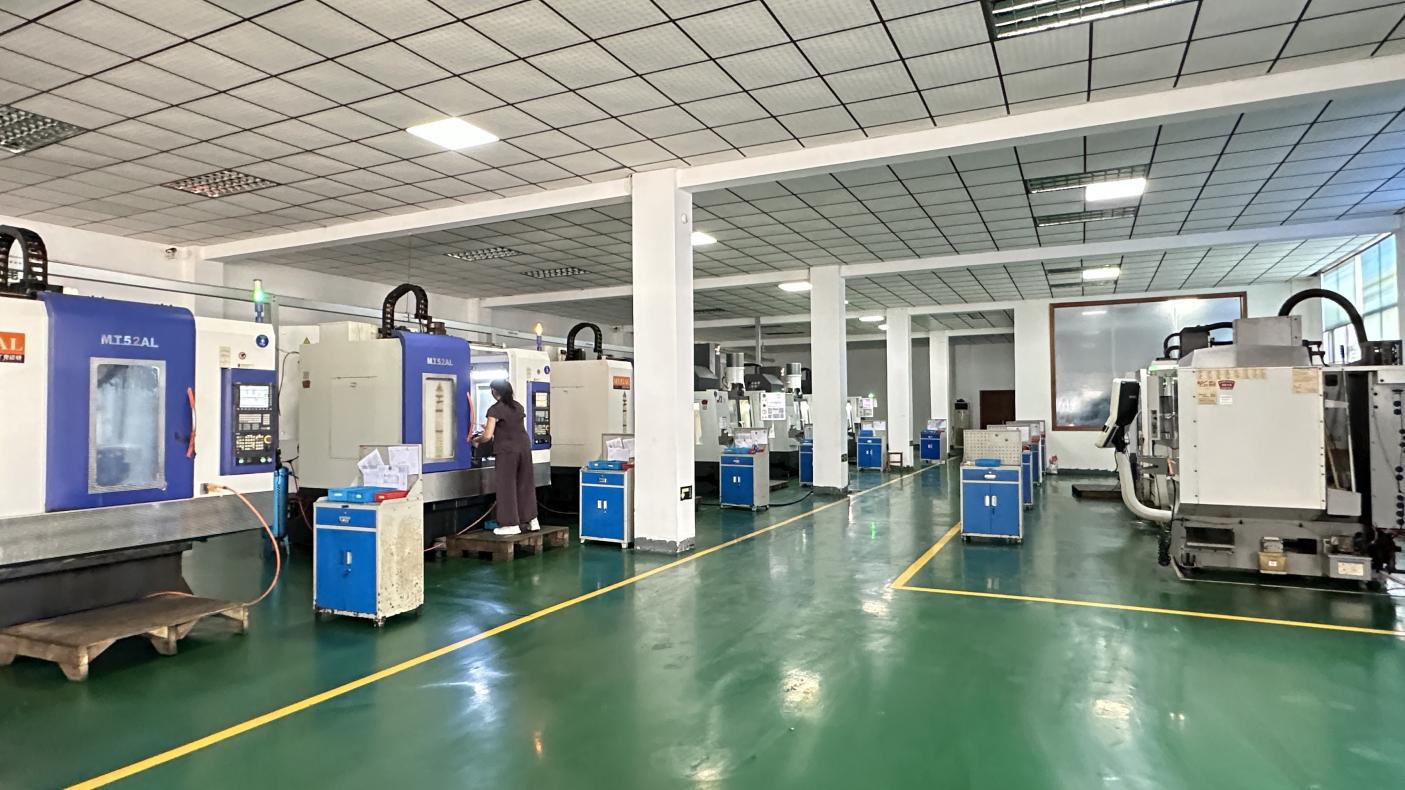
Located in the precision medical device manufacturing corridor of Suzhou, Jiangsu GMV Medical Device Co., Ltd. operates a high-capacity manufacturing plant spanning multi-axis CNC milling, Citizen and Star Swiss-type screw machining centers, optical projection inspection, and automated surface passivating lines.
- TÜV Rheinland On-Site Audited: Our production workshops, QA/QC laboratories, and global traceability frameworks undergo rigorous independent physical verification.
- Full Metrology Verification: Every screw lot undergoes dimensional verification via MITUTOYO optical measurement systems and computerized tensile testing to ensure zero defect tolerance.
- Complete Traceability & Laser Marking: Laser-etched unique lot codes, diameter, and length markers ensure lifelong tracking inside central sterile supply departments (CSSD).
Localized Market & Regulatory Trends in Norway (2025–2030)
Key regulatory shifts, sustainability directives, and public procurement mechanisms that shape how Norwegian hospitals and distributors select orthopedic implants.
1. EU MDR 2017/745 Compliance
Although not an EU member state, Norway is bound by the EEA Agreement and enforces EU MDR 2017/745 directly via the Norwegian Medical Products Agency (DMP - Direktoratet for medisinske produkter). All Class IIb and Class III spinal implant assemblies require exhaustive Post-Market Clinical Follow-up (PMCF) data, Notified Body CE certificates, and UDI integration into the European EUDAMED database.
2. Sykehusinnkjøp Green Procurement
Sykehusinnkjøp HF heavily weights Environmental, Social, and Governance (ESG) criteria during national framework tenders. Under modern tender guidelines, environmental footprint evaluation represents at least 30% of award scoring. Importers must demonstrate clean CNC coolant disposal, non-toxic ultrasonic passivation, recyclable packaging materials, and optimized logistics footprints.
3. Public Cost Rationalization
Escalating demographic pressures and high operational expenses across Norway's Regional Health Authorities are driving a strategic migration away from hyper-priced Western medtech conglomerates. Hospitals actively seek high-tier OEM manufacturers who provide identical raw metallurgy, certified mechanical reliability, and modular instrument compatibility at 40% to 60% lower unit procurement costs.
4. Single-Use Sterile Packaging
Central Sterile Services Departments across Scandinavian hospitals are gradually switching from manual sterilization trays to pre-sterilized, single-packaged implants with sterile barrier peel pouches. This eliminates hospital autoclave cycling costs, reduces perioperative surgical site infection (SSI) risks, and guarantees tamper-evident lot verification directly in the sterile OR theater.
Sourcing Architecture: Direct China Factory vs. European Intermediary
Strategic financial, operational, and intellectual property evaluation for orthopedic device distributors serving the Scandinavian market.
For orthopedic distribution firms based in Oslo, Bergen, Stavanger, or Trondheim, securing distribution margins while satisfying tight Sykehusinnkjøp framework tender prices is an ongoing operational balancing act. Sourcing via third-party brand holders in Central Europe introduces multiple markups (typically 300% to 500% over factory FOB costs), extended backorder lead times, and zero direct engineering influence over custom instrument modifications. Direct factory engagement with a qualified Chinese OEM manufacturer fundamentally changes these economics:
Direct OEM Unit Economics
Direct wholesale purchasing from Jiangsu GMV Medical cuts out European trading markups, lowering landed acquisition costs by 45–65%. This gives distributors competitive pricing leeway in public tenders while maintaining healthy operating gross margins for post-market surveillance and surgeon educational support.
Rapid Design Customization
Need custom pedicle screw self-tapping flute angles for denser Scandinavian bone densities? Or customized quick-connect ergonomic silicone driver handles? GMV's dedicated engineering group turns CAD models and prototype drawings into tangible, pre-production clinical samples in under 3 weeks.
Total Regulatory Documentation
We provide full technical dossier support including material test mill certs, bio-burden validation, animal study reports where applicable, packaging shelf-life verification, and sterilization validation (ISO 11137 / ISO 11135), enabling smooth submission to Notified Bodies and DMP authorities.
Frequently Asked Questions: Sourcing Pedicle Screws in Norway
Direct, technical, and regulatory answers addressing the primary concerns of Norwegian medtech distributors, hospital biomaterials committees, and procurement officers.
How do GMV Medical pedicle screws comply with Norwegian DMP and EU MDR regulations?
Our spinal fixation systems are manufactured in strict compliance with ISO 13485:2016 quality management systems. Technical files are prepared in accordance with MDR (EU) 2017/745 Annex II and III. We supply complete biological evaluation reports (ISO 10993 series), risk management documentation (ISO 14971), and static/dynamic mechanical test reports (ASTM F1717) to support distributor registration with the Norwegian Medical Products Agency (DMP).
Can you support custom laser marking and private label OEM for Norwegian distributors?
Yes. We offer comprehensive OEM/ODM services. We can laser-etch your proprietary brand logo, customized size identifiers, unique GS1-compliant DataMatrix barcodes, and specific lot numbers directly onto screw saddles, rods, and crosslinks. Custom labeled inner boxes and patient implant card packs are configured to meet local language requirements (Norwegian/English).
What titanium grade is used, and can you provide raw material certification?
Every single production batch of GMV pedicle screws is forged and machined from certified medical-grade Ti-6Al-4V ELI (Grade 5 ELI) bar stock strictly adhering to ASTM F136 and ISO 5832-3. We deliver complete original chemical composition analysis and mechanical tensile test mill certificates with every shipped consignment.
How does the factory prevent head-splay and screw-driver stripping during insertion?
Our pedicle screws feature a deep, high-tolerance Torx (T25/T30) drive interface and buttress or reverse-angle set-screw threads. This geometry directs radial forces axially along the screw axis rather than outwardly, virtually eliminating saddle head-splay and allowing confident locking torque up to 10–12 Nm without screw head deformation.
What are the standard shipping timelines and incoterms to Norwegian ports like Oslo or Bergen?
Standard production lead times for standard catalogue items run between 3 to 4 weeks. For urgent replenishment, air freight via DHL/FedEx/SAS Cargo delivers to Oslo Gardermoen (OSL) or Bergen Flesland (BGO) within 5 to 7 business days. We routinely execute shipments under EXW, FOB, CIF, or DDP incoterms, collaborating with your preferred customs broker.
Can Norwegian hospital procurement teams or auditing bodies inspect your manufacturing site?
Absolutely. Our factory in Jinfeng Town, Suzhou, has been audited and verified on-site by TÜV Rheinland. We actively welcome distributor quality teams, hospital clinical engineering representatives, and independent third-party auditors for in-person facility inspections or scheduled interactive live video audits of our cleanrooms and CNC workshops.
