
Lab Teaching Models 3 Parts Muscular Skull
Anatomically precise 3-part cranium for medical university surgical simulation and neuro-trauma procedural planning.
Explore our export-certified surgical equipment and cranial reconstruction systems optimized for neurological hospitals, emergency trauma units, and medical universities in Kharkiv.
Anatomically precise 3-part cranium for medical university surgical simulation and neuro-trauma procedural planning.

Modular skull model demonstrating disarticulated cranial sutures and bone plates for reconstructive fixation education.

High-torque surgical turbine handpiece built in stainless steel for cranial flap burring and maxillofacial osteotomy.

Rapid-assembly stabilization couplings for polytrauma cases requiring damage-control skeletal immobilization.

Stainless steel autoclavable containment solution designed to protect delicate micro-cranial drill bits and drivers.

Precision reduction forceps, depth gauges, and countersink taps compatible with cranial flap repositioning procedures.

High-reliability surgical powered saw engineered for rapid osteotomies in emergency craniotomy interventions.
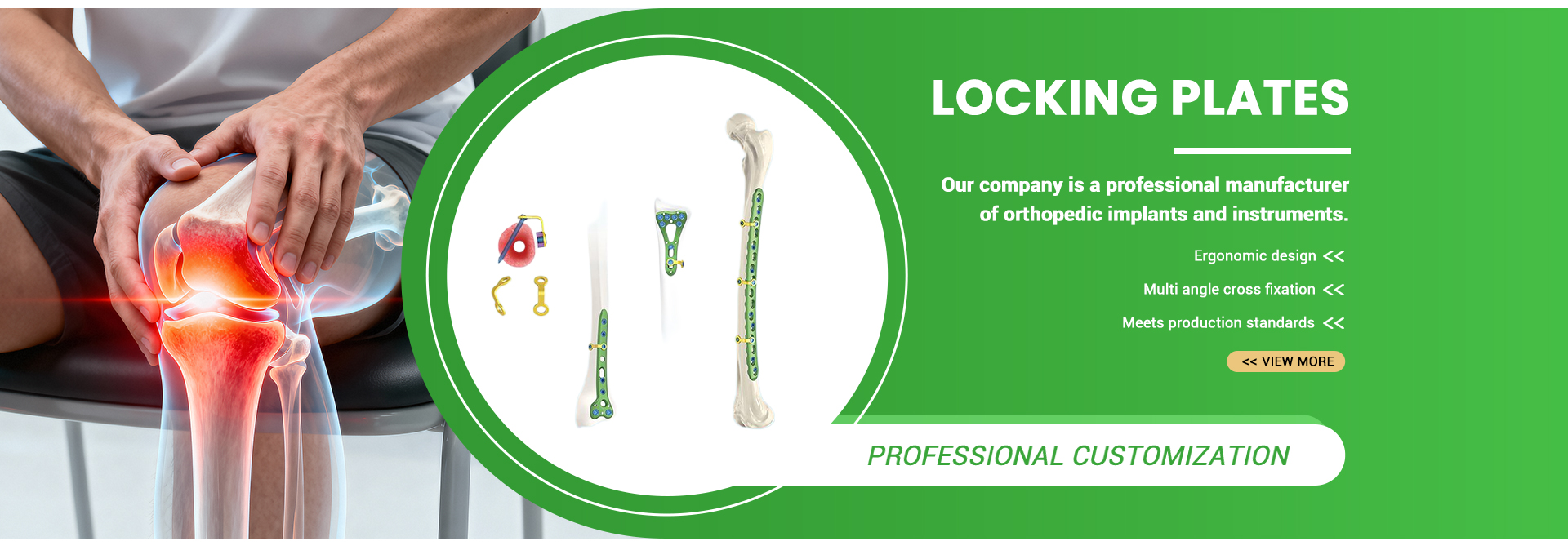
3D-moldable pure titanium mesh (Grade 2/3) combined with 1.5mm/2.0mm low-profile self-drilling cranial fixation screws.
Neurosurgical craniotomy closure and post-traumatic cranial defect reconstruction demand meticulous biomechanical stabilization. In high-acuity surgical environments across the Kharkiv Oblast—such as regional neurosurgical referral hubs, the Sytenko Institute of Spine and Joint Pathology, and urban acute trauma departments—surgeons regularly treat explosive blast injuries, comminuted calvarial depression fractures, and secondary cranioplasty following decompressive craniectomy. As an established medical device manufacturer with over 27 years of metallurgical and mechanical production heritage, Jiangsu GMV Medical Device Co., Ltd. provides clinical-grade solutions that resolve intraoperative structural vulnerability while facilitating osteointegration.
"Effective calvarial fixation requires an exquisite equilibrium between structural micro-motion limitation and zero scalp-interface prominence. The deployment of ultra-low profile titanium constructs eliminates transcutaneous hardware visibility while maintaining physiological intracranial pressure tolerance."
The cranial vault experiences minimal axial weight-bearing stresses compared to appendicular long bones; nevertheless, it is subjected to continuous soft-tissue shear, pulsating cerebrospinal fluid pressures, and acute ambient mechanical forces. GMV Medical manufactures cranial fixation plates, mesh implants, and burr hole covers utilizing high-purity medical-grade Titanium (Grade 2 and Grade 3 ASTM F67 for pliable mesh; Grade 5 Ti-6Al-4V ELI ASTM F136 for micro-screws and rigid load-bearing strut plates). Through selective cold-work processing and CNC micro-milling, our plates maintain an ultra-low profile (0.4 mm to 0.6 mm), mitigating scalp erosion, skin thinning, and post-operative implant visibility even in patients with alopecia or thin supraorbital dermis.
In acute neuro-trauma operations where cranial flap repositioning must be conducted swiftly to prevent prolonged anesthesia times, screw drive mechanics become pivotal. GMV Medical manufactures cross-drive and star-drive self-drilling micro-screws (diameters 1.5 mm, 1.6 mm, and 2.0 mm; lengths 3.0 mm to 6.0 mm) with razor-sharp apical cutting flutes. This thread architecture eliminates the requirement for preliminary pilot pre-drilling through the outer cranial cortical table, eliminating dural plunge hazards while maximizing immediate thread-shear retention against porous diploic bone.
Decompressive craniectomies executed to treat acute intracranial hypertension generate expansive, irregular calvarial voids. Secondary cranioplasty procedures necessitate materials that resist late mechanical deformity. GMV's anatomical dynamic 2D and 3D pre-curved titanium meshes exhibit uniform triangular or circular pore geometry. This porous configuration permits active trans-dural vascularization, rapid soft-tissue fibrovascular incorporation, and minimal high-frequency computed tomography (CT) and magnetic resonance imaging (MRI) scattering artifacts—an essential factor for post-operative radiological surveillance.
Qualified procurement teams do not rely on distributor assertions. Our automated facility in Suzhou, China, controls each stage from raw titanium alloy validation to optical cleanroom packaging.
Equipped with multi-axis CNC Swiss-type lathes and German machining centers maintaining dimensional tolerances within ±0.005 mm for perfect screw-plate seat lock.
Our entire plant, metallurgical traceability records, and QA/QC workflows have undergone on-site verification by TÜV Rheinland for global distributor assurance.
100% optical profile projector evaluation for micro-screw pitch continuity and dynamic plate bend elasticity testing to eliminate intraoperative metal fatigue failure.
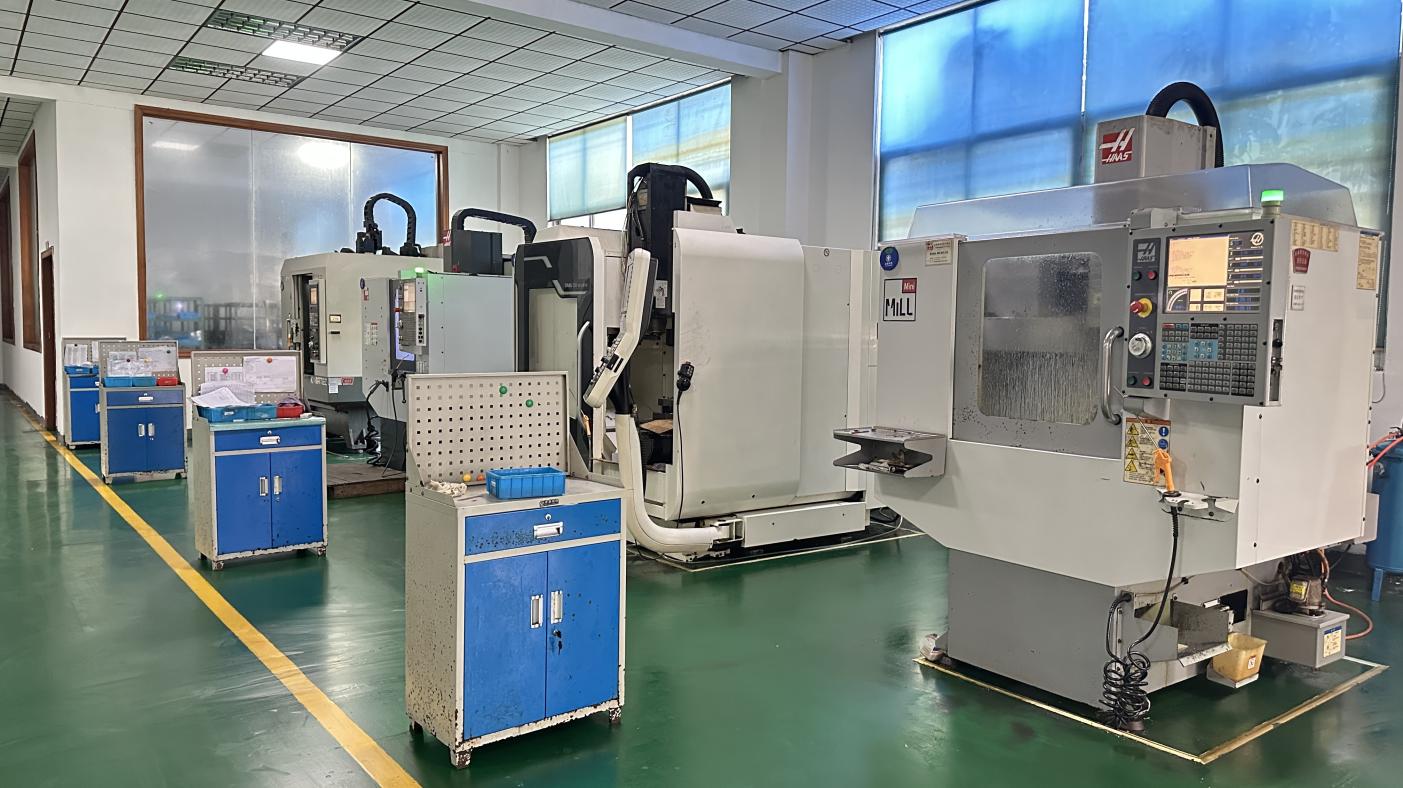 CNC Implant Machining Centers
 Optical Projector Dimensional Inspection
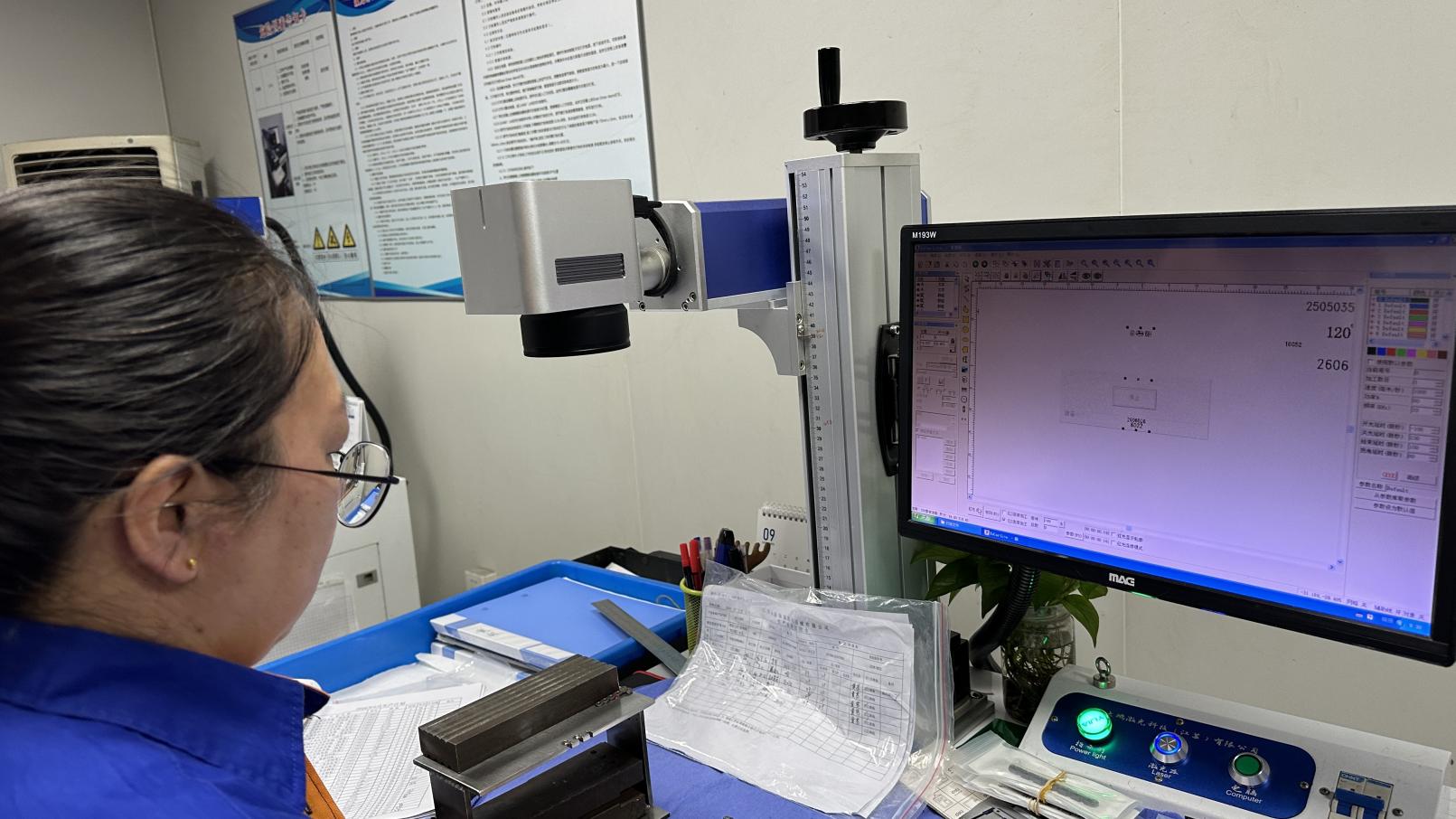 Permanent Laser UDI Marking Units
Adapting manufacturing parameters and delivery logistics to meet the surgical demands of Kharkiv’s primary clinical centers and municipal emergency protocols.
In military and civilian emergency triage across Kharkiv regional surgical complexes, high-velocity shrapnel creates multifragmentary calvarial destruction. Our pre-bent bridging titanium plates facilitate immediate structural reconstruction and dural protection without requiring protracted anatomical contouring.
Patients recovering from extensive intracranial pressure management often suffer from "syndrome of the trephined." GMV's rigid 3D deformable titanium mesh systems re-establish normal intracranial fluid biomechanics, restore cranial cosmetic contours, and protect underlying neural tissue.
In collaboration with Kharkiv National Medical University and local post-graduate surgical academies, our high-fidelity segmented anatomical skull models and practical instrument kits empower the next generation of Ukrainian neurosurgeons to master micro-fixation and osteotomy techniques.
Hospital purchasing committees, non-governmental charitable medical distributors, and private healthcare tender organizations operating throughout Ukraine face distinctive logistical and legislative paradigms. Successfully navigating the medical supply chain into Kharkiv requires aligning with current market movements:
Due to stringent national budget management and increased donor-funded scrutiny (including tenders processed via electronic procurement platforms such as ProZorro), healthcare networks in Kharkiv are bypassing multi-tiered third-party brokers. Sourcing directly from verified Chinese manufacturers like Jiangsu GMV Medical yields substantial cost savings—averaging 35% to 50% relative to Western European distributors—while securing complete batch test certificates and factory warranties.
Ukraine’s regulatory pathway for medical equipment harmonizes closely with EU MDR principles under Technical Regulation No. 753. International exporters must furnish comprehensive Technical Files, biocompatibility reports (ISO 10993), cleanroom sterilization validation (ISO 11137 / ISO 13485), and detailed Risk Management files (ISO 14971). GMV Medical provides full regulatory dossiers to authorized Ukrainian representatives to expedite national registration and conformity assessment certificates.
Kharkiv operating theatres prioritize streamlined logistics. Procurement tenders increasingly specify turnkey modular sets—combining self-retaining screwdrivers, plate benders, depth gauges, and autoclavable graphic storage cases with standard plate and screw assortments. This pre-configured format simplifies sterilization tracking and surgical inventory counts during high-volume surgical rotations.
Real-world insights on delivery logistics, customs clearance, certifications, and product configurations.
Discuss your clinical specifications, request sample inspection reports, or initiate hospital tender pricing directly with our factory export engineering team.
