System-Matched External Fixation & Orthopaedic Solutions
Precision-engineered components fabricated from medical-grade Ti-6Al-4V ELI titanium alloy and biocompatible stainless steel, rigorously tested for maximum rigidity, micro-motion control, and rapid intraoperative modular assembly.

External Fixator Ringent Rod Coupling
Multi-axial clamping coupling enabling variable angled connection between longitudinal carbon/steel rods and circular ring geometries.
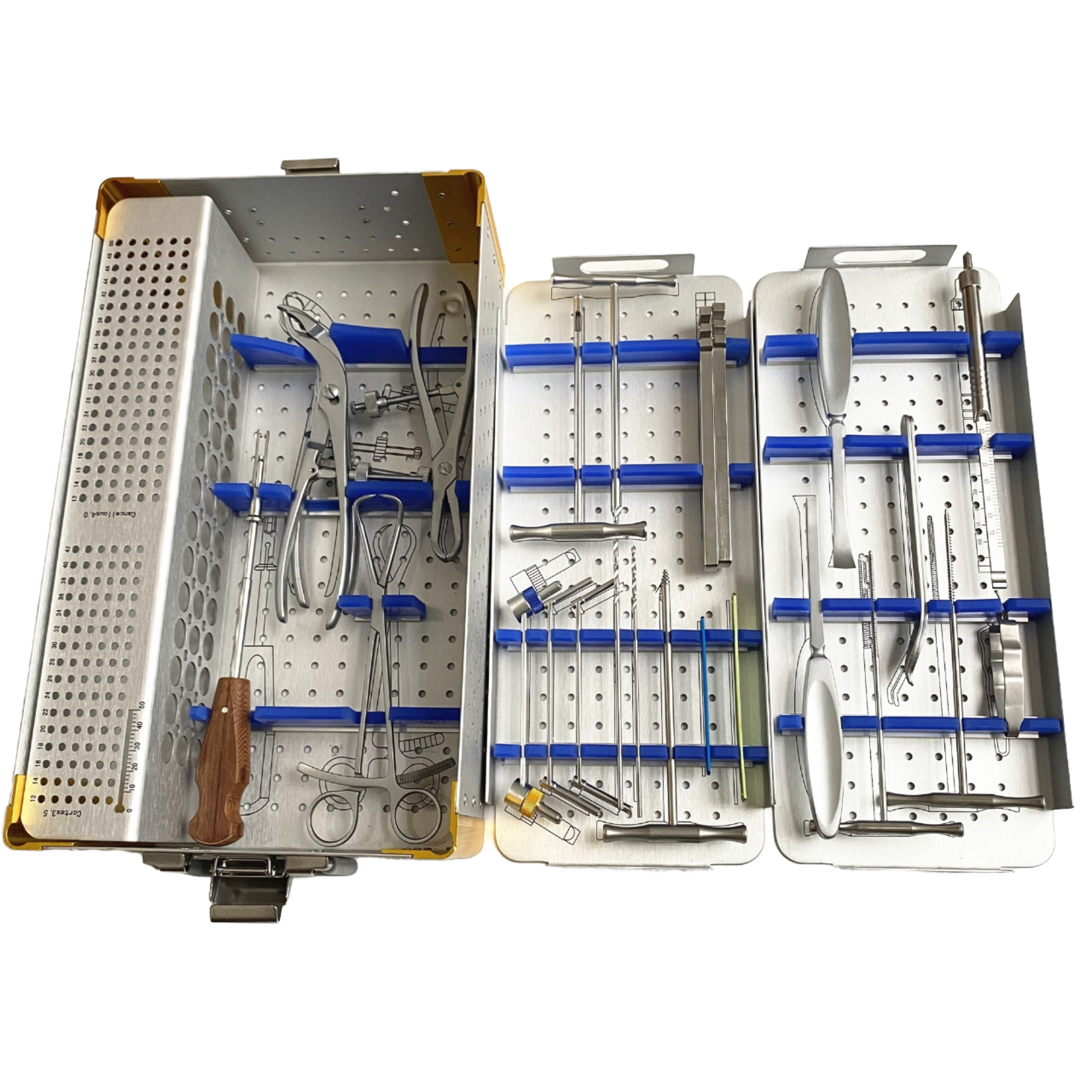
Small Fragment Upper Limb Instrument Kit
Complete manual reduction and osteotomy set housed in an autoclavable aluminum alloy container for forearm and distal humerus stabilization.
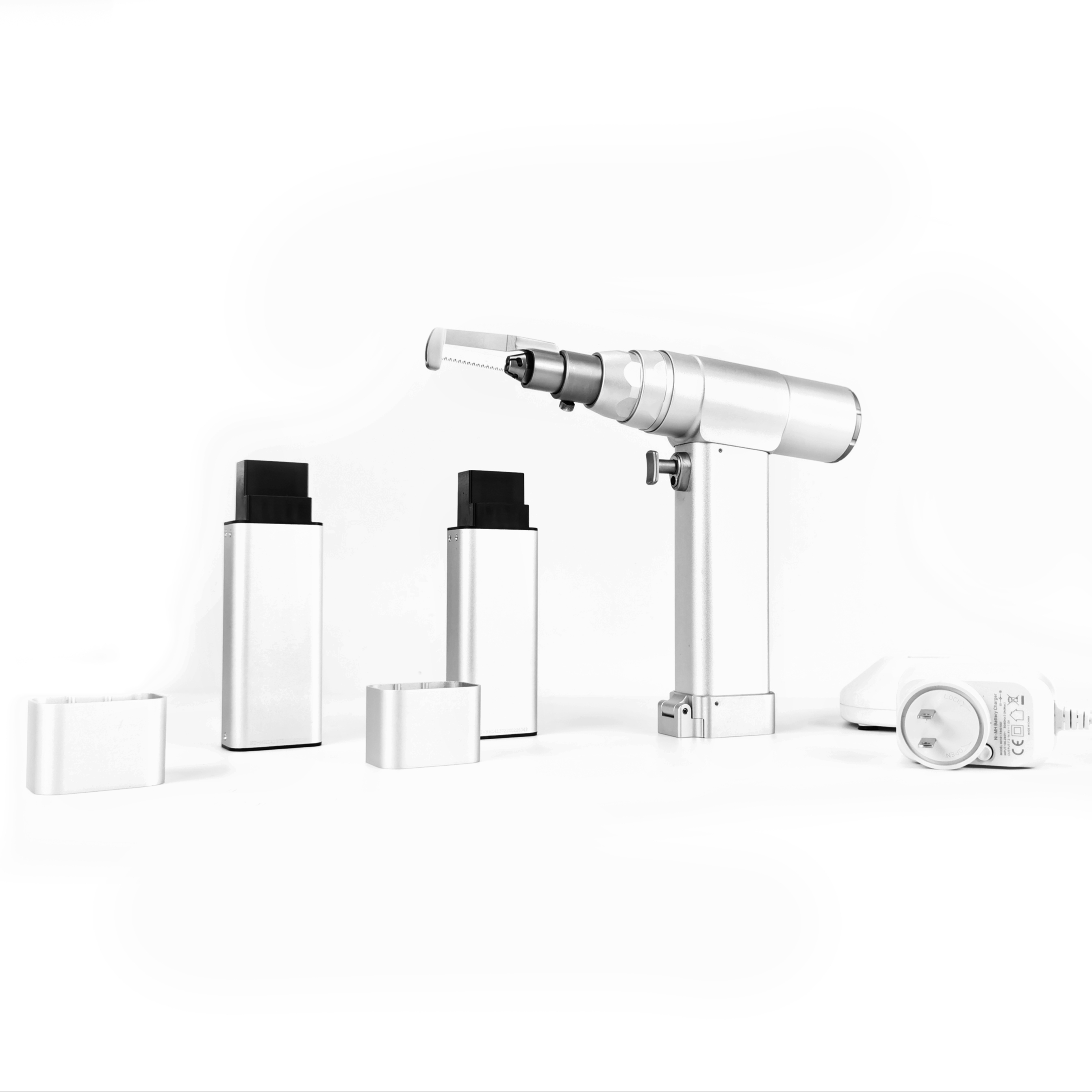
Electric Orthopedic Sternum Drill & Saw
High-torque, low-noise oscillating osteotomy saw system engineered for rapid bone resection, certified for intensive trauma operating room utility.
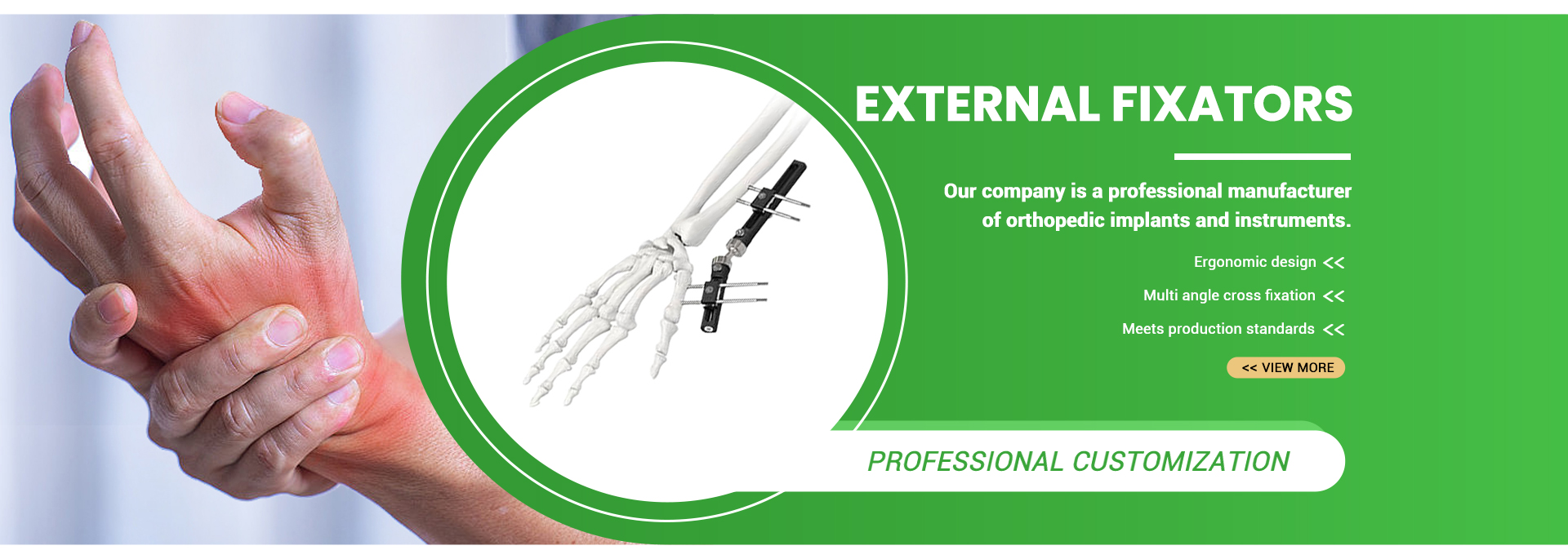
Circular Ring External Fixation Construct
Full rings, 5/8 rings, and curved arches engineered with calibrated hole spacing for transfixion wire tensioning and multiplanar osteogenesis.
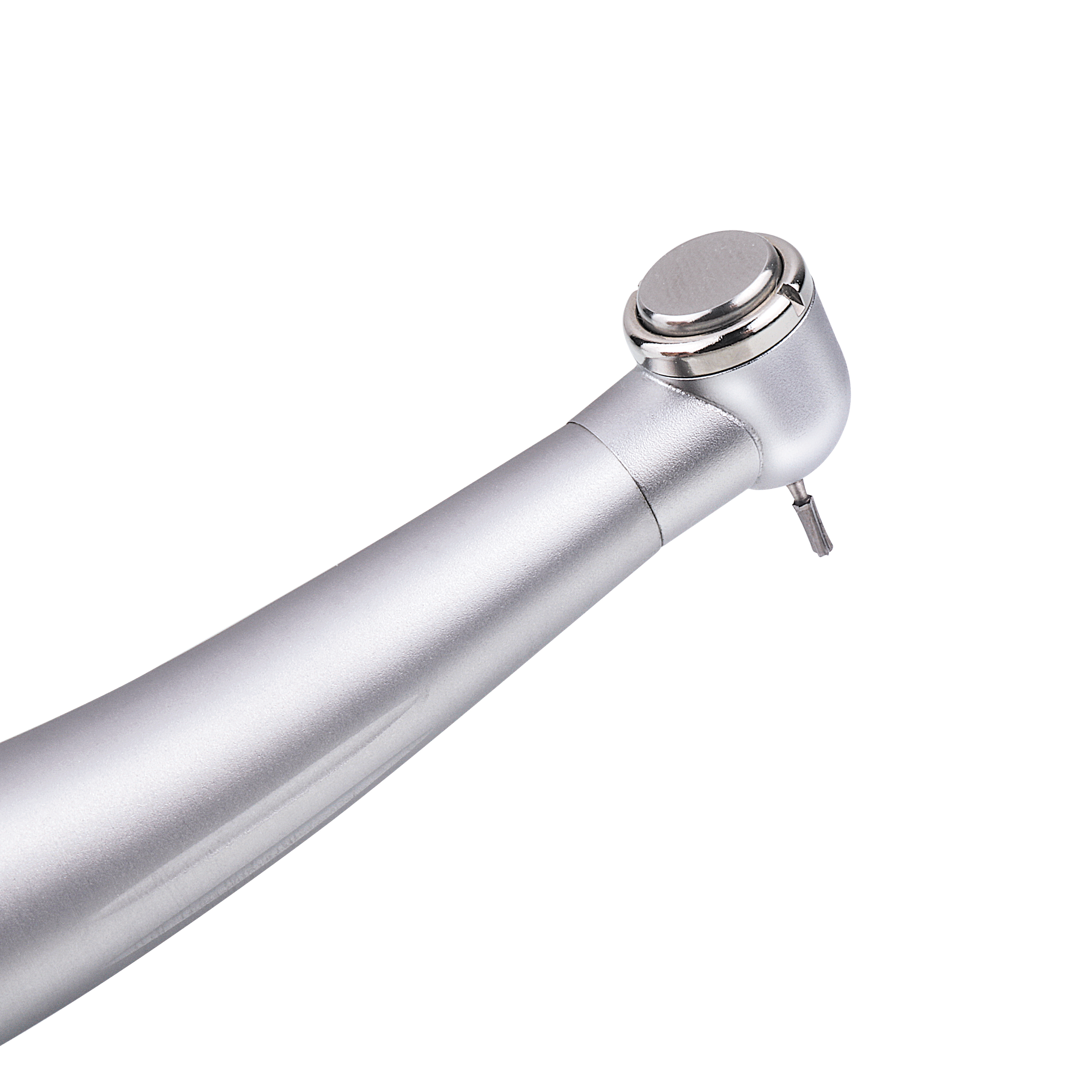
High-Speed Surgical Turbine Handpiece
Precision micro-machined stainless steel turbine handpiece delivering smooth rotational speed and ergonomic balance during delicate drilling tasks.
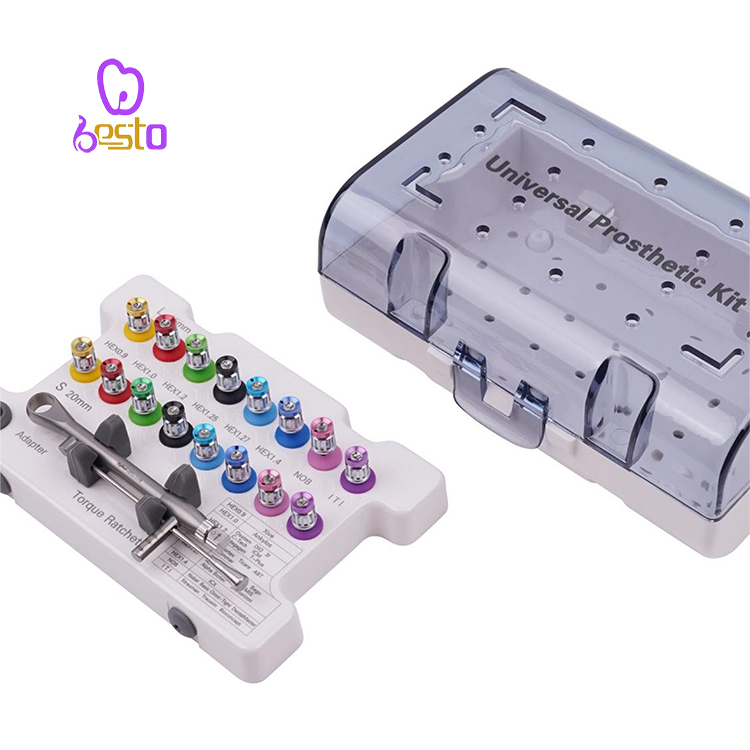
Surgical Implant Stainless Tool Box
Medical grade stainless steel perforated sterilization casing engineered to withstand harsh repetitive steam autoclave and dry heat sterilization.
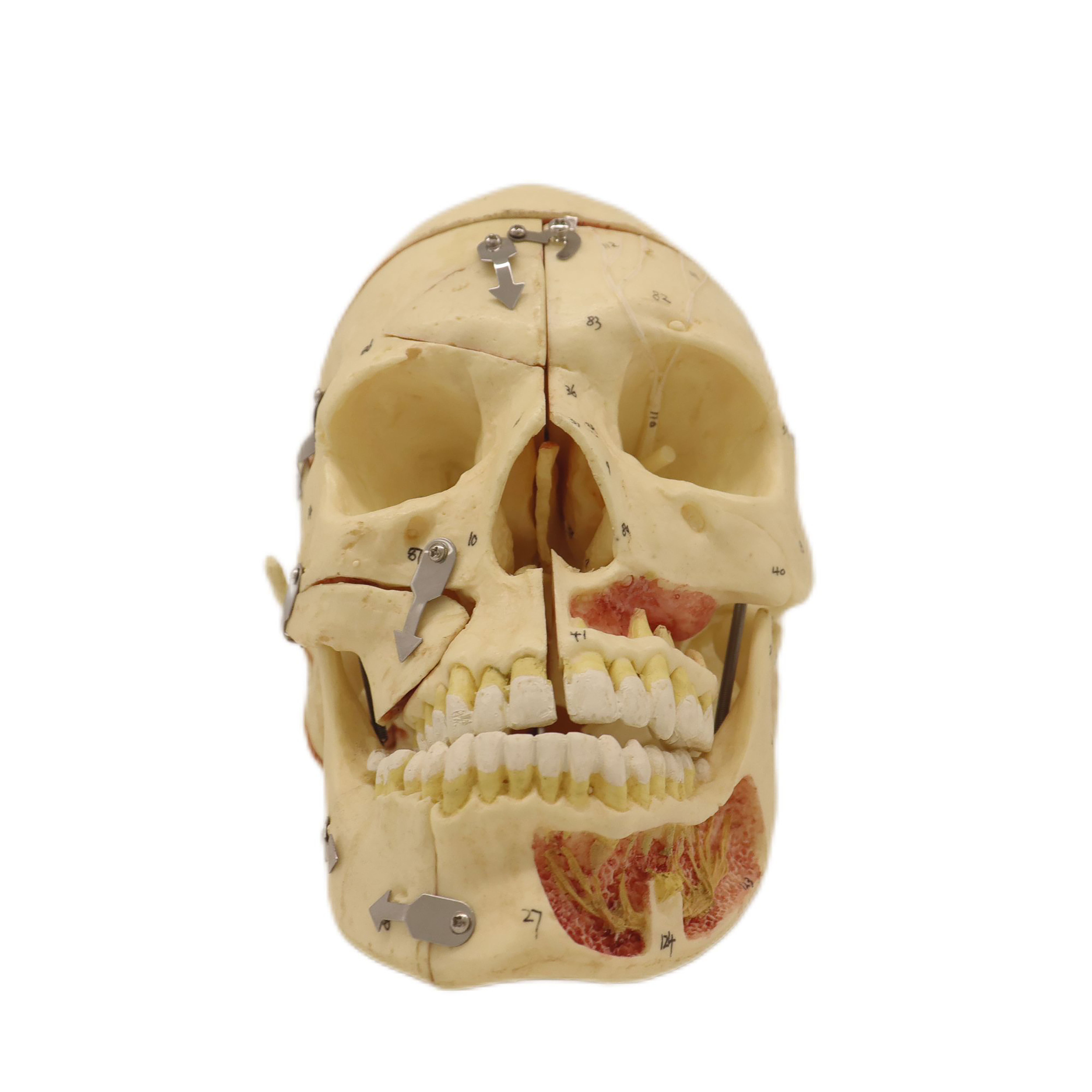
3-Part Muscular Skull Anatomical Model
High-fidelity anatomical skull model for preoperative planning simulations, surgical skills laboratories, and medical educational presentations.
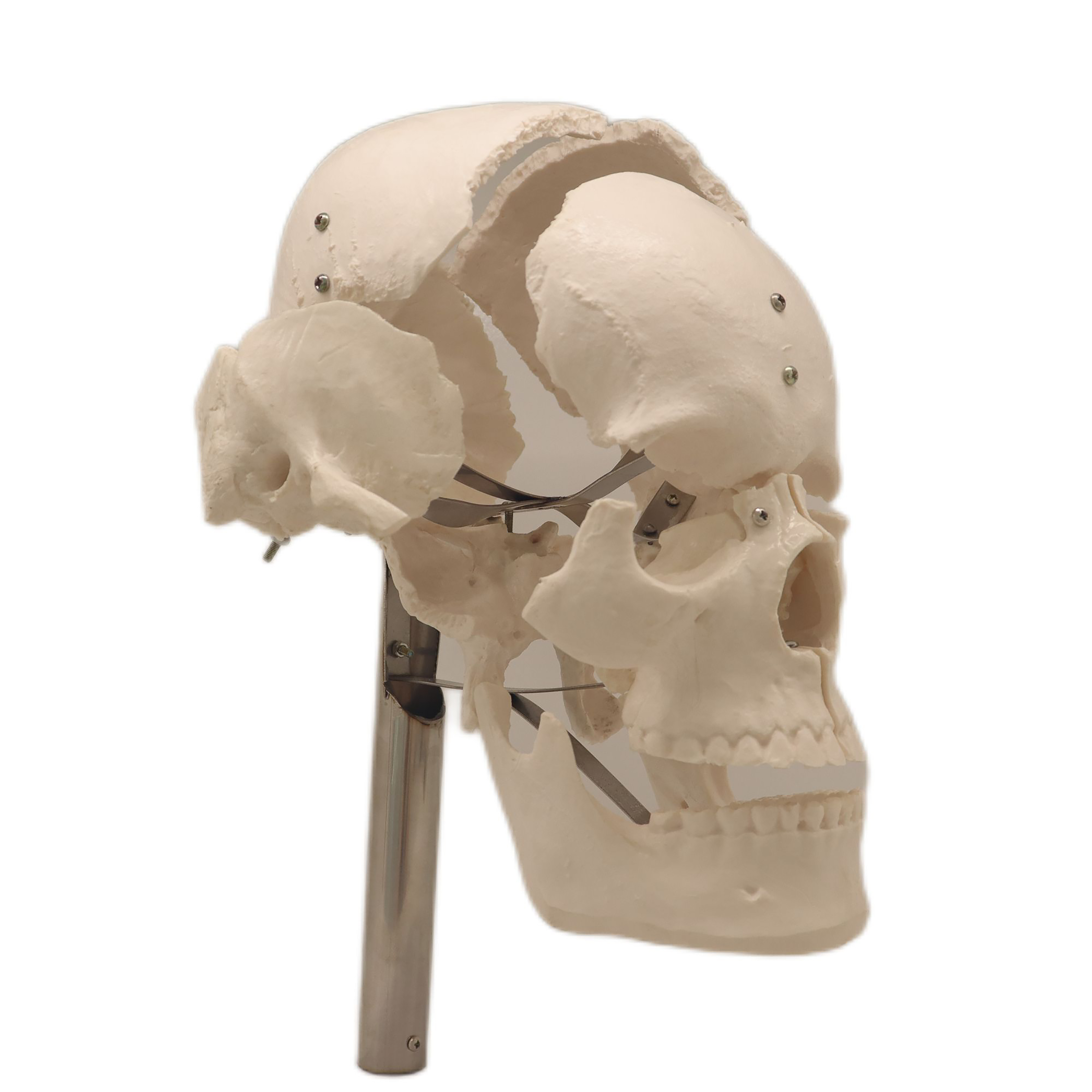
Disarticulated Human Skull PVC Model
Precision bone-mapped PVC teaching structure designed for trauma biomechanics research, osteosynthesis demonstration, and clinical staff workshops.
Engineering Biomechanics of Circular Fixator Rings in Modern Trauma Care
A rigorous examination of axial stiffness, torsional stability, and biological osteogenesis dynamics governing circular and hexapod external fixation systems.
In high-energy skeletal trauma and complex limb salvage procedures, external fixation rings represent the premier mechanical modality for managing comminution, soft-tissue envelope compromise, bone loss, and infected non-unions. Unlike unilateral monolateral frames that experience asymmetrical cantilever bending stresses, the circular ring construct (based on classical Ilizarov and contemporary hexapod kinematic principles) provides circumferentially uniform, symmetrical load transmission across the fracture or osteotomy site. By suspending the skeletal segment symmetrically within closed or semi-closed rings using high-tension transfixion Kirschner wires and conical Schanz half-pins, axial micro-motion is controlled within the physiological threshold (0.2 mm to 1.0 mm) that stimulates robust secondary endochondral ossification.
At Jiangsu GMV Medical Device Co., Ltd., our engineering division analyzes finite element models (FEA) to maximize the strength-to-weight ratio of circular frames. A critical biomechanical determinant is ring diameter relative to limb circumference: every additional centimeter of clearance beyond the required 2 cm soft-tissue margin significantly degrades construct bending rigidity according to third-power lever arm mechanics. Therefore, GMV Medical manufactures external fixator rings in precision graduated diameters ranging from 80 mm inner diameter for pediatric and upper-extremity pathologies up to 240 mm for heavy adult lower-limb stabilization.
Clinical Rule of Stability: Multi-Planar Wire Tension Dynamics
Circular external fixation relies on transfixion wires tensioned to 90–130 kg (900–1300 N) of axial pre-load. Our rings are CNC-milled from cold-worked, high-tensile medical-grade alloy matrices capable of resisting out-of-plane ring deformation under multi-wire tensioning protocols without loss of construct parallelism.
Furthermore, the connection interface between longitudinal threaded connecting rods and ring perimeters dictates frame stiffness. Our Ringent Rod Couplings (and articulated universal ball joints) utilize dual-groove anti-slip clamping geometry. Under mechanical cyclic loading simulations (following ASTM F1541-17 standards for external skeletal fixation devices), these couplings resist slip torques exceeding 32 N·m, preventing late angular alignment drift during full functional weight-bearing regimens.
Optimized Hole Geometry & Threaded Pitch
Every full ring, 5/8 ring, and femoral arch features uniformly spaced 8 mm aperture holes with precision chamfered margins. This geometry accommodates wire-fixation bolts, slotted washers, and rod brackets without high-stress notched edge fatigue.
High Modulus Titanium & Stainless Matrices
Manufactured using medical Ti-6Al-4V ELI (ASTM F136) and implant-grade 316L stainless steel (ASTM F138). Delivers up to 40% mass reduction when titanium configurations are specified, vastly improving patient mobility and comfort.
Systemic Modular Interoperability
Fully compatible with standard Ilizarov system hardware, hybrid metaphyseal clamp brackets, carbon fiber connecting rods (11 mm / 12 mm OD), and modern hexapod computerized deformity correction software workflows.
Trauma & Reconstructive Applications in Vaduz and the Alpine Corridor
Tailored orthopaedic strategies meeting the rigorous clinical standards of healthcare providers, specialized private orthopaedic practices, and regional surgical networks in the Principality of Liechtenstein.
Vaduz, as the administrative, financial, and healthcare epicenter of the Principality of Liechtenstein, occupies a unique position in the Rhine Valley (Rheintal). The local medical network—anchored by the Liechtensteinisches Landesspital (National Hospital in Vaduz) and supported by close collaborative pathways with Swiss tertiary centers (such as Kantonsspital St. Gallen) and Austrian trauma clinics in Vorarlberg (Feldkirch)—requires surgical instrumentation that complies with the highest European and Swiss technical specifications.
The geographical environment of Liechtenstein, surrounded by world-renowned alpine sports resorts (Malbun, Steg, and adjacent Swiss/Austrian ski belts), results in a distinct epidemiological trauma profile during the winter and outdoor recreation seasons. High-velocity skiing accidents, snowboarding crashes, mountaineering falls, and highway transit along the A13 Rheintal corridor generate complex high-energy fracture patterns requiring immediate damage control orthopaedics (DCO) and subsequent definitive limb reconstruction.
Severe Alpine Skiing Fractures
Winter sports trauma in Malbun frequently presents with comminuted tibial pilon (AO/OTA 43-C) and bicondylar tibial plateau (AO/OTA 41-C) fractures with extreme soft-tissue swelling or blistering. Circular hybrid ring fixators bridge the articular block safely without compromising traumatized cutaneous envelopes.
Septic Non-Union & Osteomyelitis
Patients referred for secondary salvage procedures with chronic post-traumatic osteomyelitis or infected non-unions benefit from the radical debridement, segmental resection, and subsequent corticotomy bone transport (distraction osteogenesis) enabled by multi-ring Ilizarov frames.
Damage Control Orthopaedics (DCO)
In poly-trauma scenarios along the transit arteries of the Rhine Valley, rapid-assembly modular spanning ring frames allow emergent mechanical stabilization within 25 minutes, mitigating the systemic inflammatory cascade ("second hit" phenomenon) prior to definitive internal fixation.
Healthcare Procurement Trends & Regulatory Conformance in Vaduz
Navigating the intersection of Swiss-Liechtenstein customs unions, EEA medical device Directives (MDR 2017/745), and value-driven procurement.
Procuring surgical implants and capital surgical instruments for Liechtenstein clinical facilities requires an acute understanding of the country's dual regulatory and economic framework. Liechtenstein is a member of the European Economic Area (EEA), meaning that the European Union Medical Device Regulation (EU MDR 2017/745) governs registration, clinical evidence evaluation, and Unique Device Identification (UDI) tracking. Simultaneously, due to the bilateral Customs Treaty of 1923 with Switzerland, the Swiss-Liechtenstein economic border is completely open, and medical devices circulating in Vaduz frequently interface with the Swiss Agency for Therapeutic Products (Swissmedic) standards and the MedDO (Medical Devices Ordinance) framework.
In response to these stringent demands, Vaduz hospital procurement executives and specialized medical distributors are driving three pivotal procurement trends:
1. Demand for Fully Traceable, Direct-from-Manufacturer Value Chains: With hospital operating budgets constrained by increasing high-tech healthcare costs, purchasing directors in the Rhine Valley are bypassing European sub-distributors who impose excessive markups. Partnering directly with audited primary manufacturers like Jiangsu GMV Medical Device Co., Ltd. provides 30% to 50% cost reductions while securing identical or superior mechanical performance verified by TÜV Rheinland inspection.
2. Transition to Radiolucent Hybrid Constructs: Operating surgeons in Vaduz trauma theaters demand enhanced fluoroscopic clarity during closed reduction and ring-guided percutaneous screw insertion. Consequently, hospital tenders increasingly specify lightweight carbon fiber circular rings and titanium wire fixation bolts to eliminate radiopaque metallic scatter under modern 3D C-arm fluoroscopy.
3. Complete Procedural Tray Rationalization: Central Sterile Supply Departments (AEMP / CSSD) at regional healthcare institutions favor standardized, modular sterilization trays. Sourcing the external fixator rings, telescopic struts, ringent rod couplings, and insertion power tools from a single manufacturing partner eliminates cross-brand mechanical incompatibility and streamlines instrument reprocessing cycles.
| Performance Parameter | GMV Medical Ti-6Al-4V Ring System | GMV Medical 316L Stainless Steel System | Conventional Cast Steel Generic Rings |
|---|---|---|---|
| Raw Material Standard | ASTM F136 / ISO 5832-3 (Implant ELI Grade) | ASTM F138 / ISO 5832-1 (Implant Surgical Grade) | Standard Commercial Grade (Unspecified) |
| Yield Tensile Strength | ≥ 860 MPa (Superior load resistance) | ≥ 580 MPa (High structural rigidity) | Variable (< 400 MPa, risk of deformation) |
| Weight Burden on Patient | Ultra-lightweight (~4.4 g/cm³) | Moderate (~7.9 g/cm³) | Heavy (> 8.0 g/cm³) |
| Radiolucency / Imaging Artifacts | Minimal scatter on CT / Low MRI artifact | Moderate radiopaque profile | Significant fluoroscopic blackout |
| Surface Passivation & Finish | Electrolytic Anodized Type II / Passivated | Electropolished mirror finish (< 0.4 μm Ra) | Standard mechanical polish |
| Full Traceability & Marking | Permanent Laser UDI & Batch Lot Coded | Permanent Laser UDI & Batch Lot Coded | Often un-etched or ink printed |
Jiangsu GMV Medical: World-Class Manufacturing Infrastructure
A primary Chinese medical device manufacturer verified on-site by TÜV Rheinland, combining 27+ years of metallurgical precision with an unblemished global export record.
Located in the heart of China's advanced precision medical technology manufacturing cluster in Jinfeng Town, Zhangjiagang (Suzhou, Jiangsu Province), Jiangsu GMV Medical Device Co., Ltd. operates a 121-person specialized facility dedicated to trauma osteosynthesis, spinal internal fixation, power surgical tools, and circular external fixation. We are not a trading broker or intermediary; every component bearing our mark is machined from certified raw bar stock under our strict, audited quality management systems.
5-Axis CNC Precision Machining
Equipped with state-of-the-art CNC lathes and multi-axis vertical machining centers ensuring tolerances within ±0.005 mm for pin-clamp threads, ring holes, and articulated ball joints.
TÜV Rheinland On-Site Verification
Our complete facility, including raw material quarantine, CNC lines, cleanrooms, and testing labs, has undergone thorough on-site verification by TÜV Rheinland with full audit documentation available upon request.
In-House Mechanical & Optical Lab
Every production batch undergoes destructive tensile testing, Rockwell/Vickers hardness validation, and optical profile projector measurement to guarantee micro-dimensional conformity before packing.
Traceable UDI Laser Marking
Fiber laser etching equipment indelibly marks each ring segment, strut, and coupling with part numbers, dimensional indicators, and unique batch lots for complete traceability in hospital OR management systems.
OEM / ODM Engineering for Global Brands
Whether you require custom ring geometries, bespoke telescopic struts, private-label hospital sets, or specialized surgical instrumentation kits, our CAD/CAM engineers transform clinical drawings into validated production reality.
20+ Years Global Export Provenance
Supplying institutional buyers, government tenders, and independent medical distributors worldwide. Our dedicated multilingual logistics team guarantees smooth customs transit, clear HS-code labeling, and door-to-hospital courier delivery.
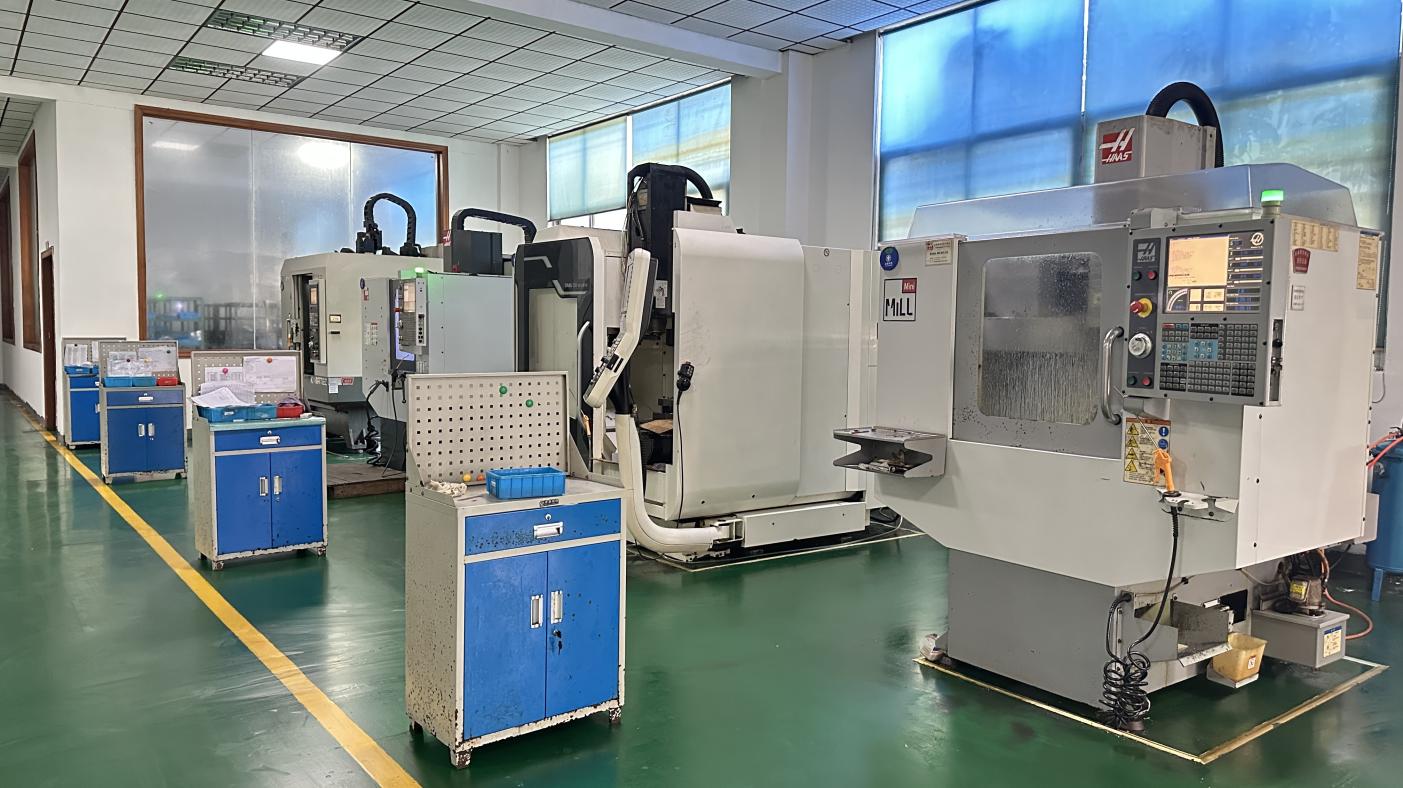
Precision CNC Centers
High-speed milling of high-grade circular titanium & stainless alloy external fixator ring plates.

Optical Projector Inspection
Sub-micron dimensional analysis ensuring thread pitch and ring aperture tolerances match blueprint specs.

Axial & Tensile Testing
Verification of yield and ultimate tensile thresholds under multi-kiloNewton loads per ISO/ASTM.

Permanent Laser Marking
Complete traceability identification applied directly to all rings, struts, and fixation clamps.
Frequently Asked Questions by Orthopaedic Buyers in Vaduz
Key regulatory, logistical, and technical questions answered for clinic directors, biomedical engineers, and surgical procurement specialists in Liechtenstein.
