Integrated Orthopedic Implant & OR Tool Catalog
Precision-engineered hardware platforms manufactured under strict tolerances, supporting complete orthopedic trauma workflows for UK procurement channels.

Medical Electric Orthopedic Sternum Drill & Saw System
Autoclavable high-torque motor drive with balanced ergonomic chassis for heavy reaming and osteotomy maneuvers.

Small Fragment Orthopedic Upper Limb Instrument Kit
Medical-grade stainless instrumentation including torque limiters, drill sleeves, reduction clamps, and sterilizable cases.

PVC Separated Human Skull Anatomical Teaching Model
Precision cast bio-teaching model for biomechanical planning, surgical skill laboratories, and registrar technique validation.

Orthopedic Instruments Ringent Rod Coupling Fixator
Multi-pin clamping module designed for damage-control orthopedics, non-union stabilization, and polytrauma bridging.

3-Part Muscular Skull Skeleton Diagnostic Training Unit
High-fidelity anatomical specimen display for trauma surgeons, biomechanical study, and registrar clinical tutorials.

Stainless Steel Precision Surgical Tool Enclosure Case
Perforated passivated stainless enclosure engineered for rapid steam penetration, CSSD tracking, and impact resistance.

High-Speed Surgical Turbine Handpiece Drive Module
Pneumatic and electric balanced micro-surgical motor handpiece delivering clean, vibration-free osteotomy margins.
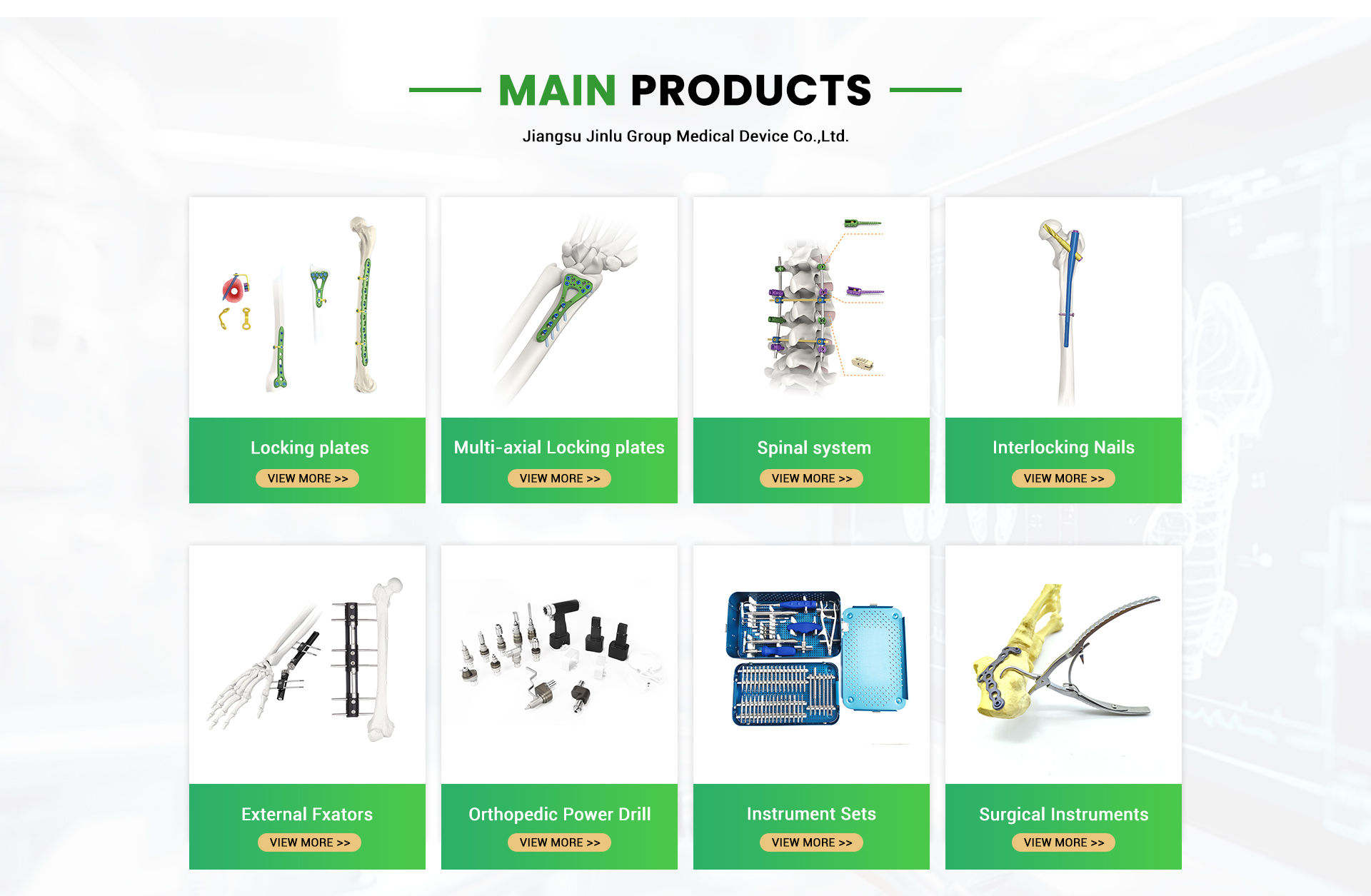
Antegrade/Retrograde Cannulated Femoral Nail Set
High-fatigue Ti-6Al-4V ELI femoral locking nail with multi-planar distal targeting jig and matched instrumentation.
Engineering Biocompatibility & Mechanical Integrity for the NHS Supply Chain
The operational landscape for orthopedic trauma implants within the United Kingdom has undergone fundamental restructuring. With the transition from MDD 93/42/EEC toward the strict mandates of the UK Medical Devices Regulations (UK MDR 2002) and the parallel integration of EU MDR (2017/745) protocols across cross-border distribution channels, National Health Service (NHS) trusts and private healthcare consortia require uncompromising compliance, complete physical metallurgy verification, and resilient supply lines.
Intramedullary (IM) femoral nailing represents the gold standard for stabilizing subtrochanteric, diaphyseal, and supracondylar femoral fractures. However, the mechanical demands within clinical settings require advanced manufacturing controls. As an established medical device manufacturer with over 27 years of dedicated orthopedic machining heritage, Jiangsu GMV Medical Device Co., Ltd. addresses the core challenges faced by UK orthopedic distributors: mitigating proximal fatigue failure, matching anatomical bow radii (ROC), and maintaining cleanroom-packaged inventory with verifiable traceability.
Localized UK Clinical Application Scenarios
Femoral nail deployments across UK Major Trauma Centres (MTCs) and district general hospitals fall into three distinct surgical regimes, each demanding distinct structural tolerances:
1. Polytrauma & Damage Control Orthopedics (DCO): Immediate emergency reamed or unreamed antegrade instrumentation designed to achieve axial alignment and rotational stability within 24 to 48 hours, reducing systemic inflammatory responses (SIRS) and ARDS risks. Matched radiolucent proximal aiming arms enable swift C-arm fluoroscopy verification without visual interference.
2. Geriatric Pathological & Subtrochanteric Fractures: High-stress bending moments require cephalomedullary constructs featuring integrated reconstruction screws or helical blades. Dynamic and static proximal locking configurations dissipate stress shielding while preventing femoral neck cut-out in weak trabecular bone.
3. Retrograde Femoral Stabilization in Periprosthetic Scenarios: Supracondylar femoral fractures occurring above total knee arthroplasty (TKA) implants. Retrograde nail entries bypass existing femoral prostheses, necessitating distal cannulated locking screws that fit through tightly configured multi-planar holes.
Metallurgical Compliance Matrix: Titanium Ti-6Al-4V ELI vs. Surgical 316L
| Evaluation Parameter | Ti-6Al-4V ELI (ISO 5832-3 / ASTM F136) | Medical Grade 316L (ISO 5832-1 / ASTM F138) | UK Clinical Relevance |
|---|---|---|---|
| Elastic Modulus (GPa) | 110 – 114 GPa | 190 – 205 GPa | Titanium reduces stress shielding, fostering early periosteal callus formation. |
| Yield Strength (MPa) | ≥ 795 MPa | ≥ 690 MPa | Resists static plastic deformation under high weight-bearing conditions. |
| Fatigue Resistance | Exceptional (High cyclic threshold) | Moderate (Prone to fretting micro-cracks) | Essential for non-union or delayed union situations spanning > 9 months. |
| MRI Diagnostic Clarity | Minimal susceptibility artifact | Moderate to severe MRI blooming | Facilitates post-operative soft-tissue MRI evaluations in UK diagnostic suites. |
| Surface Passivation | Type II Anodization (Bio-inert) | Electropolished Chromium Oxide passive layer | Superior corrosion barrier against physiological saline and body fluids. |
UK Regulatory & Market Dynamics (2025–2030 Trends)
The post-transition medical technology market across England, Scotland, and Wales is defined by regulatory adaptation, centralized procurement through the NHS Supply Chain, and stringent corporate environmental governance:
Regulatory Divergence and Dual Marking: UK market access requires dynamic management of UKCA certification combined with extended recognition of CE marks under EU MDR. Factories exporting to the United Kingdom must execute unified Technical Files (ISO 13485:2016 audited) incorporating clinical evaluation reports (CER) that cross-reference British Orthopaedic Association (BOA) guidelines.
Net Zero NHS Procurement Mandate: The NHS Greener Programme has transformed tender scoring. Suppliers are systematically audited on carbon reduction roadmaps, recyclable surgical instrument containment systems, reduction of single-use blister plastics, and sea freight vs. air freight logistics optimization.
Streamlined Sterile Service Departments (CSSD): Due to staffing and operational challenges in NHS sterile processing units, British hospital trusts are migrating toward modular, unified instrumentation trays. An intramedullary system that features one set of extraction tools, unified drivers, and interchangeable aiming arms for both left and right anatomies significantly lowers autoclave cycles, turnaround times, and intraoperative errors.
Why OEM/ODM Partners & UK Importers Rely on GMV Medical
Direct-from-manufacturer precision engineering, third-party verified QA systems, and full-chain CNC automation in Jinfeng Town, Suzhou.
TÜV Rheinland Verified
Our facility, production capacity, cleanrooms, and testing protocols have undergone independent, rigorous on-site inspection by TÜV Rheinland, providing transparent operational evidence for overseas procurement qualification.
Multi-Axis Swiss Machining
Equipped with automated sliding-head CNC lathes and machining centers that mill cannulated drill pathways, multi-lead thread geometries, and anatomical bow profiles to micrometer-level precision.
Complete In-House QA Testing
Our on-site physical chemistry and mechanical laboratory features universal tensile testing, Vickers hardness testing, optical profile projection, and cyclic fatigue simulation to protect against lot defects.
Custom OEM/ODM Engineering
Convert proprietary engineering drawings or clinical requirements into market-ready CE/UKCA compliant instruments. We provide customized laser marking, private label packaging, and custom instrument layouts.
16-Language Global Export Desk
Our international trade department offers expert logistics assistance across UK and European entry ports, handling DDP shipping documentation, freight insurance, customs clearances, and technical dossier delivery.
Rigorous Batch Traceability
Laser etched with 2D DataMatrix and human-readable serialization directly on the proximal nail top, connecting raw titanium mill certificates to final packaging labels for effortless hospital traceability.
Certified Manufacturing Infrastructure & Quality Control Hub
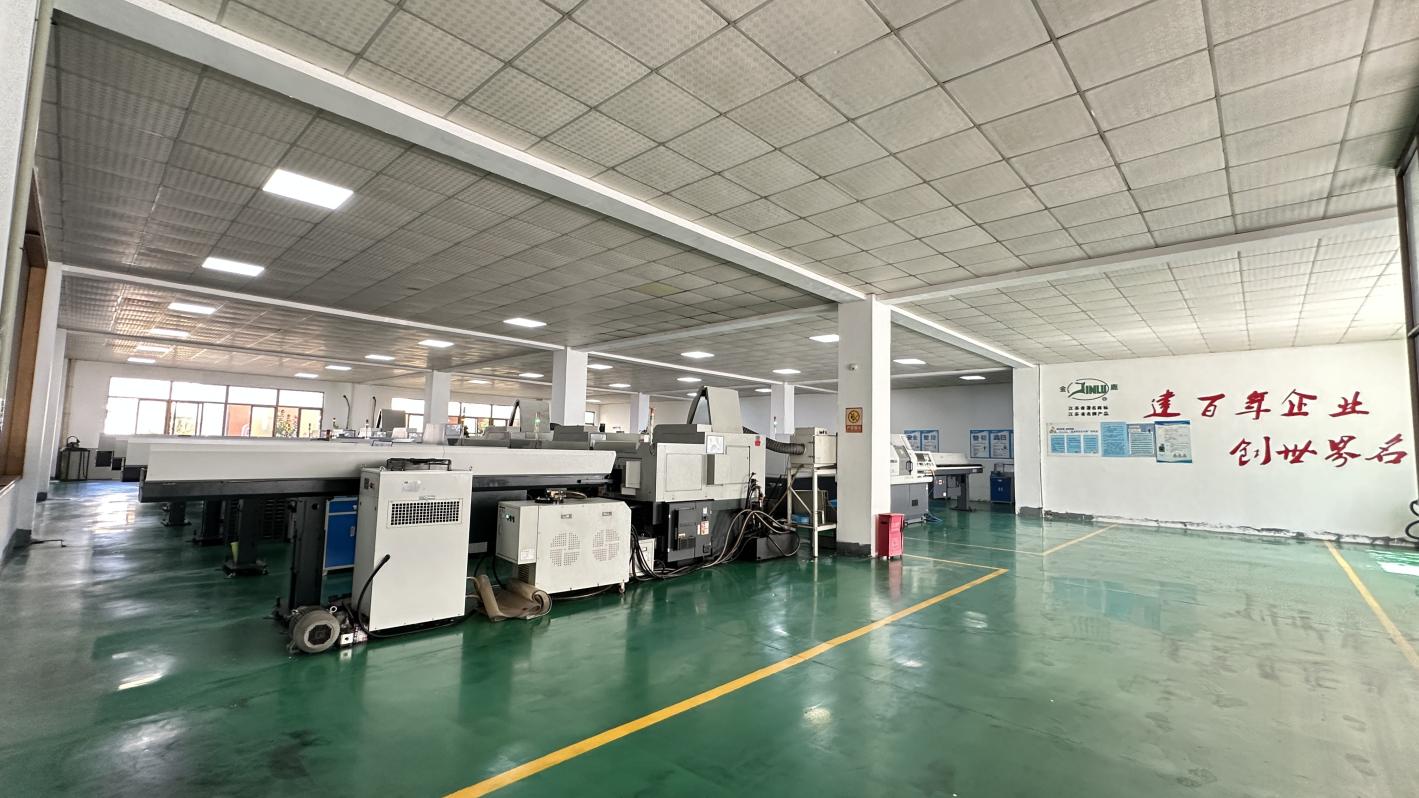 Suzhou Production Center
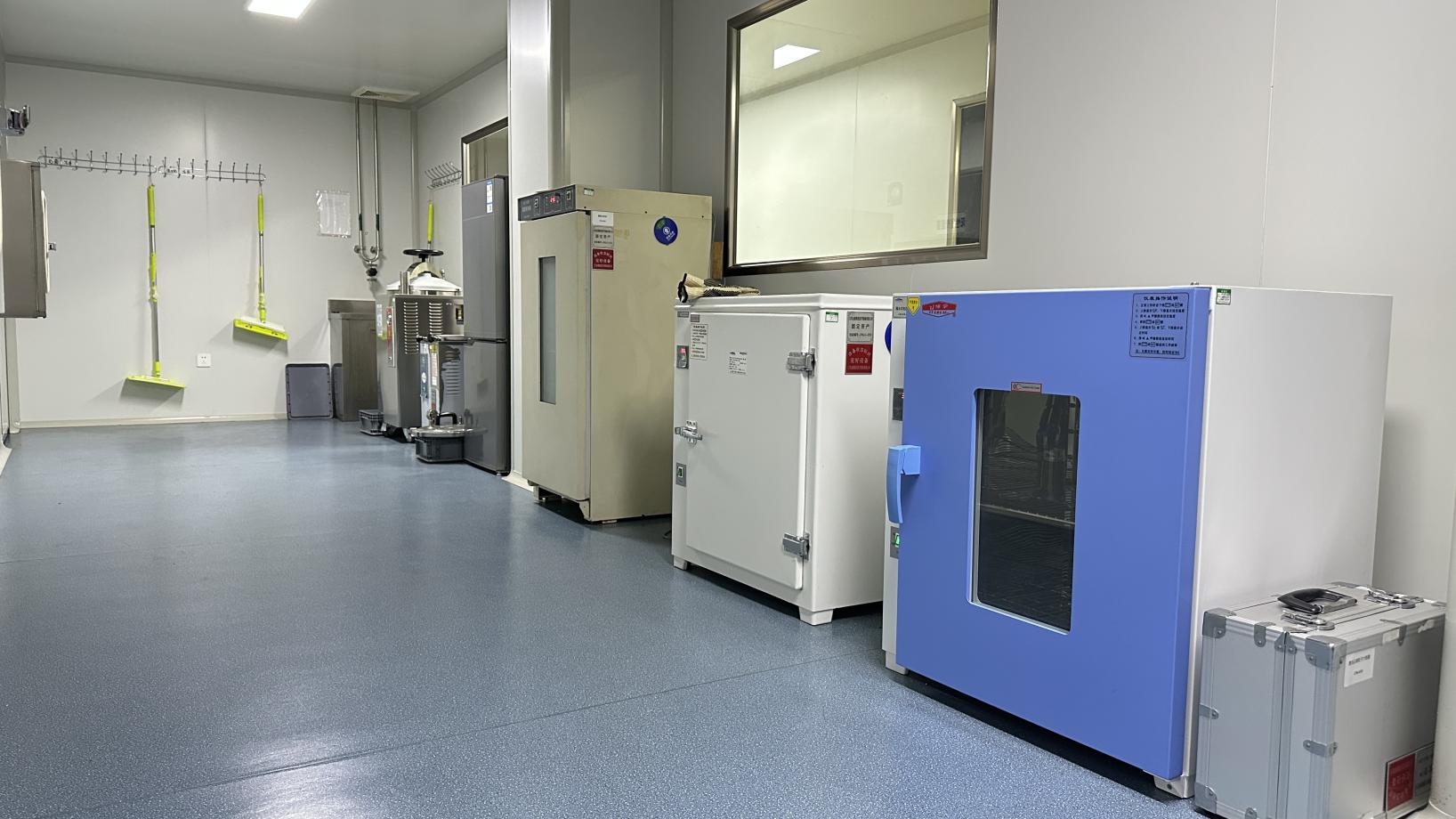 High-Precision CNC Shop
 UDI Laser Identification
 On-Site Mechanical QA Lab
Frequently Asked Questions by UK Buyers & Distributors
Key considerations regarding UKCA certification, NHS framework tenders, material verification, and order logistics.
How does GMV Medical address UKCA and EU MDR requirements for orthopedic implants?
What material test documentation is delivered with femoral intramedullary nail batches?
Can we commission customized femoral nail geometries and private labeled instrument kits?
How do you support on-site audits and supply chain inspections from the UK?
What are the standard production lead times and shipping terms for delivery to the UK?
Establish Your Direct Factory Orthopedic Partnership
Connect directly with GMV Medical’s technical directorate. Review production capability reports, assess OEM/ODM pricing, and request certified product catalogs tailored for United Kingdom tender submissions.
