
27+ Years
Orthopedic Manufacturing
121 Staff
Skilled Technical Crew
20 Years
Export Excellence
TÜV Verified
On-Site Factory Audit
System-Matched Inventory
Standard & Extended Surgical Systems for Hospital Procurement
Providing standardized interlocking nails, precision surgical power saws, modular instrumentation sets, and anatomical models tailored to primary operating theatres.
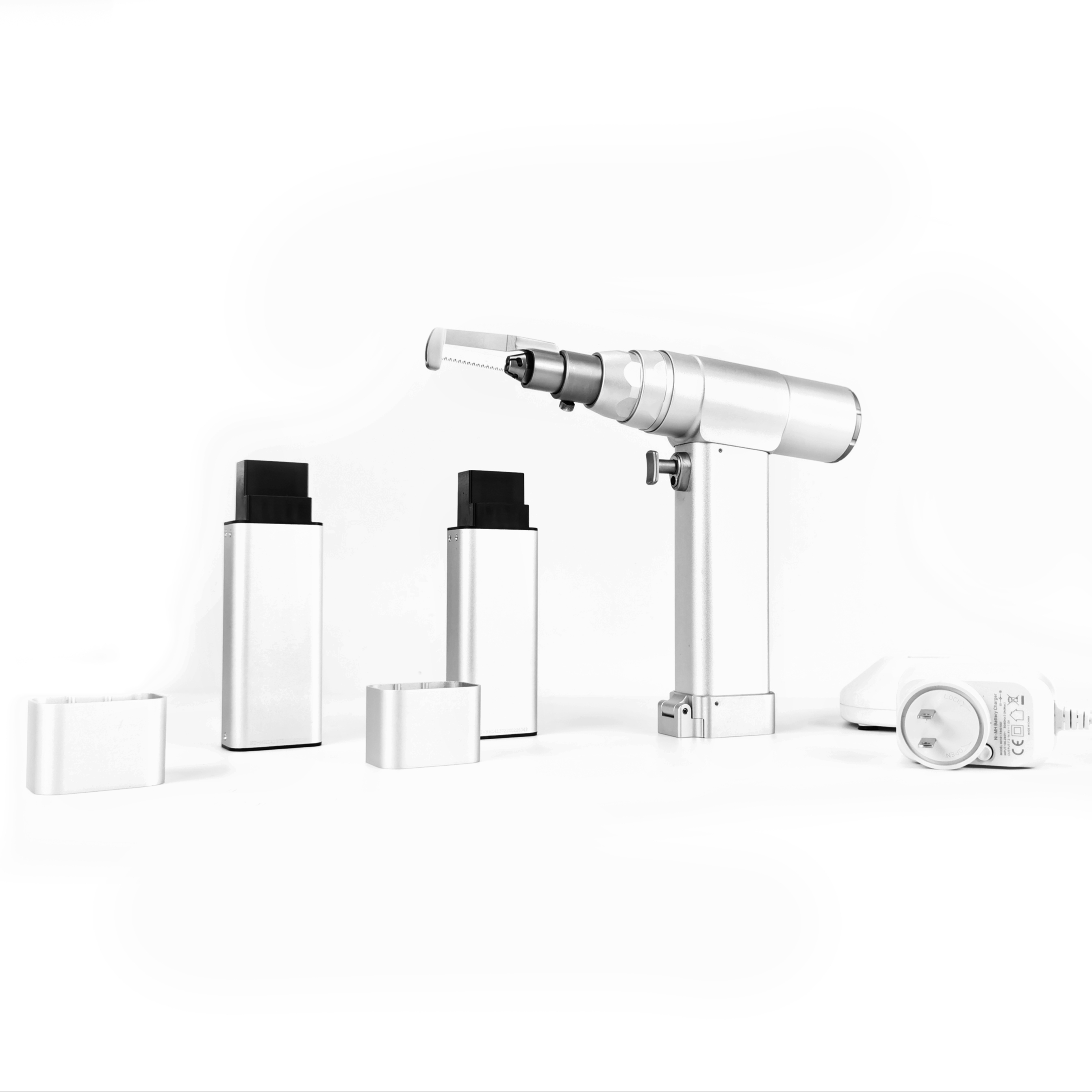
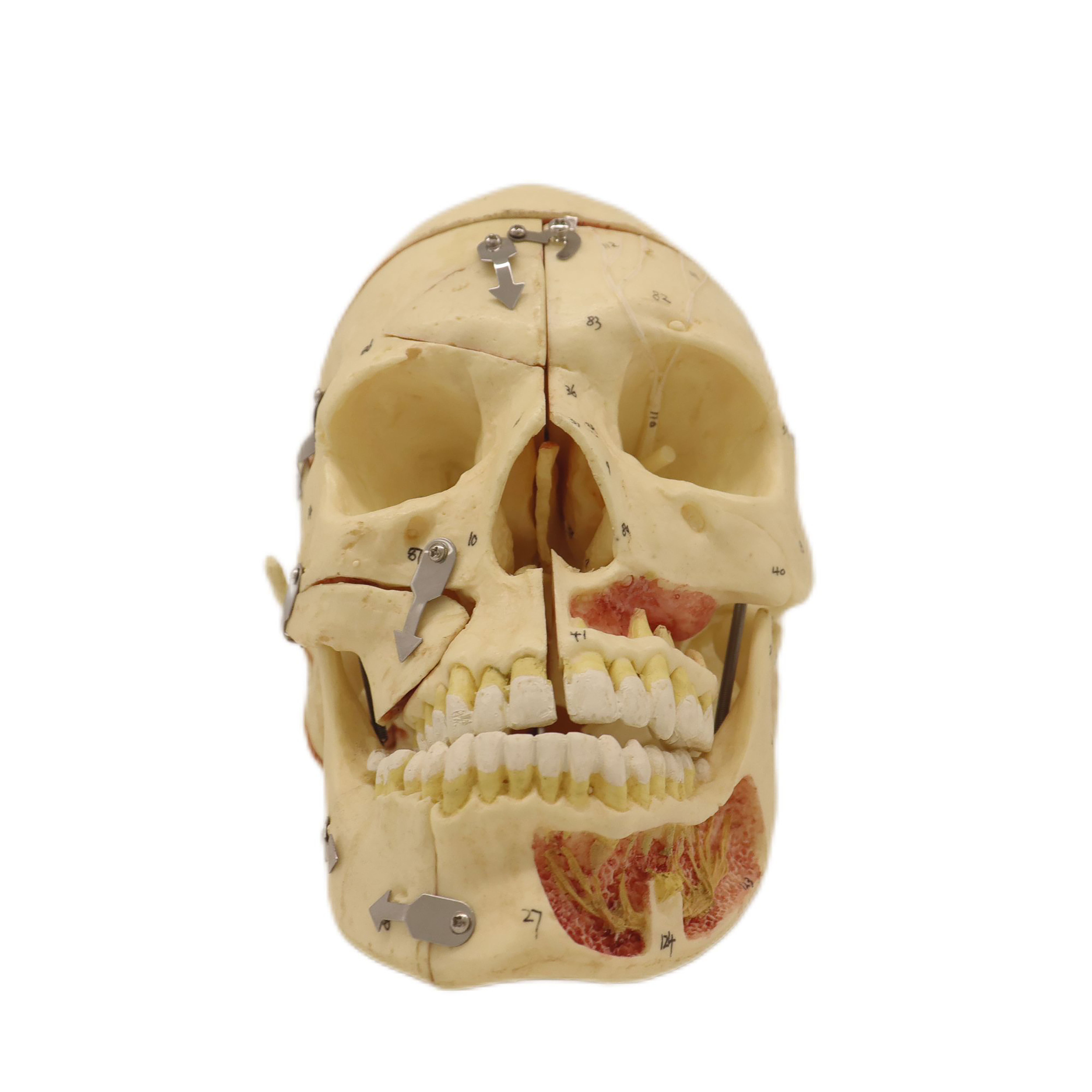
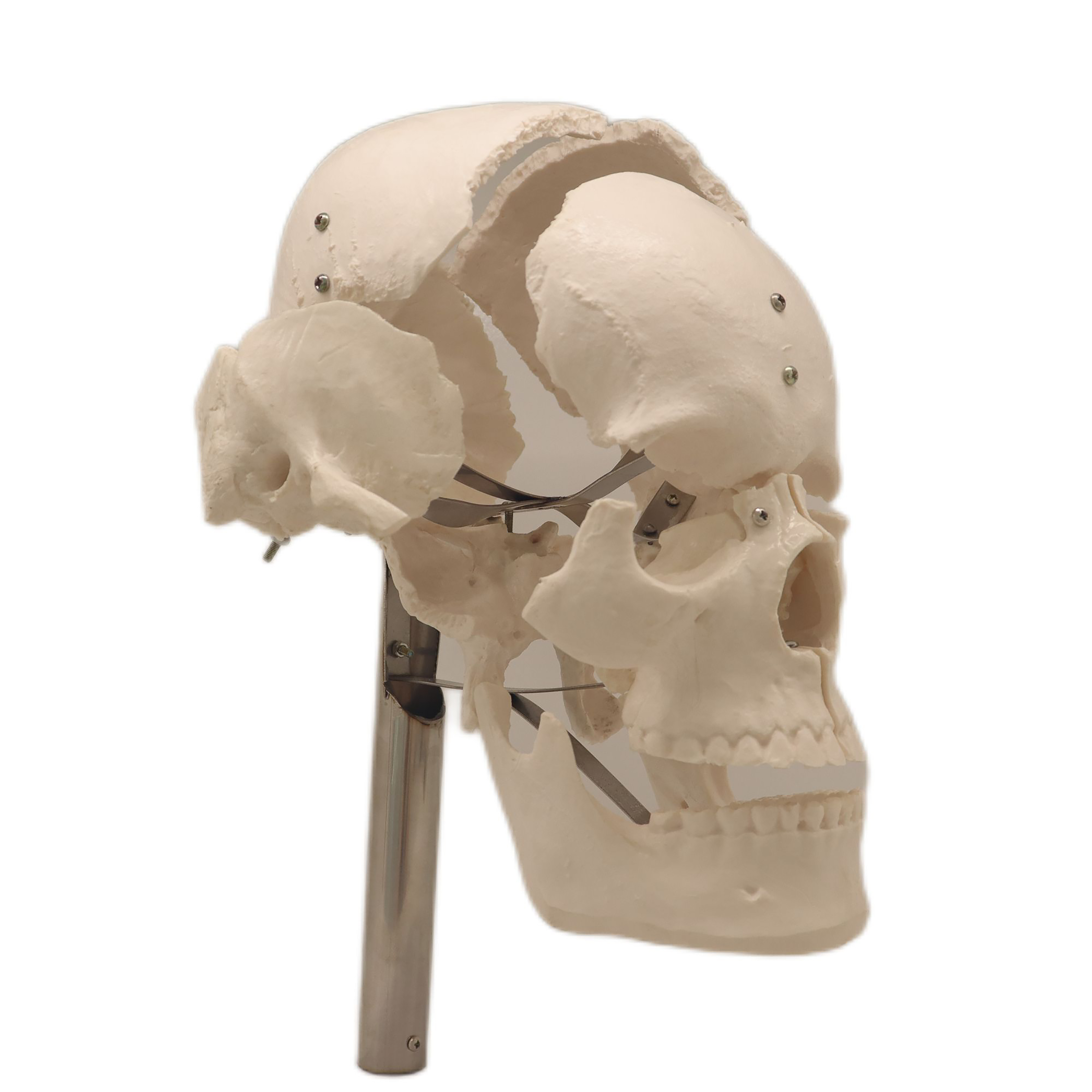
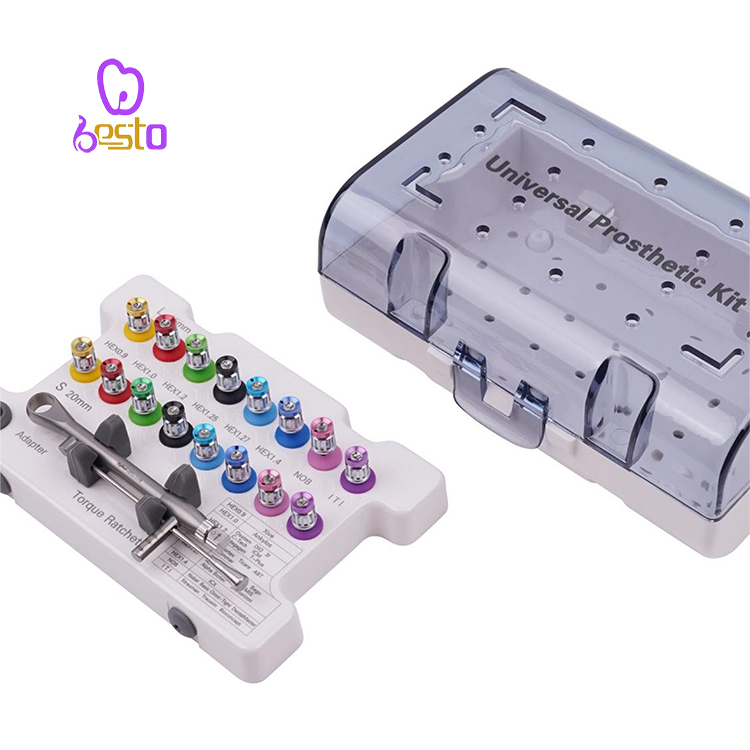
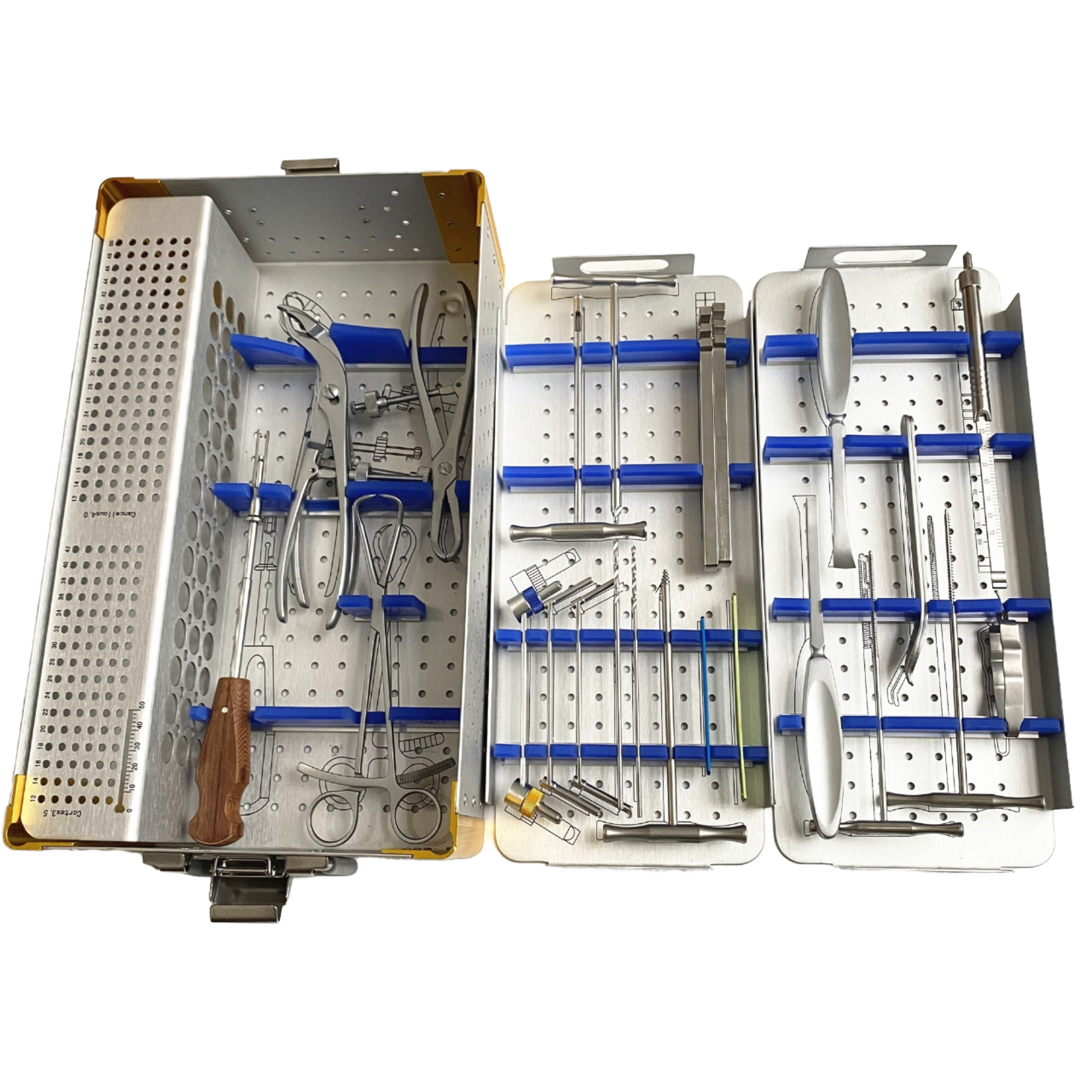
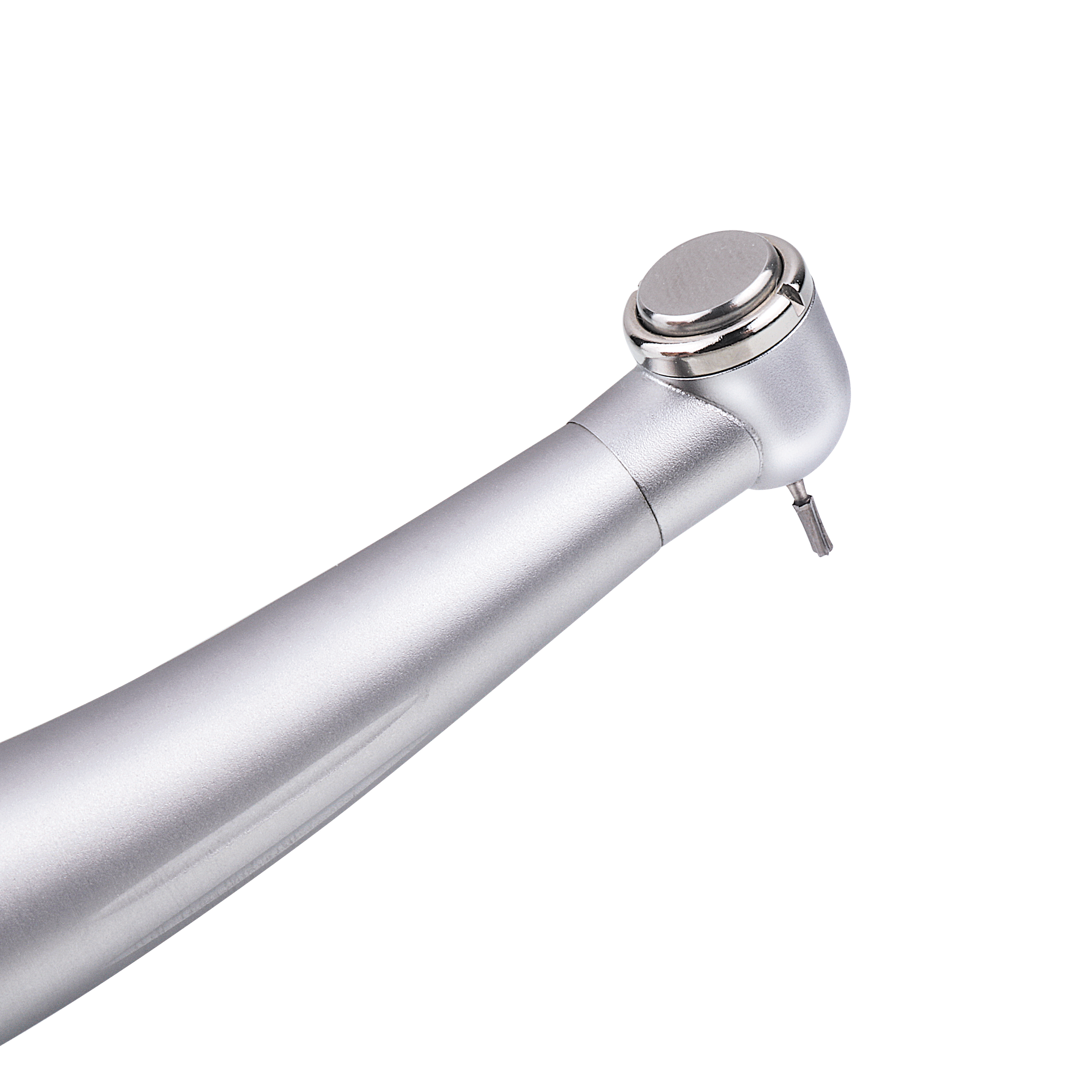
Multi-Axial Humeral Interlocking Intramedullary Nail Titanium Trauma Assembly
Clinical Biomechanics & Engineering
Biomechanics of Modern Humeral Intramedullary Nailing
Managing diaphyseal and metaphyseal fractures of the humerus requires an implant system capable of neutralizing multidirectional forces while protecting vulnerable soft tissues. In regions like Suai and the greater Cova Lima Municipality, high-energy transport injuries combined with complex occupational physical trauma produce a clinical picture dominated by comminuted, spiral, and unstable oblique humeral fractures. The GMV Interlocking Humeral Nail System is engineered to address these demanding configurations by prioritizing load-sharing biomechanics and minimally invasive surgical entry.
Unlike conventional open reduction with dynamic compression or locking compression plates, closed or mini-open intramedullary nailing significantly limits periosteal stripping, preserving fracture hematoma and vital endosteal blood supply. Our humeral nails feature an engineered proximal Herzog bend and an anatomical circular radius of curvature that matches the natural intramedullary canal architecture. Available in both Ti-6Al-4V ELI (ASTM F136) titanium alloy and implant-grade 316L medical stainless steel (ASTM F138), the nails provide an elastic modulus closer to cortical bone, significantly lowering stress-shielding risks while resisting torsion, rotational shear, and axial displacement.
Proximal multi-planar screw locking configurations allow rigid fixation of proximal humeral 2-part and select 3-part fractures, providing strong anchor holds even in osteoporotic bone beds. Distally, both anteroposterior (AP) and lateral targeting trajectories provide surgeons with intraoperative flexibility, ensuring stability while avoiding the course of the radial nerve—a frequent source of iatrogenic complication in standard open humerus plating.
| Feature / Dimension | Titanium Alloy Line (Ti-6Al-4V ELI) | Medical Stainless Steel Line (316L) | Clinical / Surgical Benefit |
|---|---|---|---|
| Diameter Range | Ø 6.7mm, 7.0mm, 8.0mm, 9.0mm | Ø 7.0mm, 8.0mm, 9.0mm | Adaptable for narrow, unreamed or reamed canals |
| Length Increments | 180mm – 320mm (10mm or 20mm steps) | 200mm – 320mm (20mm steps) | Full anatomical length coverage from entry to supracondylar zone |
| Insertion Trajectory | Antegrade (Rotator Cuff) & Retrograde | Antegrade & Retrograde Configurable | Minimizes shoulder joint disruption or elbow stiffness based on trauma level |
| Proximal Locking Mechanism | Multi-axial convergent threaded locking | Standard transverse / oblique locking | Provides angular stability against rotational cut-out in soft bone |
| Surface Passivation | Electrochemical anodization (Type II) | High-precision mechanical & chemical polish | Minimizes ion release and enhances biocompatibility profile |
Regional Clinical Applications
Localized Trauma Landscape in Suai & South-Coast Timor-Leste
Tailoring trauma hardware and delivery to regional municipal referral facilities, rural road networks, and tropical operating conditions.
High-Velocity Road Trauma
Motorbike transport across unpaved municipal corridors frequently results in severe comminuted midshaft fractures. Closed intramedullary nailing ensures rapid anatomical realignment without wide surgical exposure, diminishing local wound infection rates.
Rural Municipal Referral Realities
Centres like Suai Referral Hospital face equipment limitations and extended evacuation routes to Dili. Our nails employ intuitive carbon-fiber radiolucent aiming jigs, streamlining distal locking under mobile fluoroscopy with minimal set conversion.
Delayed Presentation & Nonunion
Patients presenting weeks post-injury with hypertrophic nonunion or pseudarthrosis benefit from rigid intramedullary stabilization combined with compression reaming, stimulating robust callus formation without grafting.
Strategic Outlook
Emerging Trends in Upper-Limb Trauma Management across Timor-Leste
The surgical landscape across Timor-Leste is transitioning from traditional splinting and conservative immobilization toward advanced, minimally invasive internal fixation. In the Southern health corridor anchored by Suai, three structural shifts are defining the future of orthopedic device adoption:
Universal System Rationalization
Hospitals are demanding streamlined instrument trays where a single upper-limb instrument container supports antegrade and retrograde nailing alongside small-fragment supplementary screws, directly lowering CSSD turnover times.
Radiation-Reduction Targeting
Because peripheral hospital facilities manage constrained fluoroscopy resources, demand is surging for mechanical distal guide arms with tight-tolerance drill sleeves that achieve lock without repetitive X-ray exposures.
Tropicalized Sterile Barrier Packs
Extreme maritime humidity requires double-barrier sterile Tyvek blister packaging with chemical indicator seals, allowing multi-year shelf stability without sterile field compromises in remote storage depots.
Direct Factory Infrastructure
Verified Manufacturing Capabilities: Jiangsu GMV Medical
Operating an integrated medical manufacturing center in Jinfeng Town, Suzhou, China. Evaluated on-site by TÜV Rheinland for global regulatory and mechanical compliance.
Swiss-Type CNC Turning
Multi-axis automated machining centers control thread depth, lead angles, and locking holes within ±5 microns, guaranteeing consistent screw engagement during surgery.
Independent QA/QC Testing
In-house optical projectors, digital hardness testers, and calibrated tensile testing benches verify mechanical fatigue resistance batch by batch prior to export documentation.
Full Material Traceability
Every batch originates from certified medical titanium and 316L bar stock, cross-referenced with mill certificates and marked with individual laser lot numbers.
OEM / ODM Flexibility
Full-scale engineering capacity supporting hospital brand customization, customized packaging configurations, and custom pitch or length variants.
End-to-End Export & Regulatory Services
Our multilingual export division manages direct CIF/FOB shipments, import registrations, complete COA dossiers, and on-site factory audits via video or physical visit to Suzhou.
Procurement Inquiries
Frequently Asked Questions: Purchasing Humeral Nails for Suai
Direct technical answers addressing registration, transport logistics, material selection, and surgical tray configurations.
What regulatory certificates and test reports accompany humeral nail consignments to Suai? +
Every shipment arrives with mill material certifications (Ti-6Al-4V ELI or 316L), factory batch release inspections, dimensional projector reports, and sterilization validation documentation where applicable. Our factory is assessed on-site by TÜV Rheinland, and we assist distributors with import registration dossiers required by national health procurement boards.
Can a single instrument container support both antegrade and retrograde insertion? +
Yes. GMV manufactures universal modular instrument kits that house dedicated proximal aiming guides for both rotator cuff (antegrade) entry and distal triceps (retrograde) entry within a single autoclavable tray. This configuration minimizes inventory costs and simplifies theater preparation for hospital teams.
Should procurement choose Titanium Alloy or Stainless Steel implants for municipal tenders? +
Titanium Alloy (Ti-6Al-4V ELI) is recommended for complex clinical indications, offering superior MRI/CT compatibility and an elastic modulus closer to natural human bone. For price-sensitive tenders and standard diaphyseal fracture management, our medical-grade 316L stainless steel nails provide robust mechanical rigidity at an economical cost.
How does Jiangsu GMV Medical mitigate transit risk and delivery timelines to Timor-Leste? +
Consignments are packed in impact-resistant, humidity-sealed industrial cartons with individual moisture-absorbing packs. Air freight options through Dili typically arrive within 7 to 10 working days, while sea freight via regional container lines is coordinated with verified shipping agents to ensure smooth customs clearance.
What OEM branding options are available for local medical supply distributors? +
We provide precision laser marking on all implants and tools, displaying your registered brand name, product code, and unique lot numbers. In addition, we offer customized graphic manuals, product boxes, and sterile packaging options tailored to your local marketing strategy.
Equip Your Hospital Network with Certified Trauma Systems
Request our technical catalogs, surgical technique guides, and competitive factory-direct pricing for humeral nails, external fixators, and orthopedic power tools.
