High-Precision Orthopedic & Surgical Portfolio
Manufactured under ISO 13485:2016 and verified by TÜV Rheinland. Directly accessible for orthopedic surgical tenders, hospital distribution chains, and specialized clinics across Brussels, Flanders, and Wallonia.

Lab Teaching Models Separated Human Skull Model of PVC
High-precision anatomical PVC bone structure model for orthopedic surgical simulations, anatomical pathology teaching, and hospital residency programs.

Lab Teaching Models 3 Parts Human Muscular Skull Model
Detailed articulation mapping depicting structural musculoskeletal insertion points, ideal for sports medicine clinic demonstrations and orthopedic laboratories.

Small Fragment Orthopedic Upper Limb Instrument Kit
Comprehensive stainless steel instrument system equipped for precise osteotomy reduction, periarticular stabilization, and trauma repair in operating theaters.

High-Speed Surgical Repair Handpiece Turbine System
Micro-machined high-torque turbine handpiece designed for surgical burring, micro-drilling, and delicate hard-tissue shaping under strict sterility protocols.

Orthopedic External Fixator Ringent Rod Coupling
Ultra-rigid mechanical rod-to-rod dynamic coupling clamp for modular limb lengthening, severe complex fracture stabilization, and reconstructive trauma frames.

Surgical Tool Box Steel Construction Case
Heavy-duty autoclavable surgical containment enclosure engineered for high-temperature steam sterilization cycles (134°C) in central hospital CSSD departments.

Electric Sternum Drill & Oscillating Bone Saw System
Medical-grade electric motorized oscillating saw offering ergonomic handling, rapid blade changeover, low thermal necrosis generation, and long-life lithium battery power.
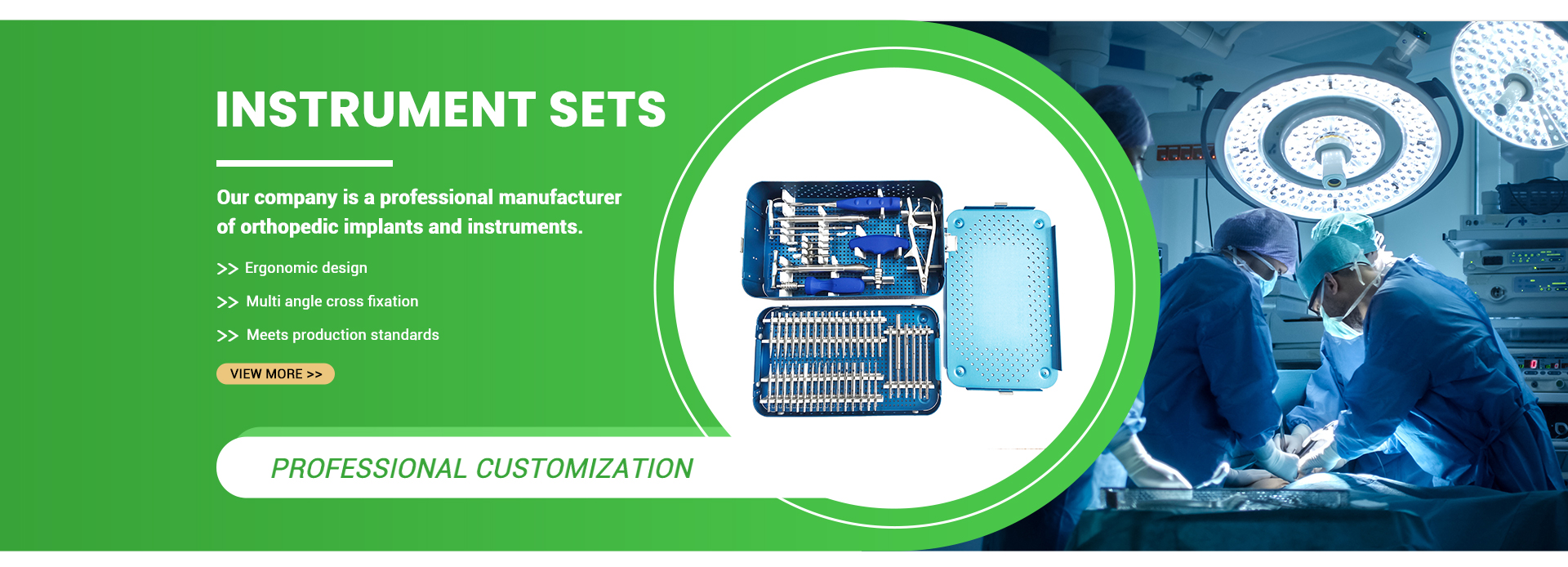
All-Inside Meniscal Suture Repair System Kit
Pre-loaded low-profile PEEK anchors, ultra-high-molecular-weight polyethylene (UHMWPE) non-absorbable sutures, and graduated delivery needles for sports knee preservation.
Engineering Standards for Meniscal Preservation & Repair Systems
A rigorous examination of meniscal biomechanics, suture anchor geometry, tensile strength degradation, and surgical kinematic restoration in modern sports medicine.
Biomechanical Imperatives: The Shift from Partial Meniscectomy to Complete Anatomical Salvage
The meniscus plays an indispensable mechanical role in load transmission, shock absorption, articular cartilage lubrication, and rotational joint stability within the tibiofemoral complex. In healthy adult knees, the medial and lateral menisci transmit between 50% and 70% of the joint's compressive forces across the planar plateau. Biomechanical studies across European orthopaedic academies have conclusively demonstrated that even a 20% to 30% partial resection of the posterior horn or peripheral meniscal rim increases contact stress on articular cartilage by over 350%, initiating progressive osteoarthritis, subchondral bone remodeling, and chondral wear.
Modern sports knee surgeons throughout Belgium—from large university research hubs such as UZ Leuven and CHU de Liège to dedicated private ambulatory clinics in Antwerp and Ghent—now prioritize primary anatomical salvage. For surgical repair systems serving this clinical standard, mechanical requirements are uncompromising. Implants must withstand cyclic hydraulic pressures, shear strains, and early rehabilitation load variations without anchor migration, suture slipping, or catastrophic tissue cutout in the avascular white-white or semi-vascular red-white zones.
"To satisfy the clinical efficacy demands of Western European knee arthroscopy, modern meniscal repair hardware must demonstrate pull-out forces exceeding 140 N, elongation displacement under 1.5 mm after 1,000 load cycles at 5–20 N, and absolute biocompatibility conforming to ISO 10993 cytotoxicity and hemocompatibility benchmarks."
Jiangsu GMV Medical Device Co., Ltd. engineers its arthroscopic meniscal repair implants to fulfill these exact kinematic profiles. By pairing medical-grade Polyether ether ketone (PEEK-OPTIMA® equivalent) low-profile cortical anchors with ultra-high-molecular-weight polyethylene (UHMWPE) braided composite suture tapes, our implants achieve structural stiffness comparable to native meniscal fascicles while minimizing the intra-articular profile to eliminate post-operative chondral abrasion.
All-Inside Low Profile Anchors
Engineered with sub-millimeter radiused edges and micro-textured stabilization ridges. The miniature PEEK implants anchor securely against the extra-capsular popliteal junction without neurovascular compromise or tissue shearing.
UHMWPE Suture Loop Integrity
Braided from ultra-high-molecular-weight polyethylene fibers, offering superior tensile load resistance compared to traditional polyester or braided silk. Pre-tied sliding slipknots maintain physiological compression throughout cyclic knee flexion.
Ergonomic Delivery Needles
Machined from surgical 304/316L medical stainless steel with customized pre-bent curves (straight, 12° up-curve, 25° curved tip, and reverse curves). Allows effortless navigation through tight posterior compartments without scuffing the femoral condyle.
Belgian Orthopedic Landscape: Consolidation, Ambulatory Surgery & Reimbursement
Critical strategic context for hospital purchasing groups, tender committees, and surgical device distributors operating under RIZIV/INAMI and FAMHP frameworks.
The 25 Belgian Hospital Networks & Centralized Procurement Synergies
The healthcare infrastructure in Belgium has undergone a structural reorganization following the federal hospital network reform. General and university hospitals across the Kingdom are consolidated into 25 locoregional hospital networks (13 in Flanders, 8 in Wallonia, and 4 in the Brussels-Capital Region). This network architecture directly impacts medical device procurement: rather than isolated single-hospital bids, tender negotiations are increasingly conducted through centralized procurement committees (aankoopcentrales / centrales d'achat).
For high-volume consumables and specialty orthopedic implants such as meniscal repair systems, these regional consortiums demand three baseline commercial requirements:
- Strict Regulatory Compliance: Seamless adherence to EU MDR 2017/745, verifiable technical documentation, and valid CE certification under an EU-recognized Notified Body.
- Economic Predictability within RIZIV/INAMI Nomenclature: The Belgian National Institute for Health and Disability Insurance (RIZIV/INAMI) enforces strict reimbursement ceilings for arthroscopic implant materials (Art. 35 reimbursement codes). Suppliers must provide transparent FOB or DDP pricing that allows hospital networks to operate comfortably within government fee-for-service tariffs.
- Sterile Single-Use Packaging Traceability: Complete integration of GS1-standard Unique Device Identification (UDI) barcodes for seamless hospital ERP inventory recording and patient digital health records (EPD / DPI).
Transition to Ambulatory Day-Surgery Centers (Dagziekenhuizen / Hôpital de Jour)
In accordance with Belgian Federal Ministry of Health directives aimed at controlling healthcare expenditure, uncomplicated knee arthroscopy and meniscal repairs have transitioned predominantly into ambulatory day-surgery centers. Over 85% of standard meniscal suturing procedures across Flemish and Walloon clinical hubs are completed without overnight hospital admission.
Ambulatory operating theaters require meniscal repair systems that eliminate procedural friction: pre-loaded, pre-sterilized all-inside suture delivery systems with integrated depth limiters (adjustable from 10 mm to 24 mm). This fail-safe engineering prevents iatrogenic puncture of the posterior neurovascular bundle (popliteal artery, vein, and tibial nerve), enabling Belgian surgeons to complete repairs swiftly with zero need for extra-articular posterior counter-incisions.
Technical Comparison: Meniscal Repair Modalities in Belgian Clinical Practice
Evaluating clinical outcomes, operative times, neurovascular risk profiles, and hospital procurement costs.
| Technical Parameter | GMV All-Inside System (PEEK / UHMWPE) | Traditional Inside-Out Suture | Outside-In Cannulated System |
|---|---|---|---|
| Primary Surgical Indication | Posterior & middle body red-red / red-white tears | Middle body & complex radial/bucket-handle tears | Anterior horn tears & anterior-middle junction |
| Operative Duration | 12 - 18 minutes | 35 - 55 minutes | 25 - 40 minutes |
| Posterior Safety Incision | Not Required | Mandatory counter-incision | Minimal local needle stab |
| Mean Peak Pull-Out Force | 145 - 160 N (High initial stiffness) | 130 - 150 N (Dependent on knot technique) | 90 - 120 N |
| Chondral Scuffing Risk | Ultra-Low (Sub-flush knot sink) | Moderate (Suture friction in tight spaces) | Low |
| Cost per Procedure (Tender) | Highly Competitive Factory Direct OEM Pricing | Low consumable cost, High OR time cost | Moderate consumable cost |
| Belgian OR Ergonomics | Ideal for Day Surgery / Ambulatory Arthroscopy | Requires assistant retractor positioning | Suitable for anterior pathology only |
Jiangsu GMV Medical: 27+ Years of Precision Engineering
Headquartered in Suzhou, Jiangsu, our state-of-the-art manufacturing plant integrates Swiss-type CNC precision machining, Class 10,000 cleanroom assembly, and rigorous ISO 13485 quality control.
Why European Orthopedic Distributors Partner Directly with GMV Medical
Operating as a specialized manufacturer and verified global exporter, Jiangsu GMV Medical Device Co., Ltd. eliminates third-party intermediaries, affording Belgian procurement managers direct visibility into raw material tracing, cleanroom batch records, and automated CNC tooling tolerances. Our factory is comprehensively assessed on-site by TÜV Rheinland, one of the world's most exacting third-party inspection bodies.
Our production facilities in Jinfeng Town, Suzhou, house multi-axis CNC machining centers, automated high-speed polishing stations, micro-laser etching platforms, and in-house mechanical testing laboratories equipped with optical coordinate projectors, digital Rockwell/Vickers hardness testers, and multi-station tensile test rigs. Every batch of implantable anchors and surgical handpieces undergoes 100% dimensional and mechanical inspection before entering medical blister sealing.
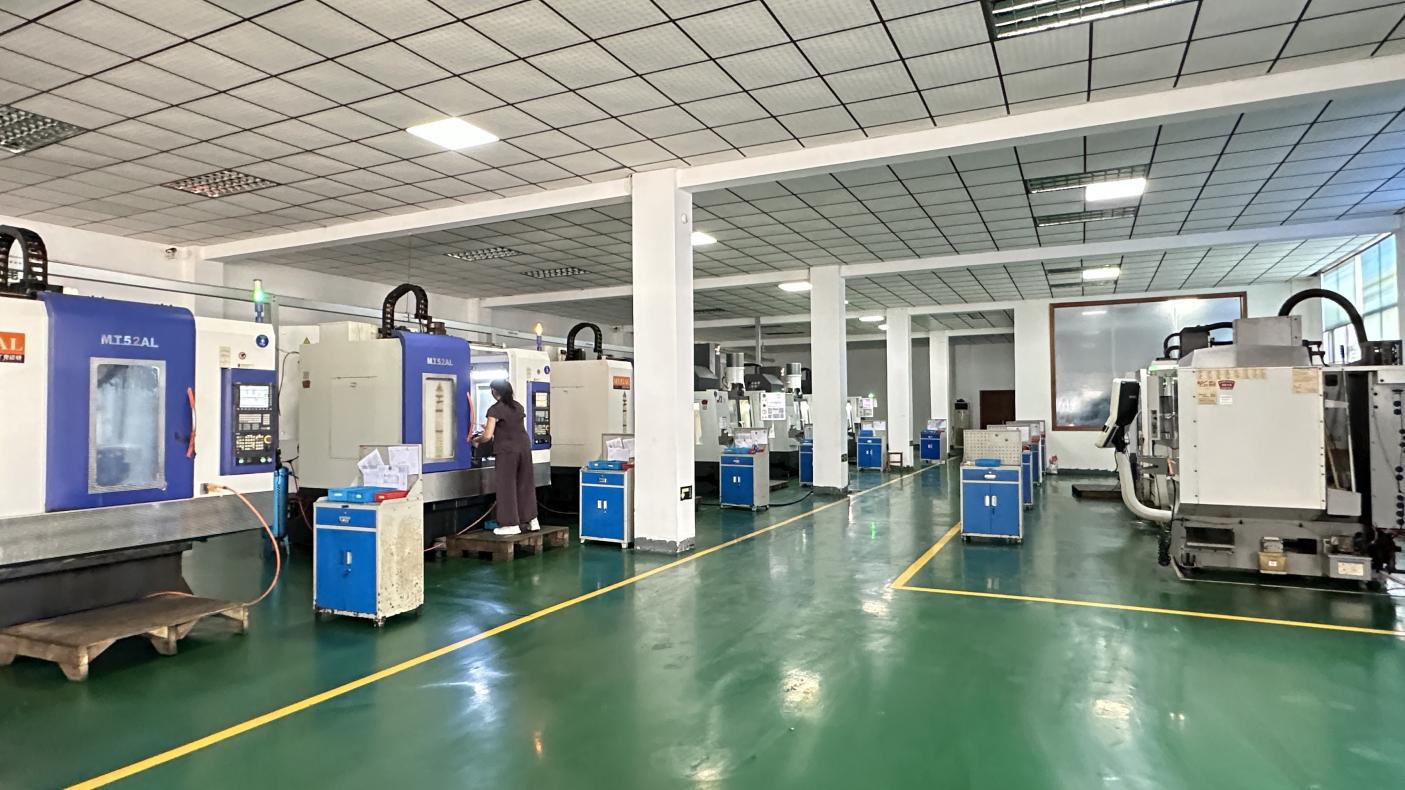
Precision Production Workshop
Temperature-controlled automated manufacturing floor with high-precision CNC equipment for tight medical tolerances.
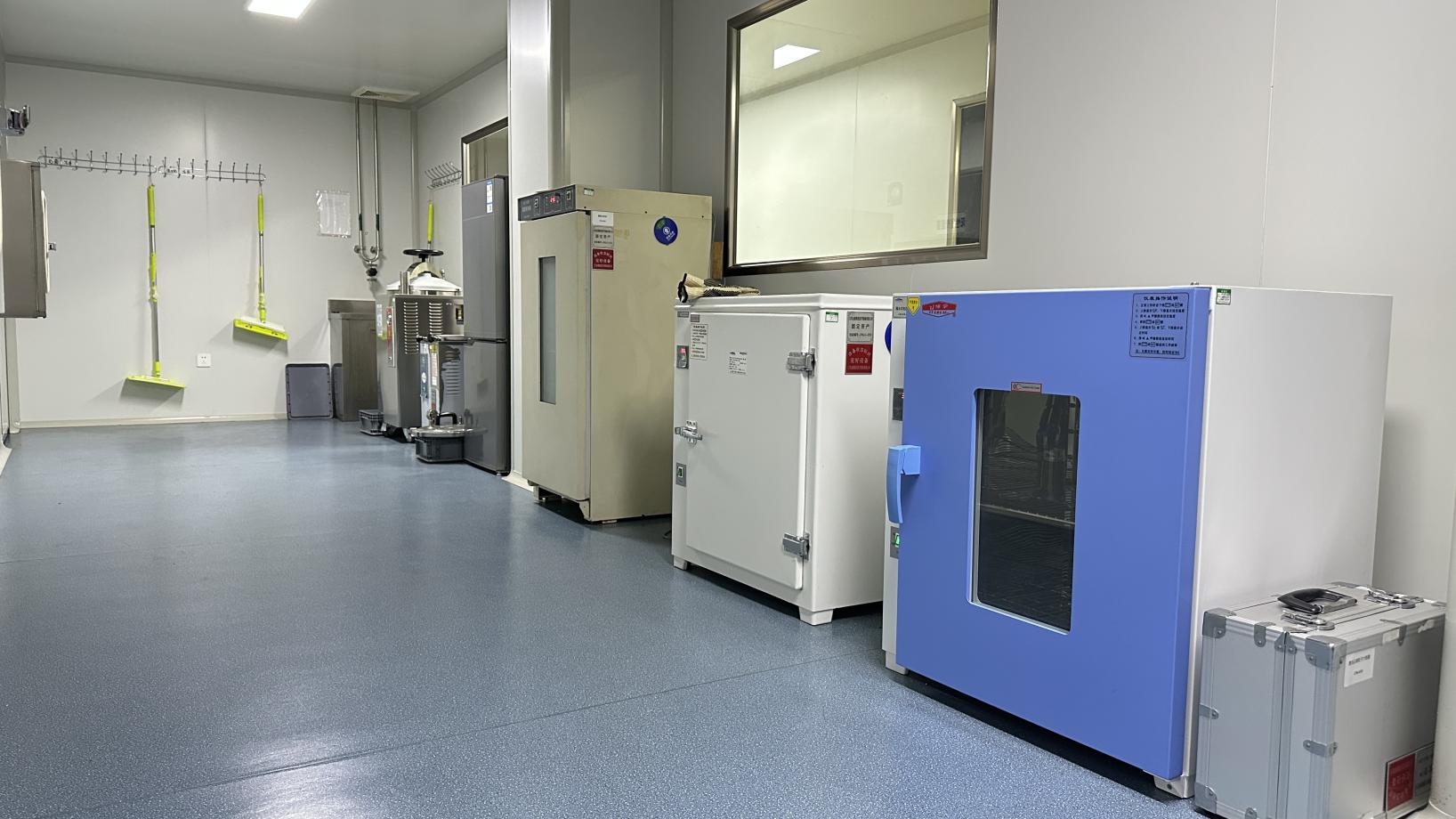
Swiss-Type CNC Machining
Dedicated micro-turning lines crafting biocompatible PEEK meniscal anchors, titanium implants, and stainless bone instruments.

In-House Tensile Testing Lab
Every suture loop, anchor-suture interface, and bone plate construct is validated for ultimate pullout and yield strength.

Optical Projector Inspection
Non-contact digital optical projection ensures exact needle curvature radius, depth bevels, and anchor locking facets.
OEM / ODM Engineering & Private Label Solutions for Belgian Distributors
For established orthopaedic distribution firms across Brussels, Liège, and Antwerp looking to develop bespoke surgical lines, GMV Medical provides turnkey OEM/ODM contract manufacturing. We support 3D CAD modeling, custom laser branding, multilingual blister card printing (compliant with Belgian French and Dutch medical labeling regulations), and customized instrument tray design.
Whether you require unique curve geometry for hip labral anchors or customized needle handle ergonomics with visual deployment feedback for knee arthroscopy, our engineering team converts prototypes into industrial production within accelerated timeframes.
Optimized Logistics Corridor to Brussels, Antwerp & Liège
Robust international supply chain protocols safeguarding continuous stock availability for Belgian hospitals and regional healthcare distributors.
Air Freight via Liège Cargo Hub (LGG)
Liège Airport serves as Europe’s premier air cargo gateway for medical and pharmaceutical freight. Our standard export dispatches clear customs and land at LGG within 4 to 7 business days, enabling rapid hospital replenishment.
Port of Antwerp Maritime Shipments
For large-scale volume orders of stainless steel toolboxes, capital power tools, and external fixator systems, regular sea freight routes from Shanghai directly service the Port of Antwerp with transparent Incoterms (FOB, CIF, DDP).
Full Regulatory Dossier Support
Our regulatory affairs department provides complete Technical Files, Declarations of Conformity, Material Safety Data Sheets (MSDS), and EO Sterilization Validation documentation aligned with Belgian FAMHP (FAGG/AFMPS) requirements.
Frequently Asked Questions: Sourcing Meniscal Repair Systems for Belgium
Clear, authoritative answers to clinical, regulatory, and commercial inquiries from Belgian hospital biomedical departments, surgical distributors, and tender managers.
How do GMV meniscal repair systems comply with EU MDR 2017/745 for use in Belgian hospitals?
Our manufacturing and quality management systems operate under stringent ISO 13485:2016 standards, with facility audits verified on-site by TÜV Rheinland. In full alignment with European Medical Device Regulation (EU) 2017/745 transition guidelines, our technical documentation dossiers encompass biocompatibility reports (ISO 10993 series), biomechanical cyclic fatigue and pullout test data (ASTM F543 and related meniscal anchor standards), risk management files (ISO 14971), and validated ethylene oxide (EO) sterilization cycles conforming to ISO 11135.
For Belgian distributors, we furnish all necessary compliance records to support registration with the Federal Agency for Medicines and Health Products (FAMHP / FAGG / AFMPS) and listing within the EUDAMED database.
Can you provide multilingual packaging compliant with Belgian language regulations (French, Dutch, German)?
Yes. Belgian law mandates that medical devices utilized in patient treatment feature Instructions for Use (IFU) and label warnings in the official language of the operating region (Dutch in Flanders, French in Wallonia, and bilingual Dutch/French in the Brussels-Capital Region; German where applicable). GMV Medical's OEM packaging division provides custom outer carton printing, Tyvek blister lid printing, and IFUs fully translated and verified in Dutch and French to guarantee total regulatory compliance during hospital audits.
How does the All-Inside system's anchor fixation compare to traditional inside-out suturing in clinical studies?
Clinical trials published across European orthopaedic journals demonstrate that contemporary fourth-generation All-Inside systems utilizing PEEK anchors and UHMWPE suture bands achieve initial pull-out loads between 145 N and 160 N, statistically equivalent to vertical mattress inside-out sutures. Crucially, the All-Inside technique drastically minimizes operating theater time by 20 to 35 minutes per procedure and eliminates the requirement for posterior capsular dissection, eliminating risk to the common peroneal nerve laterally and saphenous nerve medially.
What are the minimum order quantities (MOQ) and lead times for shipping to Belgian distribution centers?
For standard stocked configurations (such as pre-loaded all-inside meniscal repair kits, orthopedic instrument sets, and external fixators), our minimum trial order quantities are highly flexible to allow distributor evaluation and surgeon trialing. Production lead times for customized private-label batches typically range from 15 to 30 days. Air express shipments arrive at Brussels (BRU) or Liège (LGG) airports within 5 to 7 days, complete with automated tracking and pre-cleared customs manifests.
Can Belgian hospital procurement syndicates perform a video or on-site audit of the manufacturing facility?
Absolutely. We encourage full transparency and invite procurement directors, clinical engineers, and hospital buying consortium representatives to audit our facility located in Jinfeng Town, Suzhou, Jiangsu, China. For procurement committees unable to travel internationally, we offer real-time high-definition interactive video audits showcasing our CNC machining centers, cleanrooms, QC testing benches, and finished goods warehouse.
Are custom surgical needle profiles available for pediatric or small-joint knee arthroscopy?
Yes. Through our specialized ODM engineering services, we manufacture slim-diameter delivery needles (down to 1.3 mm outer diameter) and specialized tight-radius curvatures designed explicitly for pediatric meniscal repair, discoid meniscus stabilization, and deep posterior lateral horn access in narrow knee compartments. Contact our technical team with your dimensional specifications.
Request Technical Specifications & Factory-Direct Quotations
Collaborate with Jiangsu GMV Medical Device Co., Ltd. for reliable supply continuity, competitive contract pricing, and ISO 13485 surgical instruments tailored for Belgian orthopaedic surgical tenders. Speak directly with our international export department today.
