Engineered Implants, Power Tools & Clinical Anatomical Models
System-matched components designed for surgical accuracy, trauma stabilization, and academic skull-base training.







Craniovertebral Junction (CVJ) Stabilization: Biomechanical Mandates
The occipito-cervical junction (C0–C1–C2) represents the most mechanically sophisticated articulation of the human skeletal axis. Providing more than 50% of total cervical rotation and roughly 50% of flexion-extension range of motion, the craniocervical complex requires an implant system capable of withstanding immense rotational moments and cyclic shear stresses while maintaining non-yielding rigid fixation. For spine surgeons and hospital procurement teams operating in Rotterdam, the Netherlands, selecting an Occipital Cervical System Exporter requires rigorous evaluation of implant fatigue profiles, pull-out resistance, anatomical plate contourability, and trans-medullary safety margins.
1. Suboccipital Keel Anchoring and Midline Screw Trajectories
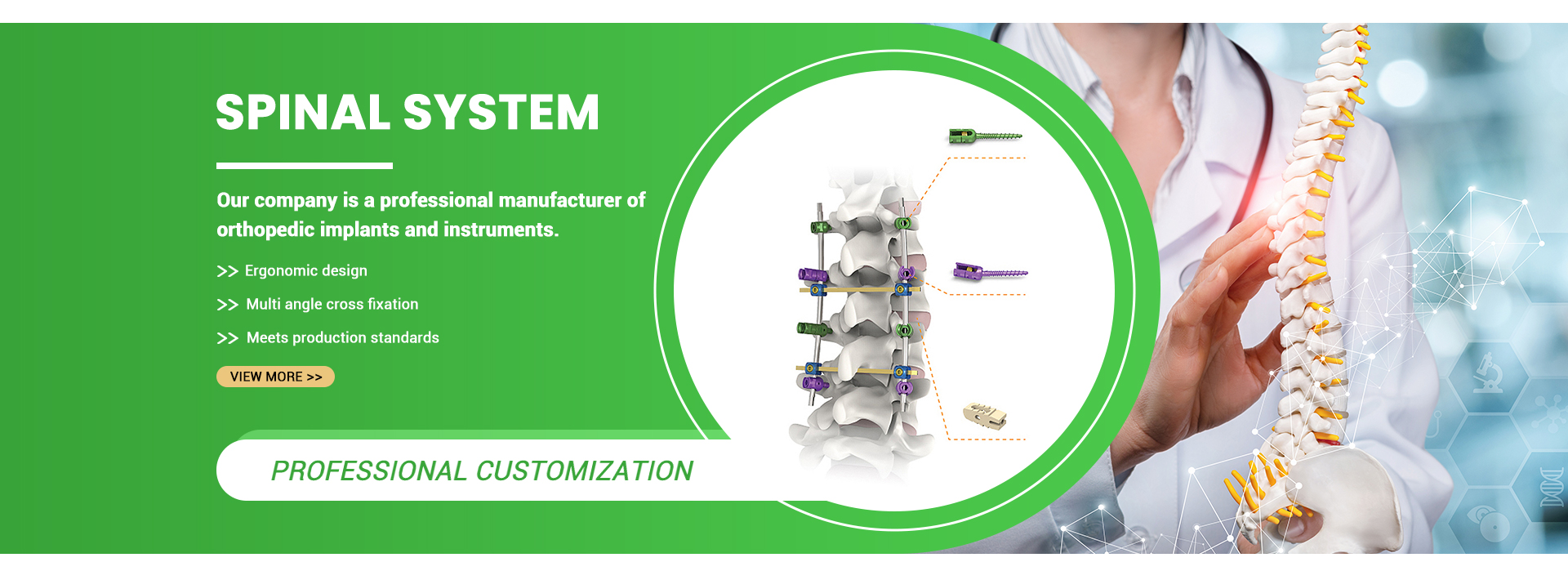
Suboccipital bone mineral density reaches its zenith along the external occipital protuberance and the midline keel, often exceeding 12–15 mm in cortical thickness, whereas lateral suboccipital plates rapidly taper to precarious bone depths of 3–5 mm. The GMV Medical Occipital-Cervical System is designed around an anatomical midline inverted-Y and T-shaped low-profile occipital plate geometry. This architecture permits centralized monocortical or bicortical anchorage into the robust midline keel, effectively eliminating the risk of cerebellar dura transgression while maximizing construct pullout resistance exceeding 1,800 N under dynamic cantilever testing.
2. Polyaxial Articulation and Load-Sharing Rod Coupling
Posterior instrumentation descending from the occiput across C1 (lateral mass) and C2 (pedicle, pars interarticularis, or crossing laminar screws) down to C7 requires extreme geometric versatility. Our systems utilize 3.5 mm and 4.0 mm biocompatible titanium alloy (Ti-6Al-4V ELI conforming to ASTM F136 / ISO 5832-3) rods paired with high-angle polyaxial screws featuring up to 55 degrees of multidirectional conical clearance. This allows seamless rod seating without applying excessive reduction force on vulnerable neural structures, mitigating intraoperative vertebral artery compromise and optimizing sagittal alignment restoration.
Rotterdam Surgical Realities: Trauma Centers & Pathological Demands
Analyzing the surgical profiles of South Holland's flagship clinical institutions and trauma networks.
High-Energy Industrial & Maritime Trauma
Home to Europe's largest seaport, Rotterdam sees frequent high-velocity industrial impacts, heavy logistics machinery trauma, and maritime collisions managed via regional Level-1 emergency units such as Erasmus University Medical Center (Erasmus MC). Traumatic atlanto-occipital dissociation (AOD), type II odontoid avulsions, and hangman's fractures demand immediate, unyielding posterior craniocervical reduction with high rotational stability.
Geriatric Rheumatoid Degeneration & Basilar Invagination
The aging demographic of Zuid-Holland presents chronic inflammatory diseases where rheumatoid arthritis erodes the atlanto-axial ligament complex and the odontoid peg, culminating in cranial settling and life-threatening cervicomedullary compression. Low-profile occipital plates facilitate simultaneous suboccipital decompression with rigid multi-level fusion to stabilize vertical basilar invagination without suboccipital soft-tissue ulceration.
Pathological Skull Base & Oncology Resection
Metastatic spinal cord lesions, chordomas, and primary bone sarcomas of the clivus and upper cervical spine necessitate radical resection coupled with structural allografts or cage reconstruction. GMV Medical's dual-diameter connecting rods (3.5 mm to 5.5 mm transitions) enable robust bridge connections from delicate suboccipital plates directly down to rigid thoracic pedicle screw constructs.
The Rotterdam Advantage: EU MDR Dynamics & Port-Centric Distribution
The European medical device regulatory landscape has undergone historic restructuring under the European Medical Device Regulation (EU MDR 2017/745). For Dutch medical distributors, procurement consortia (such as IntraKoop), and institutional hospital tenders in Rotterdam, sourcing Class IIb and Class III surgical implants requires unyielding compliance documentation, flawless vigilance data, and uninterrupted supply chains.
1. Navigating EU MDR 2017/745 Compliance and TÜV Auditing
Under MDR rules, spinal fixation devices are subjected to intense scrutiny regarding material traceability, clinical evaluation reports (CER), and Post-Market Clinical Follow-up (PMCF). Jiangsu GMV Medical Device Co., Ltd. operates with on-site factory verification by TÜV Rheinland, providing validated test dossiers covering static compression, dynamic fatigue (ISO 12189 / ASTM F1717), corrosion resistance (ASTM F2129), and cytotoxicity testing (ISO 10993). This offers Rotterdam importers effortless technical file clearance and zero-friction compliance before notified bodies.
2. Rotterdam: The Strategic MedTech Port Gateway
Positioned at the entrance of the Rhine-Meuse-Scheldt delta, the Port of Rotterdam (Maasvlakte and Waalhaven logistics zones) provides unparalleled sea-freight advantages for high-volume medical equipment and implant kits. B2B orthopedic buyers in the Benelux region enjoy rapid bonded customs handling, automated veterinary/medical device import checks, and seamless multimodal rail and highway connections directly to university clinics across the Netherlands, Germany, and Belgium within 24 to 48 hours of vessel discharge.
3. Value-Based Healthcare (VBHC) and Instrument Footprint Reduction
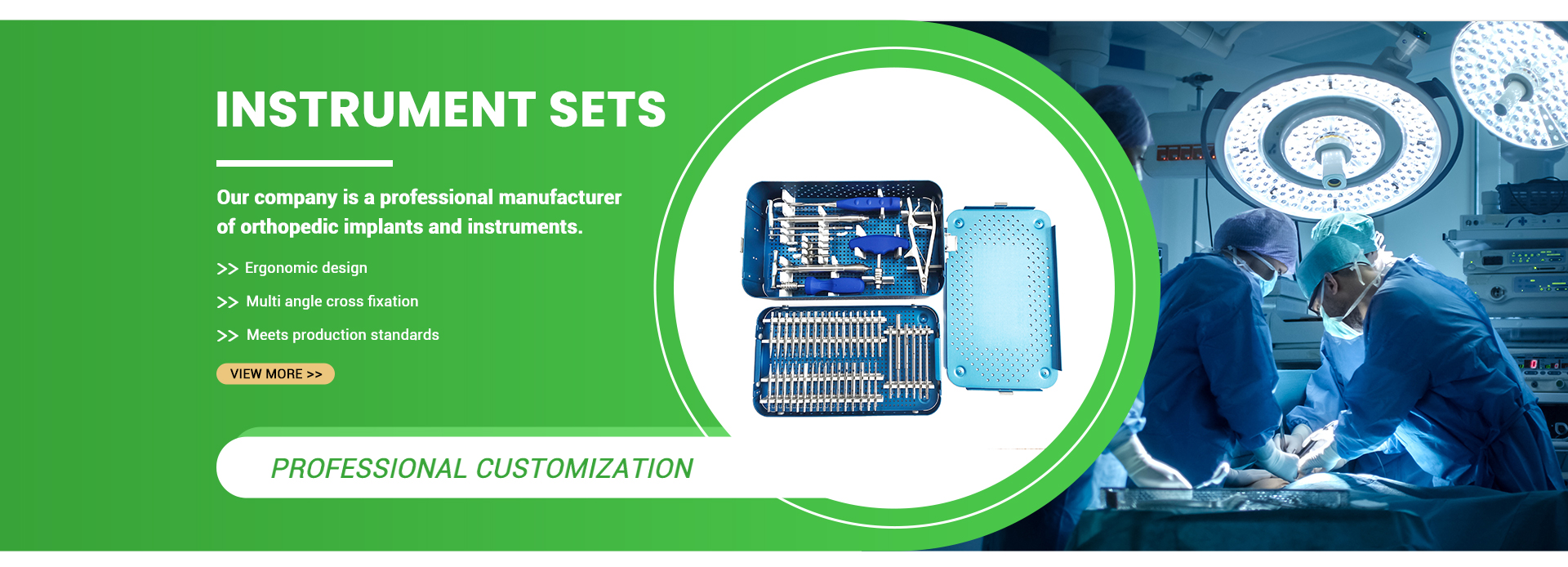
Dutch healthcare systems lead Europe in implementing Value-Based Healthcare models, which penalize redundant surgical tray weight, excessive sterilization cycles, and intraoperative device incompatibilities. GMV Medical provides streamlined, double-decker anodized aluminum sterilization containers that integrate occipital plates, polyaxial cervical screws, crosslinks, and ergonomic drivers into a single, compact OR tray. This decreases Central Sterile Services Department (CSSD) processing expenses by up to 35% across hospital networks.
Biomechanical Specification Comparison
Quantitative analysis of the GMV Medical Occipital-Cervical construct against conventional market systems.
| Technical Parameter | GMV Medical Occipital Cervical System | Legacy Standard Fusion Systems | Clinical Significance for Rotterdam Clinics |
|---|---|---|---|
| Biomaterial Standard | Medical Titanium Ti-6Al-4V ELI (ASTM F136 / ISO 5832-3) | Standard Grade 5 Ti / 316L Stainless Steel | High biocompatibility, low MRI artifacting, optimal modulus reducing stress-shielding. |
| Occipital Plate Thickness | Ultra-Low Profile 2.8 mm with Chamfered Edges | 3.8 mm – 4.5 mm Standard Profile | Eliminates scalp and suboccipital musculature impingement, reducing wound breakdown. |
| Midline Screw Freedom | Multi-Hole Midline Array (12 mm – 18 mm Depths) | Fixed Lateral Screw Holes Only | Exploits dense midline keel bone; triples pullout strength against catastrophic flexion failure. |
| Polyaxial Screw Conical Excursion | 55° Conical Angulation with Friction-Fit Head | 30° – 40° Angular Limitation | Effortless anatomical rod coupling across steep craniocervical lordotic transitions. |
| Rod Interconnect Options | Integral 3.5 mm / 4.0 mm, Transition Rods up to 5.5 mm | Separate Step Connectors Only | Eliminates bulky secondary connectors when extending constructs into the upper thoracic spine. |
| Lot Traceability & UDI | Full GS1 2D DataMatrix Laser Marking on Each Unit | Batch Level Only or Packaging Marking | Exceeds EU MDR Article 27 traceability requirements for Erasmus MC and Dutch hospital registries. |
Why Partner with Jiangsu GMV Medical Device Co., Ltd.?
For over 27 years, Jiangsu GMV Medical Device Co., Ltd. (based in Jinfeng Town, Suzhou, China) has established itself as an authoritative manufacturer and direct exporter of orthopedic implants and precision surgical power equipment. Our vertical manufacturing model ensures full control over raw material procurement, micron-precision machining, mechanical fatigue validation, and international export clearance.
TÜV Rheinland Verified Site
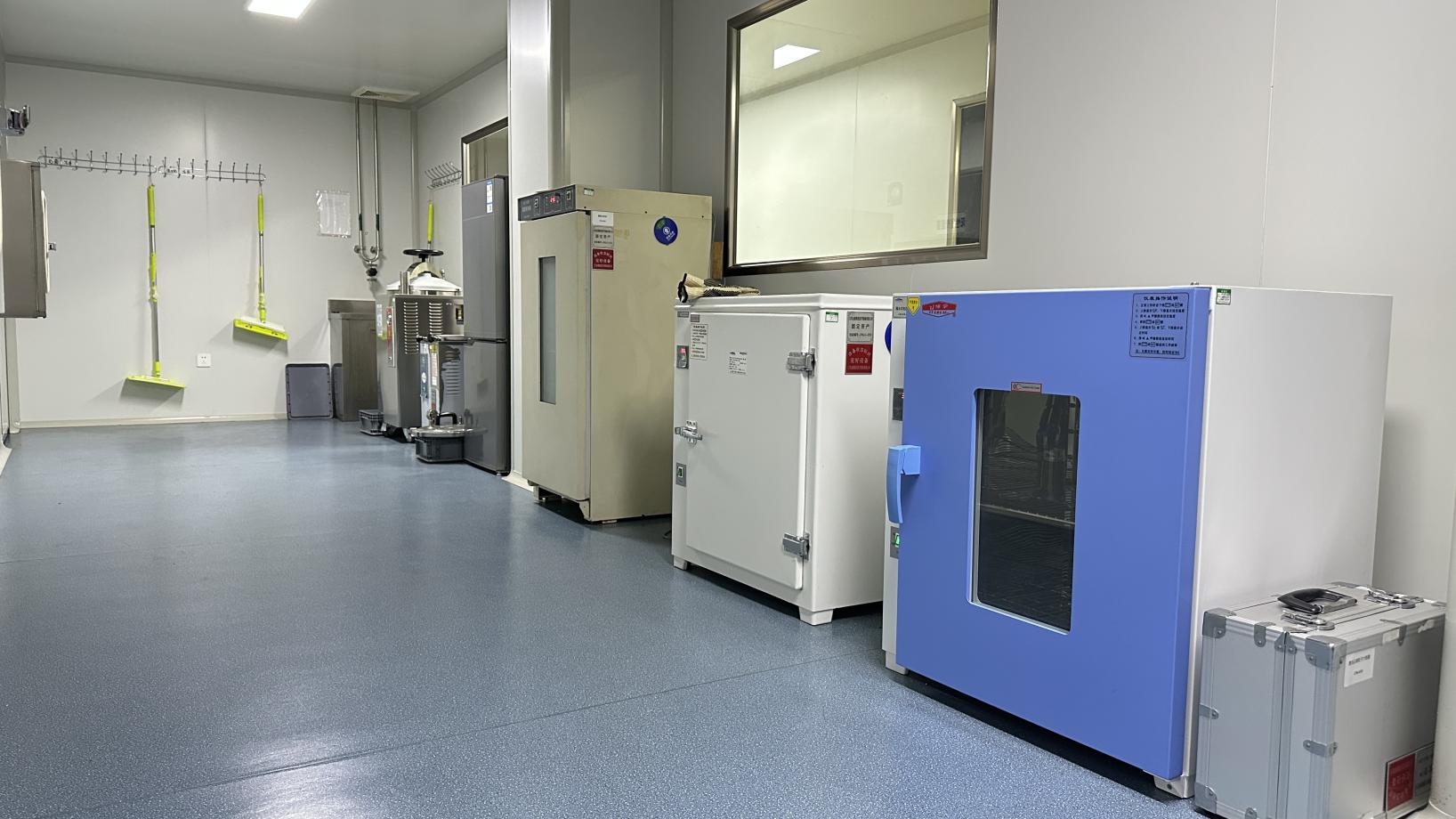
Unlike trading intermediaries, our factory underwent comprehensive on-site technical inspection by TÜV Rheinland. Production capacity, QA/QC laboratories, cleanroom controls, and traceability documentation are independently accredited.
Swiss-Type Precision CNC Hub
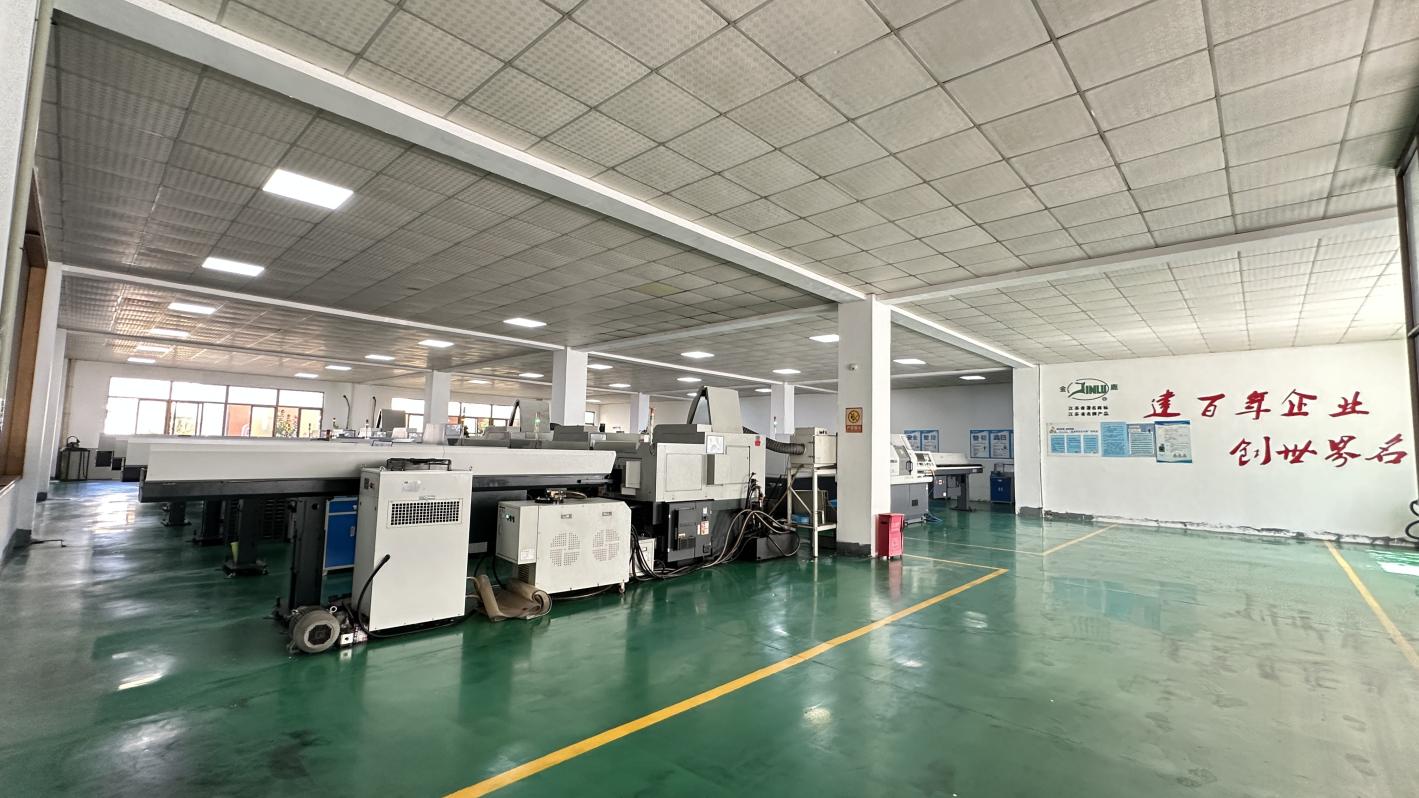
Operating multi-axis CNC Swiss lathes, high-precision milling centers, and specialized optical thread profile projectors. Every bone screw and plate hole achieves sub-micron tolerances, ensuring flawless lock-screw engagement in sterile fields.
OEM / ODM Custom Engineering
We support European distributors building proprietary implant brands. Services include customized plate curvature modeling, private-label laser etching, custom anodization coloring, and tailored sterilization container fabrication.
Rotterdam Medical Importer & Procurement FAQ
Direct answers addressing the legal, logistical, and technical requirements of European orthopedic procurement.
What regulatory compliance documentation accompanies GMV Medical occipital-cervical exports to Rotterdam?
All export shipments bound for Rotterdam, the Netherlands, and the wider European economic area are supported by a complete Technical Dossier. This includes ISO 13485:2016 quality management certification, mill test certificates (MTC) verifying raw medical-grade titanium alloy chemical composition (ASTM F136 / ISO 5832-3), biocompatibility test protocols under ISO 10993, static and dynamic biomechanical testing documentation (ASTM F1717 / ISO 12189), and TÜV Rheinland assessment reports.
How do the shipping mechanics operate from your factory to the Port of Rotterdam?
Shipments are routed from our Suzhou facility via direct transport to Shanghai Port for maritime containerized freight (transit time approximately 26–32 days to Maasvlakte, Rotterdam), or expedited via air cargo from Shanghai Pudong (PVG) directly to Amsterdam Schiphol (AMS) within 48–72 hours for critical emergency tender supplies. Dutch customs brokers handle VAT reverse-charge and bonded warehousing with complete logistical transparency.
Can Dutch medical distributors request private labeling and custom tray configurations?
Yes. As an authentic OEM/ODM manufacturer, GMV Medical provides comprehensive design-based customization. We provide precision high-resolution laser marking of your brand name, model codes, and GS1-compliant 2D UDI barcodes directly on each occipital plate and screw shank. Furthermore, customized sterilization graphic cases can be anodized with institutional layouts matching specific Dutch hospital theater preferences.
How does the occipital plate design accommodate variable skull-base anatomy in complex revision cases?
The GMV Medical plate features an anatomically pre-contoured suboccipital curvature with malleable lateral wings that can be finely adjusted intraoperatively using dedicated bending irons without weakening the crystalline titanium structure. The central keel slot accommodates multiple screw sizes (4.5 mm to 5.2 mm emergency rescue screws) to ensure high bicortical purchase even in revision cases where prior burr holes or bone graft harvests have compromised local cortical thickness.
What is the minimum order quantity (MOQ) and sample evaluation procedure for hospital tenders?
We recognize that qualification for Dutch and European university hospital tenders requires comprehensive surgeon evaluation. We provide non-sterile demonstration sets and sterile evaluation samples with low initial batch MOQs for distributors conducting product registration and clinical user trials. Contact our international export desk directly to arrange technical documentation review and demo kit dispatch.
Connect with GMV Medical's European Export Division
Looking for a verified, TÜV-assessed manufacturer to supply high-performance Occipital-Cervical systems, spinal stabilization devices, and surgical instrument kits directly to Rotterdam? Access full technical catalogs, tender pricing, and engineering support today.
