Engineered Systems & Specialized Orthopedic Instruments
Explore our precision-machined craniocervical fixation configurations, power surgical tools, and modular sterilization trays ready for immediate hospital dispatch in Cali, Colombia.

Small Fragment Orthopedic Upper Limb Instrument Kit Steel Manual Bone Instruments

High-Speed Surgical Repair Handpiece Turbine Power Source Steel Material

Electric Surgical Implant Tool Box Steel Construction Storage Solution

Lab Teaching Models: Separated Anatomical Human Skull Model PVC

Factory Medical Electric Sternum Saw & Orthopedic Drill Saw System

Lab Teaching Models: 3-Part Muscular Craniocervical Skeleton Models

Orthopedic External Fixator Ringent Rod Coupling Clamp Component
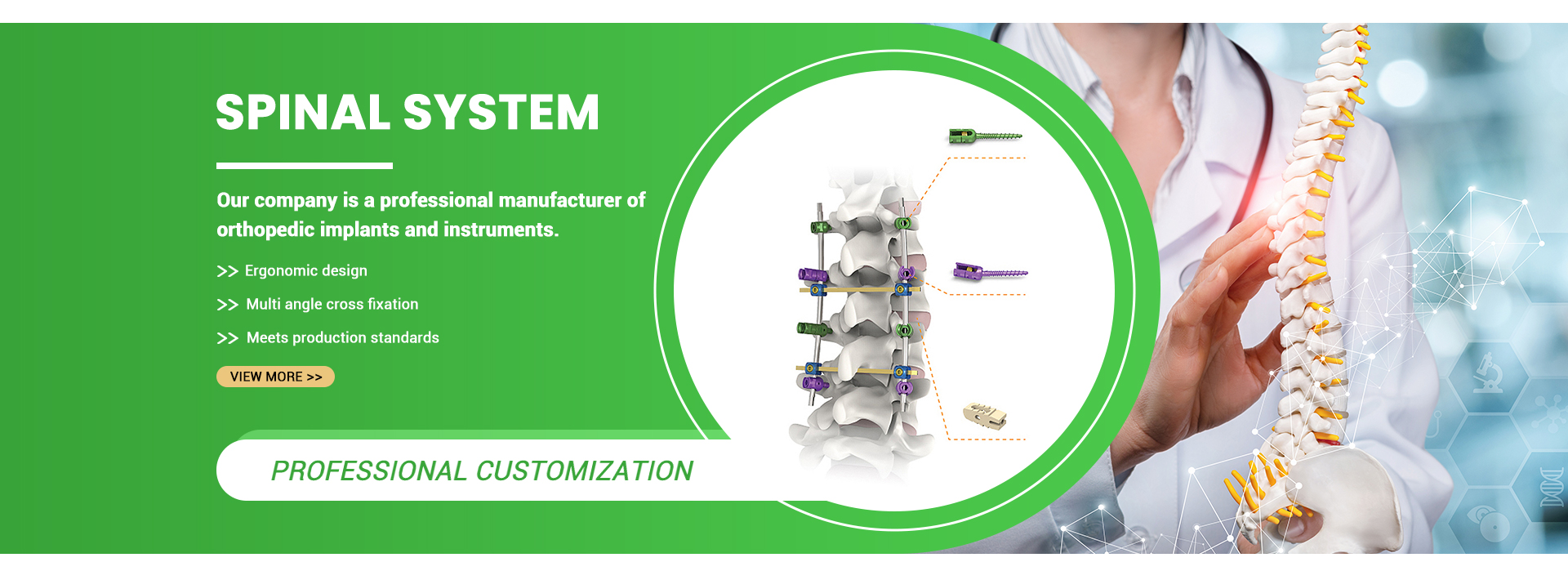
Posterior Occipital Cervical Plate, Rod & Multi-Axial Screw Fusion System
Clinical Selection Guide: The Occipital Cervical Fixation Construct
The craniocervical junction (CCJ) represents the most biomechanically demanding kinematic transition zone in the axial skeleton. Sourcing an occipital cervical system for Cali hospitals requires structural stability across axial rotation, lateral bending, and sagittal flexion-extension.
Anatomical Occipital Midline Keel Plates
Fabricated from medical-grade Ti-6Al-4V ELI (ISO 5832-3 / ASTM F136), our midline occipital keel plates provide multi-hole cranial anchoring directly into the thickened external occipital protuberance (inion). Featuring pre-contoured suboccipital geometries, low profile contours reduce suboccipital muscle tenting and soft tissue breakdown in thin or malnourished patients.
Multi-Axial Cervical Pedicle & Lateral Mass Screws
Equipped with up to ±45° polyaxial friction-fit heads to facilitate rod placement without excessive vertebral displacement. Buttress friction threads ensure rapid insertion into C1 lateral masses, C2 pedicles/isthmus, and subaxial facet complexes, mitigating neurovascular compromise near the vertebral artery groove (sulcus arteriosus).
Variable Transition Connecting Rods & Transverse Connectors
Dual-diameter transition rods (3.5mm subaxial to 4.5mm/5.5mm thoracic extension) bridge the occipitocervical to cervicothoracic junction seamlessly. Combined with rigid adjustable cross-links, the construct delivers rotational stiffness exceeding 16.5 Nm/deg, preventing fatigue failure prior to bony arthrodesis.
Material Chemistry & Mechanical Performance Benchmarks
A granular engineering comparison between Jiangsu GMV Medical Device Co., Ltd. titanium systems and conventional stainless steel hardware utilized in Latin American public tenders.
| Evaluation Parameter | GMV Ti-6Al-4V ELI Occipital System | 316L Stainless Steel Standard Construct | Clinical Advantage in Cali Surgical Suites |
|---|---|---|---|
| Elastic Modulus (GPa) | 110 – 114 GPa | 190 – 210 GPa | Reduces stress shielding at the cranial keel; promotes faster osseous consolidation. |
| Post-Op MRI & CT Diagnostic Artifacts | Minimal susceptibility artifact; sharp neural foramina view | Severe scattering; obscures spinal cord and vertebral artery borders | Critical for postoperative neurological checks in Level-1 trauma emergencies. |
| Fatigue Limit (Cycles at 65% UTS) | > 5,000,000 cycles (ASTM F1717 dynamic testing verified) | < 3,200,000 cycles | Safeguards construct longevity in active trauma victims and non-compliant patients. |
| Polyaxial Screw Articulation Cone | Continuous 50° total spherical cone angle | Typically limited to 30° – 40° | Provides maximum trajectory flexibility around aberrant vertebral arteries. |
| Occipital Plate Fastening | Self-tapping dual-core 4.5mm / 5.0mm cranial screws | Single-pitch unicortical screws | High bicortical pull-out resistance in low-density occipital bone squama. |
Localized Clinical Application Scenarios Across Cali & Valle del Cauca
Cali functions as the primary trauma and neurosurgical referral epicentre for Southwestern Colombia, encompassing Valle del Cauca, Cauca, Nariño, and Putumayo. The clinical demand for craniocervical stabilization is characterized by three distinct local epidemiological scenarios:
1. High-Velocity Penetrating & Blunt Trauma
Urban vehicular accidents along the Pan-American Highway and inter-municipal transit corridors frequently generate severe hyperextension-distraction injuries, occipital condyle avulsions, and type III odontoid fractures with atlanto-axial dislocation. Centers like Hospital Universitario del Valle (HUV) require pre-sterilized, rapid-assembly instrument kits and universal rods to stabilize traumatized cord segments within the critical six-hour surgical window.
2. Severe Inflammatory Basilar Invagination
Valle del Cauca presents significant caseloads of long-standing rheumatoid arthritis resulting in pannus formation, transverse ligament erosions, and vertical cranial settling. Tertiary institutions such as Fundación Valle del Lili perform posterior decompression paired with rigid occipito-cervical fixation to reduce upward migration of the dens into the foramen magnum, relieving severe brainstem compression.
3. Pediatric & Congenital Dysplasias
Pediatric craniovertebral junction instability (Down syndrome ligamentous laxity, Klippel-Feil syndrome, and achondroplasia) demands low-profile, modular 3.0mm/3.5mm screw profiles with variable rod contours. Our versatile implants enable secure micro-anchoring in diminutive pediatric pedicles without encroaching upon hypoplastic neural canals.
Emerging Procurement Trends in the Cali Healthcare Ecosystem
Analyzing key shifts in institutional purchasing, INVIMA oversight, and clinical preferences shaping the medical device market in Colombia.
Tighter INVIMA Vigilance
Colombia’s National Food and Drug Surveillance Institute (INVIMA) requires exhaustive sanitary registration dossiers (Certificados de Capacidad de Almacenamiento y/o Acondicionamiento - CCAA), complete technical data sheets, and biomanufacturing audits before customs release at Buenaventura Port.
EPS & IPS Budget Consolidation
Managed healthcare networks (Entidades Promotoras de Salud) and private clinics face severe tariff pressure. Sourcing directly from verified OEM manufacturers lowers device acquisition costs by 35% to 45% compared to multinational tier-one brands, without compromising metallurgical safety.
Transition to 3D Pre-Bent Plates
Neurosurgical teams at leading Cali institutions increasingly reject flat occipital plates that require extensive manual intraoperative contouring. Anatomically sculpted occipital plates reduce operative time by 20–30 minutes, lowering surgical infection rates and anesthesia overhead.
Private Labeling (OEM) Expansion
Regional biomedical distributors throughout Colombia are establishing proprietary surgical lines. By procuring white-label craniocervical kits with customized laser engraving and localized packaging, distributors build robust equity in the Latin American spine segment.
Jiangsu GMV Medical Device Co., Ltd. – Trusted Engineering Partner
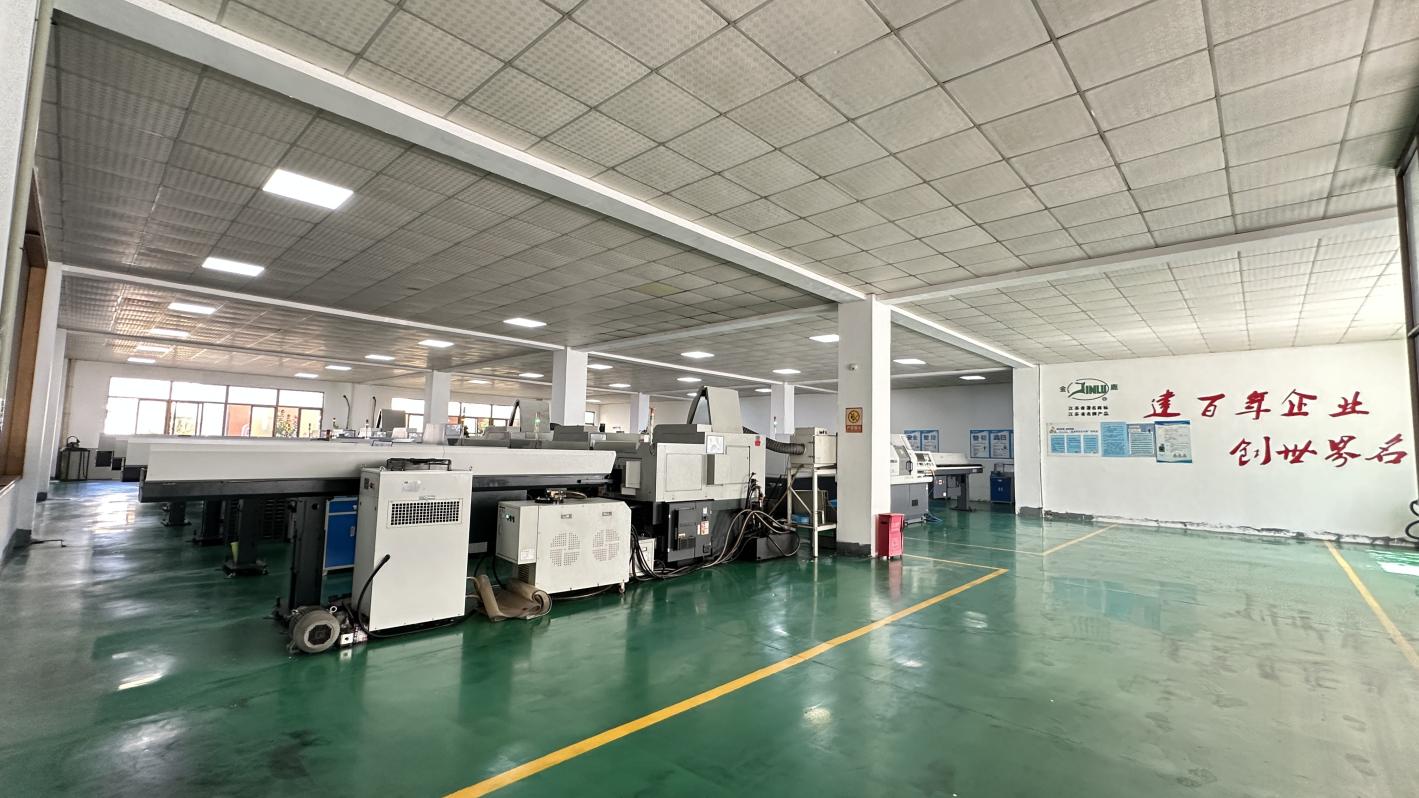
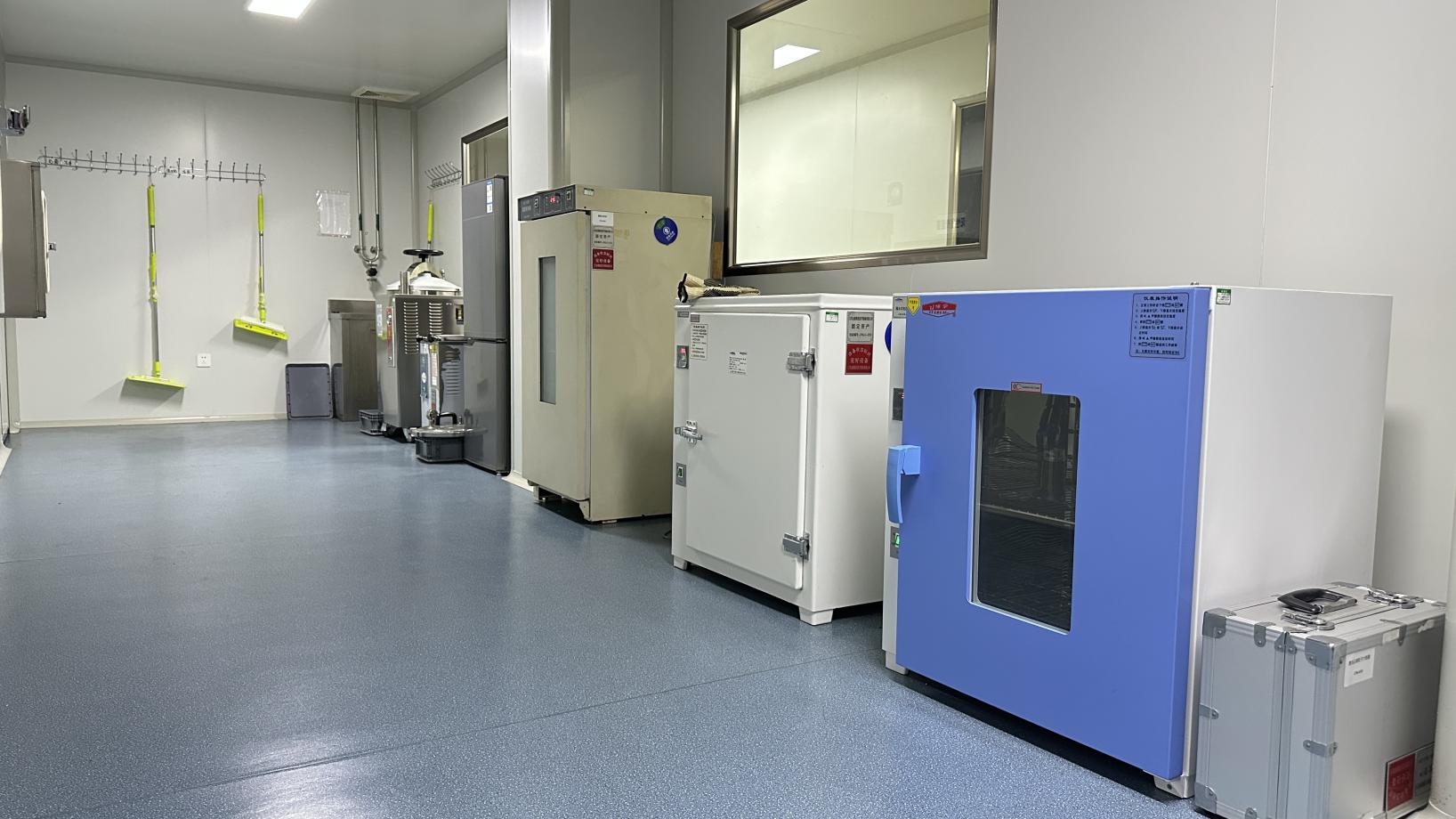
Headquartered in Jinfeng Town, Suzhou, Jiangsu, China, Jiangsu GMV Medical Device Co., Ltd. brings more than 27 years of dedicated orthopedic implant and instrument manufacturing prowess to global surgical supply networks. Operating under rigorous ISO 13485 protocols, our 121 verified specialists manage complete vertical integration across raw material bar slitting, Swiss CNC lathe turning, 5-axis simultaneous machining centers, manual surface micro-polishing, laser marking, cleanroom packaging, and lot-specific mechanical batch testing.
Our manufacturing complex has undergone comprehensive on-site facility assessments by TÜV Rheinland, confirming our capacity to fulfill demanding multinational procurement specifications. Cali spine implant distributors receive verified mill test certificates, complete technical compliance documentation, and stable batch-to-batch biocompatibility.


Frequently Asked Questions by Medical Procurement Officers in Cali
Direct answers addressing INVIMA customs clearance, technical registration dossiers, lead times to Buenaventura, instrument compatibility, and factory direct auditing.
What documentation does GMV provide for INVIMA sanitary registration in Colombia?
We provide full technical documentation required for Colombian registration: ISO 13485 manufacturer certificates, Free Sale Certificates (FSC) authenticated via Apostille, complete product formulation sheets (Ti-6Al-4V ELI material composition per ASTM F136), mechanical stress reports (ASTM F1717 / ASTM F2193), labeling artwork in Spanish, and clinical evaluation dossiers. Our regulatory export unit assists Colombian importers in drafting the technical monograph.
How are logistics handled from Suzhou to Cali (via Buenaventura or Alfonso Bonilla Aragón)?
For containerized or bulk stock shipments, maritime cargo departs Shanghai / Ningbo directly to the Port of Buenaventura (the primary Pacific seaport in Valle del Cauca, approximately 120 km from Cali), with a maritime transit time of 26 to 34 days. Urgent emergency replenishment or trial instrument kits can be dispatched via air freight directly into Alfonso Bonilla Aragón International Airport (CLO) within 5 to 8 business days.
Can GMV customize instrument trays to match the operating room preferences of Colombian surgeons?
Yes. We offer extensive ODM/OEM customization. Our design engineering team can adapt screw head hex-lobular drivers, rod benders, drill guides, tap handles, and sterilization cases to align with surgical ergonomics favored in Colombian spine programs. Custom silicone instrument cutouts and two-tone anodized aluminum cases are laser-engraved with your brand identity or hospital asset tracking codes.
Are GMV occipital systems cross-compatible with subaxial and thoracolumbar systems?
Our occipital cervical fixation platform incorporates dual-diameter transition rods (e.g., 3.5mm cervical to 5.5mm thoracic rods) and parallel connectors. This allows seamless integration into subaxial cervical lateral mass constructs as well as extension across the cervicothoracic junction down to T3–T4, critical for stabilizing severe multi-level craniocervical disruptions.
Can Cali distributors conduct on-site or live video factory audits prior to contracting?
We welcome hospital procurement directors, biomedical committees, and distributor executives to visit our facility in Jinfeng Town, Suzhou, China. We also routinely host real-time interactive video audits where you can review our CNC turning cells, automated cleaning lines, cleanroom packaging, and testing equipment (tensile, hardness, and optical projection microscopes) directly with our technical director.
What is the minimum order quantity (MOQ) for custom private labeled systems?
For standard Jiangsu GMV catalog references, we support low test quantities to accommodate initial clinical evaluations and INVIMA registration trials. For full private-label OEM development with dedicated Spanish laser etching and custom-tailored sterilization trays, our MOQs remain highly flexible, allowing Colombian partners to scale market entry without excessive capital exposure.
Partner with a Certified Orthopedic Manufacturer for the Cali Market
Whether you are establishing a new private-label spine brand in Colombia, participating in Valle del Cauca regional health tenders, or seeking reliable factory-direct supply for trauma implants and surgical power tools, our engineering and export team is ready to assist.
