
Lab Teaching Models 3 Parts Human Muscular Skull Skeleton Models
High-fidelity anatomical skull model engineered for surgical simulation, biomechanical training, and clinical demonstration in orthopedic faculties.
Manufactured under rigorous ISO 13485 quality management systems, our core assemblies serve institutional orthopedic theaters, clinical research laboratories, and trauma rehabilitation networks across Hyogo Prefecture.
High-fidelity anatomical skull model engineered for surgical simulation, biomechanical training, and clinical demonstration in orthopedic faculties.

Heavy-duty medical-grade stainless steel storage container providing high autoclave durability and precision layout for specialized surgical motors.

High-torque, low-vibration surgical saw system with multi-speed ergonomic triggers tailored for osteotomy and trauma emergency resections.

High-rigidity modular clamp connectors designed for instant snap-on locking in multi-axial damage control orthopedic frames.

Demountable anatomical structure engineered for cranial osteosynthesis teaching, surgical path visualization, and trauma research.

Anti-overheating titanium-steel alloy micro-handpiece delivering frictionless rotational stability during high-precision bone bed preparations.

Comprehensive orthopedic surgical tray containing precision reduction forceps, drill sleeves, depth gauges, and calibrated drivers.
Optimized anatomical radius of curvature (ROC 1.5m) in Ti-6Al-4V ELI, matching Japanese femoral morphometrics for stable fixation.
Clinical data from Hyogo Prefecture and the broader Kansai Metropolitan Area indicate a rapidly escalating demand for internal fixation solutions that resolve severe osteoporotic bone weakness and complex pertrochanteric fracture lines.
As one of Japan's foremost biomedical epicenters, Kobe's hospital networks—including the Kobe University Hospital trauma center and specialized clinics located adjacent to the Port Island medical zone—handle an exceptional volume of subtrochanteric and femoral shaft fractures. For international distributors and Japanese medical device marketing authorisation holders (MAH), supplying an interlocking intramedullary nail involves meeting rigorous expectations: eliminating surgical mismatch, securing early postoperative weight-bearing, and reducing secondary revision interventions in elderly patients.
Over 30% of Hyogo Prefecture's population is aged 65 or older. Our femoral intramedullary nail systems feature optimized multi-planar distal and proximal locking configurations. These designs prevent cut-out, rotation, and secondary collapse in low-density trabecular bone, enabling early mobilization regimens promoted across Japanese acute care wards.
Linking the Hanshin Expressway and industrial freight passages, Kobe's tertiary emergency care centers receive complex comminuted diaphyseal and segmental femoral injuries. Our nails feature high-fatigue dynamic locking modes and reamed cannulated profiles that provide rigid biological fixation while minimizing periosteal devascularization.
Compatible with radiolucent carbon fiber aiming arms, our targeting instruments streamline distal free-hand locking under fluoroscopy. The result is dramatically reduced incision trauma, minimal intraoperative blood loss, and significantly shortened operating times in Kansai municipal hospitals.
A deep engineering review of how our OEM/ODM nails solve anterior cortex impingement and distal anterior cortical perforation in East Asian skeletal anatomies.
A long-standing challenge identified in Japanese clinical literature is the distinct anterior bow of the femur in Asian populations compared to Caucasian skeletal norms. Conventional Western-designed intramedullary nails, often fabricated with a Radius of Curvature (ROC) exceeding 1.8 to 2.0 meters, frequently cause anterior cortical abutment, distal penetration, or iatrogenic fracture during nail advancement. Jiangsu GMV Medical Device Co., Ltd. addresses this directly through custom OEM/ODM parameters optimized for the Kobe orthopedic market.
| Biomechanical Attribute | GMV Medical Asian-Fit Design | Conventional Western Design | Clinical Advantage in Kobe Wards |
|---|---|---|---|
| Radius of Curvature (ROC) | 1.4m – 1.5m Anatomical Match | 1.8m – 2.2m Larger Radius | Prevents anterior cortex impingement and iatrogenic shaft fracture during insertion. |
| Raw Material Grade | Ti-6Al-4V ELI (ASTM F136 / ISO 5832-3) | Commercial Grade 5 Titanium or 316L | Lower elastic modulus (110 GPa) minimizes stress shielding; eliminates nickel-sensitivity concerns. |
| Proximal Entry Angle | 4° Mediolateral Trochanteric Angle | 6° – 8° Standard Angulation | Preserves the insertion site at the greater trochanter tip; reduces gluteus medius injury. |
| Distal Locking Configuration | Multi-Planar (Static, Dynamic, Oblique) | Uni-Planar Transverse Only | Counteracts torsional and shear forces in comminuted metaphyseal-diaphyseal transitions. |
| Surface Treatment | Type II Anodization / Micro-blast Polishing | Standard Chemical Passivation | Enhanced fatigue endurance limit exceeding 5 million load cycles; minimizes fretting wear. |
*Fatigue testing conducted in compliance with ASTM F383 and ISO 15032 dynamic endurance protocols.
Strategic convergence of robotic surgical suites, rapid post-trauma ambulation protocols, and Japan's regulatory health insurance reforms.
Kobe's Biomedical Innovation Cluster on Port Island has established an elite ecosystem where medical engineers and surgeons collaborate. As an experienced OEM/ODM partner, GMV Medical provides rapid turnaround of precision 3D CAD/CAM models, modified distal nail geometries, and surgical jig iterations for clinical evaluation teams.
Japanese healthcare institutions operate under the Diagnosis Procedure Combination (DPC) framework, incentivizing hospital purchasing managers to source high-tier orthopedic implants that offer premium quality without inflated distributor markups. Our direct manufacturing model provides substantial operational margin relief for regional wholesalers.
Kansai teaching hospitals are pioneering robotic and navigation-assisted trauma interventions. Our R&D engineering department provides custom-designed proximal aiming guides and sensor-adaptable insertion handles calibrated for real-time optical tracking cameras and electromagnetic navigation probes.
Operating over 27 years in Jiangsu with 121 verified specialists, our facilities eliminate outsourcing risks to ensure every femoral nail meets strict international tolerances.
Complete custom design-based services. Whether supplying specific Japanese femoral curvature prints, cannulation diameters, or proprietary screw thread profiles, our team converts concepts into pilot production runs swiftly.
Our production facilities, mechanical inspection laboratories, and quality management systems are assessed on-site by TÜV Rheinland, providing Japanese import partners with verified third-party audit documentation.
Equipped with imported high-speed precision CNC turning-milling centers, we execute deep-hole cannulation drilling and variable pitch thread machining with tolerances consistently held within ±0.005mm.
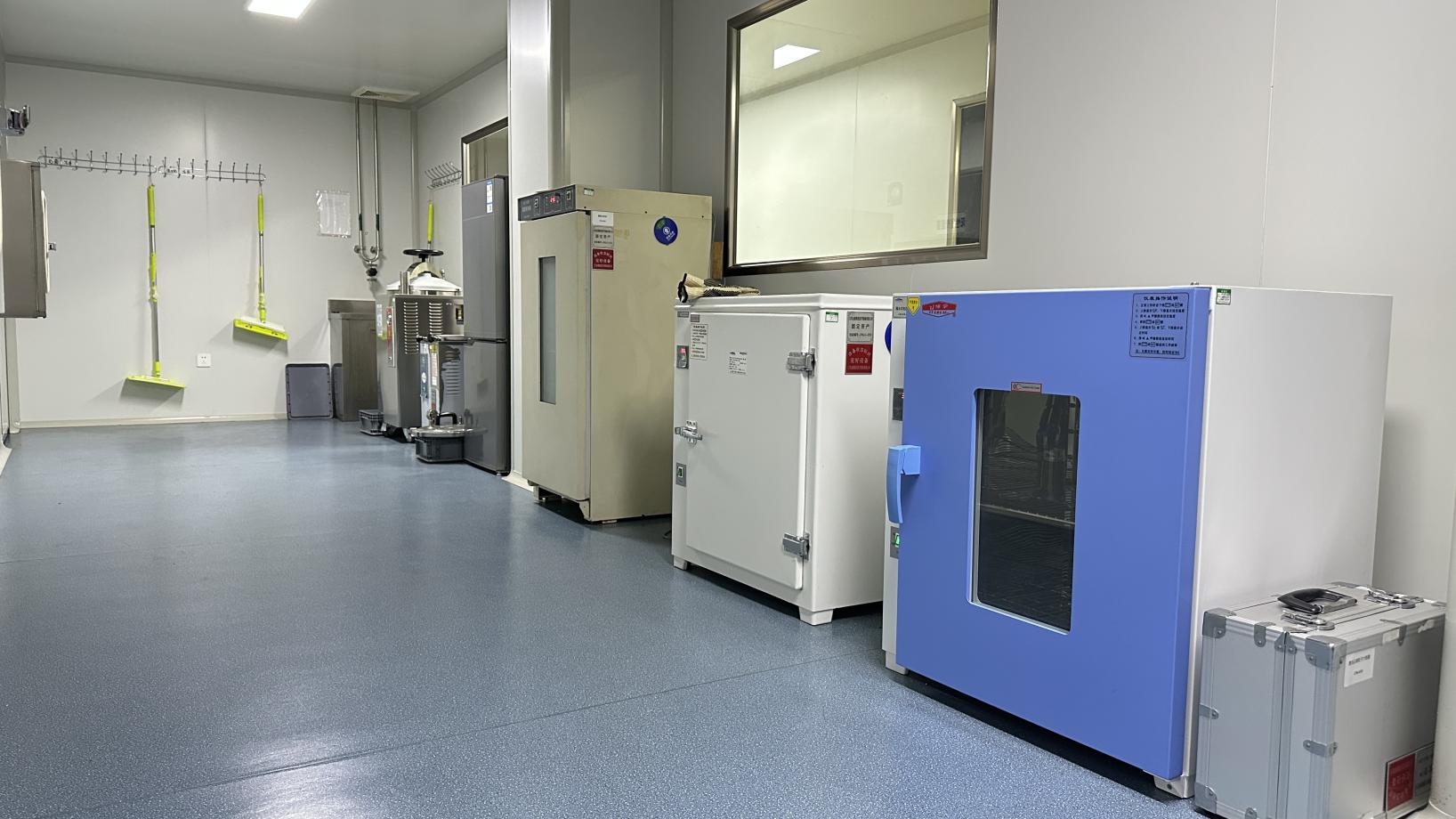
Our testing laboratory verifies raw material heat batches with universal tensile testers, Rockwell hardness meters, and optical profile projectors to confirm dimensional and metallurgical conformity before batch release.
Permanent optical fiber laser marking of part numbers, lot numbers, diameter, and curvature directly onto implants. We support custom branding, private label etching, and GS1-compliant 2D DataMatrix barcodes.
Implant-grade protective clean packaging or bulk unsterile shipment available according to customer specifications, backed by flexible maritime shipping directly into Kobe Port or air cargo via Kansai International Airport (KIX).
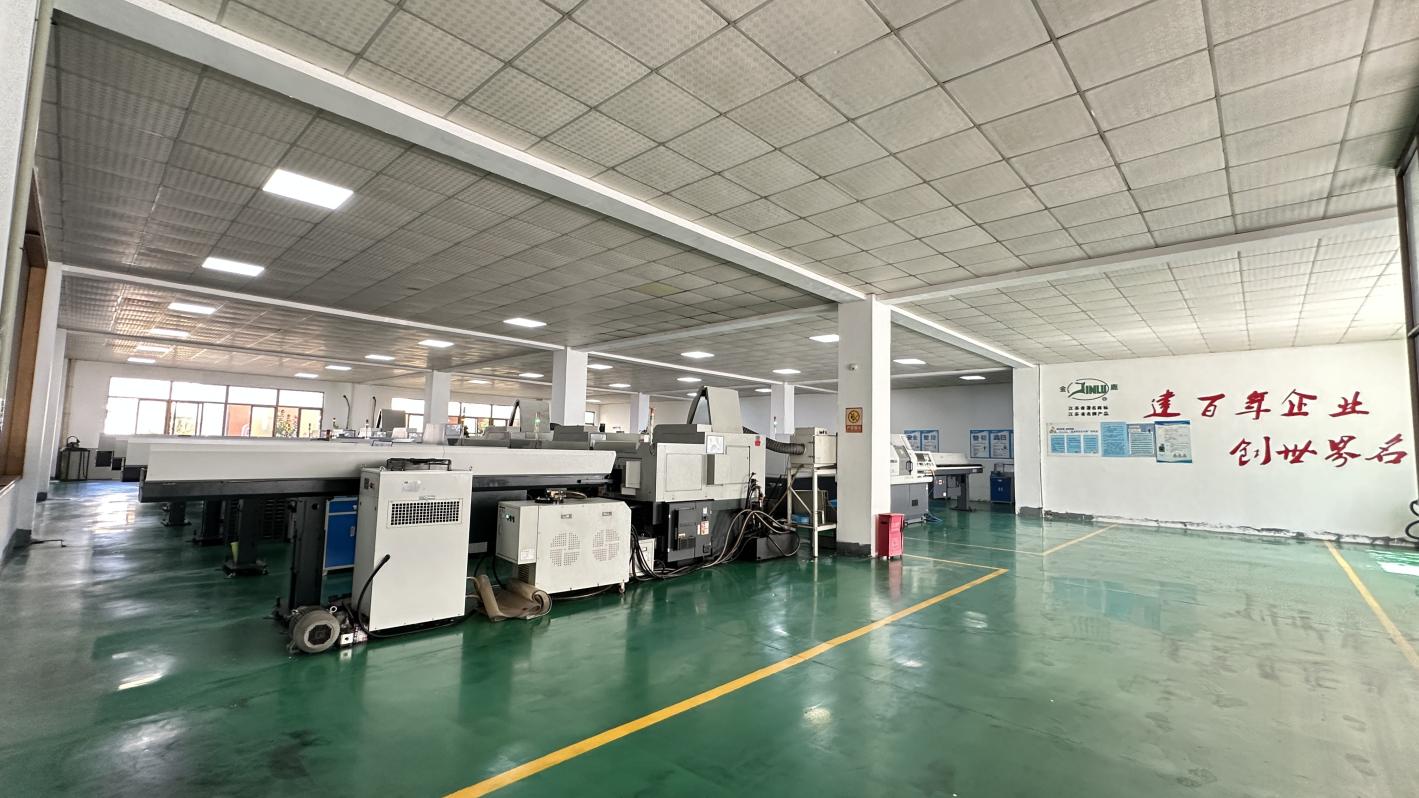 Manufacturing Plant Overview
 Multi-Axis CNC Machining Line
 Mechanical Testing Laboratory
 Organized Finished Goods Warehouse
Addressing regulatory alignment, metallurgical verification, OEM private labeling, and Kobe logistics coordination.
Yes. We specialize in ODM and drawing-based customization. We manufacture nails with a smaller radius of curvature (ROC 1.4m – 1.5m), reduced proximal outer diameters (10mm – 11mm), and specialized distal locking angles specifically developed to eliminate anterior cortical impingement in Japanese cohorts.
We supply comprehensive technical files, including certified material test reports (mill certificates for Ti-6Al-4V ELI / ASTM F136), dimensional inspection sheets, surface passivation records, biocompatibility dossiers, and static/dynamic fatigue test data conforming to ASTM F383 standards.
Absolutely. As an enterprise independently assessed by TÜV Rheinland, we welcome technical audits, either in person at our Suzhou facility (accessible from Shanghai Pudong) or via live real-time video audits covering CNC machining, cleanroom cleaning, and QC labs.
Yes. Sourcing implants and instruments from separate vendors risks operating room incompatibility. We design and manufacture dedicated instrument sets—including carbon-fiber radiolucent aiming arms, calibrated drill sleeves, flexible reamers, and extracting drivers—packaged in custom sterilizable cases.
For customized OEM pilot orders, typical production turnaround is 4 to 6 weeks. Regular batch orders ship efficiently via sea freight directly to Kobe Port (Hanshin Port system) or express air freight arriving at Kansai International Airport (KIX) within 48 to 72 hours of dispatch.
Yes. We provide complete OEM private labeling services. We laser-etch your company trade brand, item references, lot tracking numbers, and GS1-compliant DataMatrix barcodes directly onto each nail and screw, with customizable inner and outer carton packaging.
Consult with our senior orthopedic biomechanical engineers today. Review technical drawings, discuss custom curvature specifications, or request certified product samples for your institutional evaluation.
