
Surgical Portfolio
Featured Fixation Systems & Orthopedic Instrumentation
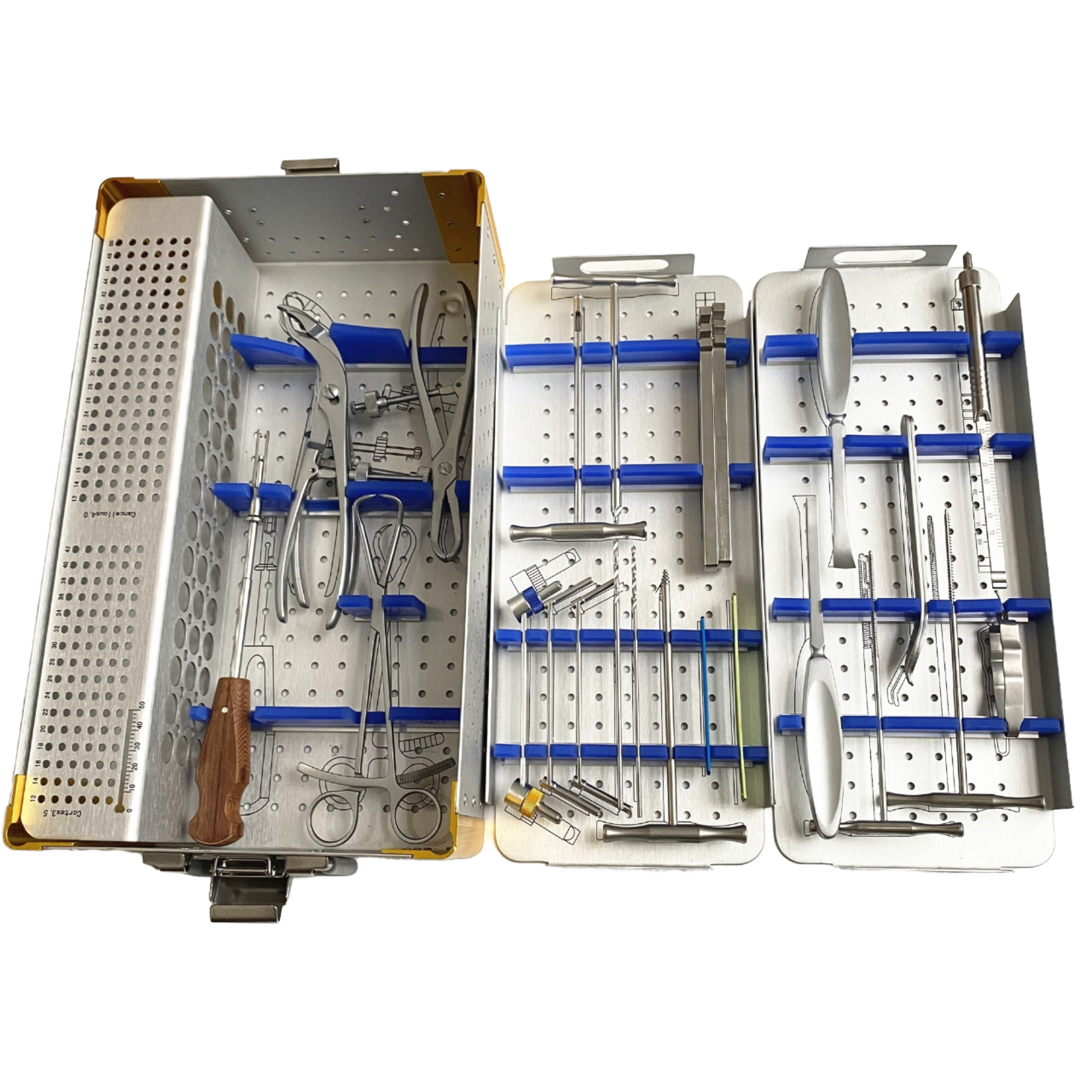
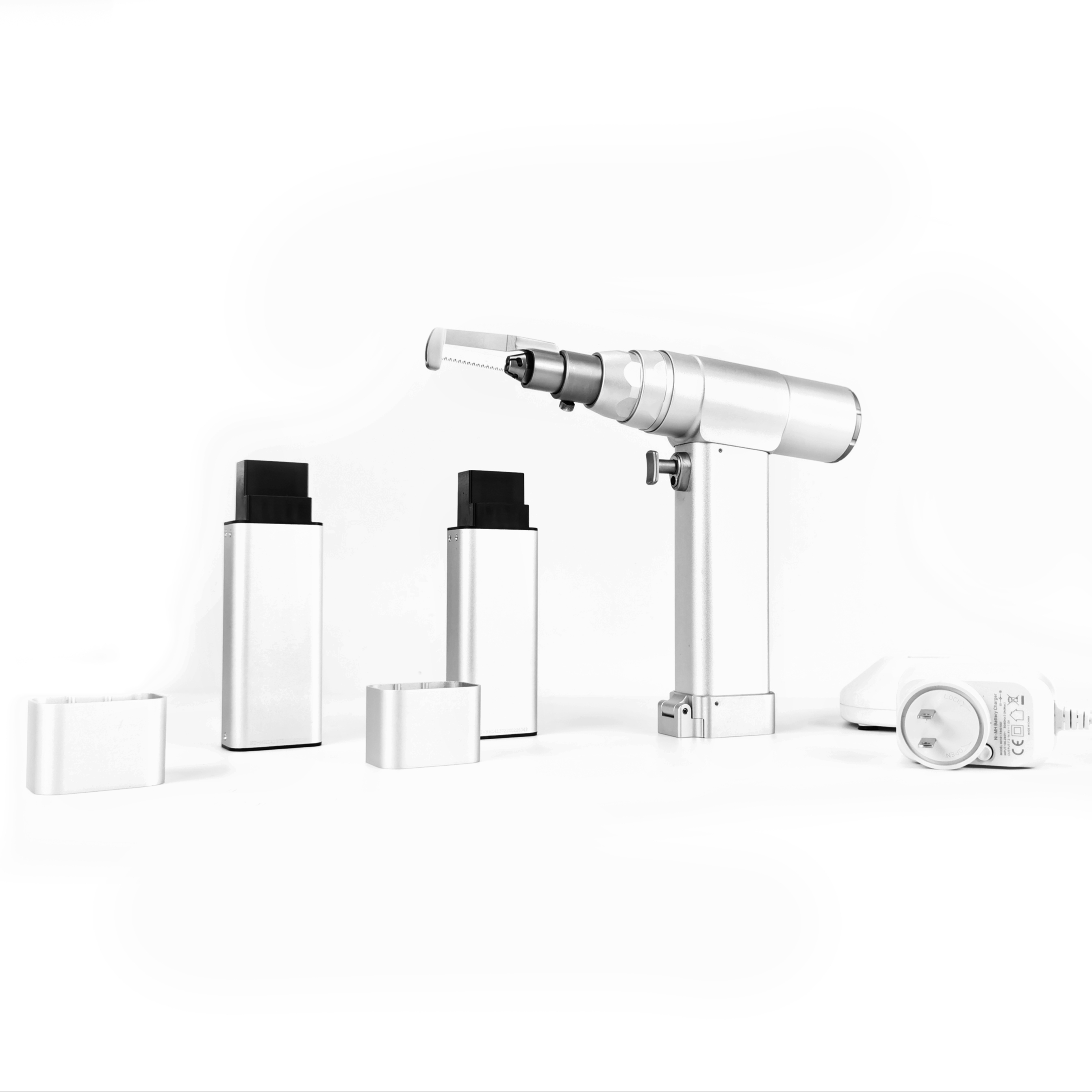
Certified traumatology and surgical reconstruction systems available for institutional tender supply and distributor export directly to Manaus and the broader Amazonas state corridor.

27+ Yrs
Manufacturing Heritage
121
Specialized Personnel
TÜV
Rheinland On-Site Assessed
20 Yrs
Verified Global Exporter
Geographic & Clinical Context
Localized Application Scenarios in the Western Amazon Basin
Deploying orthopedic external fixators within Manaus demands acute awareness of equatorial microclimates, river transport transit delays, and distinct polytrauma epidemiology.
Damage Control Orthopedics (DCO) Across River Corridors
Trauma referrals from interior municipalities like Tefé, Coari, Tabatinga, and Parintins require long fluvial ambulance transport along the Rio Negro and Rio Solimões. Patients often arrive at Manaus reference emergency rooms—such as Hospital e Pronto-Socorro Dr. João Lúcio Machado and Hospital 28 de Agosto—12 to 48 hours post-injury. Immediate open reduction and internal fixation (ORIF) in patients with prolonged systemic shock carries prohibitive rates of acute respiratory distress and sepsis. Rapid-frame external fixation serves as the decisive life-and-limb-saving intervention, stabilizing compound diaphyseal fractures in under 25 minutes while controlling soft-tissue collapse.
Tropical Humidity & Bio-Contamination Resistance
The equatorial rainforest surrounding Manaus generates chronic relative humidity ranging between 80% and 98% with ambient operating-room and transit temperatures exceeding 32°C. Open fractures contaminated by river water or forest soil present complex polymicrobial burdens, including Aeromonas hydrophila, Pseudomonas aeruginosa, and atypical mycobacteria. External fixators eliminate the presence of extensive subcutaneous foreign hardware during the acute debridement phase. GMV Medical’s electropolished implant-grade materials minimize bacterial adhesion, reducing the incidence of early pin-track osteomyelitis in humid Amazonian convalescence.
Polo Industrial de Manaus (PIM) Occupational Injuries
The high concentration of consumer electronics, automotive component manufacturing, and metallurgical fabrication inside the Zona Franca de Manaus (ZFM) drives a consistent stream of complex crush trauma, degloving injuries, and severe hand/forearm mutilation. Mini-rail and unilateral dynamic external fixators are indispensable tools for retaining finger ray length, stabilizing periarticular wrist crush fractures, and facilitating secondary vacuum-assisted closure (VAC) alongside microvascular soft-tissue flap reconstruction.
Market Evolution
Manaus Orthopedic Procurement & Healthcare Trends
From SUS state-managed centralized bidding to private hospital network expansions, capital deployment for orthopedic hardware in Amazonas is experiencing structural modernizations.
Transition to Modular, Universal Fast-Clamp Systems
Historically, public hospitals in northern Brazil relied on cumbersome, legacy single-pin clamps that prolonged surgical setup time. Surgical teams across Manaus are transitioning heavily toward snap-fit, multi-pin, universal clamping blocks and lightweight carbon-fiber connecting rods. These constructs reduce intraoperative fluoroscopy exposure time, lessen patient frame weight during riverine transport, and permit unimpeded postoperative CT and MRI diagnostics without extensive metal beam-hardening scatter.
Bifurcated Public Tender & Private Network Expansion
Procurement in Manaus is divided between the massive state-level SUS procurement through the SES-AM (Secretaria de Estado de Saúde do Amazonas) and rapidly modernizing private healthcare groups such as Hospital Samel, Hospital Santa Júlia, and Hospital Adventista de Manaus. While public tenders prioritize extreme durability, high volume availability, and competitive unit pricing, private operators seek multi-axial modular systems capable of definitive distraction osteogenesis, deformity correction, and pediatric limb equalization.
Engineering Data
Fixator Engineering Specification & Clinical Application Matrix
Rigorous dimensional and metallurgical benchmarks designed to comply with ISO 13485, ASTM F136 (Ti6Al4V ELI), and ASTM F138 (316LVM) standards.
| Construct Architecture | Metallurgical Composition | Connecting Element | Schanz Pin Range | Primary Clinical Indications in Manaus Region |
|---|---|---|---|---|
| Large Fragment Unilateral Dynamic | Aviation-Grade Anodized Titanium / 316LVM | Ø 11.0 mm Carbon Fiber / Stainless Rods | Ø 4.5 mm / 5.0 mm / 6.0 mm Apex Self-Drilling | High-energy femoral and tibial shaft polytrauma; acute stabilization post-motorcycle collisions on AM-010/BR-174. |
| Ringent Rod-to-Rod / Pin Coupling | High-Tensile 316LVM Stainless Steel | Snap-fit quick-lock clamping mechanism | Accommodates Ø 4.0 mm to 6.0 mm Pins | Damage control spanning frames; bridge articulation for floating knee injuries prior to definitive transfer. |
| Circular Ilizarov & Hybrid Frame | High-Strength Aluminum Alloy & Titanium | Threaded Telescopic Struts & Slotted Rods | Ø 1.5 mm / 1.8 mm Kirschner Olive Wires | Chronic post-traumatic osteomyelitis, infected non-unions, limb lengthening, and severe blast/crush deformities. |
| Mini-Rail Upper Extremity Fixator | Precision CNC Machined Ti6Al4V ELI | Low-profile ball-joint dynamic articulation | Ø 2.5 mm / 3.0 mm / 3.5 mm Cortical Screws | Industrial press and machine injuries from the Manaus Industrial Pole (PIM); metacarpal and distal radius smash fractures. |
| Pelvic Emergency C-Clamp / Spanning Fixator | Ultra-rigid 316LVM Stainless Steel Body | Dual sliding telescopic arm with torque lock | Ø 5.0 mm Trochanteric & Iliac Crest Pins | Hemodynamically unstable open-book pelvic fractures; internal volume reduction to arrest acute venous hemorrhage. |
Factory Verification
Jiangsu GMV Medical: Direct Factory Advantage for Brazilian Importers
Eliminating intermediate broker markups while securing verified metallurgical pedigree, consistent lot traceability, and comprehensive regulatory documentation.
TÜV Rheinland On-Site Assessed
Jiangsu GMV Medical Device Co., Ltd. operates under rigorous international manufacturing standards. Our facility has undergone rigorous on-site verification by TÜV Rheinland, evaluating production capacity, clean-room standards, quality management workflows, and metallurgical testing laboratories. Importers in Manaus can review independent assessment audits with total transparency.
In-House Precision CNC Machining
From raw certified medical bar stock slitting to 5-axis CNC machining, micro-milling, automated thread tapping, electrochemical polishing, and laser marking, we control the entire value chain under one roof in Jinfeng Town, Zhangjiagang (Suzhou). This guarantees micron-level clamping tolerances, eliminating pin slippage under dynamic physiological load.
ANVISA Dossier & Registration Support
We assist Brazilian medical device distributors navigating ANVISA (Agência Nacional de Vigilância Sanitária) regulatory submissions under RDC 751/2022. We provide comprehensive technical files, biocompatibility test results (cytotoxicity, systemic toxicity, sensitization), mechanical fatigue data (ASTM F1541), and factory certificates required for swift regulatory approval.
Procurement Intelligence
Manaus Importers & Hospital Procurement FAQ
Answers to essential operational, regulatory, and logistics queries for medical device distributors in Amazonas.
How do external fixators shipped from China clear customs under Manaus Free Trade Zone (ZFM) regulations?
Medical devices imported into the Zona Franca de Manaus can leverage specific tax incentives under SUFRAMA (Superintendência da Zona Franca de Manaus), including exemptions or reductions on II (Import Tax) and IPI (Tax on Industrialized Products), provided the importer holds an active SUFRAMA enrollment and an appropriate ANVISA operating permit (AFE - Autorização de Funcionamento de Empresa). Shipments typically enter through the Port of Manaus (Porto Chibatão or SuperTerminais) via oceanic container transshipment from Santos/Paranaguá or directly through Eduardo Gomes International Airport (MAO) for urgent air freight. GMV Medical assists your customs broker with precise Bill of Lading (B/L) descriptions, NCM (Nomenclatura Comum do Mercosul) classification, and commercial invoicing aligned with Brazilian Siscomex requirements.
What documentation does GMV provide for ANVISA medical device registration (RDC 751/2022)?
Under ANVISA resolution RDC 751/2022, orthopedic external fixators are categorized under Class II or Class III medical devices depending on invasiveness and dynamic fixation profile. We supply complete Technical Dossiers (Relatório Técnico), Device Master Records (DMR), mechanical fatigue and yield data according to ASTM F1541 standards, raw material certificates (verifying ISO 5832-3 Ti6Al4V ELI or ISO 5832-1 316LVM composition), ISO 13485 quality system certificates, Certificate of Free Sale (CFS), and legalization/apostille documentation required by the Brazilian Ministry of Foreign Affairs.
How does the tropical climate in Amazonas affect the material choice between Titanium and Stainless Steel?
While 316LVM implant-grade stainless steel offers superior shear resistance and remains an economical choice for bulk tender procurement in state public hospitals, Grade 5 Titanium alloy (Ti6Al4V ELI) is strongly recommended for prolonged applications in the Amazon basin. Titanium possesses exceptional passivated oxide film stability, completely eliminating pitting and crevice corrosion in high-salinity, high-humidity environments. Furthermore, titanium is over 40% lighter than steel, significantly reducing gravitational pull on long riverine patient journeys, and generates far fewer artifacts on follow-up diagnostic computed tomography (CT).
Can Jiangsu GMV provide customized OEM branding, laser markings, and Portuguese labeling?
Yes. We operate industrial high-precision fiber laser marking systems capable of applying custom brand marks, distributor logos, specific alphanumeric sizing, lot numbers, and GS1-compliant 2D DataMatrix barcodes directly onto connecting rods, clamps, and Schanz pins. In addition, our packaging division provides primary and secondary blister/box packaging with Portuguese regulatory labels, instruction manuals (Instruções de Uso - IFU), and sterilization symbols adhering strictly to ABNT/ANVISA medical labeling guidelines.
What are the typical lead times and shipping routes for sea and air freight to Manaus?
Production lead time for customized bulk fixator assemblies is typically 25 to 35 business days. For maritime shipping, cargo departs Shanghai or Ningbo port to Brazilian hub ports (Santos or Suape) before cabotage shipment up the Amazon River to the Port of Manaus, with a transit time of approximately 45 to 55 days. For emergency tender supplies or urgent hospital needs, air cargo via São Paulo (GRU) connecting to Manaus (MAO) takes approximately 7 to 10 days door-to-airport.
