27+ Years
Implant Engineering Expertise
TÜV Verified
Independent Cleanroom & QA Audit
121+ Technicians
Dedicated In-House Precision Staff
20+ Years
Southeast Asia Export History
Engineered Surgical Portfolio
Integrated Orthopedic & Spinal Surgical Systems
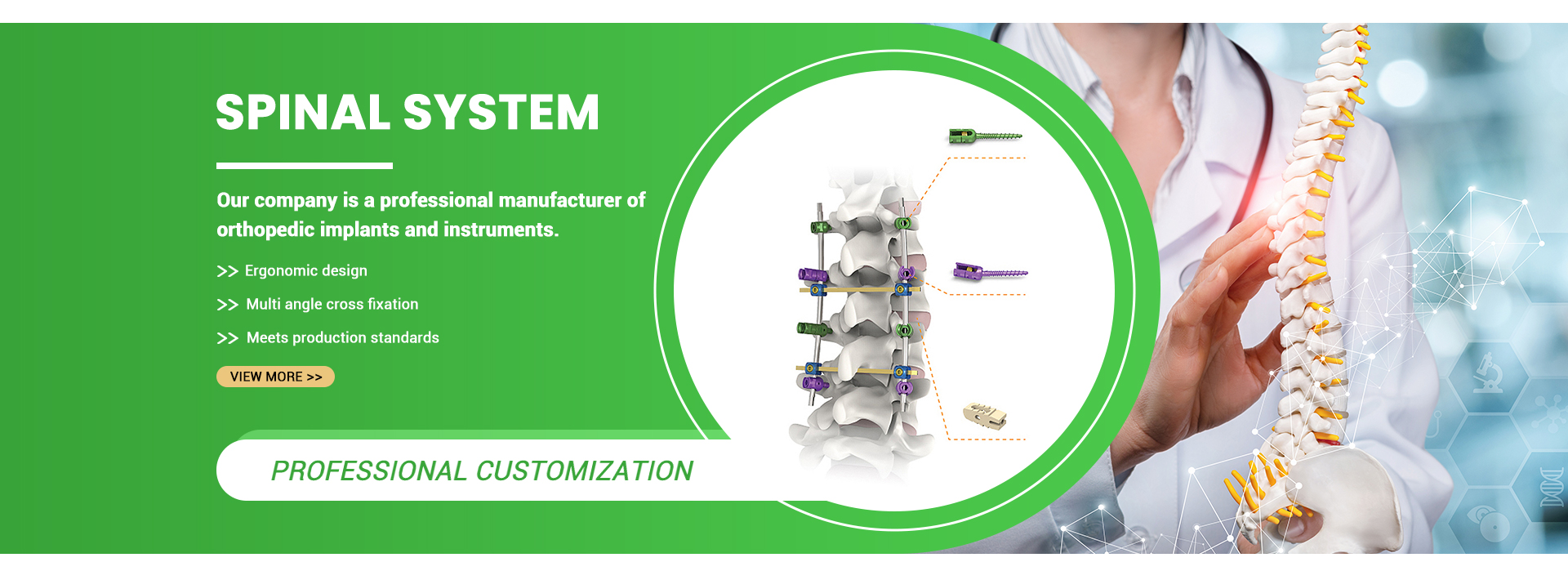
Streamlined biomechanical solutions engineered for Mon State’s orthopedists, neurosurgeons, and hospital biomedical engineering units.

Regional Medical Context
Spinal Fusion Cage Clinical Applications in Mawlamyine
Addressing the epidemiological realities and healthcare dynamics of Mon State and Southeastern Myanmar through targeted biomechanical designs.
High-Energy Trauma from NR-8 Corridor
Mawlamyine General Hospital serves as the pivotal trauma hub for highway traffic, agricultural transport, and coastal logging operations along National Route 8. Unstable burst fractures and subluxations of the thoracolumbar junction (T11-L2) demand immediate spinal column anterior reconstruction. Our bullet-nosed PEEK and porous titanium cages ensure structural restoration with exceptional migration resistance under compressive forces.
Severe Degenerative Disc Disease & Spondylolisthesis
With an aging rural population engaged in rigorous agrarian labor—including rubber tapping and paddy processing across Mudon and Chaungzon—chronic discopathy and degenerative spondylolisthesis are widely prevalent. Our TLIF (Transforaminal Lumbar Interbody Fusion) cages feature biconvex surfaces and anatomically contoured lordotic angles (4° to 12°), allowing surgeons in Mawlamyine to restore natural sagittal balance through minimally invasive transforaminal windows.
Tuberculous Spondylitis (Pott’s Disease) Debridement
Granulomatous destruction of the anterior vertebral column remains an enduring clinical challenge in Southern Myanmar. Following aggressive anterior debridement of necrotic bone, structural stability requires large-cavity mesh cages. Our expandable titanium mesh designs offer expansive central graft chambers capable of packing massive autologous or allogenic morselized bone, promoting 360-degree arthrodesis despite compromised vascularity.
| Implant Specification | PEEK-OPTIMA® Interbody Cage | 3D Porous Titanium (Ti-6Al-4V) Cage | Expandable Vertebral Mesh Cage |
|---|---|---|---|
| Elastic Modulus (GPa) | 3.2 – 3.8 GPa (Iso-elastic with cortical bone) | 105 GPa (Bulk) / 2.5 – 5.0 GPa (Micro-porous matrix) | 110 GPa (High load-bearing structural lattice) |
| Radiographic Profiling | Radiolucent with Tantalum marker pins | Radio-opaque; micro-trabecular visibility | Radio-opaque for rigid vertical height monitoring |
| Primary Clinical Indication | Degenerative Disc Disease (TLIF/PLIF/ACDF) | Osteoporotic fusion & revision spine surgery | Corpectomy following trauma, tumor, or Pott's disease |
| Subsidence Prevention | Large footprint with aggressive anti-migration serrations | Direct osteointegration prevents micro-motion | End-cap perimeter teeth distribute endplate stresses |
| Suitability for Mawlamyine | Tender Compliant Ideal for standard hospital tenders | Advanced Care Top choice for private medical centers | Trauma Centers Essential for regional referral trauma units |
Market Intelligence
Emerging Trends in Mon State’s Orthopedic Supply Chain
Understanding shifting procurement landscapes, procedural shifts, and supply resilience within Southeastern Myanmar.
Decentralization Beyond Yangon
Historically, complex spine pathologies from Mawlamyine, Kyaikmaraw, and Ye were routinely evacuated 300 km north to Yangon General Hospital. Today, regional healthcare development is prioritizing specialized spine operating rooms in Mon State. Local surgical teams actively seek complete, matched implant systems—avoiding fractured shipments and missing instrument trays.
Shift Toward MIS Interbody Fusion
Post-operative infection management and prolonged inpatient recovery place heavy financial burdens on local families. Spine specialists in Mawlamyine are swiftly transitioning toward Minimally Invasive Surgery (MIS) TLIF techniques. Our streamlined inserters, radiopaque bullet tips, and low-profile pedicle screw instrumentation reduce soft-tissue retraction, intraoperative blood loss, and length of hospital stay.
Direct Factory Consignment Models
Fluctuating currency values and third-party trading middlemen inflate implant prices in Myanmar's private market. Mawlamyine distribution consortiums and independent hospital surgical committees increasingly bypass agents, establishing factory-direct contracts with validated manufacturers like GMV Medical to secure competitive ex-factory pricing and direct OEM support.
Emphasis on Regulatory Transparency
With stricter oversight by Myanmar’s Department of Food and Drug Administration (FDA), hospital tenders require full batch traceability, raw material mill certificates, and validated sterilization reports. Uncertified grey-market implants are rapidly being replaced by products carrying full third-party audits, ISO 13485 certification, and TÜV Rheinland verification.
True Manufacturing Capability
Why Healthcare Buyers & Importers Partner with GMV Medical
Operating a 100% self-owned, vertically integrated manufacturing campus in Suzhou, China—eliminating middlemen and ensuring hospital-grade biomechanical reliability.
TÜV Rheinland On-Site Assessed
Our production lines, QA/QC testing facilities, and cleanrooms undergo strict on-site third-party assessment by TÜV Rheinland. We provide overseas buyers and tender boards with comprehensive inspection reports, eliminating supplier qualification risks.
Multi-Axis CNC Precision Machining
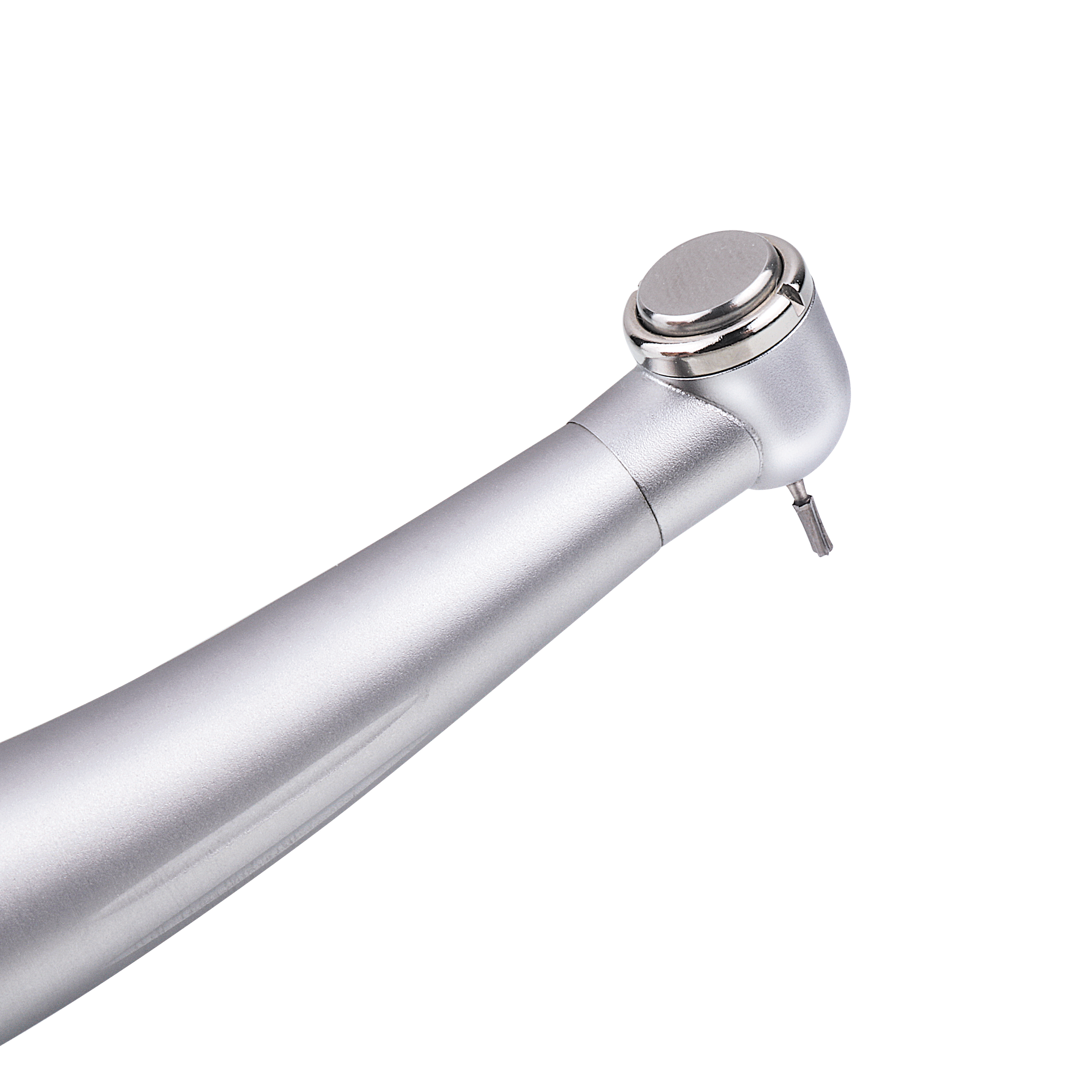
Our factory floor features high-precision multi-axis CNC lathe centers, precision slitting units, and specialized milling machinery dedicated to medical implants. We maintain sub-micron dimensional tolerances on intricate cage serrations and locking threads.
In-House Biomechanical Verification Lab
Every production batch undergoes destructive and non-destructive evaluations in our quality control lab—including tensile stress testing, Rockwell hardness verification, and profile projector optical dimensional assessments to prevent clinical failures.
Procurement Clarity
Frequently Asked Questions by Mawlamyine Buyers
Addressing common queries from hospital procurement officers, tender bidders, and orthopedic distributors in Southeastern Myanmar.
What documentation do you provide for Myanmar FDA medical device registration?
Jiangsu GMV Medical Device Co., Ltd. provides a complete regulatory dossier for registration with the Myanmar Department of Food and Drug Administration (FDA). This includes ISO 13485:2016 certifications, Certificate of Free Sale (CFS), raw material mill test certificates (conforming to ASTM F2026 for PEEK-OPTIMA and ASTM F136 for Ti-6Al-4V ELI), biocompatibility test summaries, sterilization validation protocols, and comprehensive Instructions for Use (IFU).
How are surgical instruments paired with interbody cages for Mawlamyine hospitals?
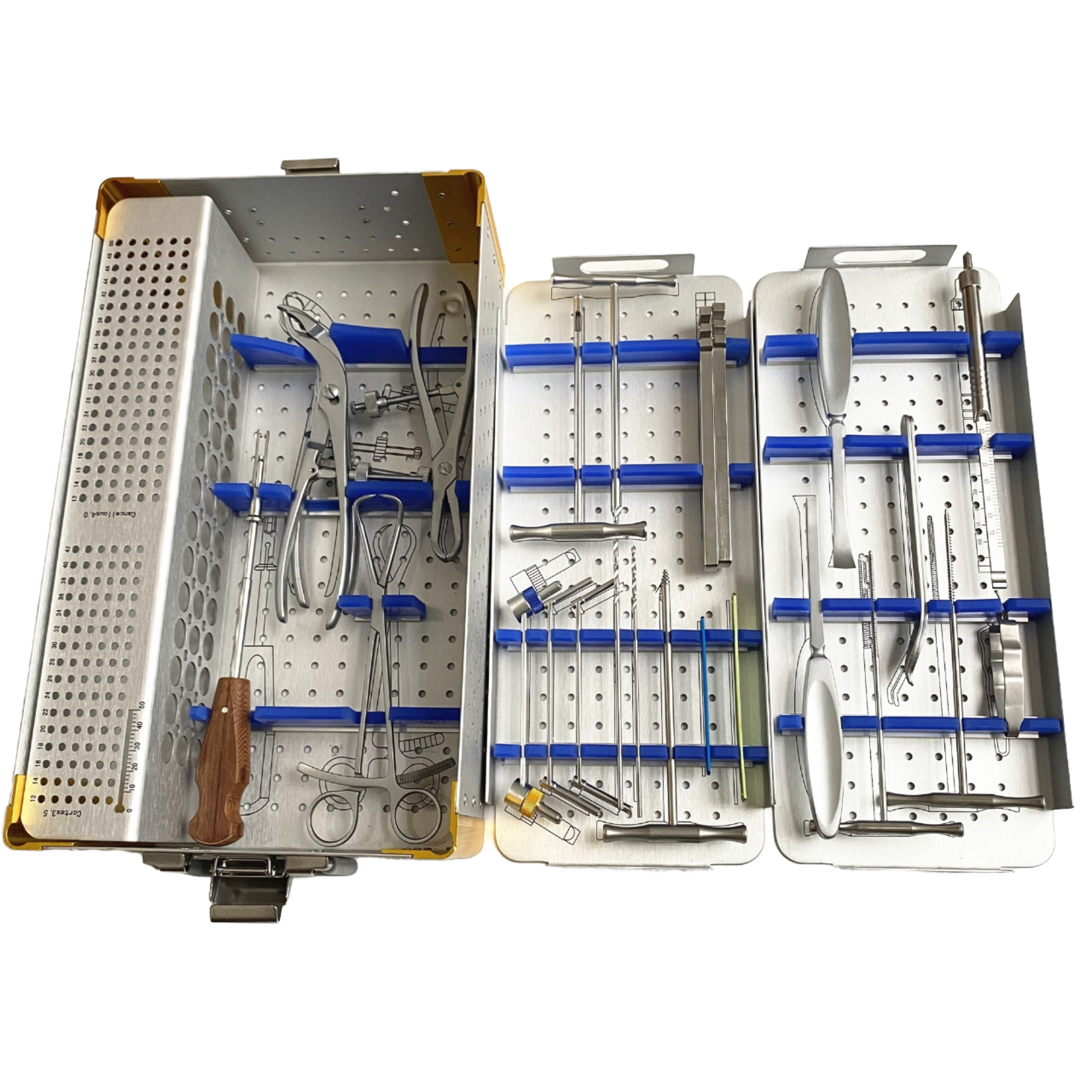
We supply complete, dedicated spinal instrument kits organized in custom-milled, autoclavable double-tier aluminum containers. Every kit includes trial spacers, slap hammers, disc shavers, curved curettes, trial inserters, and quick-release cage holding shafts. Because implants and instruments are designed and machined under one roof, trial dimensions correspond 1:1 with final implants, preventing intraoperative fit discrepancies.
What are the lead times and shipping routes into Mawlamyine, Mon State?
Standard inventory orders ship from our Shanghai port hub within 5 to 7 business days. For air express consignments (via Yangon International Airport - RGN), delivery to your designated clearing agent in Yangon or directly to Mawlamyine logistics depots takes approximately 7–10 days. For bulk institutional tenders, ocean freight to Yangon (Thilawa Port) is routed within 18–25 days, followed by domestic bonded trucking south along the Yangon-Mawlamyine highway.
Can we order custom OEM laser-marking and private labeling for our dealership?
Yes. As a direct OEM/ODM manufacturer, we provide custom high-precision fiber laser marking for distributor branding, clinic logos, catalog codes, and unique device identification (UDI) lot numbers. We also accommodate localized secondary packaging, customized sterile peel pouches, and multilingual labeling tailored to hospital tender protocols.
How do your PEEK and Titanium cages withstand tropical, high-humidity storage?
Mawlamyine's coastal tropical climate features seasonal monsoons with extreme relative humidity. Non-sterile implants are passivated to ASTM A967 specifications, coated in medical-grade protective film, and hermetically sealed with desiccant packs. Pre-sterilized gamma/EtO-treated implants feature puncture-resistant Tyvek® double-blister packaging, maintaining a verified 5-year sterile shelf life under tropical warehouse conditions.
