Engineered Surgical Drilling Systems & Orthopedic Ensembles
System-matched power handpieces, anatomical trauma plates, external frames, and clinical training devices designed for high surgical fidelity and operating room resilience.

Sternum Drill & Oscillating Saw
Electric surgical saw engineered for rapid sternotomy and arthroplasty osteotomy procedures with stepless speed control.
View Specifications
External Fixator Rod Coupling
High-tensile clamp components providing stable ringent fixation and quick mechanical locking for open reduction trauma frameworks.
View Specifications
Dental & Bone Tool Case
Heavy-duty stainless steel organization containers designed for high-temperature autoclaving and micro-instrument protection.
View Specifications
Small Fragment Instrument Kit
Comprehensive orthopedic instrument ensemble tailored for radial, ulnar, and clavicle osteosynthesis procedures.
View Specifications
Separated Human Skull Model
Medical-grade PVC cranial anatomy simulator enabling precision drilling rehearsal, craniotomy study, and anatomical demonstration.
View Specifications
3-Part Muscular Skull Model
Dissectible morphological teaching model detailing neurovascular corridors and muscular insertions for orthopedic training labs.
View Specifications
High-Speed Surgical Handpiece
Turbine-driven bone burr handpiece constructed from corrosion-resistant alloy, optimized for maxillofacial osteotomy and bone grafting.
View Specifications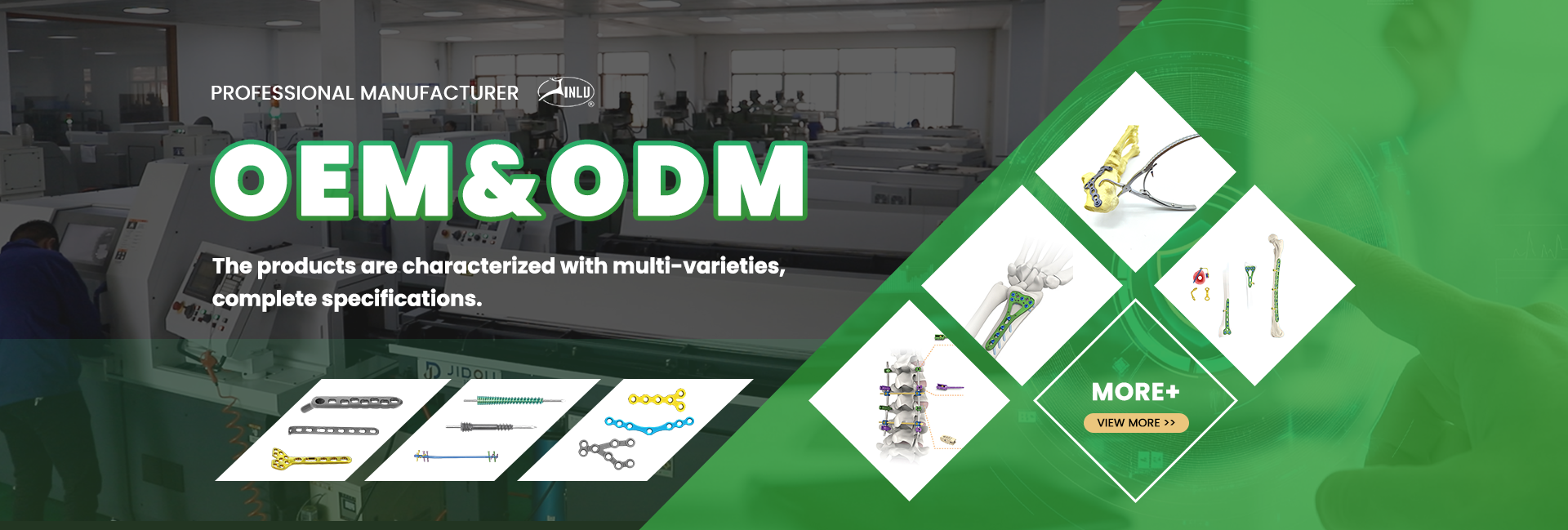
Cannulated Bone Drill System
High-torque cannulated power drill engineered for intramedullary reaming and K-wire placement in trauma operations.
Send an InquiryEngineered In-House: Traceable Quality From Bar Stock to OR
As verified by TÜV Rheinland, Jiangsu GMV Medical Device Co., Ltd. eliminates procurement vulnerability by uniting CNC micro-machining, precision metallurgical testing, and global export compliance under one roof.
Direct OEM/ODM Facility
Operating a sprawling manufacturing base in Jinfeng Town, Suzhou, China, GMV executes direct engineering contracts without broker margins, delivering custom drill ratios, chucks, and locking geometry tailored to proprietary surgical techniques.
High-Precision CNC Center
Our workshop houses high-precision multi-axis CNC lathe turning centers, dynamic balance calibers, and vertical machining tooling centers capable of holding tolerances within ±0.005mm on critical rotating drill drive shafts and intramedullary reaming components.
Empirical Metallurgy & QA Lab
Every batch of raw medical-grade titanium alloy and 316L stainless steel is validated using calibrated optical projectors, Rockwell hardness testers, and tensile test rigs to certify mechanical yield limit, torsional shear integrity, and fatigue resistance.
Independent TÜV Verification
International tender consortia and regional distributors can independently access verified audit dossiers compiled on-site by TÜV Rheinland, validating our quality management system, process sanitation, and technical declaration files.
End-to-End Laser Traceability
High-contrast micro-fiber laser marking machines apply permanent, biocompatible UDI codes, batch sequence numbers, and client branding directly onto drill chuck housings and bone plates to safeguard operative sterility and clinical traceability.
Multi-Language Export Desk
With 20+ years of dedicated international trade distribution experience, our export sales engineers navigate international shipping documentation, freight forwarding arrangements, and technical dossier creation across 16 global languages seamlessly.
Clinical Whitepaper: The Strategic Role of Surgical Bone Drills in Hamhung Healthcare
Hamhung represents the second largest urban industrial and medical hub in the eastern sector of North Korea, anchored by significant regional polyclinics, university medical colleges, and provincial trauma referral centers. As municipal heavy manufacturing, transport networks, and civil construction activities expand throughout South Hamgyong Province, clinical centers are required to process a complex spectrum of severe musculoskeletal injuries. Modernizing operating room infrastructure with reliable, low-maintenance surgical bone drills is paramount to reducing complication rates and intraoperative surgical duration.
Target Clinical Scenarios Across Regional Hospital Networks
Surgical power tools destined for procurement in Hamhung serve several specific clinical surgical branches within public general hospitals and specialized orthopedic clinics:
High-Impact Industrial Trauma
Complex comminuted fractures of long bones (femur, tibia, humerus) requiring cannulated drilling, intramedullary reaming, and multi-axial locking plate fixation under damage-control orthopedic protocols.
Reconstruction & Osteotomy
Elective deformity realignments, non-union remediation, and joint fusion using high-precision micro-drills, high-speed burrs, and oscillating sternum/sagittal saws designed for stable bone contact margins.
Severe Open Fracture Care
Rapid percutaneous insertion of heavy transfixion pins and Schanz screws for unilateral or ring external fixation frames under emergency damage control orthopedic scenarios.
Biomechanical Parameters: Titanium Alloy vs. 316L Stainless Steel Hardware Matching
Selecting surgical bone drills requires strict consideration of the implants and bone screws they are paired with. Drilling hole dimensions must correlate precisely with the root diameter of cortical and cancellous screws to prevent micro-fracturing during tap insertion. Below is GMV's metallurgical guidance reference for hospital procurement specialists:
| Evaluation Parameter | Medical Titanium Alloy (Ti-6Al-4V ELI) | Surgical Grade 316L Stainless Steel | Surgical Drill Bit Requirements |
|---|---|---|---|
| Elastic Modulus (GPa) | 110 GPa (Closer to cortical bone) | 200 GPa (High structural rigidity) | Requires precise axial alignment without lateral run-out (≤0.03mm) |
| Corrosion Resistance | Superior passivated oxide film | High resistance in physiological saline | High-torque, constant irrigation to prevent metallic particle shed |
| Fatigue Strength (Cycles) | Extremely High endurance limit | High ductile yield strength | Quick-release Jacobs/AO chuck avoids micro-notching drill shafts |
| Primary Clinical Use | Spinal systems, micro-trauma, joint repair | Heavy trauma plates, external fixators | Universal coupling for rapid alternation between drill & driver modes |
| Sterilization Durability | Inert to repeatedly autoclaved cycles | Resilient across autoclave regimes | Motor seals certified IPX8 at 134°C steam autoclave pressurization |
Emerging Procurement & Technological Trends in the Region
Procurement directors and hospital administrators in Hamhung are prioritizing equipment durability, lifecycle autonomy, and total cost of ownership over fragile proprietary single-vendor systems. Several clear technical shifts dominate modern tender allocations:
1. Modular Universal Chuck Architecture: Hospitals increasingly move away from isolated, proprietary drill fittings. Modern ORs request multi-function handpiece sets capable of accepting AO quick-coupling drill bits, K-wire cannulations (up to 4.0mm internal lumen), and reciprocating saw attachments via a single, autoclavable drive unit.
2. Autoclavable Battery vs. Cable-Driven Dual Configurations: Due to fluctuating power grid conditions in industrial provincial zones, medical facilities demand drills equipped with high-density nickel-metal hydride (NiMH) or lithium-iron-phosphate battery packs that withstand hundreds of vacuum autoclave cycles. Concurrently, backup wired console adapters guarantee uninterrupted operating theatre operation during long reconstruction procedures.
3. Sterilization Barrier Longevity: High-humidity environments and intense regional sterilization protocols (including formalin fumigation and high-temperature pressurized steam autoclaves) necessitate robust silicone O-ring hermetic seals and brushless, non-sparking drive motors that resist chemical degradation and internal bearing rust.
Frequently Asked Questions: Sourcing Surgical Bone Drills in Hamhung
Real-world technical and logistical answers addressing the inquiries of medical device importers, regional hospital committees, and international procurement agencies.
Equip Your Surgical Departments with Precision Tools
Contact our medical engineering and international tender team to request full product catalogs, CE / ISO documentation, or tailored OEM/ODM bone drill quotations for your clinical projects.
