Small Fragment Orthopedic Upper Limb Instrument Kit
Surgical stainless steel manual set with torque-limiting screwdrivers, drill sleeves, and bone-holding reduction forceps for periarticular procedures.

Targeted mechanical configurations engineered from medical-grade Titanium Alloy (Ti-6Al-4V ELI) and 316L Stainless Steel, compatible with clinical pathways established across Dolnośląskie hospitals.
Surgical stainless steel manual set with torque-limiting screwdrivers, drill sleeves, and bone-holding reduction forceps for periarticular procedures.

High-torque autoclavable surgical power tool offering micro-stroke cutting precision, optimized for high-demand trauma resections and rapid osteotomy access.
Anatomical visualization platform designed for pre-operative screw trajectory simulation, biomechanical teaching, and trauma workshop education.
Anodized medical stainless steel and polymer organization system designed for high-temperature autoclaving and rapid OR kit turnaround.
Ergonomic stainless-steel pneumatic handpiece ensuring stable micro-drilling, low thermal generation, and balanced rotational stability.
High-fidelity medical PVC reconstruction for trauma surgical training, reconstructive planning, and implant pre-bending validation.
Quick-clamp damage-control clamp designed for temporary bridging of multi-fragmentary open tibial fractures prior to definitive internal plate fixation.
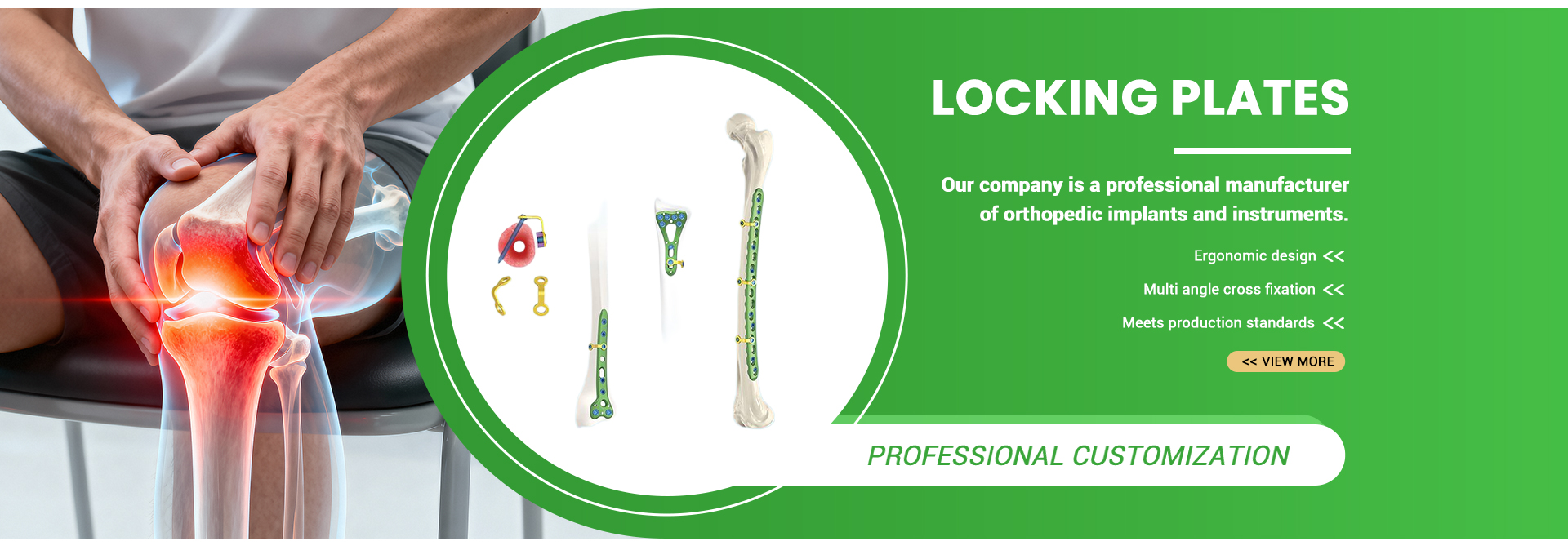
Pre-shaped low-profile plates including proximal lateral, medial, and distal pilon constructs with combi-holes for multi-axial angle-stable compression.
Biomechanical and logistical demands defining implant procurement across the clinical network of the Dolnośląskie voivodeship.
At regional trauma hubs like Uniwersytecki Szpital Kliniczny at Borowska, complex high-speed highway collisions on the A4 and S8 motorways result in bicondylar tibial plateau fractures (AO/OTA Type 41-C3). Our proximal lateral locking plates incorporate targeted subchondral rafting screw clusters that prevent joint depression and secondary articular subsidence under direct axial loads.
Lower Silesia’s demographic shifting demands angle-stable locking solutions for elderly patients suffering low-energy fragility falls. Conventional non-locking screws frequently strip in compromised cancellous bone. Our multi-axial locking plate system distributes mechanical strain across fixed-angle conical thread interfaces, providing immediate angular stability without compressing periosteum or destroying micro-vasculature.
Proximity to the Karkonosze and Sudeten mountain corridors brings specialized rotational trauma to Wrocław operating theaters, notably distal tibial spiral fractures and complex pilon fractures (AO/OTA Type 43-B/C). Low-profile distal medial and anterolateral plates provide essential soft-tissue clearance around vulnerable anterior skin envelopes, drastically reducing wound dehiscence rates.
A strategic whitepaper overview of regulatory transitions, financial constraints, and supply chain shifts in Polish trauma device sourcing.
The medical device landscape in Poland, specifically within the healthcare ecosystem of Wrocław and the wider Lower Silesian basin, is undergoing an unprecedented restructuring. Institutional procurement authorities—governed by public tender directives under the Public Procurement Law (Prawo zamówień publicznych)—are actively seeking alternatives to legacy Western European and American conglomerates whose operational cost burdens are no longer sustainable within National Health Fund (Narodowy Fundusz Zdrowia - NFZ) reimbursement ceilings.
Key regulatory and logistical dynamics driving this transition include:
The phasing out of the MDD framework has placed extreme scrutiny on clinical documentation. Hospital procurement panels in Wrocław require robust Post-Market Clinical Follow-up (PMCF) records, verified biological safety under ISO 10993, and full Class IIb technical files to satisfy national inspection mandates.
Fixed DRG reimbursement matrices established by the Polish Ministry of Health mean that excessive implant unit costs directly erode the operating margins of municipal and clinical hospital departments. Sourcing directly from verified high-capacity manufacturers offers substantial cost savings without compromising metallurgical purity.
Disruptions in global airfreight corridors have accelerated the demand for domestic consignment inventory. Wrocław distributors require Tier-1 manufacturing partners capable of holding dedicated sub-assemblies and rapid restocking pipelines to guarantee unbroken OR supply chains.
| Implant Parameter | Jiangsu GMV Medical Standards | Polish Tender Baseline Requirements | Surgical Clinical Benefit |
|---|---|---|---|
| Alloy Composition | Ti-6Al-4V ELI (ISO 5832-3 / ASTM F136) | Certified biocompatible Grade 5 ELI | Minimizes stress-shielding, superior osseointegration |
| Screw Thread Tolerances | ±0.005 mm CNC-Machined Pitch Precision | Standard DIN/ISO compliance | Eliminates cross-threading risks inside emergency OR suites |
| Surface Treatment | Type II Anodization (Fatigue-resistant microfinish) | Electropolished or Type I / II anodized | Reduces soft-tissue friction and micro-fretting corrosion |
| Plate Profile Design | Tapered tip, 2.8 mm – 3.8 mm anatomical contour | Pre-contoured anatomical geometry | Enables minimally invasive MIPO insertion without skin tenting |
| Traceability Coding | Individual High-Contrast Optical UDI Laser Marking | Lot, part code, and dimension identification | Immediate electronic scanning and barcode stock management |
Addressing essential compliance, operational, and financial considerations for medical device distributors, tendering agents, and hospital directors in Poland.
We provide full technical documentation dossiers aligned with EU 2017/745 (MDR) standards, including complete metallurgical melt certificates, ISO 10993 cytotoxicity and biological assessment summaries, mechanical static and dynamic fatigue data (ASTM F382 for bone plates), and sterilized/non-sterile validation protocols for seamless submission to the Polish Office for Registration of Medicinal Products, Medical Devices and Biocidal Products (URPL).
Yes. We operate complete private-label OEM/ODM services. We can execute custom laser etching directly on plates and screws with your local distribution brand, produce dual-language IFUs (Instructions for Use) in Polish and English, and deliver individualized sterile blister packs or non-sterile bulk packaging complete with GS1-compliant Datamatrix UDI barcodes.
Standard export orders are produced and quality-checked within 20 to 30 days. Shipments routed via air cargo to Wrocław Copernicus Airport (WRO) take 5 to 7 transit days. For heavy containerized orders, rail freight via the New Silk Road directly to the Małaszewice terminal or sea freight to Gdańsk provides highly cost-effective 20-to-28-day delivery windows.
Our dedicated tibial instrument sets are designed to DIN surgical standards, featuring quick-connect hex and Stardrive connections, standardized drill bit quick-couplings, and color-coded guides. Our custom sterilization graphic trays fit all standard European autoclaves (134°C pre-vacuum steam cycles) in widespread use across Polish hospital central sterile services departments (CSDD).
We welcome third-party and client audits. Our production campus in Jinfeng Town, Suzhou, has been assessed on-site by TÜV Rheinland. We can facilitate formal in-person visits or coordinate high-definition interactive live video audits covering raw bar inspection, 5-axis CNC machining, ultrasonic cleaning, cleanroom packaging, and laboratory mechanical testing.
For standard catalog configurations of tibial locking systems, we support flexible initial sample runs starting at low minimums to facilitate hospital evaluation trials. For full custom plate developments based on surgeon CAD models or CT segmentations, our dedicated tooling and prototype line enables initial validation batches of 50 to 100 units.
Operating a verified 121-person orthopedic fabrication infrastructure with complete internal control from certified raw ingot to final sterile packaging.
Every bar of Ti-6Al-4V ELI and implant-grade 316L is verified via chemical spectrum analysis and mechanical tensile testing before entering the production queue.
State-of-the-art multi-axis Swiss lathes and vertical machining centers cut intricate anatomical contours, combi-holes, and self-tapping screw flutes at micron tolerances.
Robotic and manual deburring, micro-glass bead blasting, and automated electrochemical passivation ensure flawless surface finishing and superior corrosion resistance.
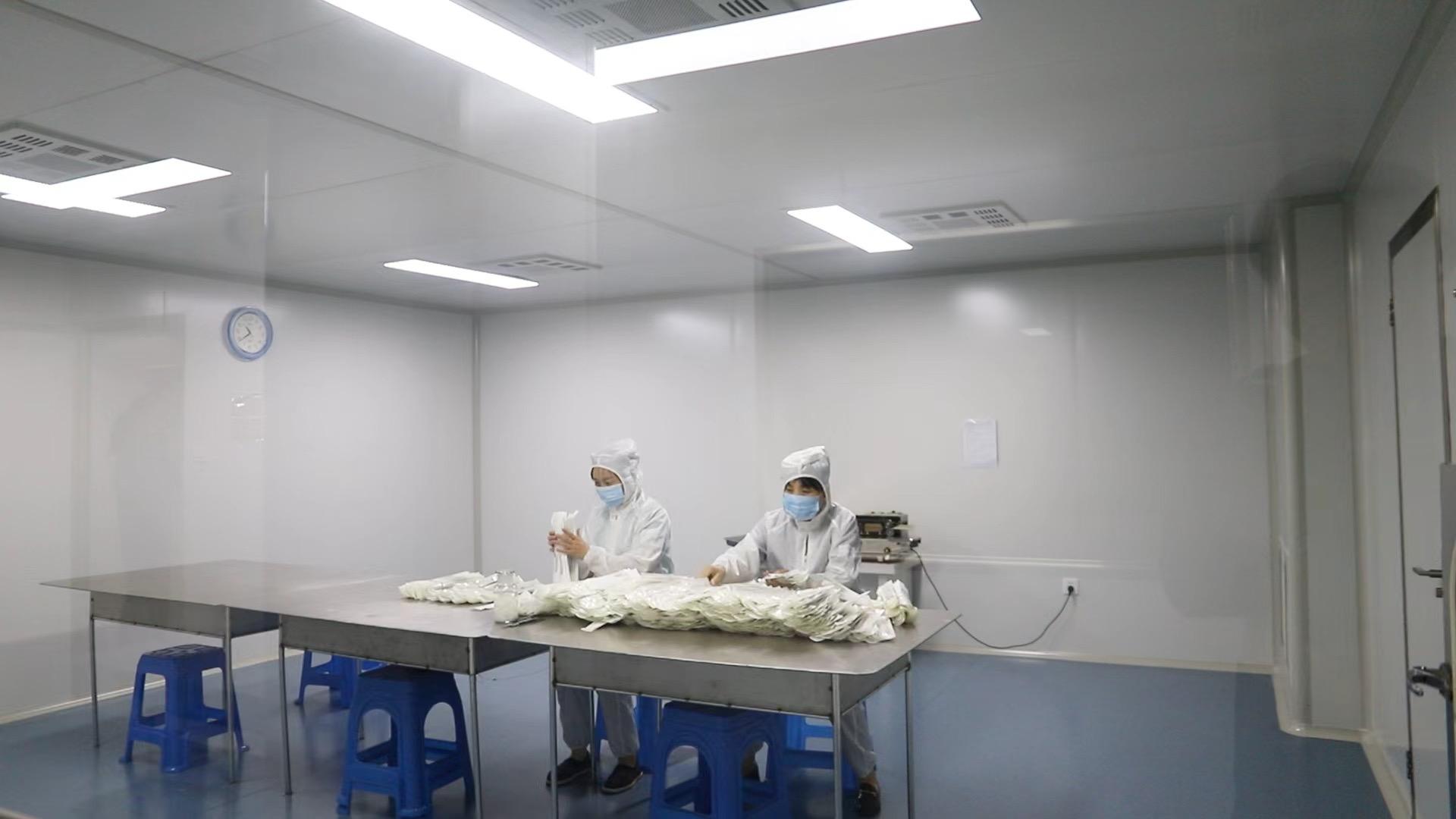
100% optical projector contour verification, automated coordinate measuring machines (CMM), and particulate-controlled cleanroom packaging for total biological safety.
Jiangsu GMV Medical Device Co., Ltd. combines 27+ years of specialized implant manufacturing with comprehensive international trade support. Our facility in Suzhou maintains complete quality management systems certified to international benchmarks, delivering proven cost-efficiency directly to Polish distribution partners.