High-Precision Trauma & Surgical Systems Serving Tokyo
Engineered to rigorous ISO 13485 and Japanese Pharmacopeia tolerances, offering rapid deployment to emergency medical centers and trauma hubs across Kanto.







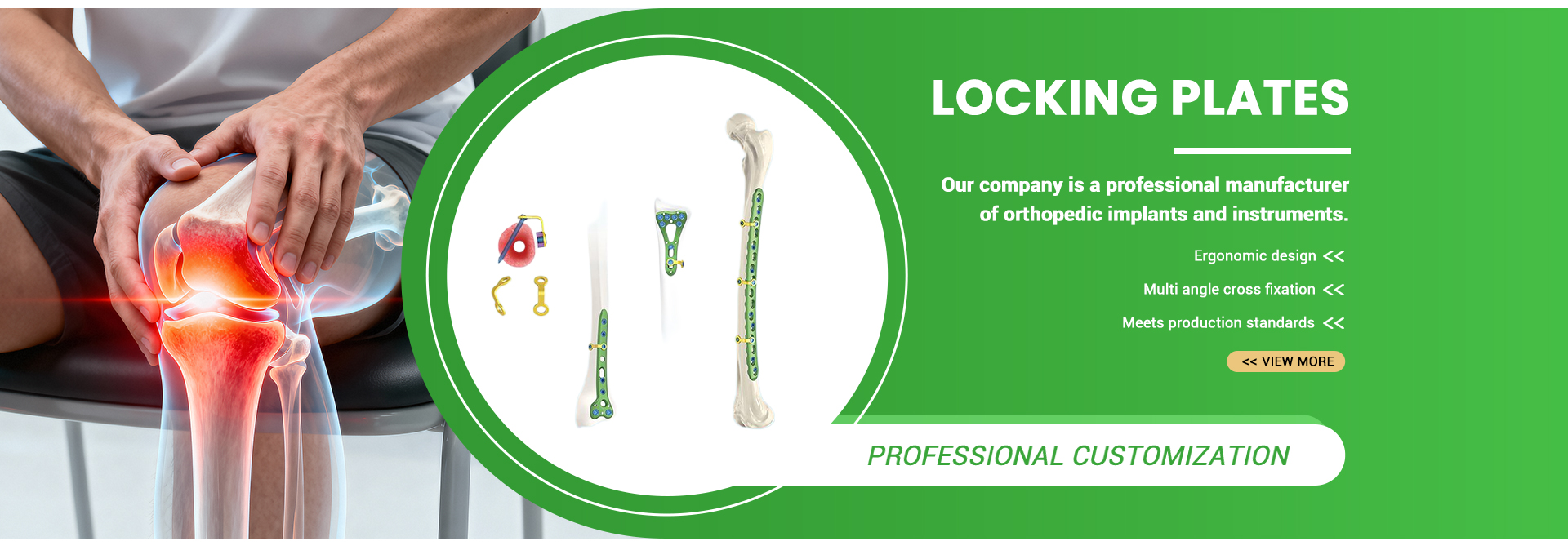
Engineering High-Integrity Trauma Fixation for Greater Tokyo's Orthopedic Infrastructure
The Tokyo Metropolitan Area represents one of the world's most sophisticated and demanding medical devices and surgical procurement ecosystems. Encompassing world-class university medical centers in Bunkyo and Shinjuku, critical tertiary trauma centers (救命救急センター, Kyumei Kyukyu Center), and an extensive regional network of secondary acute-care hospitals across Kanagawa, Saitama, and Chiba, Tokyo's surgical environment necessitates uncompromising metallurgical fidelity, biological compatibility, and dimensional reproducibility. As the global healthcare landscape navigates supply chain bottlenecks and cost-containment directives under Japan's Diagnosis Procedure Combination (DPC/PDPS) reimbursement system, clinical distributors and surgical supply partners serving Tokyo require factory-direct manufacturing partnerships that harmonize competitive unit economics with unyielding compliance to Japan's Pharmaceuticals and Medical Devices Agency (PMDA) standards.
Jiangsu GMV Medical Device Co., Ltd., operating from advanced medical manufacturing facilities in Jinfeng Town, Suzhou, provides the manufacturing caliber, metallurgical validation, and engineering scalability demanded by the Tokyo surgical market. Backed by more than 27 years of dedicated manufacturing expertise, on-site third-party audit verification by TÜV Rheinland, and a qualified technical workforce of 121 specialists, our operations bridge the gap between high-volume Swiss-type precision machining and bespoke anatomical implant development. This technical brief examines the clinical biomechanics, localized epidemiological requirements, regulatory pathways, and industrial synergies involved in deploying orthopedic trauma implant systems throughout the Tokyo metropolitan area.
1. Clinical Biomechanics: Structural Demands of the East Asian Skeletal Morphology
A critical consideration often overlooked by standard Western implant catalogs is the distinct anatomical curvature, bone mineral density gradient, and diaphyseal radius common in the East Asian demographic. In tertiary hospitals across Tokyo, surgeons frequently report mismatch issues when deploying pre-contoured femoral and tibial anatomical plates designed primarily for Caucasian cohorts. The anterior bow radius of the East Asian femur typically ranges between 950 mm and 1100 mm, contrasting sharply with the 1200 mm to 1400 mm curvature profiles standard in Western orthopedic lines. When mismatched implants are forced into alignment, intraoperative hoop stress increases dramatically, leading to iatrogenic cortical fissure or malalignment of the mechanical axis.
Jiangsu GMV Medical has systematically optimized its locking compression plate (LCP) dies and 5-axis CNC toolpaths to address these anatomical specifications. Our pre-contoured distal radius volar plates, proximal humerus locking assemblies, and distal lateral femoral plates incorporate precise, lower-profile geometries with low-contact undercut profiles. This design preserves periosteal vascularity while enabling flush seating on the periarticular cortex, eliminating the necessity for excessive intraoperative plate bending that degrades titanium's fatigue life.
Trauma Implant Application Scenarios in Tokyo Healthcare
Tailored implant configurations matching the clinical workflows of emergency departments, university research hospitals, and rehabilitation networks across Tokyo.
Super-Aged Fragility Fracture Care
Supporting Tokyo's specialized gerontology units (e.g., Tokyo Metropolitan Institute of Gerontology) in managing low-energy falls resulting in intertrochanteric, femoral neck, and distal radius fragility fractures. Our cephalomedullary nails featuring helical blade mechanisms and multi-axial locking plates provide biological fixation and augmented purchase within micro-architecturally deteriorated, osteoporotic bone.
Metropolitan Polytrauma & DCO
Deployable across Tokyo's Level 1 Emergency Critical Care Centers for high-energy vehicular and commuter rail trauma. Our modular external fixator systems with quick-locking ringent rod couplings and self-drilling Schanz pins facilitate rapid Damage Control Orthopedics (DCO), temporarily stabilizing mangled limbs and open compound fractures prior to definitive reconstruction.
Minimally Invasive MIPO Protocols
Designed for university surgical clinics prioritizing Minimally Invasive Percutaneous Plate Osteosynthesis (MIPO). Ultra-slim, tapered plate tips combined with radiolucent carbon-fiber insertion guides enable submuscular sliding along the shaft without extensive soft-tissue stripping, significantly shortening patient length-of-stay (LOS) under Tokyo's hospital DPC benchmarks.
Implant Grade Titanium vs. Surgical Stainless Steel
Comprehensive biomechanical comparison to guide Japanese hospital formulary committees and medical distribution buyers.
| Evaluation Parameter | Ti-6Al-4V ELI (Grade 5 ASTM F136) | Medical 316L Stainless (ASTM F138) | Clinical Relevance for Tokyo Hospitals |
|---|---|---|---|
| Elastic Modulus (GPa) | 105 – 114 GPa (Closest to cortical bone) | 195 – 205 GPa (Rigid) | Titanium significantly dampens "stress shielding," crucial in avoiding secondary bone resorption in elderly Japanese cohorts. |
| Yield Strength (MPa) | ≥ 860 MPa | ≥ 690 MPa | High yield strength ensures load transmission in active patients and withstands full weight-bearing rehabilitation protocols. |
| Fatigue Endurance (Cycles) | > 10,000,000 cycles (dynamic bending) | > 5,000,000 cycles | Critical for non-union or delayed union fractures requiring long-term implant integrity without plate catastrophic breakage. |
| MRI / CT Compatibility | Minimal artifacting; non-ferromagnetic | Moderate scatter and diagnostic shadow | Tokyo's dense diagnostic imaging environments (high-field 3.0T MRI units) favor titanium for postoperative artifact reduction. |
| Biocompatibility / Passivation | Stable, spontaneous TiO2 oxide layer | Chromium oxide passive layer | Near-zero risk of nickel hypersensitivity, preventing delayed deep wound swelling and implant extraction surgeries. |
| Cost vs. Target Tender Profile | Premium trauma line; long-term clinical value | Economical; optimal for cost-sensitive bids | Allows Tokyo distributors to offer balanced dual-tier formularies meeting varied hospital municipal budgets. |
Macro Dynamics Driving Tokyo's Orthopedic Procurement
Navigating demographic aging, health insurance fiscal reform, and strategic hospital supply chain realignment.
Hyper-Aging Fragility Influx
Over 31% of the Tokyo metropolitan population is projected to exceed 65 years by 2030. This demographic reality shifts the trauma center case mix from high-energy road traffic accidents toward osteoporotic hip, wrist, and spine fragility fixations requiring specialized screw thread designs and bone cement augmentation compatibility.
DPC Reimbursement Compression
Under Japan's Ministry of Health, Labour and Welfare (MHLW) Biennial Price Revisions, reimbursement ceilings for internal fixation devices continue to face downward pressure. Hospital procurement boards in Tokyo are proactively seeking factory-direct OEM suppliers to bypass trading house markups without compromising device reliability.
Seismic Resilience Reserve
Under the Tokyo Metropolitan Disaster Prevention Plan (東京都地域防災計画), disaster base hospitals (災害拠点病院) maintain strategic reserves of external fixation kits and emergency trauma trays. Sourcing modular, versatile trauma kits ensures shelf-stable, rapid-application emergency readiness across Kanto.
Direct Jiangsu-Tokyo Supply Corridors
Geographic proximity between our Suzhou production facilities and Tokyo (via Shanghai Port to Tokyo Bay/Oi Container Terminal, or direct air freight via Pudong to Narita/Haneda in under 3 hours flight time) eliminates the multi-month freight lead times typical of European and North American alternatives.
Jiangsu GMV Medical: World-Class Production Capabilities
Controlling every critical step in-house, certified by independent international audit authorities, and engineered to zero-defect surgical standards.
27+ Years of Dedicated Expertise
Operating continuously since our founding, Jiangsu GMV Medical Device Co., Ltd. has developed specialized trauma, spine, and surgical tooling product lines. With 121 verified staff and dedicated engineering departments, we bring deep institutional knowledge to implant design, CAD/CAM prototyping, and clinical usability.
TÜV Rheinland On-Site Assessed
Our complete manufacturing plant in Jinfeng Town, Suzhou, has been audited and certified on-site by TÜV Rheinland. International procurement teams and Japanese regulatory auditors can review full assessment reports confirming our production capacity, quality assurance protocols, and cleanroom environmental controls.
In-House Precision CNC Machining
Equipped with high-precision CNC lathes, 5-axis vertical machining centers, automated slitting machines, and specialized milling units. We maintain micron-level tolerances across complex geometries, including variable-angle locking screw heads, self-tapping flutes, and dynamic compression holes.
Rigorous In-House Mechanical Testing
Our dedicated quality lab features tensile testers, Rockwell hardness testers, and high-magnification optical profile projectors. Every batch undergoes destructive and non-destructive testing to verify yield strength, torque-to-failure, pullout resistance, and surface roughness before dispatch.
Laser Traceability & Cleanroom Packing
Permanent, high-resolution fiber laser marking applies explicit part numbers, lot codes, and UDI identifiers directly onto implant surfaces. Cleanroom inspection and double-sterile barrier blister packaging prevent contamination and satisfy rigorous central sterile supply department (CSSD) standards.
Complete System Harmonization
We manufacture both the implant systems and their dedicated surgical instrumentation kits in tandem. From drill bits, depth gauges, and self-holding screwdrivers to graphic sterilization cases, our matched assemblies eliminate intraoperative component mismatches in Tokyo operating rooms.
Frequently Asked Questions for Tokyo Medical Importers
Addressing PMDA regulatory harmonization, sterilization protocols, custom OEM engineering, and export logistics to Tokyo Port.
What regulatory documentation does Jiangsu GMV provide for PMDA Shonin / Ninsho registration?
How does your factory accommodate Foreign Manufacturer Registration (外国製造業者登録)?
What are the lead times and shipping routes for shipments arriving in Tokyo?
Can implants be customized for Japanese private label brands (OEM / ODM)?
What are your minimum order quantities (MOQ) and sample audit policies?
How is raw material traceability maintained from raw bar to final surgical implant?
Connect with Our Engineering & Export Team
Whether you are a Tokyo-based medical distributor preparing a PMDA registration dossier, a hospital procurement executive evaluating trauma formularies, or a medical brand seeking a verified OEM contract manufacturing partner, our specialized multilingual export team is ready to assist with CAD designs, sample kits, and factory-direct pricing proposals.
