Precision Clinical Hardware
Specialized Orthopedic & Spinal Systems for Regional Healthcare Hubs
System-matched implants, titanium posterior vertebral constructs, osteotomy power systems, and modular sterilization instruments tailored to regional procurement specifications.




27+ Yrs
Manufacturing Heritage
TÜV
Rheinland On-Site Verified
121+
Skilled Technical Staff
7 Core
Comprehensive Lines
Vertebral Fixation Systems in Chiang Mai: Clinical Demands, Biomechanics & Market Dynamics
As Northern Thailand's undisputed economic and medical nucleus, Chiang Mai serves as a vital cross-border medical destination catering not only to its local residents but also receiving complex trauma and orthopedic referrals across Mae Hong Son, Chiang Rai, Lamphun, and upper Southeast Asia. Tertiary referral centers like Maharaj Nakorn Chiang Mai Hospital (Suan Dok) alongside private healthcare powerhouses such as Bangkok Hospital Chiang Mai and Chiangmai Ram Hospital demand exceptional standards for vertebral fixation devices. Sourcing these implantable systems requires strict mechanical resilience, precise dimensional metallurgy, and full adherence to Thai FDA regulations.
Clinical Application Scenarios in Northern Thailand
Chiang Mai's unique regional topography and demographic shift create distinct clinical indications for vertebral stabilization constructs. The local biomechanical load profiles diverge significantly between high-velocity trauma cases and age-related degenerative spine conditions.
High-Impact Mountainous Road Trauma
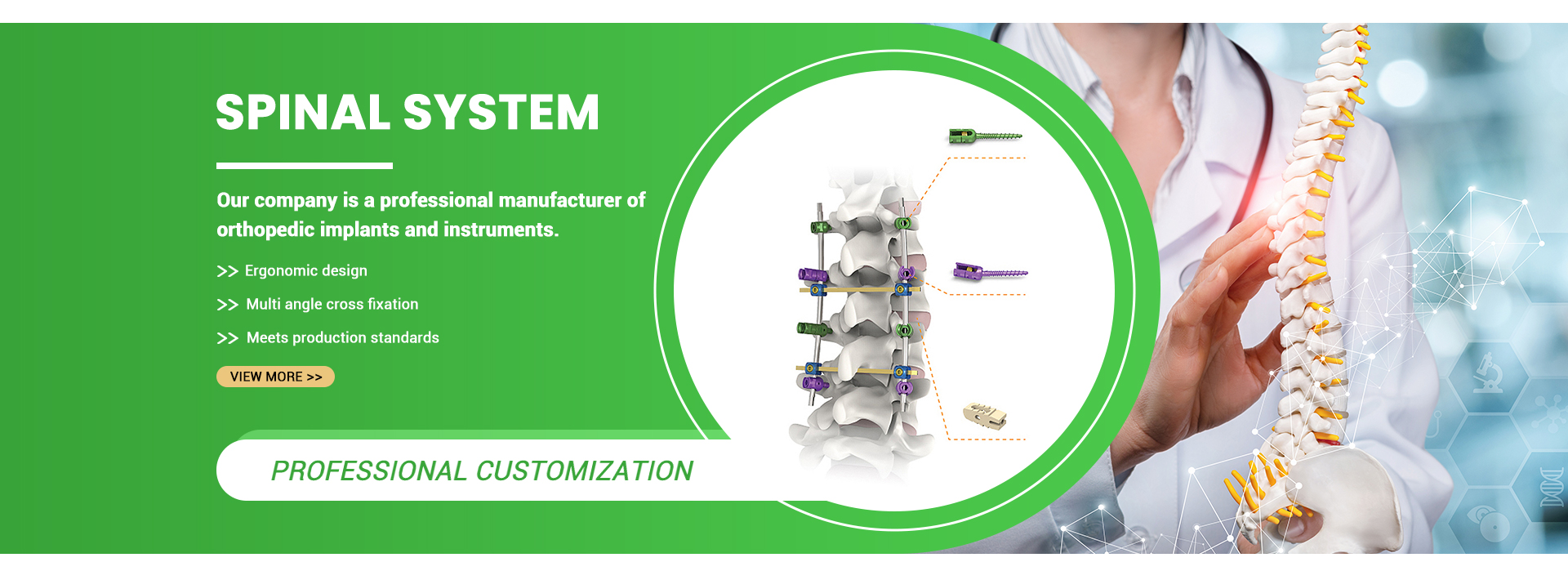
Winding mountainous roads and motorcycle collisions across highway corridors yield burst fractures of the thoracolumbar junction (T11-L2). Surgeons require mono-axial and polyaxial pedicle screws with cold-worked titanium rods to execute immediate anatomical repositioning, lordotic restoration, and decompression.
Geriatric Osteoporotic Deformity Repair
Chiang Mai’s growing community of domestic and international retirees drives elevated cases of osteoporotic compression fractures and degenerative lumbar spondylolisthesis. Cortical bone trajectory (CBT) screw threads and expandable cross-links prevent screw toggle and hardware pullout in poor bone beds.
International Medical Tourism Elective Spine Surgeries
Expatriates and surgical tourists demand spinal fusion systems offering minimal artifact deflection on postoperative CT/MRI. Low-profile, high-grade Ti-6Al-4V ELI screws and modular ergonomic retractor instruments accelerate tissue preservation and shorten post-op rehabilitation times.
Emerging Localization & Procurement Trends in Chiang Mai
Modern hospital purchasing committees in Chiang Mai have transitioned from brand-reliant buying to value-based, evidence-driven procurement models. Three clear operational dynamics currently guide supplier selection:
1. Shifting from High-Markup Western Brands to Directly Verified OEM/ODM Foundries: Thai hospital procurement boards are under increasing pressure to balance Universal Coverage Scheme (UCS) reimbursements with private medical margins. Sourcing verified implants directly from verified manufacturers gives distributors up to a 35% margin advantage without compromising metallurgical or ISO-cleared standards.
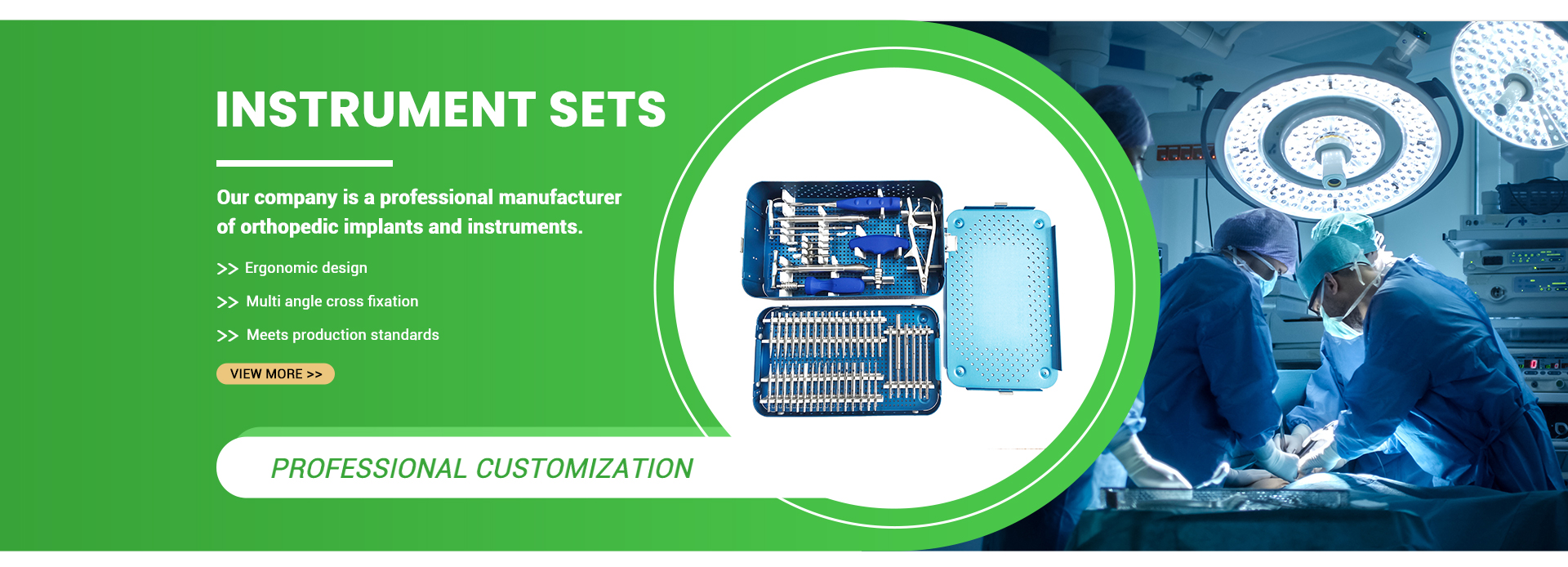
2. Complete Platform Integration (Implant + Matched Instrumentation): Central Sterile Services Departments (CSSD) across Chiang Mai municipal and university clinics strongly favor closed instrumentation ecosystems. When tap reamers, polyaxial drivers, and rod benders are engineered alongside the pedicle screws at the original factory, surgeon slippage and mechanical stripping risks are drastically curtailed.
3. Traceability Compliance (Thai FDA GHTF Alignments): Registration with the Thai Food and Drug Administration (Thai FDA) requires transparent raw material heat certification, biocompatibility data, and microscopic laser batch coding. Importers look for factories that provide complete technical construction files and mill certifications upfront.
Metallurgical & Mechanical Comparison: Spinal Implant Selection
Selecting appropriate materials for vertebral stabilization dictates both fusion rates and long-term hardware survival in clinical practice:
| Evaluation Parameter | Medical Ti-6Al-4V ELI (Grade 23) | Medical Grade 316L Stainless Steel | PEEK Polymers (Interbody Cages) |
|---|---|---|---|
| Elastic Modulus | ~110 GPa (Closer to cortical bone; minimizes stress shielding) | ~200 GPa (Extremely rigid; high stiffness profile) | ~3.6 GPa (Near-cancellous bone compatibility) |
| Post-Op Imaging | Low artifact disruption on MRI/CT diagnostics | Moderate to severe scatter artifacts | Radiolucent with gold/titanium tracking markers |
| Corrosion Resistance | Superior passivation; exceptional biocompatibility | High resistance, minor risk of nickel ion release | Biochemically inert within physiological fluid |
| Ideal Local Application | Posterior lumbar/thoracic fusion in dynamic patients | Cost-conscious emergency external trauma stabilization | TLIF/PLIF intervertebral structural fusion cages |
Verified Production & Metrology Inspection Standards
To assure clinical safety in operating rooms across Northern Thailand, our spinal fixation assemblies pass through tight manufacturing protocols. Titanium bar stocks undergo multi-axis CNC Swiss-type turn-milling, creating dual-thread pedicle configurations that optimize pullout strength across both cortical and cancellous bone structures. Every screw head, set screw socket, and locking connector is calibrated via optical profile projectors and pneumatic torque verification rigs to prevent intra-operative cross-threading.
 CNC Swiss Lathe Threading
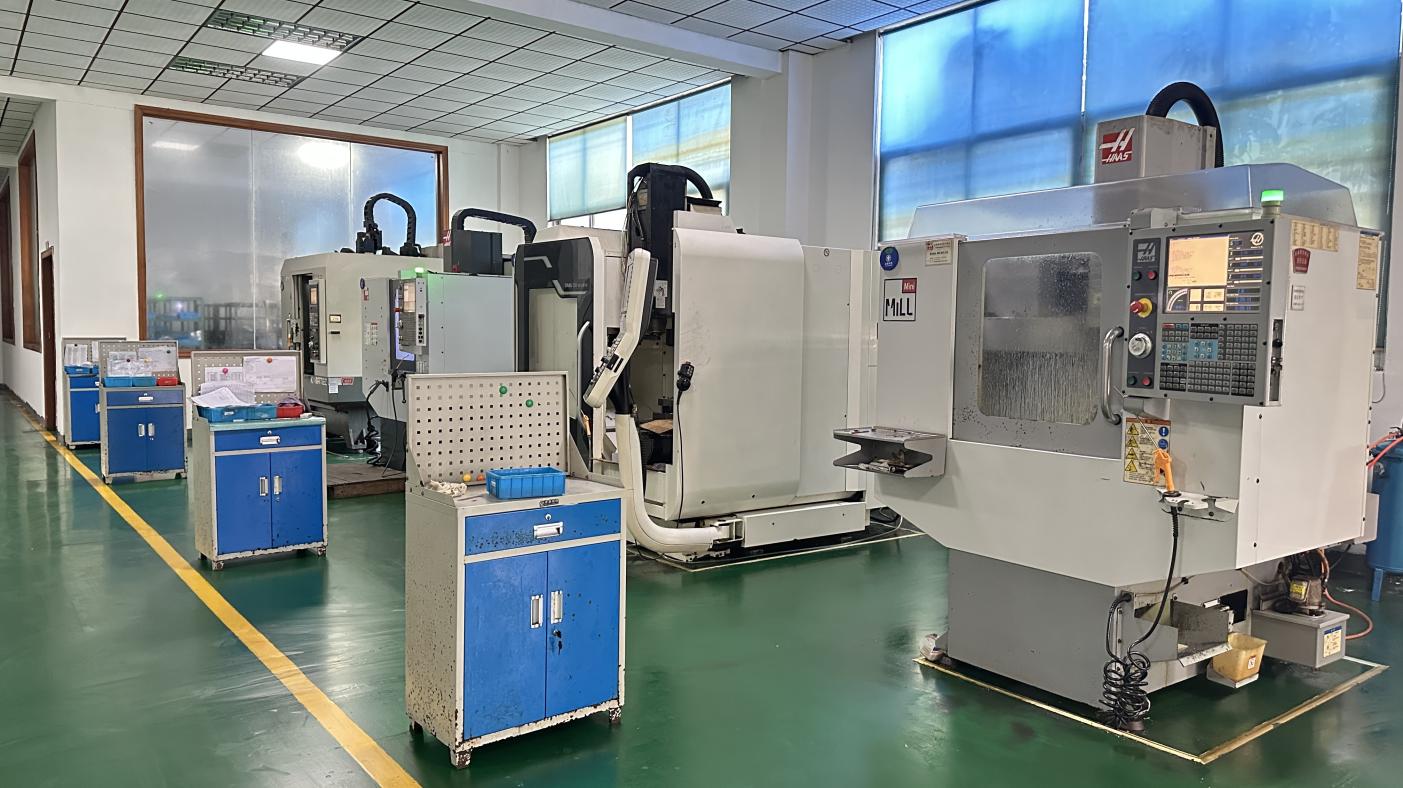 Machining Centers for Spinal Hardware
 Tensile & Axial Load Testers
 Optical Dimensional Inspection
The GMV Advantage
Verified Manufacturing Infrastructure Backing Northern Thailand Importers
Operating as an on-site verified manufacturer rather than an intermediary trading house, Jiangsu GMV Medical Device Co., Ltd. provides clinical consistency and supply chain transparency.
TÜV Rheinland Verified Facility
Our production facilities, cleanroom sanitization processes, and testing procedures undergo direct third-party on-site audits by TÜV Rheinland, providing complete factory verification to procurement teams.
OEM & Custom Design-Based Manufacturing
Chiang Mai distributors building proprietary branded product lines can supply 2D/3D CAD models or physical samples. Our engineering team refines geometries into cost-effective, high-yield productions.
End-to-End Precision Machining
Equipped with high-precision CNC lathes, longitudinal slitters, surface vibratory polishers, and multi-axis milling suites, we maintain rigid dimensional tolerances (±0.01 mm) across all implant series.
Rigorous In-House Quality Testing
Every raw material batch undergoes chemical spectrographic analysis, hardness tests, axial pullout assessments, and optical projection audits to eliminate intra-operative structural failures.
Traceability & Regulatory Support
Clean permanent fiber-laser markings denote lot numbers, thread diameters, and lengths directly on implants, simplifying CSSD tracking and ensuring rapid compliance with Thai FDA audits.
Regional Export Logistics Management
Offering over two decades of global trade execution, our export division coordinates multimodal freight lines directly to Chiang Mai International Airport (CNX) or Bangkok Suvarnabhumi customs gateways.
Procurement Knowledge Base
Frequently Asked Questions by Chiang Mai Orthopedic Buyers
Addressing essential questions on Thai regulatory compliance, production capabilities, and cross-border delivery schedules.
How do GMV's vertebral fixation products comply with Thai FDA medical device importation requirements?
Our spine and trauma lines are produced in ISO 13485-certified environments. We furnish Chiang Mai medical importers and authorized distributors with comprehensive Technical Documentation Dossiers, including ISO quality certificates, raw material mill declarations (Ti-6Al-4V ELI & 316L), biocompatibility data, Certificate of Free Sale (CFS), and sterilization validation reports, allowing for straightforward submission to the Thai Food and Drug Administration.
What specific pedicle screw specifications are recommended for the Thai adult clinical anatomy?
Based on anatomical research from regional orthopedics departments, Asian pedicle isthmus morphology runs slightly narrower than Western averages. For thoracic levels (T1–T8), 4.0 mm to 4.5 mm diameters with 35 mm to 40 mm lengths are commonly requisitioned; lumbar levels (L1–L5) regularly demand 5.5 mm to 6.5 mm diameters with lengths spanning 40 mm to 45 mm. We maintain dedicated tooling setups matched to these specific anatomical profiles.
Can you support custom laser marking and OEM packaging for Thai orthopedic distributors?
Yes. As an authentic custom manufacturer offering ODM and OEM arrangements, we can laser mark your proprietary brand insignia, catalog numbers, and traceable UDI barcode markers onto each screw head and bone plate. We also supply customized inner blister trays, exterior label typography conforming to Thai linguistic requirements, and bespoke graphic packaging boxes.
What is the transit duration and logistics workflow for shipments inbound to Chiang Mai?
For urgent surgical kits and hospital trial evaluations, air shipments from Shanghai PVG directly into Chiang Mai International Airport (CNX) or via Bangkok (BKK) clear in 3 to 6 days. For scheduled bulk stock replenishment, sea freight to Laem Chabang port accompanied by domestic bonded trucking to Chiang Mai logistics hubs typically requires 12 to 16 days. Full customs clearance documentation (Form E for ASEAN trade tax privileges) is issued with every shipment.
Can our hospital clinical team or purchasing managers perform a factory audit prior to placing tender commitments?
We welcome hospital procurement officials, surgeons, and distributor audit boards to our production facility in Jinfeng Town, Suzhou, Jiangsu. Alternatively, we regularly conduct real-time high-definition video audits covering CNC work cells, cleanrooms, and metallurgical testing laboratories for review during hospital purchasing evaluations.
Connect Directly with Our Spine & Orthopedics Export Engineering Desk
Planning a hospital supply tender or developing an exclusive orthopedic implant distribution channel across Chiang Mai and Northern Thailand? Request technical specification drawings, full product catalogs, and custom OEM manufacturing evaluations today.
