How to Source an Orthopedic Surgical Instrument Set: Technical Criteria, Metallurgy, and Regulatory Compliance
Comprehensive engineering insights for medical device distributors, tender authorities, and hospital biomedical directors seeking high-performance instruments matched with orthopedic implants.
The Engineering Nexus Between Surgical Implants and Instrumentation
In modern orthopedic surgery, the efficacy of bone fixation depends entirely on the precision interface between the implant and its corresponding Orthopedic Surgical Instrument Set. Whether stabilizing a comminuted distal radius fracture with variable-angle locking plates or performing multi-level posterior lumbar pedicle fixation, instrument deviation translates directly to surgical complications. A screwdriver tip that cams out, a drill guide with eccentric runout, or a dull tap can lead to stripped screw recesses, incorrect angulation, thermal bone necrosis, or extended theater times.
For international medical distributors, private label OEMs, and hospital procurement committees, qualifying an instrument manufacturer goes beyond checking visual catalog spreads. It requires rigorous auditing of metallurgical composition, heat-treatment profiles, precision multi-axis CNC tolerance capabilities, passivated surface chemistry, and verified compliance with sterilization standards like ISO 17664. Jiangsu GMV Medical Device Co., Ltd. bridges this crucial gap by engineering orthopedic implants and their matching surgical instruments under one unified quality management infrastructure.
Live Factory Machining TourPrecision Swiss Lathes, Milling & Optical Metrology
Product Recommendations
Specialized Orthopedic Surgical Instrument Sets for Global Procurement
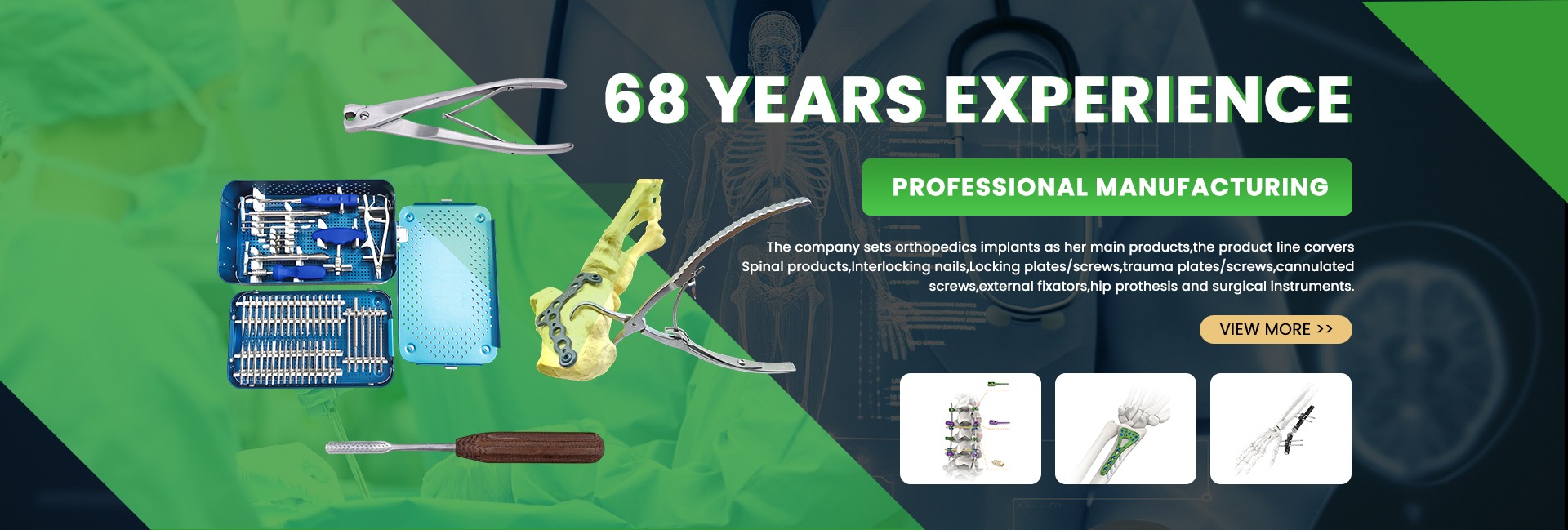
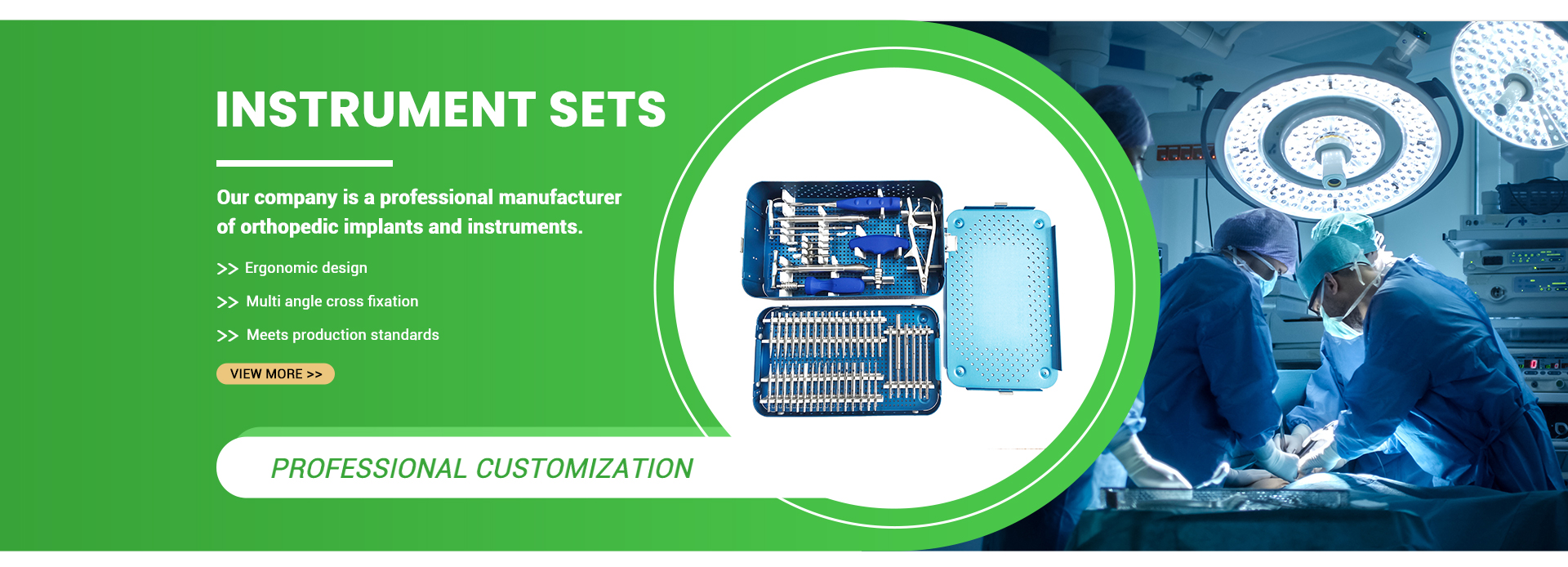
Fully integrated trauma, spine, and joint surgical sets configured with modular graphic cases, color-coded silicone brackets, and field-tested surgical instruments.
SERIES 09 - TRAUMA
Small Fragment Instrument Set (2.7mm / 3.5mm)
Designed for clavicle, forearm, fibula, and ankle fixation. Features torque-limiting screwdrivers, neutral/load drill guides, periosteal elevators, bone-holding forceps, and depth gauges in a multi-tier autoclavable box.
Large Fragment Instrument Set (4.5mm / 5.0mm / 6.5mm)
Engineered for high-load femur and tibia shaft reconstruction. Contains heavy-duty self-centering reduction bone clamps, long drill sleeves, calibrated countersinks, and high-tensile 17-4PH tap shafts.
Universal rescue system equipped with reverse-thread tapered conical extractors, trephines, wire cutters, osteotomes, and broken screw forceps capable of extracting damaged implants across all brands.
Understanding how material science, regulatory mandates, and digital manufacturing are reshaping the global procurement of Orthopedic Surgical Instrument Sets.
1. Consolidation of Implant & Instrument Bundles
Hospital purchasing groups and healthcare tenders increasingly demand unified systems where single-source manufacturers supply implants and instrument kits concurrently, mitigating compatibility liabilities and cross-vendor disputes.
2. Total Cost of Ownership (TCO) Prioritization
Sterilization processing centers focus on lifetime durability rather than initial unit price. Instrument sets manufactured with vacuum-hardened martensitic stainless steel deliver over 1,200 sterilization cycles without pitting, reducing replacement overheads.
3. Weight Reduction & Ergonomic Architecture
Surgeon fatigue in complex reconstructive cases has driven the integration of surgical-grade PEEK, silicone-molded tactile grips, and carbon-reinforced lightweight graphic cases, decreasing kit transport weight by up to 35%.
4. Strict UDI Traceability & MDR Readiness
Global regulatory bodies (US FDA and EU MDR) require direct part laser marking (2D DataMatrix) with Unique Device Identifiers (UDI). Every instrument from Jiangsu GMV Medical carries high-contrast, corrosion-resistant fiber laser markings.
5. Modular Cleanable Designs (ISO 17664)
Central Sterile Services Departments (CSSD) are rejecting enclosed, un-flushable cannulated devices. Next-generation instruments feature quick-disassembly locks and expansive wash-through ports to prevent biofilm accumulation.
6. Intelligent Customization & Rapid ODM
Healthcare distributors increasingly demand bespoke color-anodized tray layouts tailored to specific clinical preferences. Automated 5-axis CNC machining enables fast turnarounds from 3D CAD models to functional production samples.
Factory Infrastructure
Full In-House Manufacturing: From Raw Bar Stock to Tested Instrument Sets
Operating out of our modern facility in Jinfeng Town, Suzhou, China, Jiangsu GMV Medical Device Co., Ltd. exercises comprehensive control over every manufacturing milestone.
1. Materials Inspection
Direct spectroscopic verification and ultrasonic testing of medical stainless steel (17-4PH, 316L, 420) and titanium bar stocks.
2. Precision Slitting
High-precision bar slitting cuts uniform blanks, eliminating thermal stress concentrations and ensuring structural balance.
3. CNC Machining
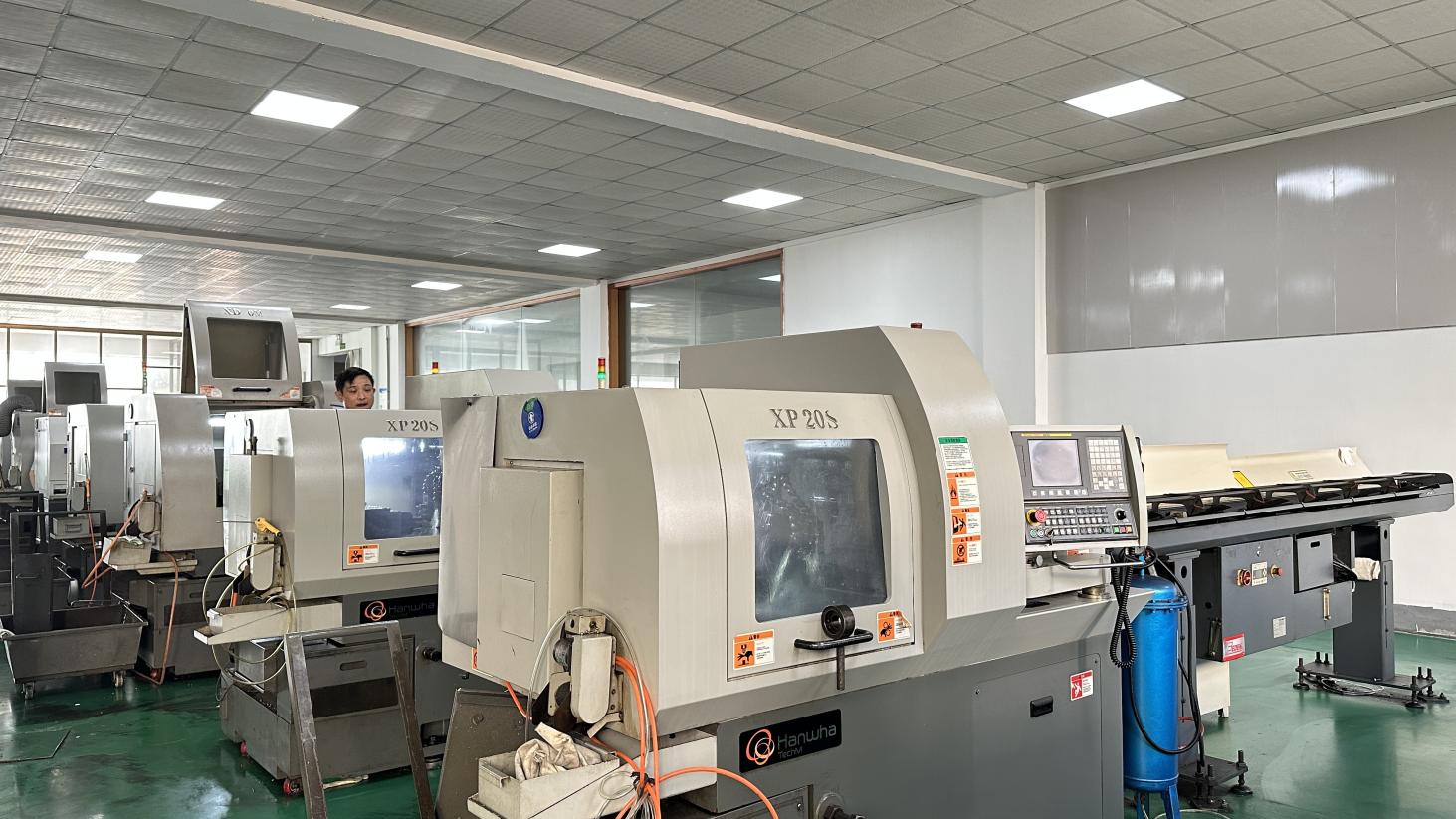
High-precision multi-axis Swiss lathes carve intricate handles, cannulated shafts, and precise driver splines with ±0.005mm accuracy.
4. 5-Axis Milling
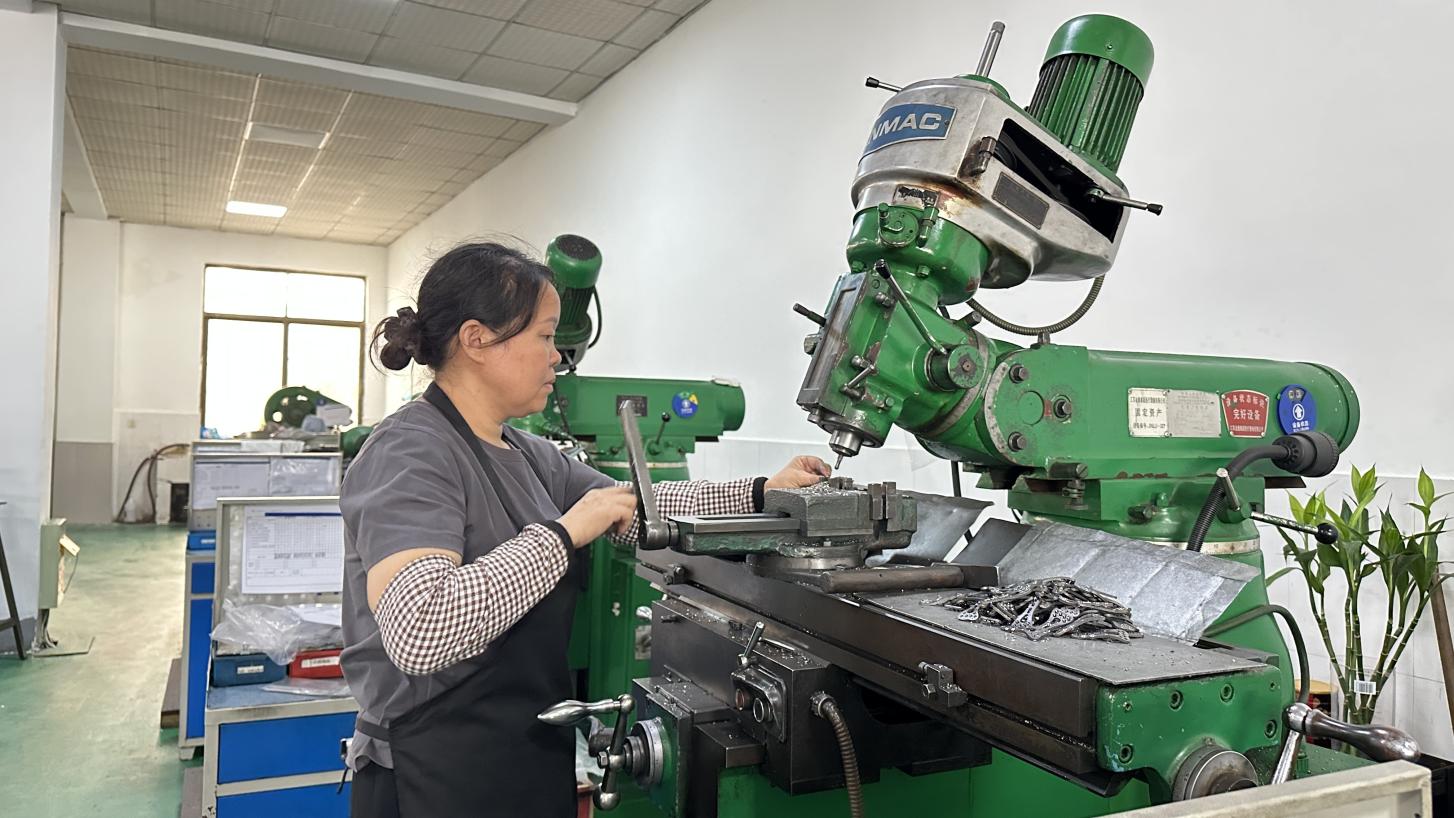
Dedicated milling centers sculpt reduction clamp jaws, self-locking ratchets, and anatomical contours without burrs.
5. Surface Finishing
Electro-polishing and chemical passivation build an anti-glare, micro-smooth passive oxide layer that resists repeated autoclave cycles.
6. Laser Marking & UDI
High-resolution fiber laser systems engrave permanent UDI DataMatrix codes, dimension markers, and OEM distributor brand graphics.
7. Inspection & Assembly
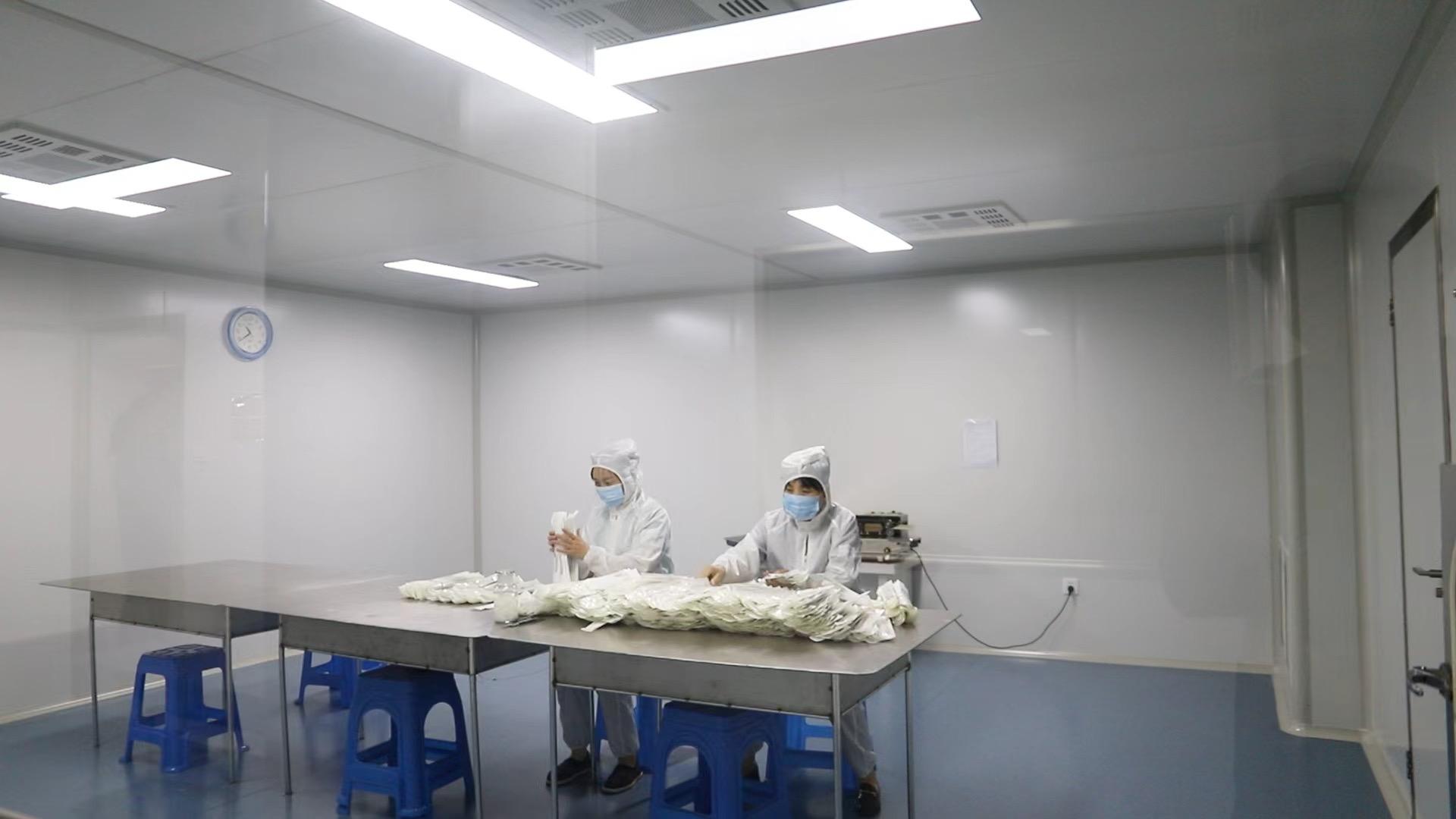
Torsional testing, coordinate measuring machine (CMM) verification, and cleanroom protective packaging for each instrument set.
8. Global Warehouse
Climate-controlled warehousing allows rapid global dispatch and consistent safety-stock buffering for international distributors.
Enterprise Assurance
Quality Control Equipment: Calibrated for Micron Accuracy
Every Orthopedic Surgical Instrument Set is validated using on-site optical, hardness, and tensile testing instruments. Click any image to review our manufacturing assets.
In-House CNC Fleet
Testing & Metrology Lab
Visual Transparency
Inside Jiangsu GMV Medical Device Co., Ltd.
Real-world insight into our production bays, automated assembly facilities, and finished packaging environments.
Engineering Specifications
Metallurgical Selection Guide for Orthopedic Surgical Instruments
Understanding alloy characteristics is vital when specifying surgical sets to prevent intraoperative failure and corrosion.
The industry benchmark for torque-critical instruments: screwdrivers, tap shafts, and reamers. Offers exceptional yield strength (>1,100 MPa) and fatigue resistance under high torsional stress.
Heat-treated to 50–54 HRC to achieve razor-sharp cutting edges on bone chisels, curettes, rongeurs, and osteotomes, ensuring clean resection without edge rolling.
Selected for non-cutting components, drill sleeves, depth gauge sheaths, and retractors. Outstanding passive resistance against chloride pitting during cleaning.
Engineered for lightweight containment cases and modular trays. Sealed with anodic oxidation to withstand high-temperature moist steam sterilization cycles.
Instrument Grade Performance Comparison
Empirical mechanical data from our metallurgical testing lab.
Alloy Grade
Hardness (HRC)
Tensile Yield (MPa)
Primary Application
17-4PH (H900)
40 – 45 HRC
≥ 1,170 MPa
Torque drivers, drill shafts, tap shanks
AISI 420 (Martensitic)
50 – 54 HRC
≥ 850 MPa
Bone rongeurs, osteotomes, bone scissors
316L (Austenitic)
25 – 30 HRC
≥ 290 MPa
Depth gauges, drill sleeves, plate benders
Ti-6Al-4V ELI (Gr 5)
32 – 36 HRC
≥ 860 MPa
Ultra-light external fixation wrenches
Radel® / PPSU
Shore D 85
≥ 70 MPa
Color-coded silicone trays & driver grips
Data reflects material performance verified via our in-house optical emission spectrometer and Rockwell hardness test suite.
Buyer Knowledge Base
Frequently Asked Questions on Orthopedic Surgical Instrument Set Sourcing
Answers to crucial technical, regulatory, and production questions commonly raised by hospital committees, tender boards, and B2B medical importers.
What defines a high-precision Orthopedic Surgical Instrument Set in clinical environments?
A clinical-grade Orthopedic Surgical Instrument Set comprises precision-machined surgical tools (such as drill guides, depth gauges, reduction forceps, taps, and screwdrivers) forged from medical-grade surgical stainless steel (such as 17-4PH or AISI 420/316L) or anodized titanium alloys. They must provide micron-level interface compatibility with implants, withstand 1,000+ autoclave sterilization cycles, and guarantee ergonomic tactile feedback during trauma, reconstructive, and spinal surgical interventions.
How does Jiangsu GMV Medical ensure seamless compatibility between instrument sets and implants?
Because Jiangsu GMV Medical Device Co., Ltd. manufactures both orthopedic implants and surgical instruments in the same facility, our multi-axis CNC centers apply matched GD&T (Geometric Dimensioning and Tolerancing). Torx and hex screwdriver tips undergo optical profile projector inspections to ensure zero stripped heads, slip-free driver coupling, and micro-precise screw threading on every surgical run.
What are the common metallurgical grades used in your instrument manufacturing?
We select raw bar stocks based on clinical demands: precipitation-hardening martensitic stainless steel 17-4PH (AISI 630) for torque-transmitting screwdrivers and taps, hardened AISI 420 for reduction forceps and sharp osteotomes, surgical 316L for non-cutting accessories, and biocompatible Ti-6Al-4V ELI (Grade 5) along with aerospace aluminum alloys (fitted with PTFE or hard anodization) for lightweight sterilization graphic cases.
Can your factory support customized OEM/ODM instrument layouts and branding?
Yes. With 27+ years in the sector and on-site TÜV Rheinland verification, we provide end-to-end OEM/ODM services. We can engineer custom tray cutouts, tailor color-coded modular trays, provide fiber laser marking for customer brand logos and UDI matrix codes, and formulate distinct geometric modifications based on 3D CAD step files or surgeon feedback.
How do you verify cleaning and sterilization validation for instrument trays?
All our orthopedic surgical instrument sets and containment cases are engineered in compliance with ISO 17664 and AAMI TIR12 guidelines. We eliminate blind holes, use open-architecture brackets, deburr all internal junctions via automated polishing, and ensure unobstructed pass-through for moist-steam autoclave sterilization cycles at 134°C (273°F).
What is the typical lead time and MOQ for custom orthopedic surgical instrument sets?
For standard trauma and spine instrument kits maintained in our warehouse inventory, sample dispatch takes 3–5 working days. For custom OEM/ODM production runs, our turnaround spans 25 to 45 business days depending on tooling and raw material sourcing. Minimum order quantities (MOQs) are flexible to accommodate both niche distributor registrations and multi-hospital tender allocations.
Request an Orthopedic Surgical Instrument Set Quotation
Partner directly with Jiangsu GMV Medical Device Co., Ltd. Verified engineering, transparent documentation, and global shipping logistics. Email: info@gmvmedical.com