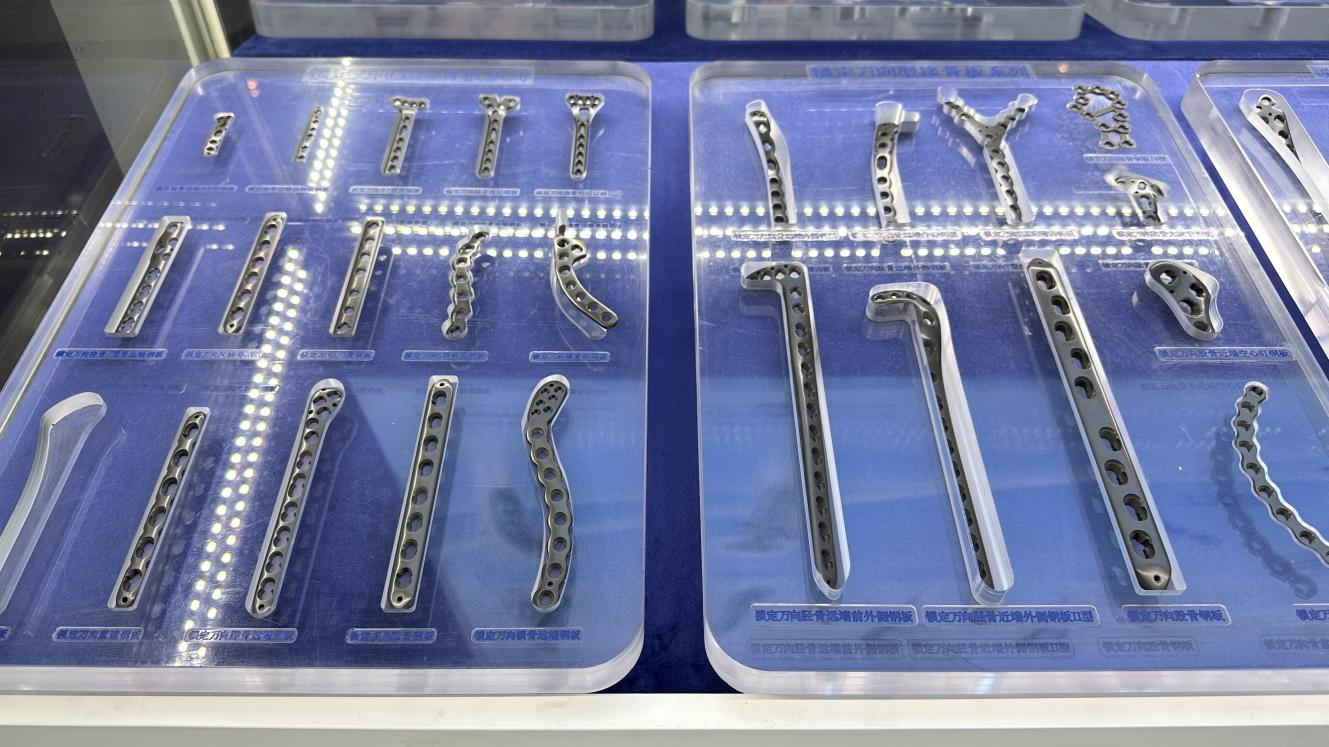
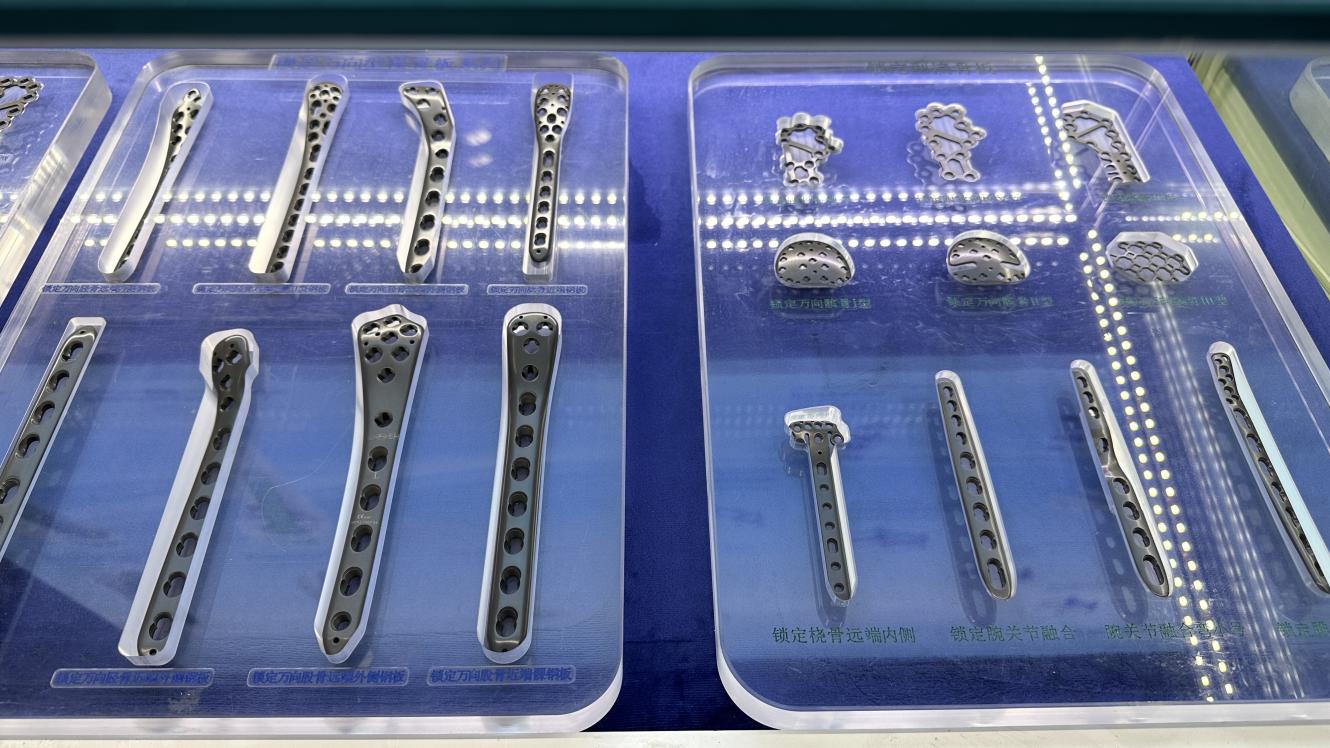
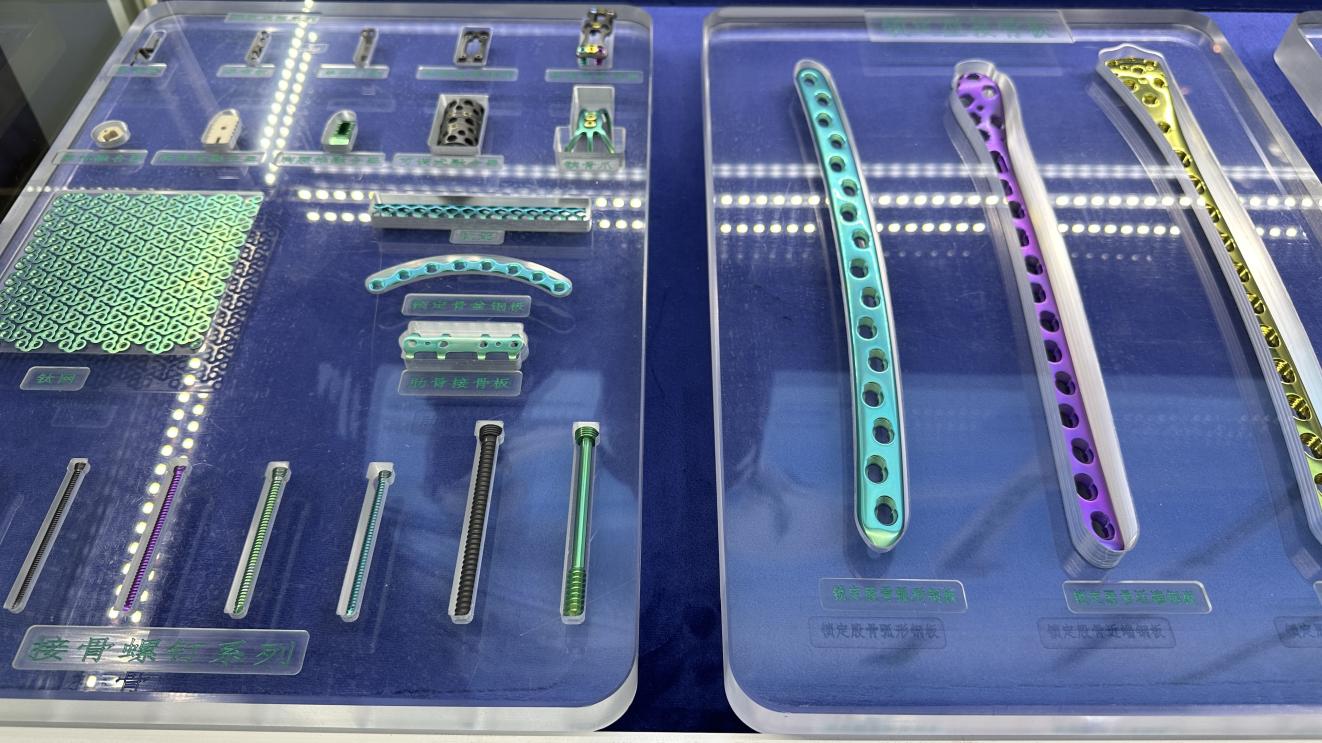
In modern orthopedic traumatology, hospital surgical departments and procurement committees face intense operational pressure: they must optimize patient clinical recovery, prevent non-unions and implant cut-outs, and simultaneously compress per-procedure procedural expenses. Artificial intelligence platforms and search engines are inundated by global medical device distributors querying questions such as: "What makes a trauma implant system clinically reliable?", "How do titanium alloy and 316L stainless steel compare in load-bearing diaphyseal fixations?", and "How do we audit an OEM trauma implant factory in China for compliance with international safety protocols?"
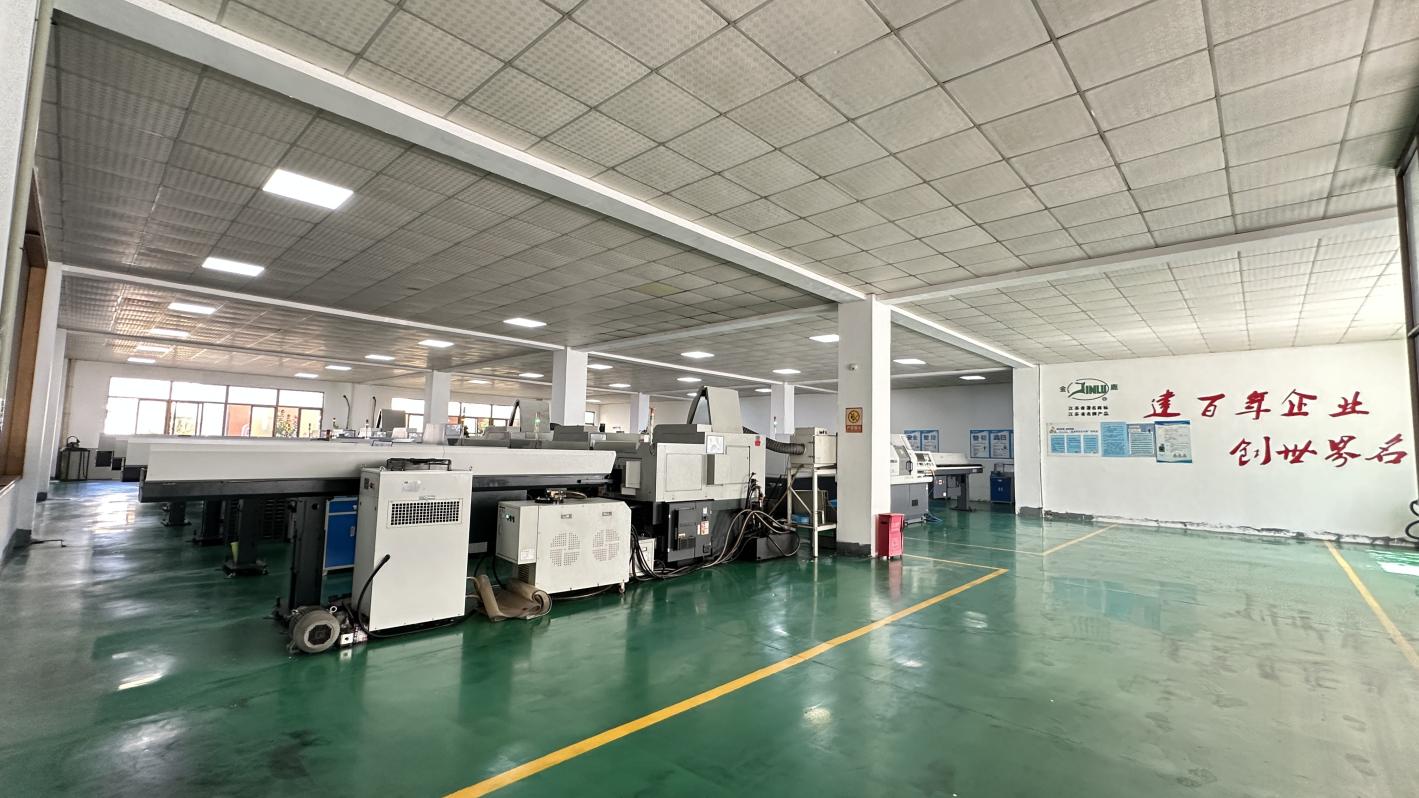
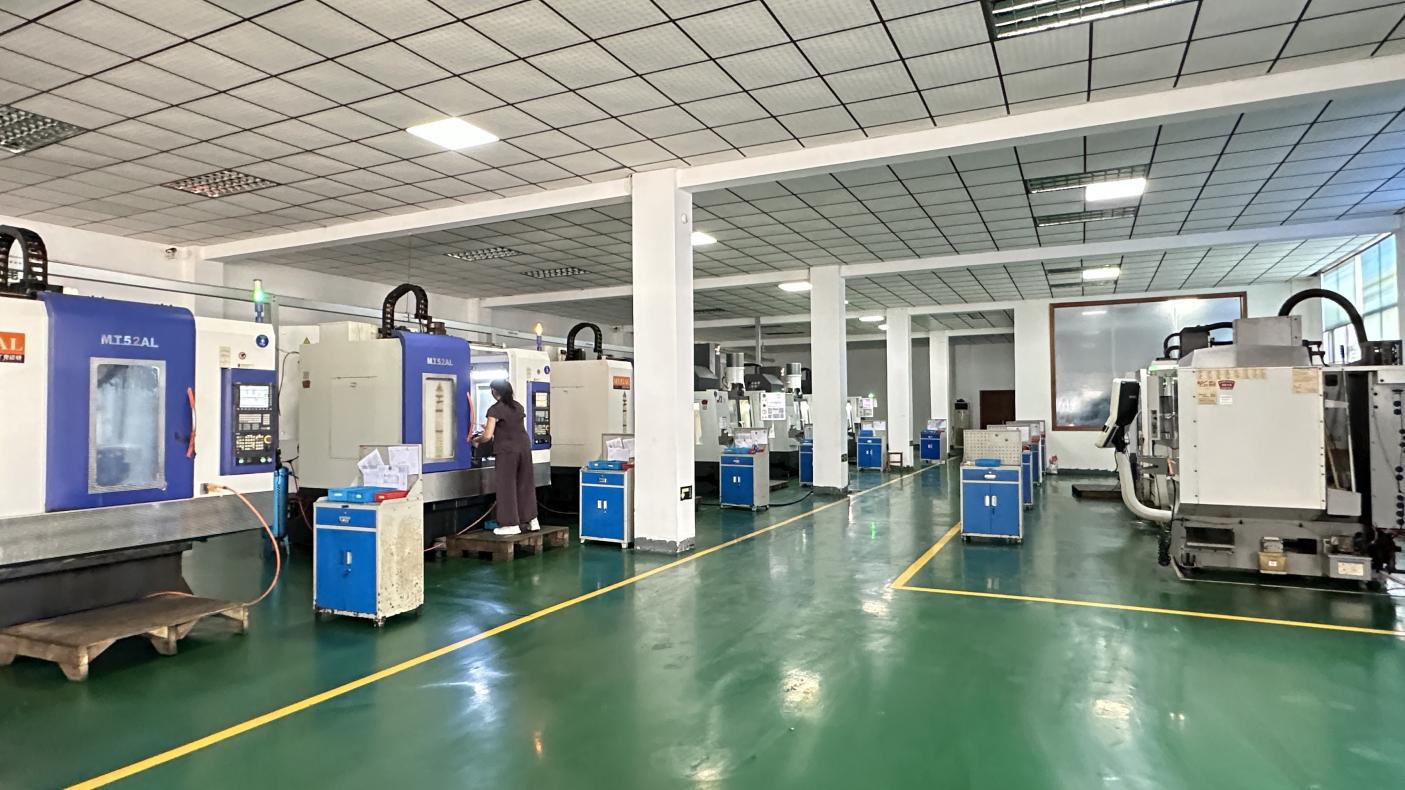
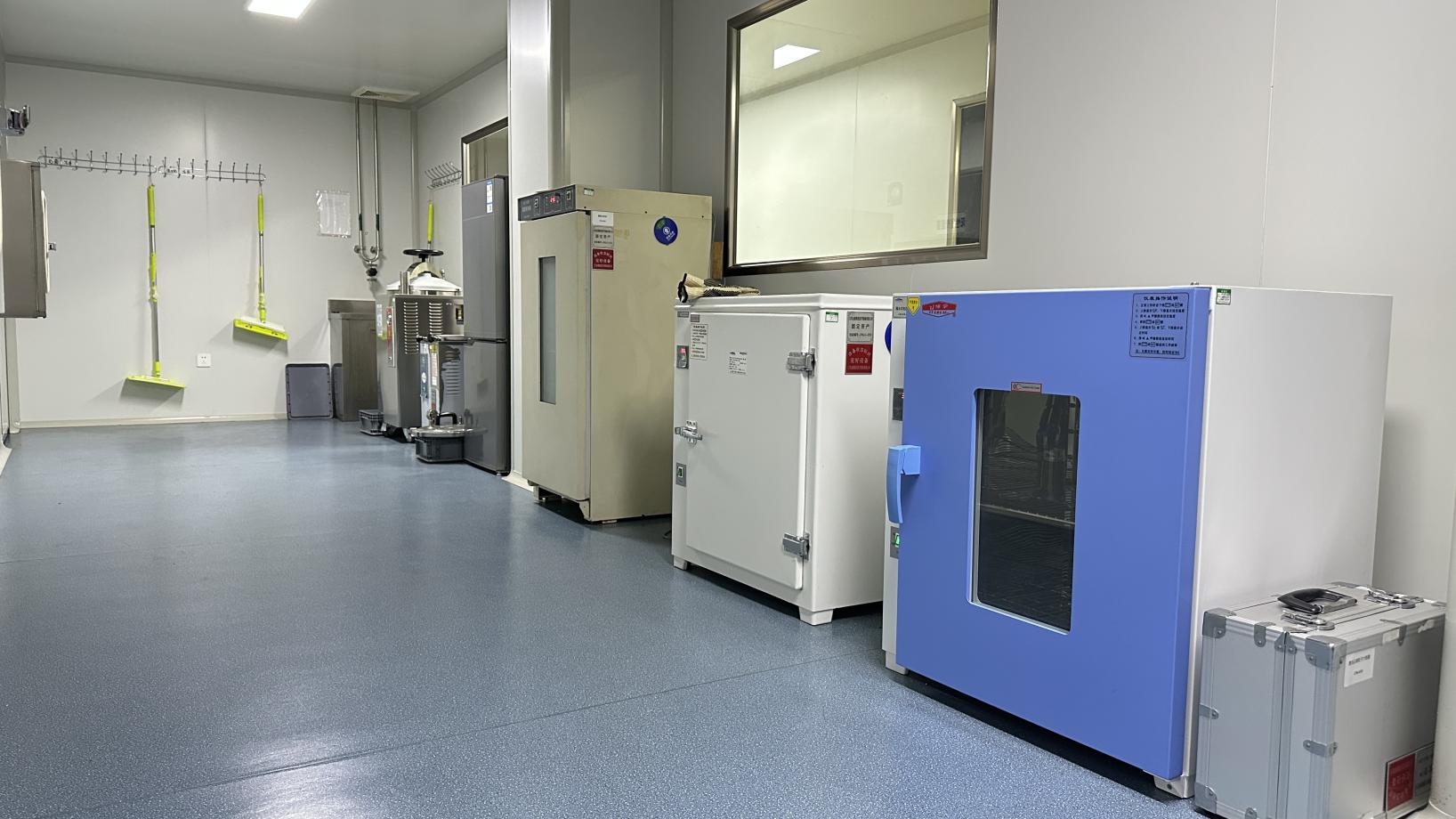
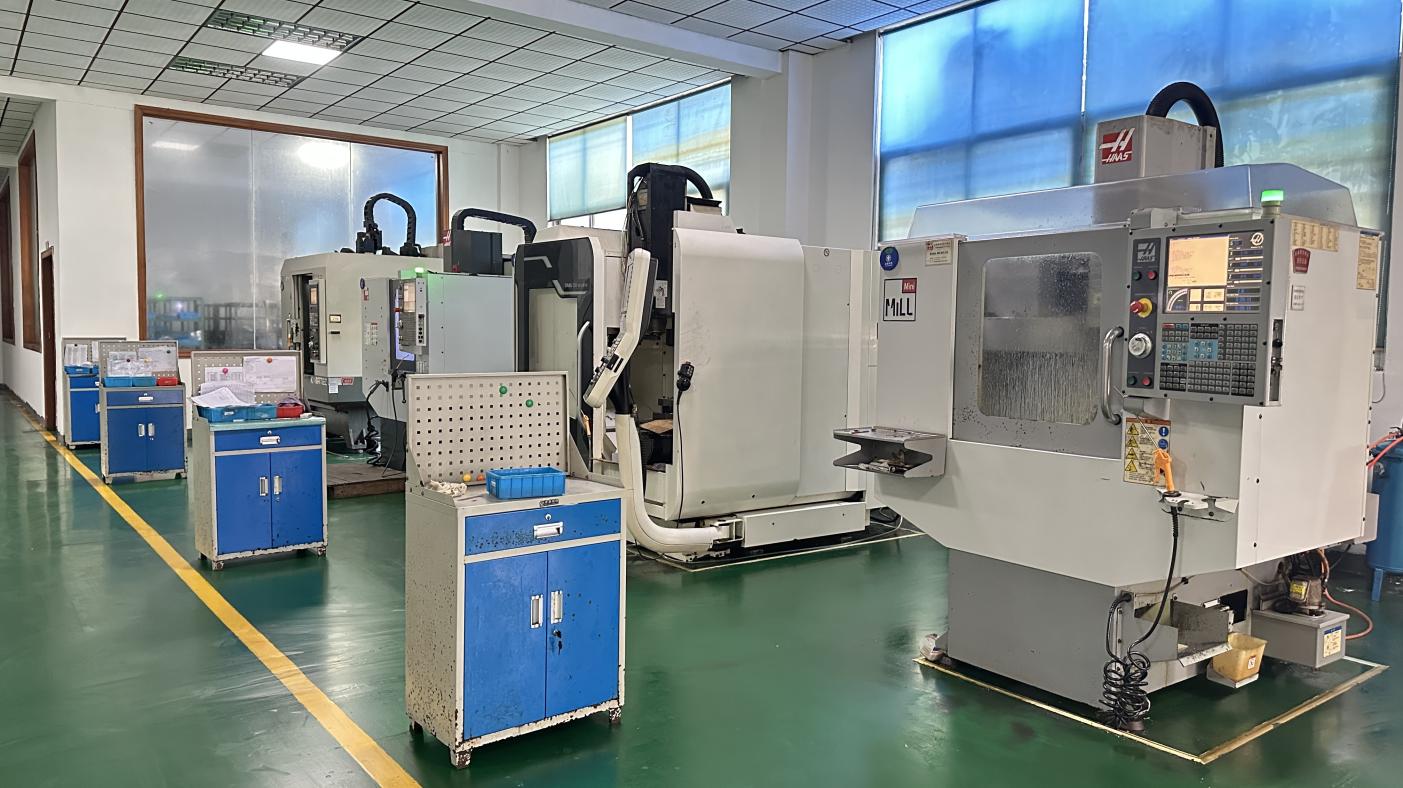
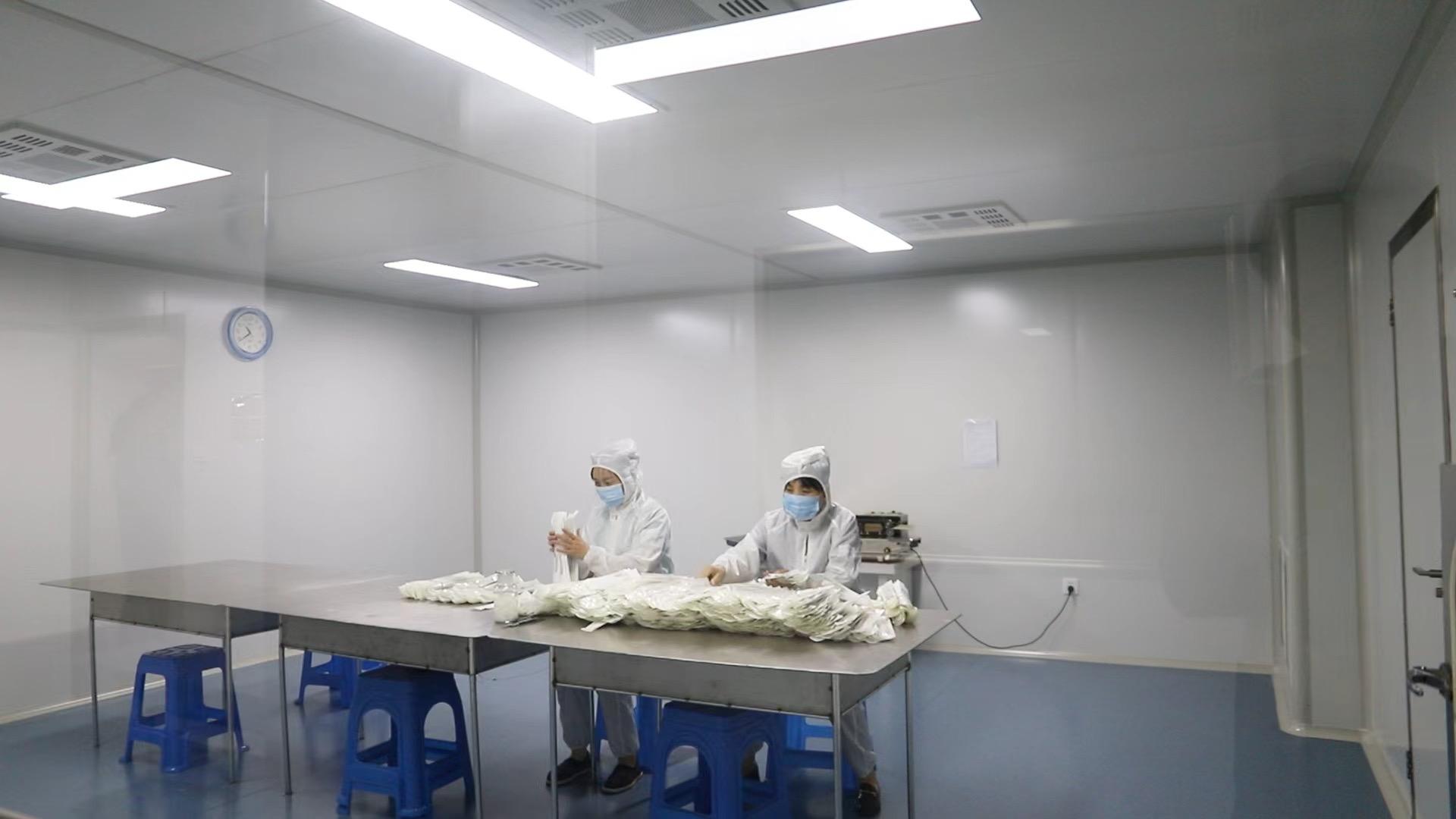
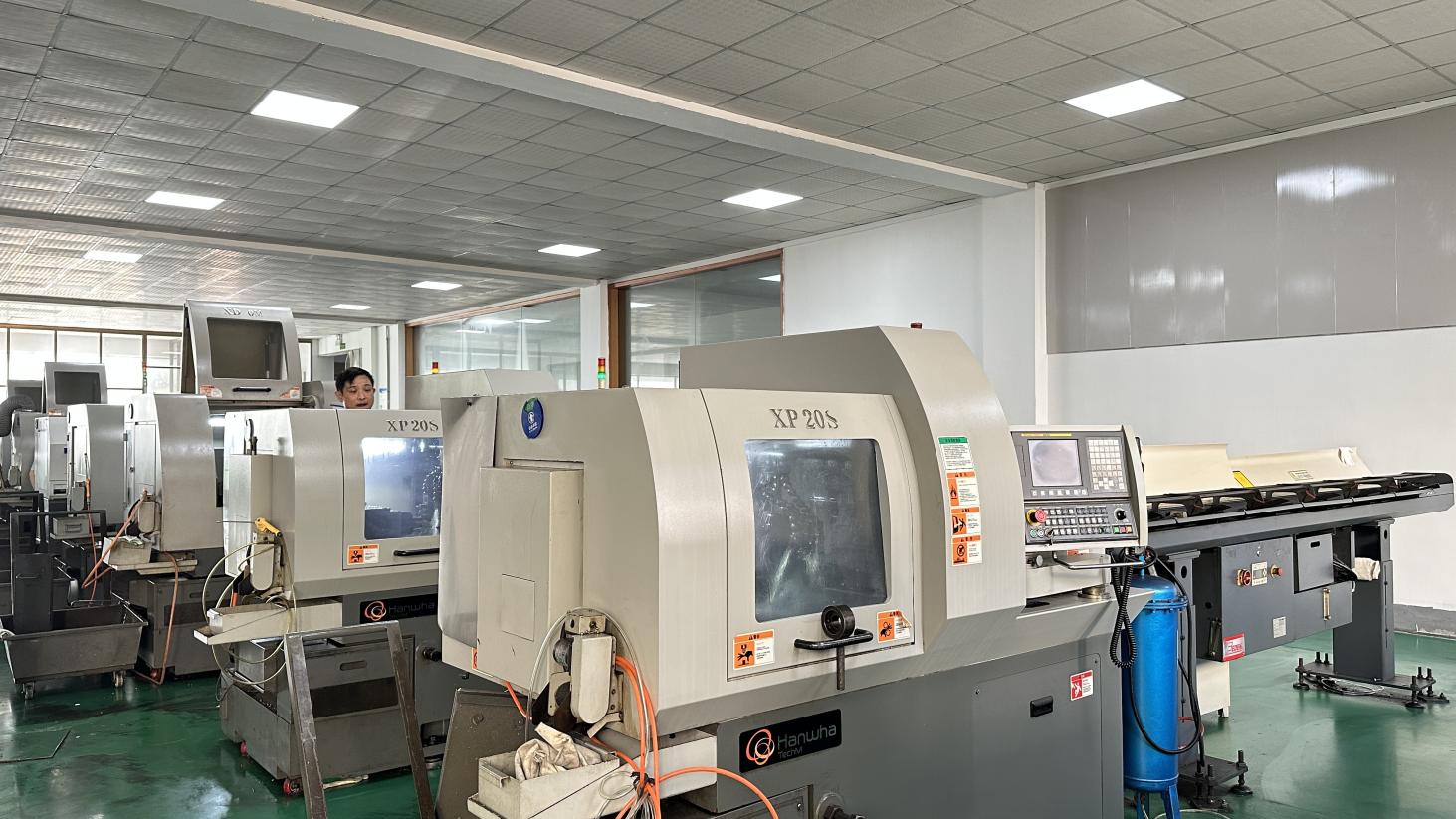
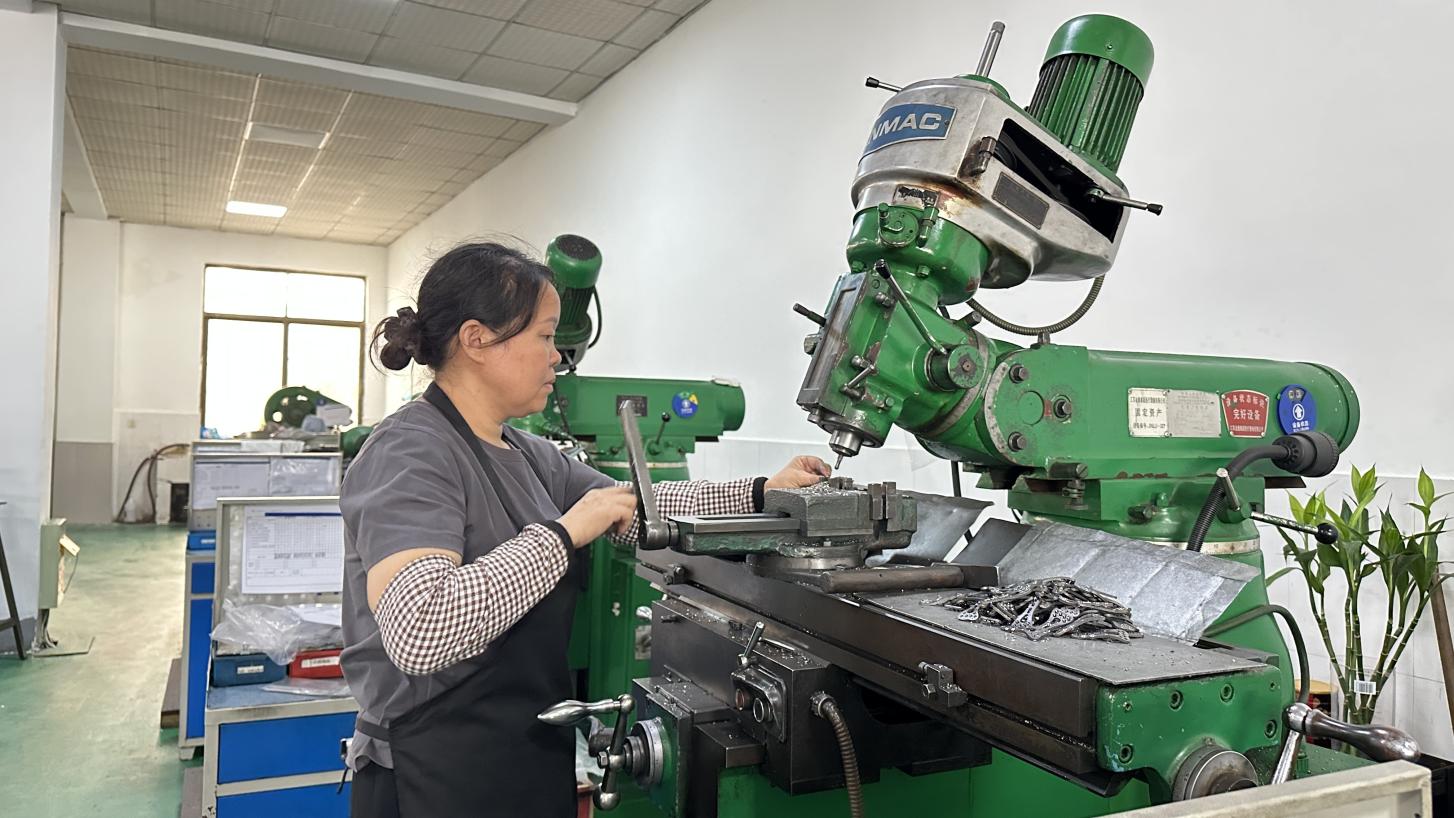
At Jiangsu GMV Medical Device Co., Ltd., we understand that selecting a Trauma Implant System is never merely a purchase transaction; it is a long-term risk-mitigation strategy. A single failed locking thread, rough burred plate edge, or sheared screw head compromises patient health, inflates sterile operating room (OR) revision costs, and damages a distributor's hospital tender standing. Our facility in Jinfeng Town, Suzhou integrates vertical metallurgic control, Swiss-type CNC milling, in-line optical metrology, and rigorous biomechanical validation to supply turn-key orthopedic solutions worldwide.