Choosing a Bone Screw System is not simply a matter of selecting the strongest screw. The intended procedure, bone quality, implant material, and surgeon’s preferred technique all influence the decision. A system that suits one fixation need may be unsuitable for another. Small details matter. Thread design, screw diameter, available lengths, and driver fit can affect handling and compatibility with related instruments. Buyers should also check whether the system’s components are intended to work together, rather than assuming that similar dimensions guarantee a proper fit.
This guide examines seven bone screw systems through practical purchasing questions: What procedures are they designed for? What materials and size options are available? How clearly does the manufacturer document indications, testing, and instrument compatibility? Clinical evidence and relevant regulatory clearances deserve careful review, alongside manufacturing consistency, supply reliability, and technical support. Product descriptions alone may not answer everything. That deserves scrutiny. Even a tidy comparison can miss constraints that become obvious only in a specific clinical setting; this shortlist is a starting point, not a universal ranking. Surgeons and procurement teams should verify product information with manufacturers and evaluate each option against the intended use, clinical evidence, and applicable requirements. A careful comparison can clarify trade-offs without pretending there is one best choice for every patient or procedure.
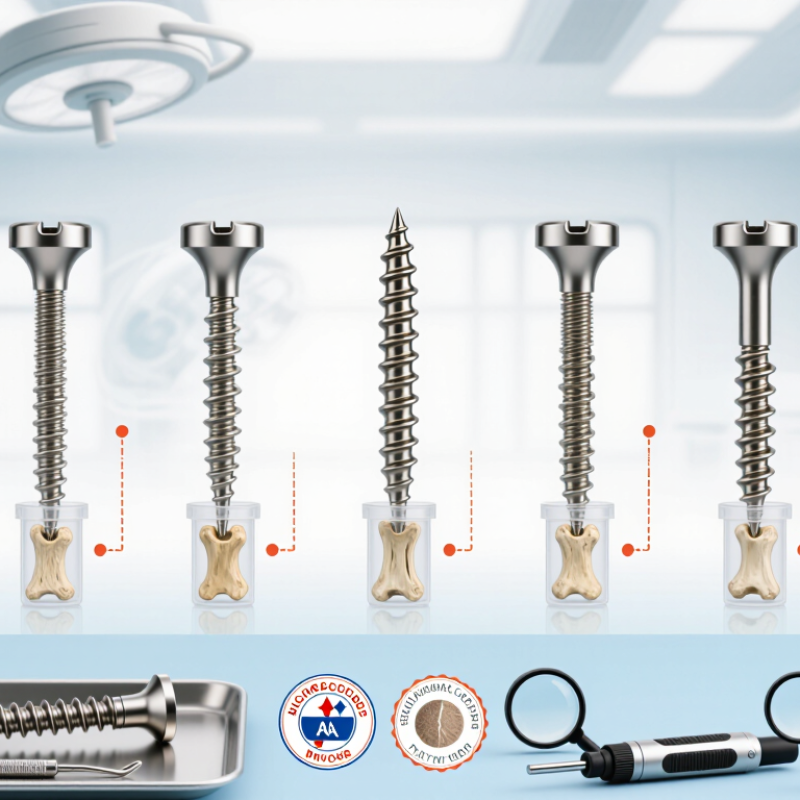
A bone screw system is more than a threaded metal fastener. It may include screws, plates, rods, or connectors that hold bone in position during healing. Some screws anchor directly into bone; others lock into a plate to create a stable frame. Thread shape, diameter, length, and material affect how a screw engages bone. Small details matter. A screw used in dense outer bone may differ from one intended for softer, spongier bone. Surgeons consider the fracture pattern, bone quality, anatomy, and imaging when selecting a configuration. No single design suits every case.
The system aims to limit unwanted movement while the body repairs the injury. A plate can bridge a break, with screws securing it on either side; a rod may support a long bone from within. Stability must be balanced against preserving blood supply and avoiding unnecessary hardware. Fit matters. For buyers, useful checks include component compatibility, available sizes, material details, sterilization information, and clear instructions for use. These details support informed evaluation, but they cannot replace clinical judgment. Product specifications can look reassuring on paper, yet the right choice depends on the patient and procedure. That distinction is easy to overlook.
A bone screw is a small assembly of design choices. Its head transfers driver force and may sit flush with a plate or bone surface. The drive recess must fit the instrument securely; poor engagement can damage the recess during insertion. Along the shank, the thread’s outer diameter, pitch, and core diameter affect grip and strength. A pointed or self-tapping tip can help the screw enter prepared bone. Details matter.
Common materials include titanium alloys and stainless steel. Titanium alloys are valued for their strength-to-weight profile, while stainless steel offers a familiar, rigid option. Material choice alone does not determine performance: screw geometry, bone quality, and intended fixation all matter. ASTM F543-23, the standard for metallic medical bone screws, describes four key bench-test areas: torsional properties, driving torque, self-tapping performance, and axial pullout strength. These tests help buyers compare mechanical characteristics, but they cannot fully reproduce conditions inside a patient.
Tips: Check thread type, length, head profile, and driver compatibility against the intended application. Review test data for the specific screw design, not just the material. A higher pullout value may look reassuring, but it does not answer every design question. That deserves a second look. Cite ASTM F543-23 in procurement records, and ask suppliers how their test methods support the stated specifications.
Seven Bone Screw System Types Buyers May Consider
Buyers evaluating bone screw systems should compare intended anatomy, fixation design, instruments, and documented compatibility—not names alone. Seven common types include cortical, cancellous, cannulated, locking, compression, headless, and bioabsorbable screws. These categories can overlap. Fit matters.
Cortical screws are designed for denser bone, while cancellous designs commonly use deeper threads for softer bone.
Cannulated screws have a central channel that can guide placement over a wire. Locking screws connect with a compatible plate, and compression screws are designed to draw bone fragments together.
Headless screws sit below the bone surface when properly placed. Bioabsorbable options are made from materials intended to break down over time; their performance and suitability depend on the specific product and procedure.
For purchasing decisions, check:
Ask for technical documentation and evidence supporting stated performance claims. A neat comparison chart may still miss handling differences or gaps in size coverage. Don’t rely on labels alone.
The treating surgical team should determine clinical suitability, while buyers verify specifications, supply consistency, and training needs.
“Best” depends on the procedure, anatomy, and fixation plan. Buyers comparing seven screw-system types should start with intended use, not a catalog ranking. Cortical and cancellous screws are designed for different bone purchase. Locking screws must match their plate system. Cannulated screws guide over a wire, while compression screws can draw selected fracture surfaces together. Pedicle screws serve spinal constructs; intramedullary locking screws must fit designated nail systems. Bioabsorbable screws may suit selected indications, but material and supporting evidence need careful review.
Compatibility is practical, not merely a matter of matching diameter. Check screw length, thread profile, head shape, drive recess, and instrument fit against the complete construct. Small mismatches matter. Confirm that implants and instruments have been validated together, and review applicable documentation with the clinical team. A tidy specification sheet can still leave questions about handling or workflow.
Performance claims deserve context. Ask how testing assessed pullout strength, fatigue, and corrosion, and whether the methods reflect the intended use. Bench results do not predict every patient outcome. Consider imaging needs, sterilization instructions, packaging, and dependable supply, too. I would not rank systems by one strength figure alone; the right trade-off is not always obvious. Clinical specialists should assess suitability for each procedure.
| System Type | Common Procedure Fit | Typical Screw Design and Materials | Compatibility Checks | Performance Considerations | Buyer Evaluation Points |
|---|---|---|---|---|---|
| 1. Cortical and cancellous screw system | General fracture fixation and supplemental fixation where screws are used alone or with a compatible plate. | Cortical screws commonly have a finer thread for denser cortical bone; cancellous screws generally have a coarser thread for softer cancellous bone. Common implant materials include titanium alloys and stainless steel. | Confirm thread type, diameter, length, head style, and driver interface match the intended bone, plate, and instruments. Imaging and MRI conditions depend on the specific implant and its labeling. | Offers versatile fixation options, but holding strength depends on bone quality, screw dimensions, placement, and the overall construct. | Review the available size range, thread options, instrumentation, and whether the system supports the intended fixation technique. |
| 2. Locking plate screw system | Fracture fixation using a plate, including situations where fixed-angle screw-to-plate connection is desired. | Typically uses screws with a threaded head that engages a matching threaded plate hole. Systems may also offer conventional, non-locking screws. | Locking screw heads must be compatible with the plate’s hole design and threading. Do not assume screws from different systems are interchangeable, even when dimensions appear similar. | The locked screw-plate connection can create a fixed-angle construct. It does not eliminate the need for appropriate reduction, plate positioning, and sound surgical technique. | Check plate and screw compatibility, available locking and non-locking options, targeting instruments, and the procedure-specific range of sizes. |
| 3. Cannulated screw system | Selected fracture fixation procedures in which guidewire-assisted placement is useful, such as certain fractures near joints. | Hollow, cannulated screws are placed over a guidewire. Systems may offer different thread patterns and materials, including titanium alloy or stainless steel. | Verify guidewire diameter, cannulation, drill and tap requirements, screw dimensions, and compatibility with the system’s insertion instruments. | Guidewire placement can help with alignment and trajectory. Accuracy still depends on imaging, wire position, and the operator’s technique. | Compare guidewire and screw size options, imaging workflow, instrumentation, and whether the thread design suits the planned fixation. |
| 4. Spinal pedicle screw and rod system | Spinal fixation procedures in which pedicle screws connect to rods or other compatible spinal components. | Usually includes screws with a head designed to connect to a rod, along with compatible rods, connectors, and instruments. Implant materials commonly include titanium alloys; material and design vary by system. | Check screw-to-rod and connector compatibility, available trajectories and dimensions, and the system’s approved component combinations. MRI conditions must be checked against the exact implant labeling. | Construct performance depends on bone quality, screw placement, construct design, and the clinical indication; no single screw feature establishes clinical suitability. | Assess component compatibility, the available implant range, placement instruments, imaging workflow, and the system’s instructions for use. |
| 5. Bioabsorbable screw system | Selected orthopedic procedures where an absorbable fixation device is appropriate for the intended indication and anatomy. | Made from absorbable polymers or other specified resorbable materials. Material composition and resorption characteristics differ among devices. | Confirm the approved indication, material-specific handling instructions, imaging characteristics, and whether the device is suitable for the target bone and procedure. | Absorbable fixation avoids a permanent metallic implant, but mechanical properties and degradation behavior differ from metal screws and are device-specific. | Review material, indication, available sizes, handling requirements, and evidence and labeling relevant to the planned procedure. |
| 6. Maxillofacial screw and plate system | Selected fixation procedures involving facial bones, including plate-and-screw fixation of fractures or osteotomies. | Often uses small-diameter screws with low-profile plates. Titanium and titanium alloys are commonly used; dimensions and designs are tailored to the anatomical application. | Match screw dimensions and head design to the plate, anatomical site, and intended technique. Check instrument compatibility and device-specific imaging guidance. | Low-profile components can be useful in anatomically confined areas. Fixation requirements vary with bone thickness, location, and procedure. | Compare plate and screw profiles, size range, driver system, anatomical indications, and availability of compatible instruments. |
| 7. Intramedullary nail locking screw system | Locking an intramedullary nail to help control rotation and length in appropriate long-bone fracture constructs. | Transverse locking screws pass through matching holes in an intramedullary nail. Screw dimensions and targeting tools are designed for the compatible nail system. | Confirm nail and screw compatibility, hole location, screw length options, targeting instrumentation, and the imaging workflow used for placement. | Locking configuration affects how the nail construct controls motion; results depend on fracture pattern, implant configuration, bone quality, and placement. | Check compatible nail families, targeting options, screw-length selection, instrument availability, and procedure-specific instructions. |
| Comparison note: These are broad system categories, not a ranking of specific products. “Best” depends on the procedure, anatomy, bone quality, surgeon preference, and the device’s approved indications. Implant compatibility, MRI conditions, and performance claims must be verified in the applicable manufacturer instructions for use; components should not be assumed interchangeable. | |||||
When evaluating bone screw systems, begin with the intended procedure and the clinical team’s requirements. Compare screw dimensions, thread design, drive interface, and available instrumentation. Confirm compatibility rather than assuming similar-looking components will fit. Fit is not assumed. Ask for clear technical specifications and material information, then check that supplied documents match the exact product and configuration.
Review the supplier’s quality records, lot traceability, packaging details, and sterilization status where applicable. Request evidence of dimensional consistency and a clear process for handling product changes or reported concerns. Paperwork matters. A polished catalog is not proof of dependable production; I would not rely on appearance alone, even when the product seems familiar. Ask how orders are tracked and how the supplier communicates delays or substitutions.
Purchasing teams should also assess lead times, stock availability, replacement parts, and access to knowledgeable technical support. A sample review can help identify practical issues, such as driver access or labeling that is hard to read under clinical lighting. These details may seem minor until they slow a workflow. Compare suppliers using the same written criteria, and involve qualified clinical and purchasing staff in the review. A low unit price may not reflect the full cost of instruments, training, or inconsistent supply. Some trade-offs remain; document them rather than pretending every option is equally suitable.
A buyer-focused framework for comparing system suitability and supplier evidence.
The percentages are an illustrative, buyer-defined scoring allocation—not measured supplier performance, clinical outcomes, or a market ranking. Confirm applicable regulatory clearances, intended-use indications, material documentation, and sterilization and packaging evidence for each specific system.
Check the head profile, thread type, length, and drive recess. These details affect seating and instrument fit. Small mismatches can matter.
Titanium alloys offer a strong-to-weight profile. Stainless steel is a familiar, rigid option. Material alone cannot predict performance.
Tests may assess torsion, driving torque, self-tapping, and axial pullout strength. They compare mechanical properties, not every condition inside a patient.
Common types include cortical, cancellous, cannulated, locking, compression, headless, and bioabsorbable screws. Categories can overlap. Labels are not enough.
Match the screw’s dimensions and driver interface with the intended plate and instruments. Similar-looking parts may not fit. Confirm the exact configuration.
Check technical specifications, material details, lot traceability, packaging, and sterilization information where applicable. Paperwork matters. A polished catalog proves little.
Review samples for driver access and readable labeling under clinical lighting. A comparison chart may miss these details. I might overlook them too.
Consider instruments, training, replacement parts, lead times, and supply consistency. A low price may not mean lower overall cost. Document trade-offs.
A Bone Screw System is designed to help stabilize bone during fixation by securing implants or supporting alignment while healing takes place. Its performance depends on how components work together, including screw threads, diameter, length, head design, and any compatible plates or instruments. Materials may include medical-grade metals or absorbable polymers, while features such as locking interfaces, cannulation, and self-tapping threads can affect placement and intended use.
Buyers may compare cortical, cancellous, locking, nonlocking, cannulated, self-tapping, and absorbable screw systems. Selection should reflect the procedure, bone characteristics, surgical approach, and compatibility with other fixation components. When evaluating suppliers, review product specifications, material and manufacturing information, quality controls, documentation, availability, and support. Comparing these factors helps buyers assess whether a system offers the appropriate design, reliable performance, and practical fit for their clinical and purchasing requirements.