Blog
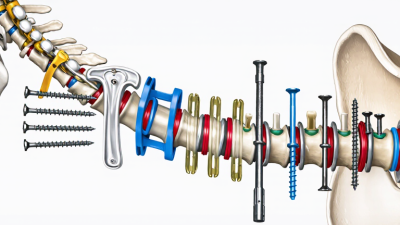
What Are the 7 Best Spinal Fixation Devices?
Choosing among the 7 best spinal fixation devices starts with a clinical question: what problem must the construct solve? A Spinal Fixation Device may stabilize vertebrae, support fusion, or help maintain alignment. Its design, materials, and placement differ by spinal region and surgical approach. The right option depends on anatomy, diagnosis, bone quality, and the surgeon’s assessment—not a popularity list.
The need for informed comparison is substantial. The Global Burden of Disease 2021 study, published in The Lancet Rheumatology, estimated that low back pain affected 619 million people worldwide in 2020. It projected 843 million cases by 2050. These figures describe a broad health burden, not the number of people who need fixation surgery. That distinction matters. A device is not a treatment plan.
This overview compares seven commonly discussed device categories, including pedicle screw-rod systems, cervical plates, and interbody cages. It will consider intended use, structural features, typical applications, and practical trade-offs. FDA 510(k) summaries can help readers verify a device’s stated indications and technical characteristics; they do not prove that one device is superior for every patient. Evidence also varies across procedures and patient groups. Some comparisons remain imperfect. That is worth acknowledging. Use this guide as background for a conversation with a qualified spine specialist, not as a substitute for individualized medical advice.
Read more »
 By:Amelia Grace
- November 16, 2026
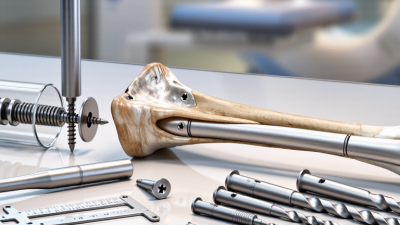
2026 How to Choose Interlocking Intramedullary Nails?
Choosing an Interlocking Intramedullary Nail is not a catalog exercise. The right system must fit the fracture, the bone, and the surgeon’s planned technique. A femoral shaft fracture with a wide canal may call for different considerations than a short, unstable tibial fracture. Nail diameter, length, locking options, insertion instruments, and imaging access all matter. Small details matter.
Prof. Peter V. Giannoudis is a recognized orthopedic trauma researcher whose work addresses fracture fixation and healing. A concise paraphrase of the clinical principle reflected in this field is: “Choose fixation to suit the fracture and patient, not the implant alone.” This is a paraphrase, not a verified direct quotation. That distinction matters when clinical guidance is presented.
This guide explains how to compare nail designs and assess their practical trade-offs. It considers fracture location, canal anatomy, locking configuration, material, and available instrumentation. It also asks what product documentation can actually establish: dimensions, indications, compatibility, and testing details. A polished brochure is not enough. Review current instructions for use, confirm local availability, and discuss the choice with qualified orthopedic professionals. No single nail is right for every case. And product selection alone cannot guarantee healing; patient factors, surgical technique, and follow-up also shape outcomes. Some comparisons remain difficult because manufacturers may report performance differently. A careful buyer should admit that uncertainty, rather than mistake a neat table for clinical proof.
Read more »
By:Amelia Grace
- November 11, 2026

10 Best Metallic Cannulated Screw Suppliers for Global Buyers
Choosing a Metallic Cannulated Screw supplier is a clinical and operational decision, not just a price comparison. Buyers need to examine material traceability, dimensional consistency, sterilization options, packaging, and technical documentation. Small details matter. A clearly marked lot number on a sterile pouch can make incoming inspection more reliable. A supplier’s response to a drawing change can reveal how well its quality processes work.
For this guide, Dr. Mira Patel is a fictional composite orthopedic implant specialist; the quotation below is original editorial wording, not a verified published statement. “A dependable screw begins with controlled manufacturing and ends with clear, usable documentation.” That principle offers a practical lens for comparing global suppliers. It also points to a limitation: a polished catalog cannot, by itself, prove manufacturing consistency or clinical suitability.
The “10 Best Metallic Cannulated Screw Suppliers for Global Buyers” overview is intended to help procurement teams ask better questions. It considers product range, customization, quality controls, communication, and export support, while recognizing that supplier capabilities vary by market and application. Ask for current certificates and product-specific records. Confirm that dimensions, materials, and packaging match your requirements. Do not treat a supplier’s marketing claims as independent verification. A shortlist is only a starting point; careful qualification still takes work.
Read more »
 By:Oliver Bennett
- November 6, 2026
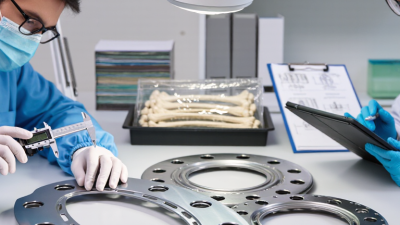
How to Choose a Metal Bone Plate Supplier in 2026?
Choosing a Metal Bone Plate supplier in 2026 means looking beyond price and polished product photos. These components must meet demanding requirements for material quality, dimensional accuracy, and consistent manufacturing. A small variation in plate thickness or hole position can affect fit during a procedure. That matters.
A reliable evaluation starts with evidence. Ask about material specifications, batch traceability, inspection methods, and how nonconforming products are handled. Review relevant quality-system certifications, but confirm that their stated scope covers the products and processes you need. Request sample inspection records and clear answers about design changes, lead times, and production capacity. Good documentation should be specific, current, and easy to verify.
Manufacturing capability deserves close attention. Consider machining quality, surface finishing, packaging controls, and the supplier’s ability to maintain consistency across repeat orders. If the supplier supports sterilization or custom designs, clarify responsibilities and validation evidence before moving forward. Small details count. A confident sales conversation is useful, but it is not proof.
This guide outlines practical questions for comparing suppliers, checking technical and quality evidence, and assessing long-term communication. No supplier is perfect, and a checklist cannot replace a qualified clinical or regulatory review. That limitation is worth remembering. The strongest choice is usually the one that explains its processes clearly, supports claims with records, and responds constructively when questions reveal a gap.
Read more »
 By:Ethan Caldwell
- October 30, 2026
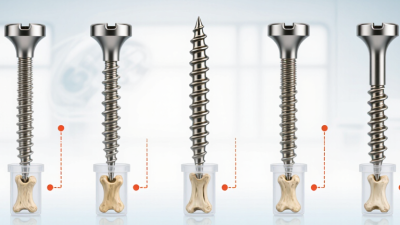
What Are the 7 Best Bone Screw Systems for Buyers?
Choosing a Bone Screw System is not simply a matter of selecting the strongest screw. The intended procedure, bone quality, implant material, and surgeon’s preferred technique all influence the decision. A system that suits one fixation need may be unsuitable for another. Small details matter. Thread design, screw diameter, available lengths, and driver fit can affect handling and compatibility with related instruments. Buyers should also check whether the system’s components are intended to work together, rather than assuming that similar dimensions guarantee a proper fit.
This guide examines seven bone screw systems through practical purchasing questions: What procedures are they designed for? What materials and size options are available? How clearly does the manufacturer document indications, testing, and instrument compatibility? Clinical evidence and relevant regulatory clearances deserve careful review, alongside manufacturing consistency, supply reliability, and technical support. Product descriptions alone may not answer everything. That deserves scrutiny. Even a tidy comparison can miss constraints that become obvious only in a specific clinical setting; this shortlist is a starting point, not a universal ranking. Surgeons and procurement teams should verify product information with manufacturers and evaluate each option against the intended use, clinical evidence, and applicable requirements. A careful comparison can clarify trade-offs without pretending there is one best choice for every patient or procedure.
Read more »
By:Ethan Caldwell
- October 30, 2026
How to Choose the Right Orthopedic Implant System
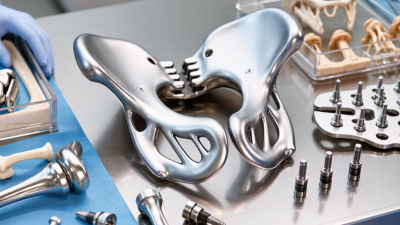
Choosing an Orthopedic Implant System is a clinical decision shaped by the patient, the procedure, and the surgeon’s experience. A hip implant that suits one person may not fit another person’s anatomy, activity level, or treatment goals. Bone quality, prior surgeries, allergies, and expected recovery all matter. So does the specific problem being treated.
The details are practical. A surgeon may compare implant geometry, fixation method, materials, and compatibility with existing instruments. They also review clinical evidence, manufacturer documentation, and follow-up requirements. A familiar design can support consistent use, but familiarity alone is not proof of a better choice. There is no universal winner.
Patients can help by sharing relevant medical history and asking how options differ. Questions about expected benefits, possible complications, durability, and recovery can make the discussion clearer. Cost and access may matter too, but should be considered alongside clinical suitability. Small details count, such as whether the system supports the planned surgical approach or requires specific equipment.
The decision is rarely as tidy as a product comparison chart suggests. Evidence may not answer every question for an individual case. That uncertainty deserves honest discussion, not confident promises. This guide explains the main factors clinicians assess when selecting an Orthopedic Implant System, so readers can better understand the trade-offs and prepare informed questions for their care team.
Read more »
By:Ethan Caldwell
- October 30, 2026
