Choosing a Metal Bone Plate supplier in 2026 means looking beyond price and polished product photos. These components must meet demanding requirements for material quality, dimensional accuracy, and consistent manufacturing. A small variation in plate thickness or hole position can affect fit during a procedure. That matters.
A reliable evaluation starts with evidence. Ask about material specifications, batch traceability, inspection methods, and how nonconforming products are handled. Review relevant quality-system certifications, but confirm that their stated scope covers the products and processes you need. Request sample inspection records and clear answers about design changes, lead times, and production capacity. Good documentation should be specific, current, and easy to verify.
Manufacturing capability deserves close attention. Consider machining quality, surface finishing, packaging controls, and the supplier’s ability to maintain consistency across repeat orders. If the supplier supports sterilization or custom designs, clarify responsibilities and validation evidence before moving forward. Small details count. A confident sales conversation is useful, but it is not proof.
This guide outlines practical questions for comparing suppliers, checking technical and quality evidence, and assessing long-term communication. No supplier is perfect, and a checklist cannot replace a qualified clinical or regulatory review. That limitation is worth remembering. The strongest choice is usually the one that explains its processes clearly, supports claims with records, and responds constructively when questions reveal a gap.
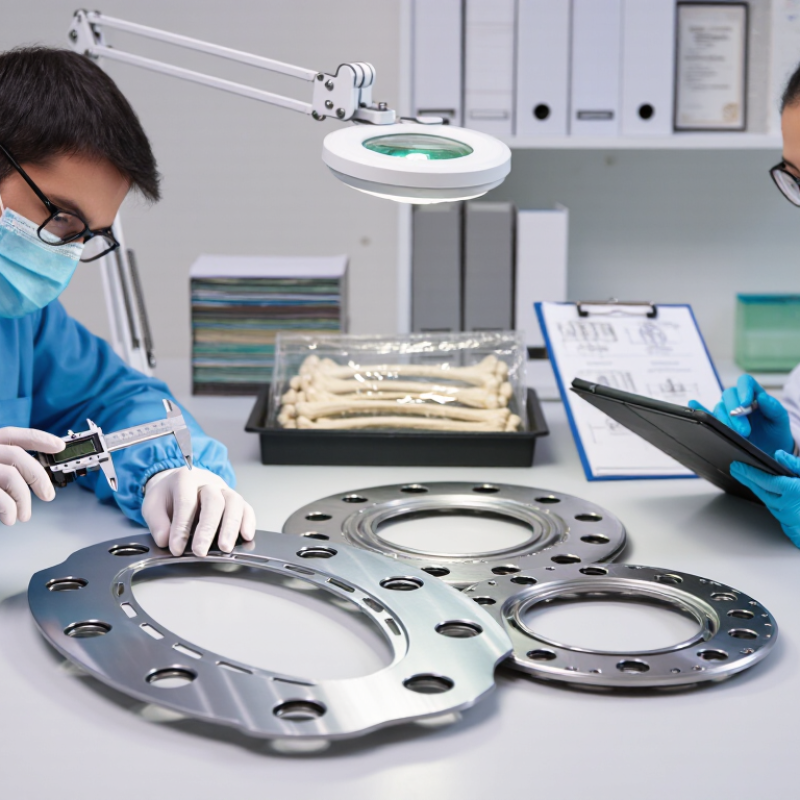
Begin with the intended indication, not a supplier’s catalogue. A plate for a thin-walled bone may need different contouring and screw options than one used for a long-bone fracture. The 2019 Global Burden of Disease analysis estimated 178 million new fractures worldwide that year (published in The Lancet Healthy Longevity, 2021). That scale does not make one design suitable for every case. Details matter.
Define the anatomy, fracture pattern, expected loading, surgical approach, and available imaging before comparing suppliers. Then specify plate dimensions, hole positions, screw compatibility, material, and mechanical-test requirements. The World Health Organization reported that about 1.71 billion people live with musculoskeletal conditions (2022); patient needs and clinical settings vary widely. Ask for test reports tied to the exact configuration, plus evidence of material quality, biocompatibility, traceability, and packaging integrity. Fit is personal. A specification can look complete on paper and still miss the surgeon’s workflow, so review samples and handling feedback with the clinical team.
When choosing a metal bone plate supplier in 2026, check whether its regulatory documents match your intended market and product type. A certificate is useful only when its scope, issuing body, and validity can be verified. Ask for the quality management system certificate and confirm that it covers the facility producing your plates. Then review how the supplier controls design changes, raw materials, manufacturing steps, and inspection records.
Tips: Request a recent audit summary, sample lot traceability records, and evidence of corrective actions. Check that a plate can be traced from its material batch to its final inspection. Ask how the supplier handles a failed dimensional check. Specific answers matter. A polished certificate alone is not enough.
In practice, I would compare the supplier’s written procedures with what its records show. For example, inspection data should identify the plate, measurement, acceptance criteria, and reviewer. Requirements differ across markets, so confirm current documentation with qualified regulatory or quality professionals. Even a strong system can have gaps; a checklist may miss them. Notice how openly the supplier discusses deviations and improvements.
A metal bone plate supplier should be assessed by material evidence, not a polished catalog. The Grand View Research Orthopedic Implants Market report estimated the global market at USD 47.7 billion in 2023, across a broad product category—not bone plates alone. That scale makes supplier choice consequential, but market growth cannot prove product quality. Ask for material certificates, alloy specifications, and lot-level traceability. For titanium or stainless-steel plates, confirm that the stated grade matches the applicable standard and the finished device documentation.
Manufacturing details matter. Ask how the supplier controls machining, deburring, surface finishing, and dimensional inspection. A rough edge can affect handling; a hole outside tolerance can complicate fixation. Request inspection records and evidence that cleaning and sterilization processes are validated for the intended product. The FDA’s Quality Management System Regulation, effective February 2, 2026, aligns U.S. device quality requirements more closely with ISO 13485. Check how the supplier documents design changes and nonconformities. Paperwork alone is not proof. It is a starting point.
Compare the actual range: anatomical plate shapes, lengths, hole patterns, and compatible locking and non-locking screws. Ask whether sizes are available consistently, not merely listed. Review sample instruments and packaging, too. A broad range may simplify planning, yet too many variants can create inventory confusion. That trade-off deserves scrutiny. A supplier’s willingness to explain limits, lead times, and corrective actions may be more useful than an impressive brochure.
Elastic modulus is a useful material comparison when assessing bone plate options: titanium alloys are generally less stiff than stainless steel and cobalt-chromium alloys. Values shown are representative approximations, not supplier acceptance limits; actual properties depend on alloy grade, product form, and processing. Compare material certifications, manufacturing controls, and available plate designs before selecting a supplier.
A credible metal bone plate supplier should support claims with clear, current product evidence. Request material certificates, dimensional inspection results, and mechanical test reports for the relevant plate designs. Check that the records identify test methods, acceptance criteria, and sample details. Ask how surface finish and critical dimensions are controlled during production. Small details matter.
A test report without a traceable link to the product tells only part of the story. Look for lot numbers connecting incoming material to machining, inspection, and finished-device records. Ask how the supplier documents nonconforming parts and approves process changes. Can they trace a sample plate back to its material batch? That matters. Packaging and sterilization compatibility records should also match the product and intended process.
Reliability shows up in routine communication, not just a polished audit file. Review how the supplier handles delayed orders, quality concerns, and requests for updated documents. Ask for realistic lead times and a named contact for technical questions. During evaluation, compare responses against actual records rather than presentation slides alone. No supplier is flawless. I would revisit any decision based on a single strong visit; production consistency needs evidence across multiple lots and time periods.
How to Choose a Metal Bone Plate Supplier in 2026?
Compare Pricing, Support, and Long-Term Supply Capability
A useful supplier comparison looks beyond the unit price. Request a written quote that separates plate costs, packaging, shipping, and any setup fees. Then compare like-for-like specifications, materials, and documentation. A low quote may not include the same support or delivery commitments. Ask how the supplier manages production changes and tracks each lot. These details matter when a clinical team needs consistent records and predictable replenishment.
Tips: Ask for recent lead-time estimates, not just standard timelines. Check who answers technical questions and how quickly. Request evidence of traceability and quality controls. Ask what happens if a material source or production schedule changes.
Support is easiest to judge before an urgent request arrives. Note whether answers are specific, documented, and consistent across contacts. Also discuss long-term capacity: Can the supplier explain how it plans for demand shifts, equipment downtime, or delayed materials? Seek clear communication rather than guarantees no supplier can honestly make. A spreadsheet helps, but it will not capture every working relationship. I would revisit the comparison after a sample order or supplier review; early impressions can be wrong. Keep the criteria visible, and weigh price alongside responsiveness and supply continuity.
Start with the indication, anatomy, fracture pattern, expected loading, surgical approach, and available imaging. A catalogue alone is not enough.
Define plate dimensions, contour, hole positions, screw compatibility, material, and mechanical-test requirements. Thin-walled bone may need different contouring.
Request material certificates, dimensional inspection results, and mechanical reports for the exact configuration. Check test methods, acceptance criteria, and sample details.
Ask whether lot numbers link raw material, machining, inspection, and finished-device records. Can a sample be traced to its material batch?
Paper specifications may miss handling needs or surgical workflow details. Let the team examine fit and handling. Fit is personal.
Ask how surface finish and critical dimensions are controlled. Review records for nonconforming parts and approved process changes. Small details matter.
Check that packaging and sterilization compatibility records match the specific product and intended process. A mismatch deserves a closer look.
Compare records and communication about delays, quality concerns, and document updates. Request realistic lead times and a named technical contact. No supplier is flawless.
Probably not. Review evidence across multiple lots and time periods. I would revisit any decision based on one strong visit alone.
Choosing a Metal Bone Plate supplier in 2026 starts with a clear understanding of clinical needs and technical specifications, including intended applications, plate designs, dimensions, and compatibility requirements. Suppliers should be evaluated for relevant regulatory compliance and well-maintained quality management systems, alongside the materials they use, their manufacturing processes, and the breadth of their product range.
A thorough review should also consider product evidence, documentation, traceability, and the supplier’s ability to deliver consistently. Compare pricing in the context of product quality, technical assistance, communication, and service after purchase. Finally, assess whether the supplier can support long-term availability and respond reliably as requirements change. A balanced evaluation across these factors can help buyers make an informed choice that supports dependable sourcing and practical clinical needs.