Choosing an Orthopedic Implant System is a clinical decision shaped by the patient, the procedure, and the surgeon’s experience. A hip implant that suits one person may not fit another person’s anatomy, activity level, or treatment goals. Bone quality, prior surgeries, allergies, and expected recovery all matter. So does the specific problem being treated.
The details are practical. A surgeon may compare implant geometry, fixation method, materials, and compatibility with existing instruments. They also review clinical evidence, manufacturer documentation, and follow-up requirements. A familiar design can support consistent use, but familiarity alone is not proof of a better choice. There is no universal winner.
Patients can help by sharing relevant medical history and asking how options differ. Questions about expected benefits, possible complications, durability, and recovery can make the discussion clearer. Cost and access may matter too, but should be considered alongside clinical suitability. Small details count, such as whether the system supports the planned surgical approach or requires specific equipment.
The decision is rarely as tidy as a product comparison chart suggests. Evidence may not answer every question for an individual case. That uncertainty deserves honest discussion, not confident promises. This guide explains the main factors clinicians assess when selecting an Orthopedic Implant System, so readers can better understand the trade-offs and prepare informed questions for their care team.
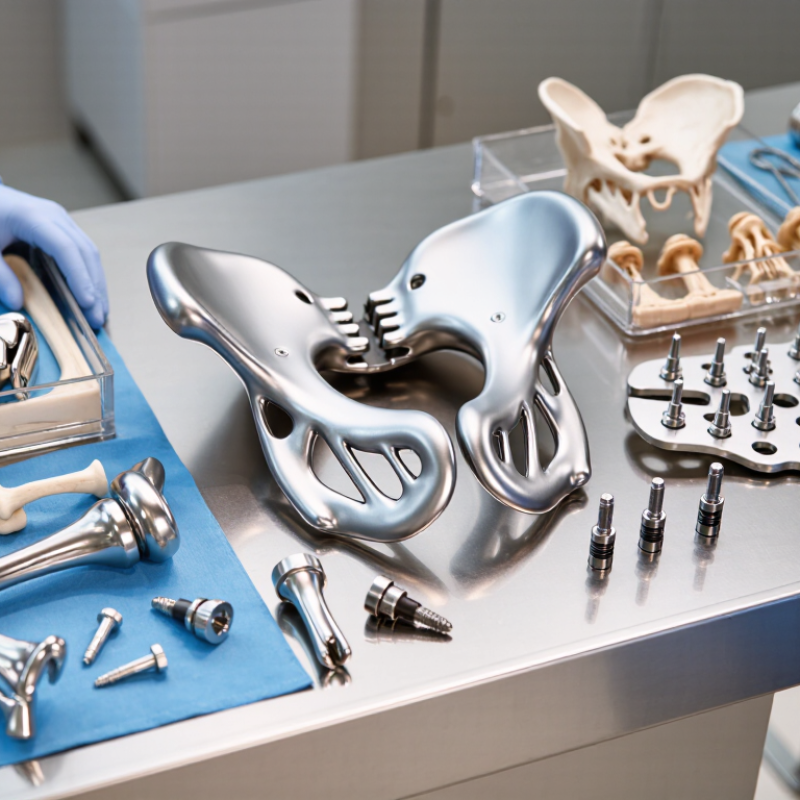
Choosing an orthopedic implant system starts with a clear diagnosis, not a catalog. The affected joint or bone, injury pattern, imaging, bone quality, and prior procedures all matter. Pain is only one part of the picture. Ask what the patient hopes to regain: walking farther, gripping a cup, or returning to work. Activity level, other health conditions, and recovery demands also shape the discussion. These details help the orthopedic team define goals such as stability, pain relief, restored motion, or durable support.
The treatment goal should guide which implant features the surgeon considers. Bone shape and healthy tissue can affect sizing and fixation choices. A plan must also account for rehabilitation and follow-up. Patients can ask why a system suits their anatomy, what alternatives exist, and which risks need monitoring. There may not be a perfect option. Even careful planning can change during surgery if findings differ from scans; that uncertainty deserves an honest conversation.
Tips: Bring imaging reports and a medication list. Describe painful daily tasks with specific examples. Ask how success will be measured and when the plan may need review.
Choosing an orthopedic implant system starts with the person, not the catalog. A surgeon reviews joint shape, alignment, and surrounding tissue through examination and imaging. Small anatomical differences matter. A narrow canal, unusual curvature, or previous surgery can affect fit and planning. Bone quality matters too. Osteoporosis or fragile bone may influence fixation choices and healing expectations. Imaging helps, but it cannot show everything.
Patient needs complete the picture. Age, activity goals, pain, other health conditions, and rehabilitation needs can shape the plan. Someone hoping to return to gardening may weigh trade-offs differently from someone focused on short walks at home. The care team should explain expected benefits, risks, alternatives, and recovery in plain language. No checklist captures every patient; that limitation deserves honest attention. Implant selection is a clinical decision, not a promise of a particular result.
Tips: Ask how the implant will accommodate your anatomy and bone quality. Share previous operations, allergies, and everyday movement goals. Ask what might change during surgery if the bone seems weaker than imaging suggested. Write down concerns before the appointment; details are easy to forget.
Choosing an orthopedic implant system requires comparing materials, geometry, and fixation—not just a product’s headline feature. Titanium alloys are commonly used for stems because they are strong and relatively light; cobalt-chromium alloys offer hardness for articulating surfaces. Ceramic bearings can reduce wear, while highly cross-linked polyethylene is widely used as a liner. The right pairing depends on the joint, anatomy, bone quality, and activity level. Material alone does not predict success. A neat comparison can still mislead.
Design affects stability and how much bone must be removed. Fixation matters too: cemented implants may suit some patients with weaker bone, while cementless designs rely on bone growing onto a porous surface. Hybrid systems combine both approaches. The UK National Joint Registry’s 2024 annual report includes more than 4.4 million joint-replacement records, offering a substantial evidence base for reviewing revision outcomes across implant and fixation categories. Registry results inform decisions, but do not replace individual assessment.
Tips: Compare like with like. Check registry outcomes for the same joint, patient group, and follow-up period. Ask how a porous coating feels against the surgeon’s preferred technique, and whether imaging shows enough bone for secure fixation. Also ask what trade-offs matter most in your case. No option is perfect.
Compatibility begins with the patient and the procedure. Confirm that implant sizing, fixation method, and available instruments match the patient’s anatomy and the planned surgical approach. Review the system’s instructions for use, including any limits on compatible components. A tray that arrives complete still needs to fit the operating room’s workflow. Small mismatches can cause delays.
Clinical evidence matters, too. The American Joint Replacement Registry’s 2024 Annual Report includes data on more than 3.7 million hip and knee procedures. Use registry results to compare revision rates and outcomes for relevant patient groups, when available. Check follow-up duration, sample size, and whether results apply to the procedure you perform. Registry data can guide a choice, but it does not prove one system is best for every patient. A clean chart can still hide important differences.
Choosing an orthopedic implant system means weighing safety, durability, and the evidence behind long-term outcomes. Ask your surgeon how the system performs for people with similar diagnoses, bone quality, and activity levels. Safety includes more than implant failure: discuss infection, dislocation, fracture, loosening, and revision. Surgical technique and rehabilitation matter, too. No implant lasts forever.
Long-term data can inform the conversation. A 2019 Lancet systematic review and meta-analysis by Evans and colleagues estimated 25-year survivorship at 58.4% for total hip replacements and 82.3% for total knee replacements, drawing on registry and cohort studies. These are population estimates, not personal predictions. The studies included different patients and implant types. That uncertainty matters. Ask for current national joint-registry revision rates, and check whether the figures apply to your age and diagnosis. A single headline number can hide important differences.
Durability also shows up in everyday details: stable imaging, a healing incision, and easier stair climbing months later. Ask about implant materials, expected wear, MRI considerations, and options if revision becomes necessary. I would be cautious about assuming “newer” means “better”; long-term follow-up may be limited. Share your health history and goals with an orthopedic surgeon, and ask which uncertainties remain.
| Decision Dimension | What to Compare | Evidence or Questions to Review | Why It Matters |
|---|---|---|---|
| Indication and fit | The implant’s intended procedure, anatomical fit, available sizes, and compatibility with the planned surgical technique. | Is the system authorized for this use in the relevant country? Does the proposed size and design suit the patient’s anatomy and clinical needs? | An implant should be selected for the specific procedure and patient, not on general reputation alone. |
| Safety and known risks | Device-related risks, warnings, contraindications, material sensitivities, and applicable safety notices or recalls. | Review current regulator notices and product documentation. Ask how the patient’s health conditions, allergies, and medications affect risk. | Risks vary by device, procedure, and patient; a clinician can interpret them in context. |
| Materials and fixation | Materials, bearing surfaces where relevant, and fixation approach, such as cemented or cementless fixation when applicable. | What evidence supports the specific material and fixation combination for this procedure? Are there patient-specific concerns about bone quality or material sensitivity? | Material and fixation choices can affect compatibility, healing, wear, and the suitability of the implant for an individual patient. |
| Durability and revision | Long-term implant survival, reasons for revision, and the length and completeness of follow-up data. | Compare results for the same procedure and similar patient groups. Check follow-up duration, number of patients, and whether outcomes come from a registry or a clinical study. | Revision-free survival is useful for assessing durability, but results depend on follow-up, patient mix, and how revision is defined. |
| Long-term outcomes | Pain, function, mobility, quality of life, complications, and patient-reported outcome measures. | Are outcomes reported at multiple follow-up points and measured with validated tools? Are complications and losses to follow-up also reported? | An implant can remain in place without delivering the same pain relief or functional improvement for every patient. |
| Evidence quality | Independent clinical evidence, registry data, study design, follow-up length, and relevance to the patient population. | Do multiple sources show consistent results? Are comparisons adjusted for differences in age, diagnosis, activity, and other relevant factors? | Study quality and patient similarity affect how confidently published results can be applied to an individual case. |
| Surgeon experience | The surgeon’s experience with the procedure and the proposed implant system, including familiarity with its instrumentation. | How often does the surgeon perform this procedure? What alternatives are suitable, and why is this system recommended for this patient? | Surgical planning and technique are important parts of care; implant choice should be considered alongside the treating team’s experience. |
| Follow-up and practical support | Availability of follow-up care, imaging when clinically indicated, rehabilitation, and access to appropriate replacement components if needed. | What is the follow-up plan? Who should the patient contact about new symptoms, and how will care be coordinated if a revision is needed? | Long-term care and timely assessment of concerns are important parts of monitoring outcomes after surgery. |
Start with the diagnosis, affected bone or joint, imaging, bone quality, and prior procedures. Pain is not everything. Discuss goals such as walking farther, gripping a cup, or returning to work.
Joint shape, alignment, surrounding tissue, and bone strength can affect sizing and fixation. A narrow canal or fragile bone may change the plan. Scans can miss details.
Describe daily activities, health conditions, allergies, medications, and previous operations. Mention practical goals, such as gardening or walking around home. Small details can matter.
Ask why the system suits your anatomy, what alternatives exist, and which risks need monitoring. Also ask how success will be measured and when the plan may need review.
Confirm sizes, fixation methods, instruments, and components match the patient and planned approach. Review instructions for use and component limits. Check sterilization and imaging needs, too.
Compare relevant outcomes and revision rates when registry data are available. Check patient groups, follow-up length, and sample size. Data guide decisions, but they cannot settle every case.
Yes. Findings may differ from imaging, especially if bone is weaker than expected. Discuss beforehand what changes could be considered. Plans can shift.
Bring imaging reports and a medication list. Write down concerns and describe painful tasks, like lifting a cup. Some details are easy to forget.
Choosing the right Orthopedic Implant System begins with a clear understanding of the condition being treated and the goals of care, such as restoring stability, supporting movement, or reducing pain. The decision should also account for the patient’s anatomy, bone quality, activity level, and overall health, since these factors can influence which implant design and fixation method are appropriate.
Material properties, implant geometry, and surgical compatibility should be considered alongside reliable clinical evidence. A suitable system should work with the planned procedure and meet established safety expectations. Finally, clinicians should weigh durability, potential risks, and long-term outcomes, while considering the patient’s needs and follow-up plan. A careful, individualized assessment helps guide a choice that supports function and lasting care.